 Preview
 Send
Send Share
Share
 Details

 Download
 Similars
 X-Ray
X-Ray Diaporama
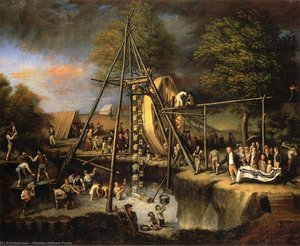
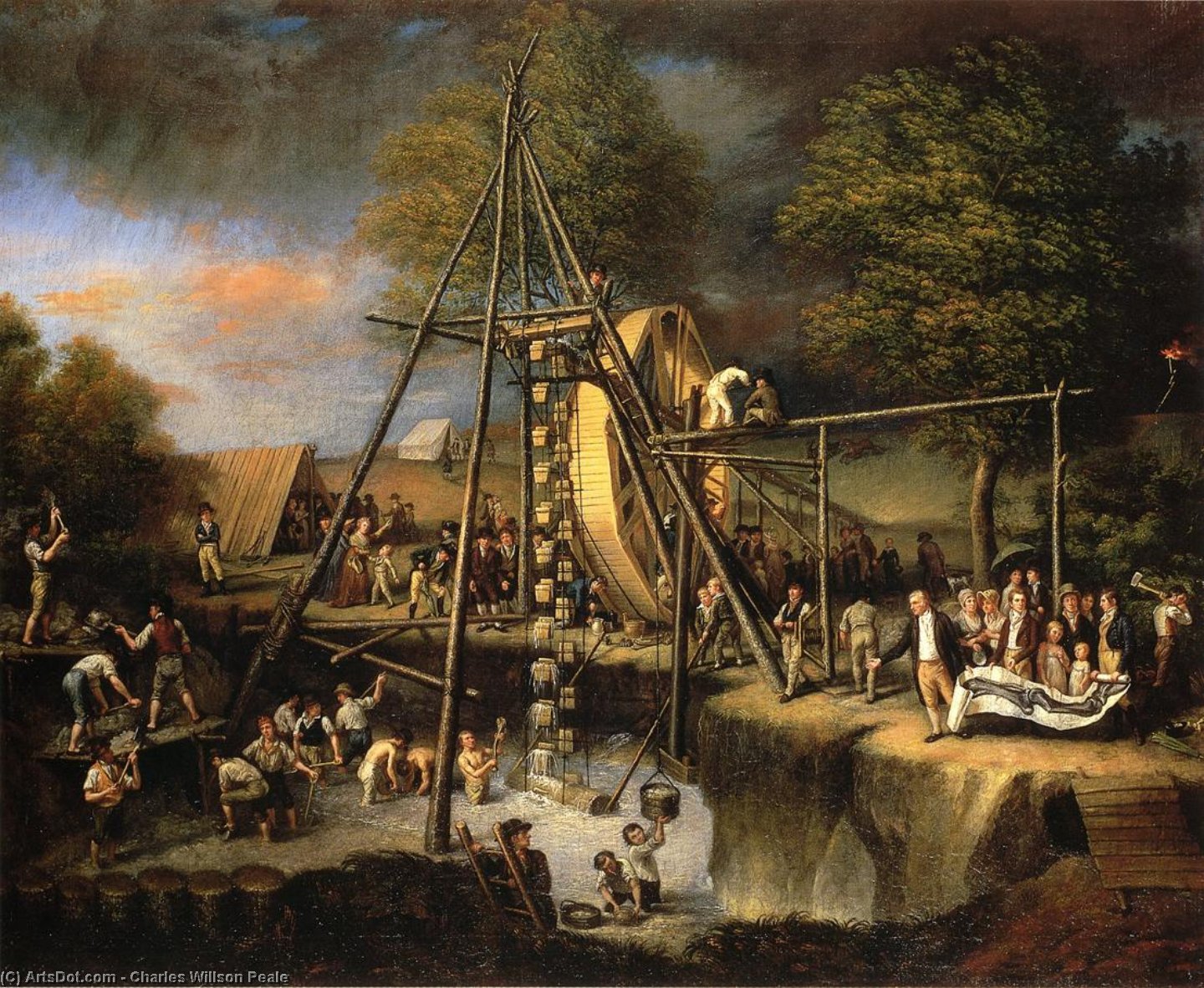
Exhumation of the Mastadon


 Read More
Hand Made Oil Reproduction
Hand-painted oil on canvas in your size and frame, made to order by our artists. ( Buy Print Buy Image)




P118B $10

P118H $10

P118W $10

P438Z $10

P508JH $12

P508YH $12

P805H $10

P805Z $10

P919BZ $10

P919G $10

P919XJ $10

P959ZH $10

P968JZ $12

W106C $8

W218G $10

W218JH $8

W218Y $10

W307PJ $10

W316G $10

W316PJ $8

W316Y $10

W398PJ $8

W4111J $10

W500HY $15

W500JH $15

W692G $12

W849H $8

W940BG $15

W953PJ $8




Pick from our preset sizes that match the artwork's original proportions.

You may enter your own dimensions to fit a specific frame or space. If your selected size does not match the original image's proportions, we will either crop the artwork or extend the painting with additional hand-painted elements. A digital mockup will be sent for your approval before production begins.
Please note that the on-screen preview does not reflect the actual cropping or extension. Only the mockup will accurately show the final composition.
While custom sizes are available, we recommend selecting a dimension from the predefined list to preserve the original proportions.
After order, ArtsDot.com team will email client for instructions and provide a mockup preview
Worldwide Delivery () in 3/4 weeks instead of standard 5 weeks. (17 August). No compromise on quality.

Free Worldwide Express Shipping

High-Quality Linen Canvas

Full Shipping Insurance

Customs Tax Refund Guarantee

True Color Matching Guarantee

60-Day Return Policy (Defects Only)

100% Money-Back Guarantee

Bulk Discount Offer
 Glass option is only available in size under 110 CM

Exhumation of the Mastadon
Reproduction Medium
Reproduction Size
-


Total Price
$ 263
Artwork Description
A Glimpse into Deep Time: The Exhumation of the Mastodon
To stand before Charles Willson Peale's Exhumation of the Mastadon is not merely to observe a painting; it is to participate in a moment of profound human discovery. Dated to 1805, this oil on canvas transports us across the veil of millennia, placing us at the very threshold where scientific curiosity collided with artistic genius. The scene pulses with an almost palpable energy—the focused industry of a group of pioneering individuals gathered around the colossal remains of a mastodon. Peale masterfully captures the drama inherent in uncovering deep history, transforming what might have been a dry archaeological report into a vibrant, narrative spectacle.
The Drama of Discovery and Human Endeavor
Peale populates this canvas with at least fourteen figures, each engaged in a distinct act of labor. Their postures—some kneeling in careful concentration, others standing back to survey the monumental task—speak volumes about collaboration and shared purpose. The very tools depicted, such as saws and hammers, are extensions of human intellect applied against the immutable passage of time. At the heart of this commotion lies the massive skeleton, a breathtaking testament to life lived epochs before recorded history. Notice the subtle inclusion of details, like the chair resting near the bottom left corner; these small anchors ground the epic event in a recognizable, tangible space, inviting the viewer to imagine themselves within that very moment of breakthrough.
Mastery of Technique and Historical Context
As an artist deeply invested in documenting American life and natural history, Peale employed his skill with oil on canvas to achieve both documentary accuracy and dramatic flair. The technique allows for rich tonal variations, allowing the shadows cast by the figures to deepen the mystery surrounding the bones, while the highlights catch the sheen of effort and excitement on the workers' faces. This painting is a crucial artifact not only of American art but also of early scientific illustration. It reflects the burgeoning Enlightenment spirit—a time when humanity felt empowered by reason to unravel nature’s greatest secrets.
Symbolism: The Unveiling of Knowledge
Beyond the literal depiction of bone and muscle, Exhumation of the Mastadon is rich with symbolism. It speaks to mankind's enduring relationship with its past—a dialogue between the ephemeral nature of human life and the monumental permanence of deep time. The mastodon itself symbolizes the vast, untamed wilderness from which modern civilization emerged. For the contemporary collector or designer, owning a reproduction of this work is acquiring more than just decor; it is commissioning a visual meditation on progress, perseverance, and the relentless, beautiful march of knowledge.
Related Artworks

Artist Biography
Charles Willson Peale: A Life of Art, Science, and Patriotism
- Born: April 15, 1741, Chester, Queen Anne's County, Maryland
- Died: February 22, 1827, Philadelphia, Pennsylvania
Early Life and Artistic Training
- Peale’s early life was marked by financial hardship following his father’s death. He apprenticed as a saddler before discovering his passion for art.
- He received initial training from John Hesselius and briefly studied with John Singleton Copley, demonstrating an early aptitude for portraiture.
- A crucial period in his development was his time studying under Benjamin West in London (1767-1770). This exposure to European artistic trends significantly influenced his style.
Artistic Career and Major Works
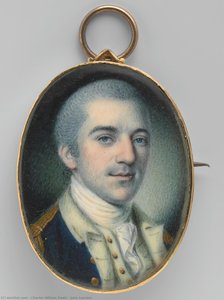
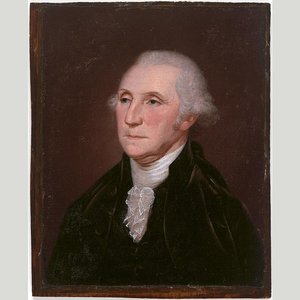
- Portraiture: Peale is best known for his portraits of prominent figures from the American Revolution, including numerous depictions of George Washington (nearly sixty in total). These portraits are valuable historical documents as well as artistic achievements.
- Style: His style evolved over time, initially influenced by West’s Neoclassical approach but later incorporating elements of realism and a desire to capture likeness accurately.
- Notable Works:
- George Washington (1772): Marked the beginning of his long association with Washington.
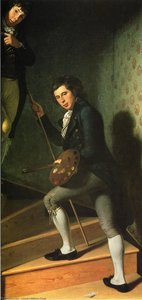
- The Staircase Group (c. 1795): A striking example of trompe l'oeil, depicting his sons Raphael and Titian as if they were part of the architectural setting.
Scientific Pursuits and Peale’s American Museum
- Peale was a passionate naturalist and scientist, organizing expeditions to study natural history.
- He founded Peale's American Museum in Philadelphia (1784), one of the first museums in the United States. It housed botanical, biological, and archaeological specimens.
- The museum played a significant role in popularizing science and education in America. He was particularly known for his displays of mastodon bones, acquired through an expedition in 1801.
- He taught himself taxidermy to preserve specimens for the museum, demonstrating his diverse skills.
Legacy and Historical Significance
- Peale’s work bridges the gap between art and science, reflecting the Enlightenment ideals of his time.
- His portraits provide invaluable visual records of key figures in American history.
- The founding of Peale's American Museum was a pioneering effort that helped establish the museum as an important institution for education and scientific exploration.
- He influenced subsequent generations of artists and scientists, contributing significantly to the development of American culture.
- His family legacy continued through his sons, including James Peale and Rubens Peale, who also became accomplished artists and contributed to the museum's collection.
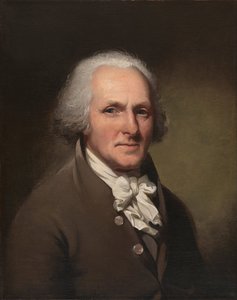
Charles Willson Peale
1741 - 1827 , United Kingdom
Quick Facts
- Artistic Movement Or Style: Neoclassical painting
- Artists Who Influenced This Artist:
- John Hesselius
- John Singleton Copley
- Benjamin West
- Date Of Birth: April 15, 1741
- Date Of Death: February 22, 1827
- Full Name: Charles Willson Peale
- Nationality: American
- Notable Artworks:
- Staircase Group
- George Washington portraits
- Place Of Birth: Chester, United Kingdom
Related Articles
Charles Willson Peale: Portraiture, Enlightenment Ideals & Shaping American Identity
Explore the life & art of Charles Willson Peale – Revolutionary portraitist, scientist, and founder of America’s first museum. Discover his iconic paintings of Washington & the Enlightenment ideals that shaped a nation.

From Canvas to Legacy: A Detailed Examination of Handmade Oil Reproduction Techniques for Galleries and Hospitality Environments
Discover exquisite handmade oil painting reproductions & custom portraits crafted by skilled artists. Elevate your space with museum-quality art – affordable luxury, guaranteed authenticity & expert consultation.
American Realism's Defining Works: 10 Masterpieces for Your Home
Explore 10 defining American Realism masterpieces – Hopper, Homer & more. Discover the stories behind these iconic paintings and bring timeless art to your home with ArtsDot's museum-quality reproductions. Explore the full collection online.

Titian Ramsay Peale II: A Legacy of Botanical Precision & Artistic Innovation
Explore the life & art of Titian Ramsay Peale II, a master of botanical precision and wildlife painting. Discover his legacy bridging art & natural history at ArtsDot.

From Initial Sketch to Enduring Legacy: A Comprehensive Exploration of the Oil Painting Reproduction Process
Discover the art of museum-quality oil painting reproduction. Explore our expert process, skilled artists & authentic replicas. Elevate your home with timeless beauty – handcrafted and customized to your vision.