 Preview
 Send
Send Share
Share
 Details

 Download
 Similars
 X-Ray
X-Ray Diaporama
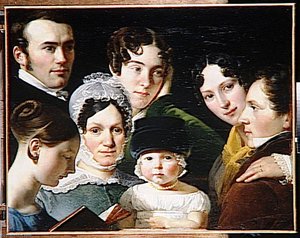
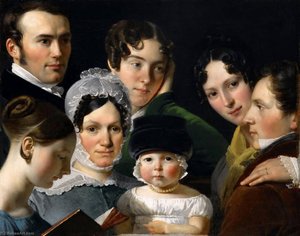
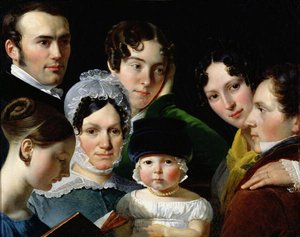
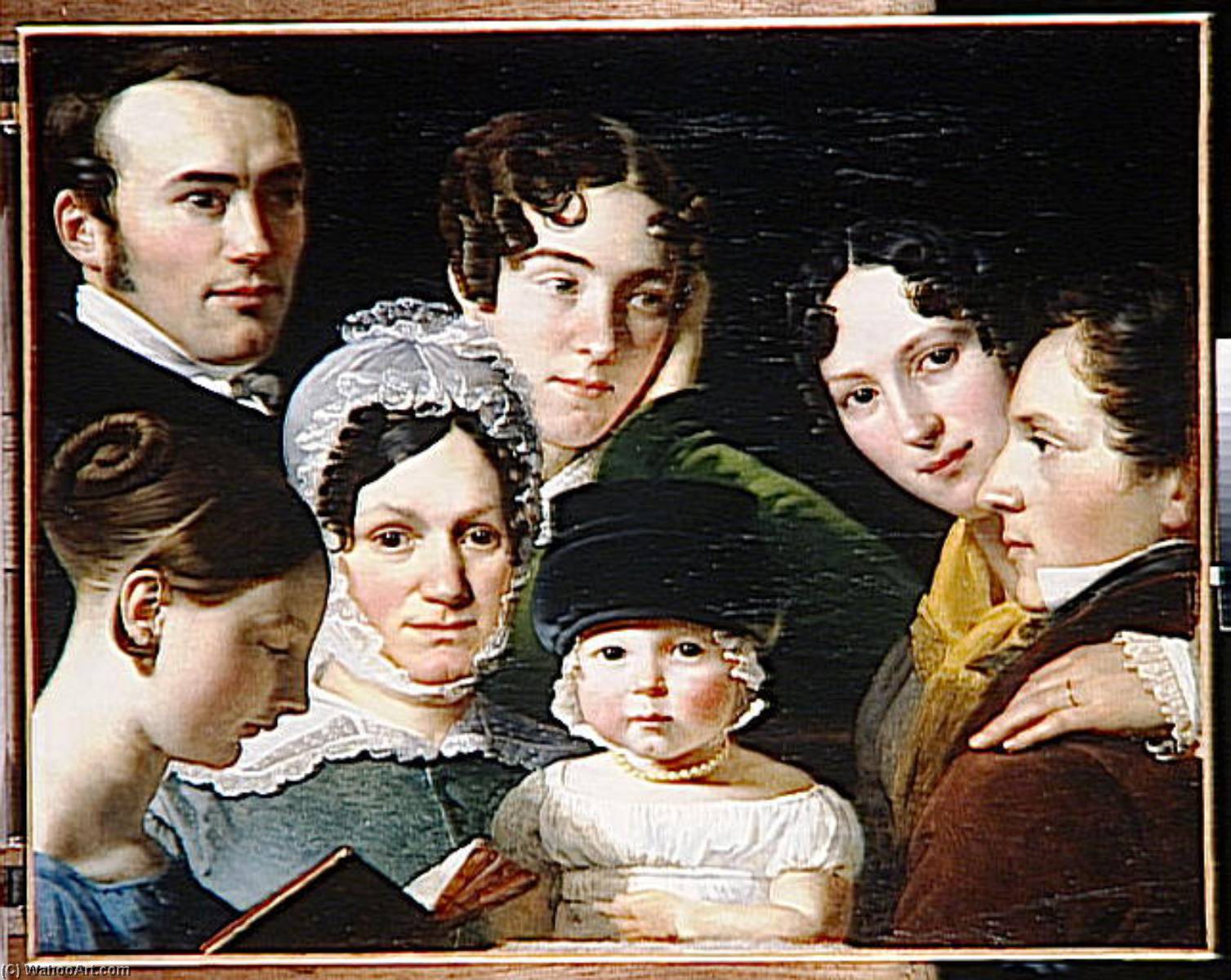
LA FAMILLE DUBUFE EN 1820


 Read More
Giclée / Art Print
Museum-quality giclée or canvas print with fast production and flexible finish options. ( Buy Hand Made Painting Buy Image)




P118B $10

P118H $10

P118W $10

P438Z $10

P508JH $12

P508YH $12

P805H $10

P805Z $10

P919BZ $10

P919G $10

P919XJ $10

P959ZH $10

P968JZ $12

W106C $8

W218G $10

W218JH $8

W218Y $10

W307PJ $10

W316G $10

W316PJ $8

W316Y $10

W398PJ $8

W4111J $10

W500HY $15

W500JH $15

W692G $12

W849H $8

W940BG $15

W953PJ $8




Pick from our preset sizes that match the artwork's original proportions.

You may enter your own dimensions to fit a specific frame or space. If your selected size does not match the original image's proportions, we will either crop the artwork or extend the image with a mirrored or solid-fill edge. A digital mockup will be sent for your approval before production begins.
Please note that the on-screen preview does not reflect the actual cropping or extension. Only the mockup will accurately show the final composition.
While custom sizes are available, we recommend selecting a dimension from the predefined list to preserve the original proportions.
Worldwide Delivery () in 2 weeks instead of standard 4/5 weeks. (25 August)

Free Worldwide Express Shipping

High-Quality Linen Canvas

Full Shipping Insurance

Customs Tax Refund Guarantee

True Color Matching Guarantee

60-Day Return Policy (Defects Only)

100% Money-Back Guarantee

Bulk Discount Offer
 Glass option is only available in size under 110 CM

LA FAMILLE DUBUFE EN 1820
Giclée / Art Print
Reproduction Size
-


Total Price
$ 63
Collectible Description
The Dubufe Family in 1820 – A Portrait of Neo-Classical Dignity
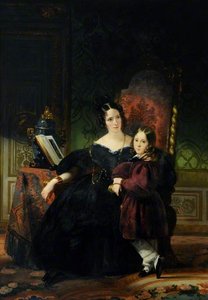
“The Dubufe Family in 1820” by Claude Marie Paul Dubufe stands as a quintessential emblem of the waning years of Neoclassicism, capturing not merely an image of familial life but also the spirit of its time—a period defined by restrained elegance and moral seriousness. Painted in 1820, this monumental oil on canvas resides within the Louvre Museum’s collections, offering viewers a glimpse into the opulent yet subtly melancholic world of French aristocratic society. The artwork's composition is strikingly deliberate: Dubufe employs a pyramidal structure, meticulously arranging the figures to convey a profound sense of unity and familial connection. Overlapping poses create intimacy while simultaneously emphasizing the importance of each individual within the family unit. The artist’s masterful use of light—softly diffused—illuminates the faces evenly, minimizing harsh shadows and fostering an atmosphere of quiet contemplation. This technique underscores the solemn dignity inherent in portraiture during this era, reflecting a desire to portray subjects with respect and admiration. The color palette leans towards muted earth tones – ochre yellows, browns, and creams – accented by delicate washes of paler hues that lend warmth and luminosity to the scene. These restrained colors mirror the aesthetic sensibilities of Neoclassicism, prioritizing clarity and balance over flamboyant ornamentation. The background is dark, providing a dramatic contrast that highlights the faces and clothing of the Dubufe family members, drawing attention to their presence and reinforcing the portrait’s formal grandeur. Dubufe's artistic approach demonstrates an unwavering commitment to realism combined with idealized representation—a hallmark of David’s legacy. Detailed brushstrokes meticulously render skin tones and fabric folds, capturing subtle nuances that convey a sense of texture and depth. Lines delineate facial features and clothing details with precision, contributing to the overall impression of meticulous craftsmanship. Geometric elements subtly permeate the patterns of some garments, grounding the composition in classical principles while maintaining visual interest.- Artist: Claude Marie Paul Dubufe (1790–1864)
- Style: Neoclassical Portraiture
- Medium: Oil on Canvas
- Location: Louvre Museum, Paris
Symbolism and Context – Echoes of David’s Influence
Dubufe's work is deeply rooted in the artistic traditions established by Jacques-Louis David, whose monumental canvases had revolutionized painting with their austere grandeur and moral seriousness. Like David, Dubufe sought to honor classical ideals—particularly those of rationality and order—while simultaneously injecting subtle emotional nuance into his compositions. The pyramidal structure itself symbolizes stability and harmony, reflecting a belief in the importance of social hierarchy and familial responsibility. The solemn expressions on the faces of the Dubufe family members convey a sense of restrained emotion characteristic of portraits from this period. They embody dignity and composure, mirroring the values upheld by the French aristocracy during the Restoration—a time marked by political upheaval but also by an enduring fascination with classical art and culture. The painting serves as a testament to the artistic legacy of David, demonstrating how his influence continued to shape artistic expression even in its twilight years.Technique – Mastering Light and Texture
Dubufe’s masterful technique—characterized by meticulous brushstrokes and careful blending of colors—exemplifies the precision demanded by Neoclassical painting. The artist skillfully utilizes light diffusion to create a flattering effect, minimizing harsh shadows and enhancing the luminosity of the faces. Subtle variations in shading define facial features and clothing textures, conveying a remarkable level of realism. The smooth texture achieved through oil paint application contributes to the overall impression of elegance and refinement. Close examination reveals delicate brushstrokes that capture the nuances of fabric folds and skin tones—a testament to Dubufe’s dedication to capturing the essence of his subjects with unwavering accuracy. This meticulous attention to detail underscores the artistic standards upheld during David's time, cementing Dubufe’s place as a pivotal figure in French art history.Further Exploration – Viewing “The Dubufe Family” at the Louvre
A visit to the Louvre Museum offers an unparalleled opportunity to experience "The Dubufe Family" firsthand. Located in Salle XVIII, this monumental artwork commands attention with its impressive scale and masterful execution. Admire the artist’s skillful use of light and color, reflecting the aesthetic sensibilities of Neoclassicism—a style that continues to inspire artists and collectors alike.Related Artworks
Artist Biography
The Last Echo of David’s Legacy
Claude-Marie Paul Dubufe (1790–1864) stands as a poignant figure in French art history—the final bastion of Jacques-Louis David's artistic lineage, marking the twilight years of Neoclassicism and ushering in a new era of Romanticism. Born in Paris amidst the burgeoning intellectual fervor of his time, Dubufe’s formative years were steeped in the ideals championed by David himself, whose monumental canvases had redefined artistic expression with their austere grandeur and moral seriousness. This early influence profoundly shaped Dubufe's stylistic trajectory, initially favoring classical subjects—mythological narratives and biblical scenes—reflecting a desire to honor tradition while simultaneously injecting subtle emotional nuance into his compositions.
Dubufe’s formal education commenced under David’s tutelage at the École Royale Supérieure des Baux-Arts, where he absorbed not only technical mastery but also a deep appreciation for artistic idealism. The emphasis on anatomical precision and dramatic storytelling—hallmarks of David's oeuvre—became indelible components of Dubufe’s artistic vocabulary. As his career progressed, however, the rigid boundaries of Neoclassicism began to soften under his brush. While firmly rooted in classical principles, Dubufe swiftly transitioned to genre painting and portraiture, capturing the vibrancy of Parisian life and portraying individuals with remarkable sensitivity.
A Transition from Grandeur to Intimacy
Unlike David’s monumental canvases focused on heroic narratives, Dubufe's subjects were often ordinary people—aristocrats, artists, musicians—presented with an intimacy that belied their social status. He possessed a unique ability to bridge the gap between the epic and the everyday, moving away from the cold, detached perfection of the classical era toward a more human-centric approach. This evolution is beautifully captured in his works that document the domestic elegance of the French upper class, such as his celebrated The Dubufe Family in 1820. In this masterpiece, one can observe how he utilizes neoclassical precision to render a scene of profound familial warmth and social grace.
His mastery extended deeply into the realm of portraiture, where he demonstrated an uncanny ability to convey both formal elegance and psychological depth. His meticulous attention to detail—particularly in capturing facial expressions and the textures of fine fabrics—allowed him to create portraits that felt alive with character. Notable examples include:
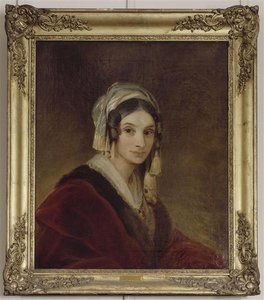
- Portrait de la comtesse de kergolay: A stunning neoclassical oil painting of a noblewoman, where rich detail and dramatic lighting highlight the historical weight of her station.
- Portraits of the Dubufe lineage: Including works featuring his son, Édouard Dubufe, which showcase a tender, personal side to his technical prowess.
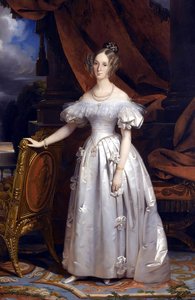
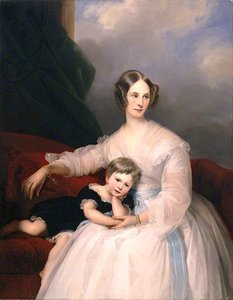
- Social Portraits: Capturing figures such as Louise d’Orléans and Eleanor Jenkinson, blending the prestige of the subject with an intimate, observant gaze.
Historical Significance and Artistic Enduring Spirit
Dubufe’s artistic output spanned a prolific period, producing over 300 paintings that serve as a visual bridge between two transformative centuries. As the nineteenth century progressed, the rise of Romanticism challenged the very foundations of the school he represented. Yet, Dubufe remained a vital link to the past, preserving the technical rigor of the Davidian tradition while embracing the emotional fluidity required by a changing world. His work does not merely document the faces of his era; it captures the shifting soul of France itself.
Today, the legacy of Claude-Marie Paul Dubufe is found in the quiet strength of his compositions and the enduring elegance of his portraits. He remains an essential figure for any student of art history, representing that rare moment in time when the disciplined shadows of Neoclassicism met the bright, emotive light of a new age. Through his lens, we glimpse the refined textures of 19th-century society, rendered with a hand that was both classically trained and deeply human.
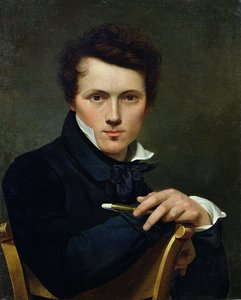
claude marie paul dubufe
1790 - 1864
Quick Facts
- Artistic Movement Or Style: David School
- Artists Or Movements Influenced By This Artist: ['Romanticism']
- Artists Who Influenced This Artist: ['Jacques-Louis David']
- Date Of Birth: 1790
- Date Of Death: 1864
- Full Name: Claude Marie Paul Dubufe
- Nationality: French
- Notable Artworks:
- Louise d’Orleans, Reine des Belges
- La lettre de Wagram
- Place Of Birth: Paris, France
Related Articles
Monet's Masterpieces: 25 Iconic Artworks to Transform Your Home
Journey through 25 iconic Claude Monet masterpieces! Explore Impressionism’s beauty, from Water Lilies to Rouen Cathedral. Discover stunning art reproductions & curated decor ideas – explore the full collection online at ArtsDot.com.
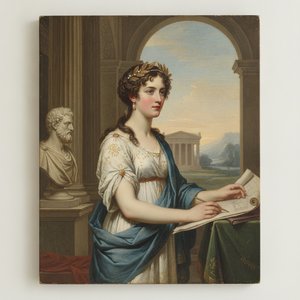
The Revival of Antiquity: Exploring Ideals of Beauty & Power in Neoclassical Portraiture
Explore the captivating world of Neoclassical portraiture! Discover the power & ideals behind masterpieces by David, Girodet & more. Expert analysis, custom reproductions & art appraisal at ArtsDot.
Anne-Louis Girodet: Bridging Neoclassicism & Romanticism with Emotional Truth
Explore the captivating world of Anne-Louis Girodet, a pivotal figure bridging Neoclassicism & Romanticism. Discover his masterpieces and unique artistic vision with ArtsDot.
Vigée Le Brun: Portraiture, Patronage & Feminine Identity in 18th-Century France
Explore the life & art of Louise Élisabeth Vigée Le Brun, Marie Antoinette’s renowned portraitist. Discover her Rococo style, self-portraits, and influence on 18th-century French painting. A deep dive into patronage & feminine identity.
Paul Huet: Capturing the Essence of French Romanticism Through Light and Landscape
Explore the captivating world of Paul Huet (1803-1869), a master of French Romantic landscape painting. Discover his influence on Barbizon & Impressionism, and browse high-quality reproductions at ArtsDot.