 Preview
 Send
Send Share
Share
 Details

 Download
 Similars
 X-Ray
X-Ray Diaporama
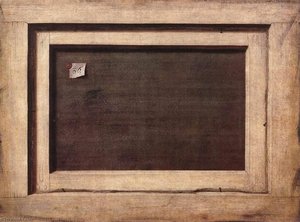
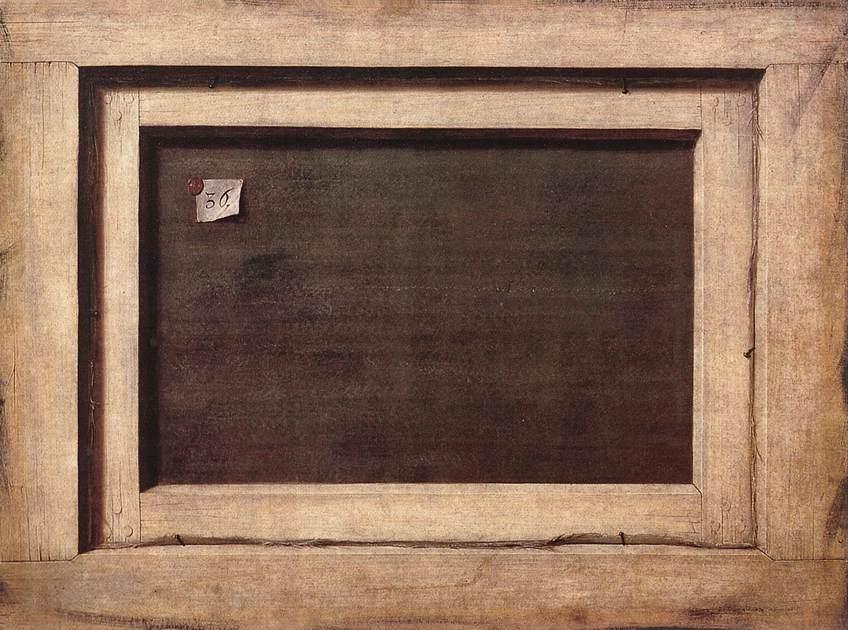
Reverse side of a painting
 Acrylic On Canvas
- WallArt
- Baroque
 1670
1670 66.0 x 86.0 cm
 Statens Museum For Kunst
 Read More
Hand Made Oil Reproduction
Hand-painted oil on canvas in your size and frame, made to order by our artists. ( Buy Print Buy Image)




P118B $10

P118H $10

P118W $10

P438Z $10

P508JH $12

P508YH $12

P805H $10

P805Z $10

P919BZ $10

P919G $10

P919XJ $10

P959ZH $10

P968JZ $12

W106C $8

W218G $10

W218JH $8

W218Y $10

W307PJ $10

W316G $10

W316PJ $8

W316Y $10

W398PJ $8

W4111J $10

W500HY $15

W500JH $15

W692G $12

W849H $8

W940BG $15

W953PJ $8




Pick from our preset sizes that match the artwork's original proportions.

You may enter your own dimensions to fit a specific frame or space. If your selected size does not match the original image's proportions, we will either crop the artwork or extend the painting with additional hand-painted elements. A digital mockup will be sent for your approval before production begins.
Please note that the on-screen preview does not reflect the actual cropping or extension. Only the mockup will accurately show the final composition.
While custom sizes are available, we recommend selecting a dimension from the predefined list to preserve the original proportions.
After order, ArtsDot.com team will email client for instructions and provide a mockup preview
Worldwide Delivery () in 3/4 weeks instead of standard 5 weeks. (20 August). No compromise on quality.

Free Worldwide Express Shipping

High-Quality Linen Canvas

Full Shipping Insurance

Customs Tax Refund Guarantee

True Color Matching Guarantee

60-Day Return Policy (Defects Only)

100% Money-Back Guarantee

Bulk Discount Offer
 Glass option is only available in size under 110 CM

Reverse side of a painting
Reproduction Medium
Reproduction Size
-


Total Price
$ 263
Artwork Description
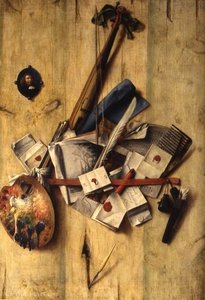
A Glimpse Behind the Illusion: Examining Cornelis Norbertus Gijsbrechts’ “Reverse Side of a Painting”
Cornelis Norbertus Gijsbrechts (1640 – after 1675) remains an artist shrouded in mystery, his biographical details frustratingly incomplete despite producing a remarkable oeuvre characterized by its masterful trompe l'œil technique. Precise information regarding his birthplace is elusive, and accounts of his later life are fragmentary—a paradox that compels scholars to reconstruct his artistic journey with painstaking care. Nevertheless, Gijsbrechts’ legacy endures as one of the foremost practitioners of this innovative genre, cementing his place among the luminaries of the Dutch Golden Age and beyond. This unassuming depiction – a painting of the reverse side of another artwork – offers a fascinating insight into both Gijsbrechts' artistic prowess and the broader cultural preoccupation with illusion and materiality during his time. ### The Technique of Deceptive Reality Gijsbrechts’ signature style is undeniably trompe l'œil, or “fooling the eye.” This technique demanded an extraordinary level of skill and observation from the artist, pushing the boundaries of visual perception. As evidenced by this piece, Gijsbrechts meticulously crafted a surface illusion that convincingly mimics the appearance of wood—specifically, a weathered frame—creating a captivating paradox between what is seen and what actually exists beneath. The subtle variations in tone and texture – achieved through layering thin glazes of paint – expertly simulate the grain pattern and imperfections inherent in aged timber. This painstaking attention to detail underscores Gijsbrechts’ commitment to elevating painting beyond mere representation, transforming it into an immersive experience that engages the viewer's senses. ### Historical Context: Antwerp and the Pursuit of Authenticity Painted circa 1670, “Reverse Side of a Painting” speaks directly to the intellectual currents circulating in seventeenth-century Antwerp—a city renowned for its artistic ferment and burgeoning interest in scientific inquiry. During this period, artists like Gijsbrechts wrestled with questions surrounding perception and representation, challenging viewers to question their assumptions about reality. Trompe l'œil wasn’t merely a stylistic flourish; it represented a deliberate attempt to engage with philosophical debates concerning the nature of illusion and how art could manipulate our understanding of the world. The inclusion of a damaged frame serves as a poignant reminder that even seemingly solid objects conceal hidden complexities, mirroring broader anxieties about appearances versus substance—a theme prevalent in Baroque visual culture. ### Symbolism Beyond Surface Appearance The deliberate depiction of the reverse side transcends mere technical virtuosity; it carries symbolic weight. By presenting an illusionary surface rather than a polished façade, Gijsbrechts subtly critiques the conventions of portraiture and decorative art, where idealized representations often masked underlying realities. The damaged frame itself symbolizes vulnerability and decay—a visual metaphor for mortality—suggesting that beauty is fleeting and that even the most carefully crafted illusions cannot escape the inevitable passage of time. This understated yet profound gesture elevates the artwork beyond a simple imitation of nature, inviting contemplation on themes of illusion, authenticity, and the ephemeral quality of existence. ### Emotional Resonance: Capturing Atmosphere Through Illusion Ultimately, “Reverse Side of a Painting” succeeds in conveying an atmosphere of quiet contemplation and subtle melancholy. The muted palette—dominated by earthy browns and blacks—contributes to this mood, mirroring the weathered texture of the frame and reinforcing the artwork’s preoccupation with materiality. More importantly, however, is Gijsbrechts' masterful manipulation of visual perception. By convincing the viewer that they are observing a genuine wooden surface, he compels them to confront their own assumptions about what constitutes “real” experience—a challenge that resonates powerfully across centuries. This piece stands as testament to Gijsbrechts’ ability to evoke emotion through illusion, cementing his place as one of the most perceptive and innovative artists of his era.Related Artworks
Artist Biography
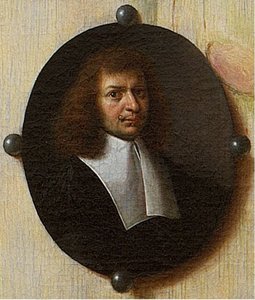
The Architect of Illusion: The Enigmatic Life of Cornelis Norbertus Gijsbrechts
In the grand, sweeping tapestry of the seventeenth century, where the Dutch Golden Age cast its brilliant light across Europe, few artists possessed the power to manipulate reality as profoundly as Cornelis Norbertus Gijsbrechts. An enigmatic figure shrouded in much of the historical mist that clings to the era, Gijsbrechts remains a master of the unexpected. To look upon his work is not merely to view a painting, but to enter into a psychological game with the artist himself—a game where the boundaries between the canvas and the physical world are intentionally blurred. Though precise biographical details regarding his birth and early years remain frustratingly elusive, his presence in the art historical canon is undeniable, marked by a technical virtuosity that sought to deceive the very eye of the beholder.
Born around 1640, likely in the vibrant artistic hub of Antwerp, Gijsbrechts was born into a lineage of visual trickery. It is widely believed that he was heavily influenced by his father, Franciscus Gysbrechts, a painter who also specialized in the delicate art of trompe l'œil. This early immersion in the mechanics of perspective and the subtle interplay of light and shadow provided the foundation for a career defined by optical deception. As he matured, his reputation expanded far beyond the borders of the Spanish Netherlands; his travels and professional engagements took him through Germany, Denmark, and Sweden, eventually leading to his prestigious appointment as a court painter to the Danish royal family. This mobility allowed his unique brand of illusionistic art to permeate the courts of Europe, bringing a sense of wonder and intellectual curiosity to the most refined circles of the age.
Mastery of the Deceptive Surface
The true genius of Gijsbrechts lies in his unparalleled command of trompe l'œil, a genre that demands an almost superhuman attention to detail. Unlike traditional portraiture or landscape painting, which aim to represent a subject, Gijsbrechts aimed to manifest it. He utilized the most sophisticated techniques of his time—layering thin, translucent glazes and mastering the precise physics of light—to create objects that appeared to sit atop the canvas rather than being trapped within it. Whether it was the texture of a weathered wooden frame, the delicate curl of a piece of parchment, or the heavy weight of a hanging wall pouch, his brushwork breathed life into inanimate matter.
His work often intersected with the profound themes of Vanitas, a genre deeply rooted in the seventeenth-century preoccupation with mortality and the fleeting nature of earthly existence. In these compositions, Gijsbrechts would weave together symbols of transience—skulls, extinguished candles, or decaying fruit—with his signature illusions. This created a hauntingly beautiful paradox: while the viewer was mesmerized by the hyper-realistic presence of the objects, they were simultaneously reminded of their own inevitable decay. The technical brilliance of his "tricks" served a higher spiritual purpose, forcing the observer to confront the fragility of perception and the ephemeral nature of life itself.
A Legacy Written in Shadows and Light
The historical significance of Cornelis Norbertus Gijsbrechts extends beyond the mere novelty of his illusions. He was a pioneer who pushed the limits of what oil paint could achieve, transforming the flat surface of a panel into a multidimensional stage. His ability to engage the viewer's senses—triggering a tactile response through purely visual stimuli—remains one of the most sophisticated achievements in Baroque art. Even as scholars continue to piece together the fragmented timeline of his life, his artistic legacy remains vibrant and unshakeable.
To study Gijsbrechts is to appreciate the following contributions to the history of art:
- The Refinement of Trompe l'Oeil: He elevated a niche technique into a sophisticated medium for philosophical inquiry.
- Integration of Vanitas Themes: He successfully merged high-level optical illusion with the profound moralizing traditions of the Dutch and Flemish masters.
- Cultural Influence: Through his service to the Danish court, he acted as a conduit for Flemish stylistic innovations across Northern Europe.
- Exploration of Materiality: His work challenged the very definition of painting, forcing audiences to question the authenticity of their own visual experiences.
Though his life ended sometime after 1675, leaving behind many unanswered questions about his final years, Gijsbrechts left an indelible mark on the art world. He remains a master of the beautiful lie, an artist who used the tools of deception to reveal deeper truths about the human condition and the deceptive nature of reality.
Cornelis Norbertus Gijsbrechts
1640 - 1675
Quick Facts
- Artistic Movement Or Style: Trompe l'œil & Baroque
- Artists Or Movements Influenced By This Artist: ['']
- Artists Who Influenced This Artist: ['Franciscus Gysbrechts']
- Date Of Death: after 1675
- Full Name: Cornelis Norbertus Gijsbrechts
- Nationality: Flemish
- Notable Artworks:
- Still Life with Self Portrait
- Reverse side of a painting
Related Articles

Dutch Masters: 10 Golden Age Paintings That Still Inspire |
Journey into the Dutch Golden Age! Explore 10 iconic paintings by Rembrandt, Vermeer & Hals. Discover the stories behind these Baroque masterpieces and find museum-quality art reproductions to elevate your home decor on .

Golden Age Reflections: Dutch Baroque Painting & Cultural Innovation
Explore the Dutch Golden Age of painting! Discover key artists like Vermeer & ter Borch, their innovative techniques, and the rich cultural context behind these Baroque masterpieces. Learn about collecting & appreciating this iconic art period.

Illuminating Innovation: Exploring the Dutch Golden Age of Painting
Explore the Dutch Golden Age of painting with ArtsDot. Discover Rembrandt, Vermeer & other Masters. Learn about key characteristics, iconic artworks, and lasting influence. Expert insights for collectors & enthusiasts.
Illuminating Realism: Exploring the Dutch Golden Age of Painting (1600-1700)
Explore the Dutch Golden Age of painting (1600-1700) with ArtsDot. Discover Rembrandt, Vermeer & other masters. Learn about techniques, history & find museum-quality reproductions.
Charles Leickert: Capturing the Dutch Golden Age Light – A Comprehensive Study of Technique, Context, and Legacy
Explore the captivating winter landscapes of Charles Leickert, a master of Dutch Golden Age light & atmosphere. Discover his techniques, symbolism, and lasting legacy – a comprehensive study for art enthusiasts and collectors.