

 Preview
 Send
Send Share
Share
 Details

 Download
 Similars
 X-Ray
X-Ray Diaporama
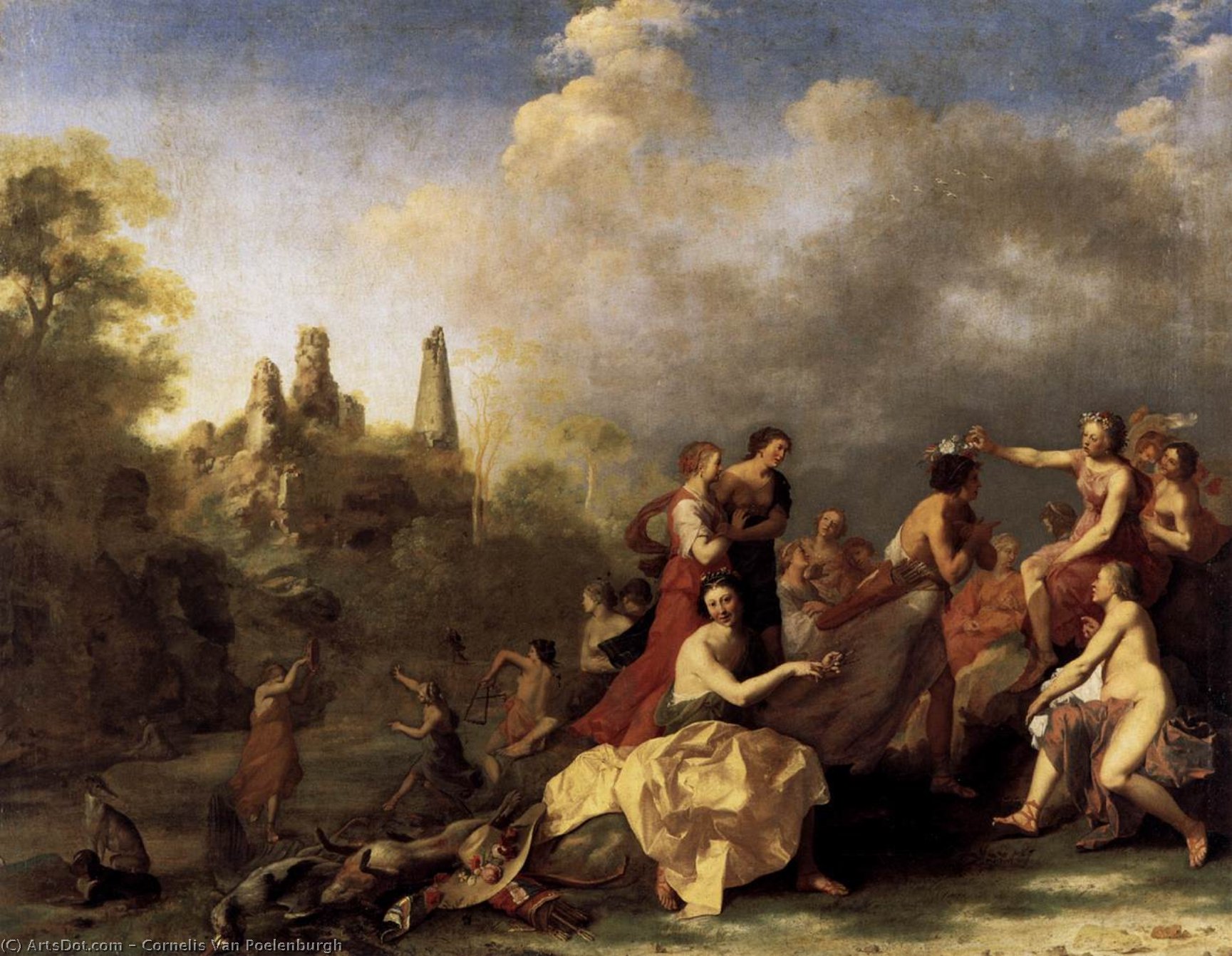
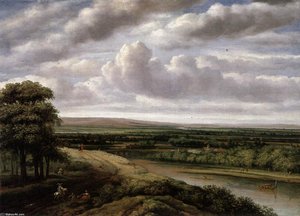
Amaryllis Giving Myrtill the Price
 Oil On Canvas
- WallArt
- Baroque Landscape
 1635
1635 115.0 x 146.0 cm
 Staatliche Museen
 Read More
Purchase a high-resolution, enhanced digital image, far superior to the online preview.
Each file is meticulously prepared by our in-house specialists using advanced tools and expert manual retouching. We ensure every image has exceptional clarity, precise color accuracy, and fine detail.
The final file is delivered via email within 72 hours, optimized for immediate use in professional, editorial, and print environments. This is the same quality trusted by top-tier design studios, publishers, and galleries.
Digital Image
Download a high-resolution file for personal display, printing, and creative projects. ( Buy Print Buy Hand Made Painting)
Included in Every Digital Image Order
Expert Digital Delivery, Guaranteed
When you choose ArtsDot.com, you're not just getting an image - you're receiving a professionally enhanced digital artwork, crafted with precision and backed by a satisfaction guarantee. Here's everything that comes with your order, automatically:

Fast Email Delivery
Your high-resolution digital image file will be emailed to you within 72 hours of ordering - ready for immediate use.

AI-Enhanced Digital File
Your artwork is professionally optimized using advanced AI tools and manual editing, ensuring maximum detail, clarity, and color accuracy.

Free Lifetime Re-Delivery
Accidentally deleted or lost your file? No worries - we'll resend it to you anytime, free of charge.

No Import Fees - Ever
Enjoy your artwork instantly with zero customs, duties, or delivery fees - digital downloads are always tax-free.

Color Accuracy Guarantee
We ensure your digital image reflects the original colors as closely as possible using professional tools and color management.

60-Day Satisfaction Guarantee
If you're not satisfied with your digital image, we'll revise it or refund 100% within 60 days - no questions asked.

100% Money-Back Guarantee
Not satisfied? Get a full refund within 60 days of receiving your digital file - no questions asked.

Bulk Order Discounts
Buy 3 images, save 10% - Buy 5, save 15% - Buy 10+, save 20%. Great for creative projects, galleries, and agencies.
Collectible Description
Cornelis van Poelenburgh’s “Amaryllis Giving Myrtill the Price”: A Dialogue Between Arcadia and Virtue
The painting "Amaryllis Giving Myrtill the Price," executed in 1635 by Cornelis van Poelenburch, stands as a testament to the burgeoning Dutch Golden Age landscape tradition—a movement that sought to elevate genre painting beyond mere depiction of pastoral scenes into vehicles for moral contemplation. More than just capturing a picturesque vista, this artwork engages in a sophisticated symbolic conversation between Arcadia – the idealized realm of shepherds and nymphs – and virtue, represented by Myrtill, who willingly offers herself as tribute to Amaryllis, symbolizing chastity and spiritual devotion. Van Poelenburch’s stylistic approach aligns closely with the Roman landscape painters who preceded him, particularly Andrea Pozzo and Giovanni Battista Piranesi. He employs a meticulous technique characterized by layered glazing—a hallmark of Baroque painting—to achieve remarkable tonal depth and luminosity. The canvas is dominated by a hazy hillside bathed in soft sunlight, punctuated by scattered cypress trees and distant mountains. These elements contribute to an atmosphere of serene grandeur, reflecting the prevailing humanist ideals of his time. Unlike earlier Dutch landscape painters who favored more restrained compositions, Van Poelenburch’s scene pulsates with subtle movement, conveyed through delicately rendered foliage and atmospheric perspective. The composition itself is carefully orchestrated. Amaryllis, positioned centrally on the left side of the canvas, embodies nobility and grace—a figure often associated with divine beauty and moral fortitude. Her gaze directs towards Myrtill, who stands humbly before her, offering a garland of flowers as a gesture of submission. This visual narrative underscores the importance of spiritual purity and selfless devotion within humanist philosophy. The inclusion of mythological figures – Apollo and Diana – subtly reinforces this theme, suggesting that earthly beauty finds its fulfillment in aligning with divine order. Historical Context: Painted during the early 17th century, “Amaryllis Giving Myrtill the Price” reflects the intellectual fervor of the period—a time when artists actively engaged with classical ideals and sought to express moral truths through visual art. The painting’s patronage likely stemmed from wealthy families committed to upholding Christian virtues, aligning perfectly with the artistic sensibilities of the era. It exemplifies the Dutch fascination with reviving Roman grandeur while simultaneously grounding its aesthetic aspirations in humanist ethics. Symbolism: Beyond its formal beauty, the artwork is laden with symbolic significance. The cypress trees represent immortality and remembrance—a poignant reminder of mortality’s inevitable passage. The garland offered by Myrtill symbolizes chastity and spiritual devotion, highlighting the virtues considered paramount during this period. Furthermore, the hazy landscape serves as a metaphor for the human soul—obscured yet illuminated by divine grace. Emotional Impact: Viewing “Amaryllis Giving Myrtill the Price” evokes a profound sense of tranquility and contemplation. The artist’s masterful use of light and color creates an immersive experience that transports the viewer to a timeless realm of pastoral splendor. It speaks to the enduring human desire for beauty, harmony, and moral elevation—themes that continue to resonate with audiences today. This painting is more than just a landscape; it's an invitation to consider the profound relationship between earthly existence and spiritual aspiration.Related Artworks
Artist Biography
early life and training
cornelis van poelenburgh, a prominent dutch landscape painter, was born in utrecht, netherlands in 1594. he initially trained with abraham bloemaert, a renowned artist of the time. this foundational training laid the groundwork for van poelenburch's future success.artistic career and influences
van poelenburch's travels to rome in the early 17th century significantly influenced his work, making him a leading representative of the first generation of dutch landscape painters active in italy. his small-scale paintings, often featuring italianate landscapes with small figures enacting biblical or mythological scenes, showcased his unique style. notable works:- satyrs spying on nymphs (after 1627), a characteristic example of van poelenburch's work, featuring archaic landscapes with figures bathing. (view on ArtsDot)
- council of the gods (c. 1630), a painting showcasing van poelenburch's idealized hilly landscape and roman-inspired goddesses, now housed in the mauritshuis (the hague, netherlands). (view on ArtsDot)
legacy and later life
van poelenburch's work was highly regarded by his contemporaries, including the grand duke of tuscany and the dutch stadholder. he later returned to utrecht, where he passed away in 1667, just a few years after his old teacher abraham bloemaert. key points:- born in utrecht, netherlands in 1594
- trained with abraham bloemaert
- influenced by his time in rome
- known for small-scale italianate landscapes with figures
- died in utrecht in 1667 view cornelis van poelenburch's artworks on ArtsDot learn more about cornelis van poelenburgh on wikipedia
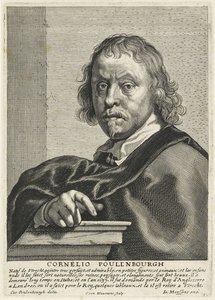
cornelis van poelenburch
1594 - 1667 , Netherlands
Quick Facts
- Artistic Movement Or Style: Dutch Landscape, Romanate
- Artists Or Movements Influenced By This Artist: ['Claude Lorraine']
- Artists Who Influenced This Artist: ['Abraham Bloemaert']
- Date Of Birth: 1594, Utrecht, Netherlands
- Date Of Death: 1667, Utrecht, Netherlands
- Full Name: Cornelis van Poelenburgh
- Nationality: Dutch
- Notable Artworks:
- Satyrs spying on nymphs
- Council of the gods
- Place Of Birth: Utrecht, Netherlands

