 Preview
 Send
Send Share
Share
 Details

 Download
 Similars
 X-Ray
X-Ray Diaporama
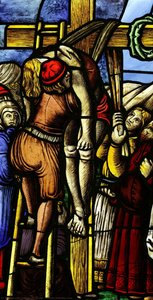
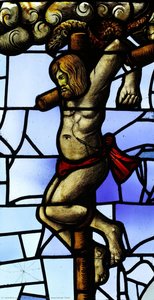
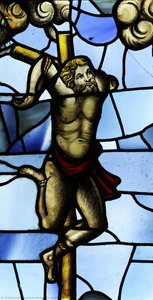
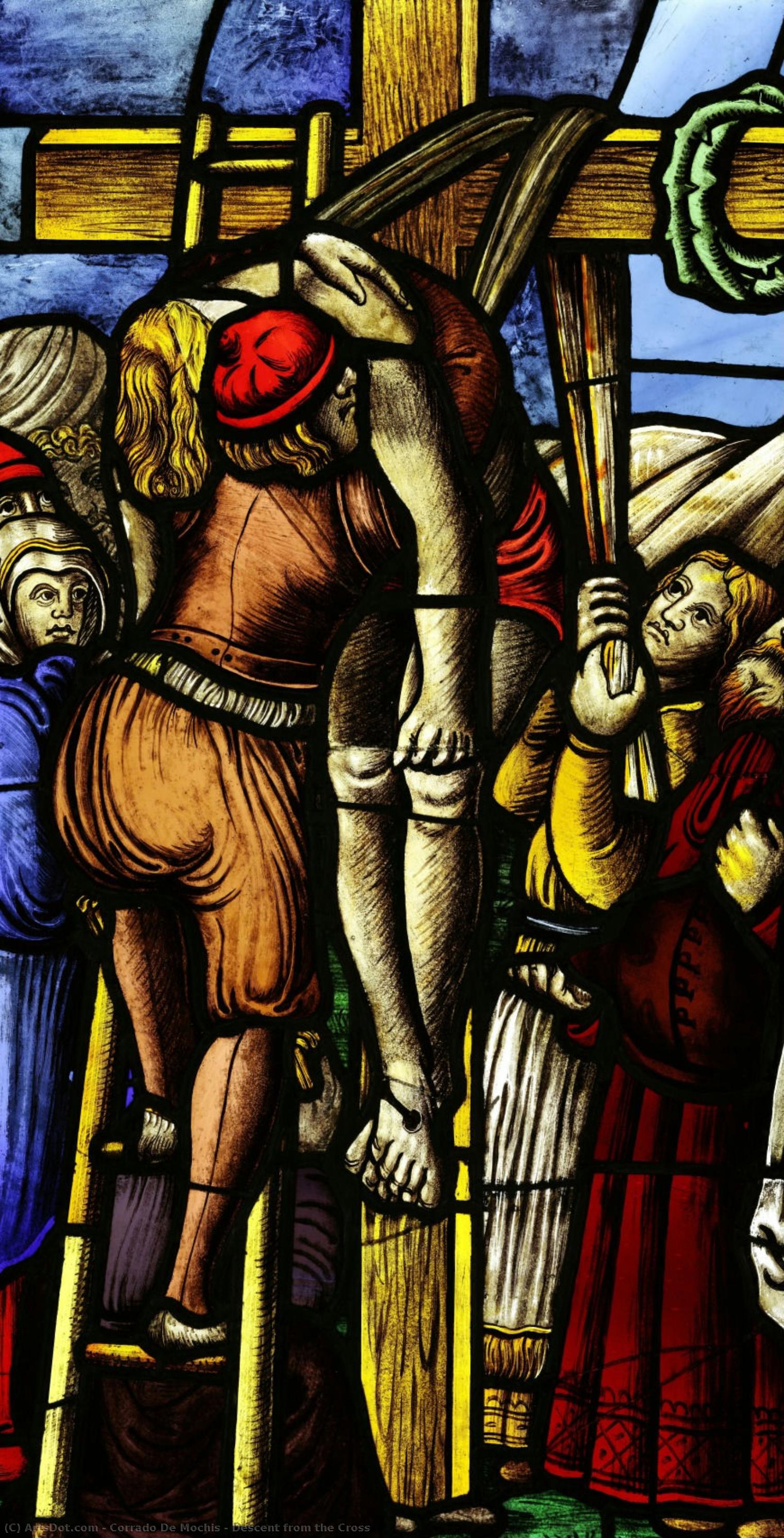
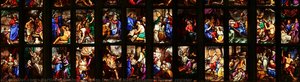
Descent from the Cross
 Acrylic On Canvas
- WallArt
- Italian Renaissance Revival
 5.0 x 62.0 cm
 Veneranda Fabbrica del Duomo di Milano
 Read More
Hand Made Oil Reproduction
Hand-painted oil on canvas in your size and frame, made to order by our artists. ( Buy Print Buy Image)




P118B $10

P118H $10

P118W $10

P438Z $10

P508JH $12

P508YH $12

P805H $10

P805Z $10

P919BZ $10

P919G $10

P919XJ $10

P959ZH $10

P968JZ $12

W106C $8

W218G $10

W218JH $8

W218Y $10

W307PJ $10

W316G $10

W316PJ $8

W316Y $10

W398PJ $8

W4111J $10

W500HY $15

W500JH $15

W692G $12

W849H $8

W940BG $15

W953PJ $8




Pick from our preset sizes that match the artwork's original proportions.

You may enter your own dimensions to fit a specific frame or space. If your selected size does not match the original image's proportions, we will either crop the artwork or extend the painting with additional hand-painted elements. A digital mockup will be sent for your approval before production begins.
Please note that the on-screen preview does not reflect the actual cropping or extension. Only the mockup will accurately show the final composition.
While custom sizes are available, we recommend selecting a dimension from the predefined list to preserve the original proportions.
After order, ArtsDot.com team will email client for instructions and provide a mockup preview
Worldwide Delivery () in 3/4 weeks instead of standard 5 weeks. (17 August). No compromise on quality.

Free Worldwide Express Shipping

High-Quality Linen Canvas

Full Shipping Insurance

Customs Tax Refund Guarantee

True Color Matching Guarantee

60-Day Return Policy (Defects Only)

100% Money-Back Guarantee

Bulk Discount Offer
 Glass option is only available in size under 110 CM

Descent from the Cross
Reproduction Medium
Reproduction Size
-


Total Price
$ 263
Artwork Description
A Testament of Faith: Descent from the Cross by Corrado de Mochis
Corrado de Mochis’s “Descent from the Cross,” painted circa 1540-1550, stands as a poignant emblem of Renaissance artistic fervor and theological contemplation. Born in Cologne during the twilight years of the German Renaissance, De Mochis honed his craft primarily in Milan, where he ascended to prominence as a master glassmaker – a distinction that earned him the moniker ‘arcimboldesque,’ reflecting his signature blend of Germanic precision and Italian exuberance.
- Subject Matter: The painting depicts the agonizing moment following Jesus Christ’s crucifixion—the solemn lowering of His lifeless body from the cross by Nicodemus, José de Arimatea, and Saint John. Mary Magdalene and other women stand vigilantly beside them, their grief palpable as they prepare to shroud the Savior in linen.
- Style: De Mochis’s style embodies the arcimboldesque tradition—characterized by vibrant color palettes, meticulous detail, and a harmonious fusion of geometric forms with organic contours. This stylistic approach distinguishes itself from earlier Gothic traditions, prioritizing clarity and emotional resonance over stylized ornamentation.
- Technique: Executed in oil on panel, De Mochis employed glazing techniques to achieve luminous effects—a hallmark of Renaissance painting—that imbue the scene with an ethereal glow. The artist’s meticulous layering of pigments ensured that every nuance of expression was faithfully reproduced, capturing the profound sorrow and spiritual significance of the event.
Historical Context: Commissioned for the monumental apse window V19 of Milan Duomo—a grand undertaking designed to narrate the Gospels—the panel served as a cornerstone of the cathedral’s visual storytelling program. Its creation coincided with a period of intense religious devotion and artistic innovation, mirroring the broader cultural landscape of Renaissance Italy.
Symbolism: The composition is laden with symbolic references—most notably the cross itself, representing sacrifice and redemption—and the figures of Mary Magdalene and Nicodemus embodying compassion and humility. The birds perched atop the cross are interpreted as emblems of hope and resurrection, reinforcing the overarching theme of divine grace overcoming earthly suffering.
Emotional Impact: “Descent from the Cross” transcends mere visual representation; it compels viewers to confront the profoundest questions of faith and mortality. De Mochis’s masterful rendering captures not only the physical drama of the crucifixion but also its spiritual depth—a testament to the enduring power of art to evoke emotion and inspire contemplation.
Currently housed in the Milan Duomo Museum, this remarkable artwork continues to captivate audiences with its breathtaking beauty and profound theological message. Its reproduction offers a chance to experience the majesty of Renaissance artistry firsthand.
Related Artworks
Artist Biography
Corrado de Mochis: A Fusion of German and Italian Renaissance Glass
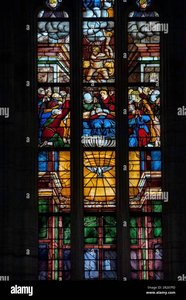
Born in Cologne, Germany, in 1525, Corrado de Mochis (also known as Corrado de’Mochis) emerged as one of the most significant master glassmakers of the late 16th century. His career unfolded primarily in Milan, where he left an indelible mark on the magnificent Milan Cathedral, crafting a series of stained-glass windows that exemplify the dynamic interplay between German and Italian artistic traditions – a style he himself dubbed ‘arcimboldesque.’ De Mochis’s life was tragically cut short in 1569, but his legacy endures through his breathtaking creations, offering a window into the vibrant world of Renaissance art and craftsmanship.
Early Life and Artistic Training: While precise details of de Mochis's formative years remain somewhat elusive, it’s believed he received his initial training in Cologne, a city renowned for its glassmaking heritage. The exact nature of this early education is debated amongst scholars, though many speculate that he was influenced by the established German glass traditions prevalent at the time. However, it was in Milan that de Mochis truly blossomed, immersing himself in the burgeoning artistic scene and absorbing the innovative techniques characteristic of Italian Renaissance art.
The Milan Cathedral: A Masterwork of Collaboration
De Mochis’s most celebrated achievement is undoubtedly his contribution to the stained-glass windows of the Milan Cathedral (Duomo). Commissioned during a period of extensive renovation, he worked alongside a diverse group of artists – including Italian painters and glassmakers – creating a complex and ambitious project that spanned several decades. His involvement was particularly crucial in the northern sections of the cathedral, where his ‘arcimboldesque’ style shone most brilliantly. This distinctive approach blended the meticulous detail and symbolic richness associated with German art with the vibrant color palettes and dynamic compositions favored by Italian masters.
The windows themselves are a testament to de Mochis's technical skill and artistic vision. He employed innovative techniques, such as layering different colored glasses and incorporating intricate leadwork, to achieve remarkable depth and luminosity. The subjects depicted – often biblical scenes and stories of saints – were rendered with an extraordinary level of detail, capturing both the spiritual significance and the beauty of the materials themselves. Notable amongst his work are panels depicting “Stories of Saint James the Great,” a stunning example of his Nordic & Roman style.
An ‘Arcimboldesque’ Style: A Synthesis of Traditions
The term ‘arcimboldesque,’ coined by art historians, perfectly encapsulates de Mochis's unique artistic approach. It refers to a distinctive fusion of German and Italian influences – a synthesis that resulted in stained-glass windows characterized by an extraordinary richness of color, intricate detail, and a dynamic sense of movement. De Mochis skillfully combined the precision and symbolic depth of German glassmaking with the vibrant colors and dramatic compositions associated with Italian Renaissance painting. This blending created a style that was both deeply rooted in tradition and remarkably innovative.
The use of color is particularly noteworthy. De Mochis employed a wide range of pigments, meticulously applied to create luminous hues and subtle gradations. He also experimented with different glass types – including ruby red, sapphire blue, and emerald green – to achieve the desired effects. His work demonstrates a profound understanding of how light interacts with colored glass, transforming the windows into dazzling displays of color and form.
Legacy and Influence
Corrado de Mochis’s influence extended far beyond his own creations. He served as an inspiration for subsequent generations of glassmakers and artists, who continued to develop and refine the ‘arcimboldesque’ style. His work stands as a powerful reminder of the cross-cultural exchange that characterized the Renaissance period – a time when artistic ideas and techniques were freely shared across Europe.
Today, de Mochis's stained-glass windows remain a treasured part of the Milan Cathedral’s collection, attracting visitors from around the world. His legacy is celebrated through reproductions like those offered on platforms such as ArtsDot.com, ensuring that his breathtaking creations continue to inspire and delight audiences for years to come. His work exemplifies the enduring power of art to transcend time and connect us with the artistic achievements of the past.
corrado de mochis
1525 - 1569 , Germany
Quick Facts
- Artistic Movement Or Style: Arcimboldesque
- Artists Or Movements Influenced By This Artist: ['Renaissance art']
- Artists Who Influenced This Artist: ['Italian artists']
- Date Of Birth: 1525 Cologne, Germany
- Date Of Death: 1569 Milan, Italy
- Full Name: Corrado de Mochis
- Nationality: German
- Notable Artworks:
- Stories of Saint James
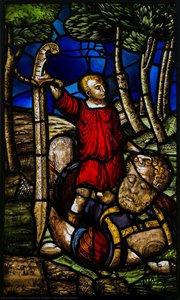
- David and Goliath
- Place Of Birth: Cologne, Germany
Related Articles

Demandes Commerciales
APS ofrece reproducciones de bellas artes y encargos personalizados desde 2004. Confían en nosotros corporaciones, hoteles y coleccionistas selectos para obras de arte de calidad museística, servicio discreto y soluciones artísticas completas. ¡Póngase en contacto con nosotros para obtener un presupuesto personalizado!

Goya's Masterpieces: Explore 25 Iconic Paintings & Art Prints | ArtsDot
Delve into the world of Francisco Goya with ArtsDot. Explore 25 iconic paintings – from 'The Third of May' to his haunting Black Paintings. Discover the stories, techniques & emotions behind these Spanish masterpieces. Find museum-quality art reproductions for your home at ArtsDot.com!

A riguardo di noi
Découvrez notre histoire ! Nous apportons l'art de classe mondiale dans votre vie grâce à une sélection experte, des créations personnalisées et des aperçus gratuits. Approuvé par les particuliers et les entreprises depuis 2000.
Pieter de Hooch: Illuminating Dutch Domestic Life & Golden Age Charm
Explore the captivating world of Pieter de Hooch, a master of Dutch Golden Age painting. Discover his innovative use of light, intimate domestic scenes, and lasting influence on art history. Learn more at ArtsDot.

Águeda Ruiz de la Prada: A Study of Eclecticism & Emotional Resonance in Contemporary Spanish Painting
Discover the vibrant world of Ágatha Ruiz de la Prada, a leading figure in contemporary Spanish art. Explore her eclectic style, emotional depth & legacy – a must-read for discerning collectors.