 Preview
 Send
Send Share
Share
 Details

 Download
 Similars
 X-Ray
X-Ray Diaporama
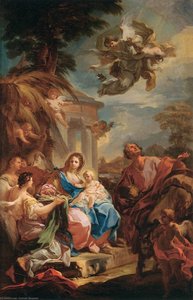
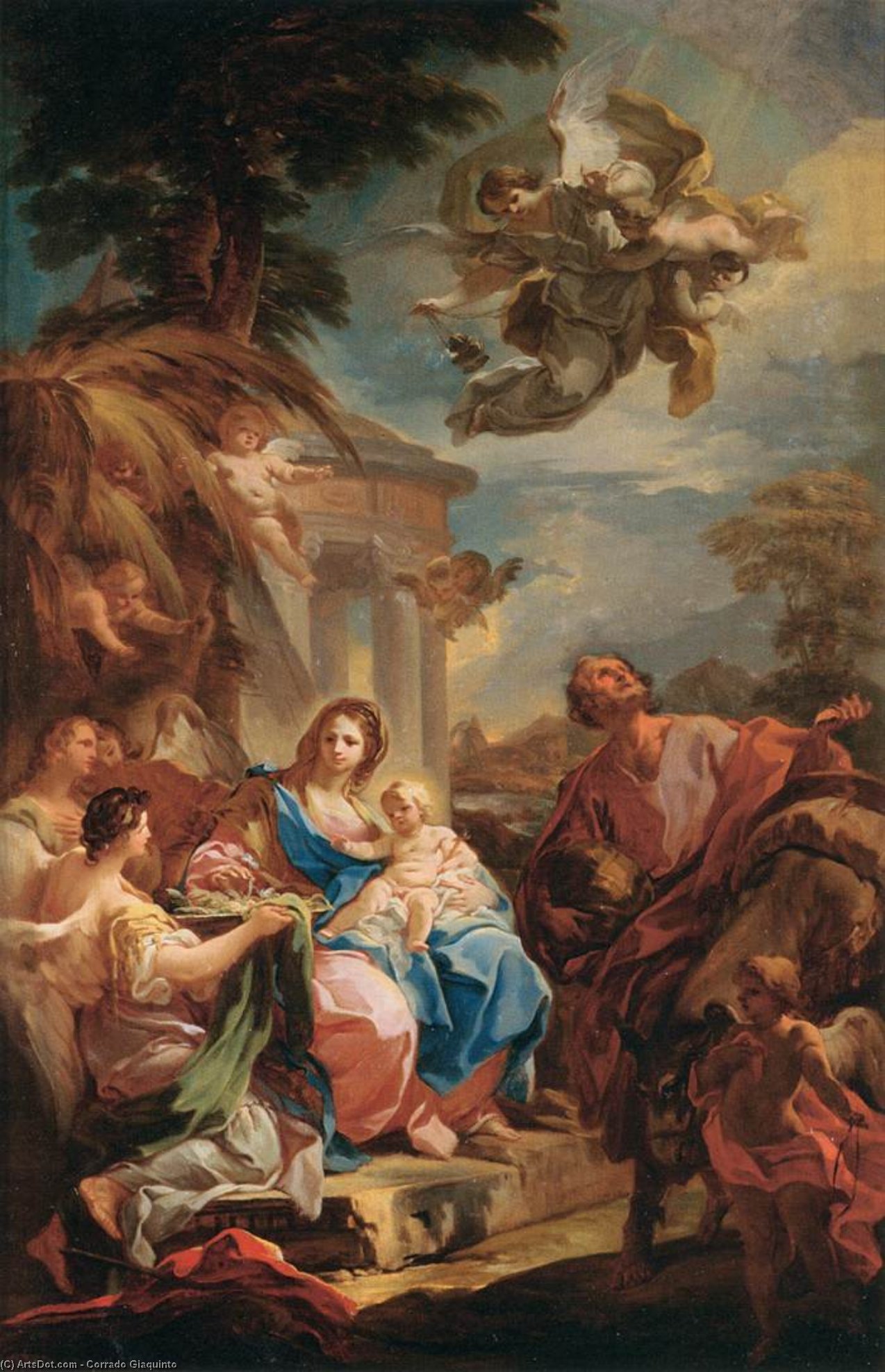
Rest on the Flight into Egypt
 Oil On Canvas
- WallArt
- Baroque
 1740
1740 98.0 x 63.0 cm
 The Louvre
 Read More
Hand Made Oil Reproduction
Hand-painted oil on canvas in your size and frame, made to order by our artists. ( Buy Print Buy Image)




P118B $10

P118H $10

P118W $10

P438Z $10

P508JH $12

P508YH $12

P805H $10

P805Z $10

P919BZ $10

P919G $10

P919XJ $10

P959ZH $10

P968JZ $12

W106C $8

W218G $10

W218JH $8

W218Y $10

W307PJ $10

W316G $10

W316PJ $8

W316Y $10

W398PJ $8

W4111J $10

W500HY $15

W500JH $15

W692G $12

W849H $8

W940BG $15

W953PJ $8




Pick from our preset sizes that match the artwork's original proportions.

You may enter your own dimensions to fit a specific frame or space. If your selected size does not match the original image's proportions, we will either crop the artwork or extend the painting with additional hand-painted elements. A digital mockup will be sent for your approval before production begins.
Please note that the on-screen preview does not reflect the actual cropping or extension. Only the mockup will accurately show the final composition.
While custom sizes are available, we recommend selecting a dimension from the predefined list to preserve the original proportions.
After order, ArtsDot.com team will email client for instructions and provide a mockup preview
Worldwide Delivery () in 3/4 weeks instead of standard 5 weeks. (16 August). No compromise on quality.

Free Worldwide Express Shipping

High-Quality Linen Canvas

Full Shipping Insurance

Customs Tax Refund Guarantee

True Color Matching Guarantee

60-Day Return Policy (Defects Only)

100% Money-Back Guarantee

Bulk Discount Offer
 Glass option is only available in size under 110 CM

Rest on the Flight into Egypt
Reproduction Medium
Reproduction Size
-


Total Price
$ 413
Artwork Description
A Baroque Moment of Grace: Corrado Giaquinto’s “Rest on the Flight into Egypt”
Corrado Giaquinto's "Rest on the Flight into Egypt," painted in 1740, isn’t merely a depiction of a biblical scene; it’s a carefully orchestrated tableau of serenity and divine protection. This oil painting, measuring a substantial 98 x 63 cm, transports us to a moment of respite within the perilous journey of Mary, Joseph, and the infant Jesus into Egypt – a narrative steeped in both danger and profound faith. Giaquinto, a pivotal figure bridging the styles of Solimena and Giordano, masterfully blends their influences, creating an image that is simultaneously dynamic and deeply contemplative.
The composition immediately draws the eye to the central figures: Mary, seated gracefully with her child, exudes a quiet dignity. Joseph, positioned slightly behind them, appears absorbed in gathering firewood – a subtle detail suggesting his role as protector and provider, grounding the scene in earthly realities while acknowledging the divine intervention at play. The landscape itself is crucial; it’s not simply a backdrop but an active participant in the narrative. Rolling hills, dotted with trees and culminating in a distant classical temple, establish a sense of vastness and timelessness, mirroring the enduring nature of their faith.
The Language of Baroque: Light, Shadow, and Dramatic Detail
Giaquinto’s technique is firmly rooted in the Baroque tradition. The use of tenebrism – a dramatic contrast between light and shadow – dominates the scene. Strong highlights illuminate the faces and clothing of the figures, while deeper shadows create volume and depth, lending a theatrical quality to the composition. This isn't a gentle, idealized portrayal; it’s imbued with a palpable sense of drama and movement. The brushstrokes are visible, adding texture and richness to the fabrics and foliage, demonstrating Giaquinto’s meticulous attention to detail.
The color palette is rich and warm, dominated by reds, golds, and blues – colors associated with royalty, divinity, and stability. These hues contribute to the painting's overall sense of grandeur and importance. The architectural elements, particularly the temple in the background, are rendered with precision and clarity, anchoring the scene within a classical framework while simultaneously hinting at a higher spiritual realm.
Symbolism and Spiritual Resonance
Beyond its aesthetic beauty, “Rest on the Flight into Egypt” is laden with symbolism. The angel hovering above Mary represents divine grace and protection – a constant reassurance amidst the dangers of their journey. The scene itself embodies themes of humility, faith, and family unity. It’s a reminder that even in times of adversity, there is always hope and guidance to be found. The inclusion of Joseph gathering firewood subtly reinforces the idea of earthly responsibility alongside spiritual devotion.
Furthermore, the painting resonates with echoes of the Exodus narrative – the story of Israel's liberation from slavery. Just as Moses led his people out of Egypt, Jesus is being delivered from Herod’s murderous intent. This parallel elevates the scene to a broader level of significance, suggesting that the flight into Egypt represents a new exodus, a deliverance orchestrated by God himself. The distant temple, reminiscent of Roman architecture, can be interpreted as a symbol of divine authority and permanence.
A Legacy of Beauty: Giaquinto’s Enduring Influence
Corrado Giaquinto's "Rest on the Flight into Egypt" stands as a testament to his artistic skill and his ability to capture both the drama and the serenity of this pivotal biblical narrative. His masterful use of Baroque techniques, combined with a profound understanding of symbolism and emotional resonance, has ensured that this painting continues to captivate viewers centuries after its creation. Reproductions of this work offer a window into a world of beauty, faith, and timeless storytelling – a perfect addition to any art collection or interior space.
Related Artworks

Artist Biography
The Luminous Legacy of Corrado Giaquinto
In the grand tapestry of eighteenth-century European art, few threads shimmer with as much grace and ethereal light as those woven by Corrado Giaquinto. A true master of the Rococo era, Giaquinto possessed a rare ability to bridge the heavy, dramatic shadows of the Neapolitan Baroque with the airy, pastel elegance that would define the mid-century aesthetic. Born in Molfetta, Italy, in 1703, his journey from a provincial apprentice to one of the most sought-after painters in Europe is a testament to a talent that could harmonize the monumental with the delicate.
Giaquinto’s artistic DNA was formed within the prestigious workshops of Naples, where he first learned the rigors of craftsmanship under Saverio Porta. However, it was his immersion in the studio of Francesco Solimena that provided him with a foundational mastery of theatrical grandeur and meticulous realism. Under Solimena’s watchful eye, Giaquinto absorbed the gravity of the Baroque tradition, learning how to command space and use light to evoke profound religious devotion. Yet, the young artist was never content to remain in the shadow of his mentor; he possessed an innate restlessness that drove him toward new horizons.
The movement of his soul toward Rome in 1723 marked a transformative era in his development. In the vibrant Roman art scene, Giaquinto encountered the spirited influence of Luca Giordano and the refined elegance of Sebastiano Conca. While Solimena had taught him structure and weight, Giordano offered a vision of expressive dynamism and emotional intensity. This encounter allowed Giaquinto to soften his palette, introducing a luminous, almost translucent quality to his brushwork that would become his signature. He began to move away from the somber tones of the previous century, embracing a brighter, more rhythmic approach to composition that breathed life into every canvas.
A Career of Grandeur and Devotion
As his reputation ascended, Giaquinto’s work transcended borders, leading him to undertake some of the most prestigious commissions of the age. His skill as a decorator and storyteller was most vividly realized in his monumental frescoes, where he transformed architectural spaces into celestial visions. The breathtaking works adorning San Lorenzo in Damaso and Santa Croce in Gerusalemme serve as enduring testaments to his ability to manipulate scale and light, creating immersive environments that draw the viewer upward toward the divine.
His achievements were not confined to the Italian peninsula; his artistry resonated deeply within the courts of Europe. One of his most celebrated triumphs was the creation of the altarpiece of Saint John Nepomuk for St Mary Major Cathedral in Prague. This work, along with his various international engagements, solidified his status as a pan-European figure capable of speaking the universal language of beauty and faith. Through his brush, the heavy textures of the Baroque were transmuted into the light, dancing strokes of the Rococo, leaving behind a legacy that continues to enchant those who seek the sublime in art.
The historical significance of Corrado Giaquinto lies in his role as a stylistic bridge. He did not merely follow trends; he synthesized them. By blending the following elements, he created a unique aesthetic language:
- Solimena’s Foundation: The structural integrity and dramatic weight of Neapolitan tradition.
- Giordano’s Vitality: An infusion of movement, speed, and emotional spontaneity.
- Rococo Luminosity: A sophisticated use of light and pastel tones that captured the elegance of the 18th century.
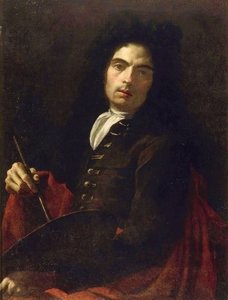
Corrado Giaquinto
1703 - 1765 , Italy
Quick Facts
- Artistic Movement Or Style: Rococo
- Artists Or Movements Influenced By This Artist:
- Francesco De Mura
- Giuseppe Bonito
- Artists Who Influenced This Artist:
- Francesco Solimena
- Luca Giordano
- Date Of Birth: February 8, 1703
- Date Of Death: April 18, 1766
- Full Name: Corrado Giaquinto
- Nationality: Italian
- Notable Artworks:
- Nativity
- The Martyr of St Laurent
- Place Of Birth: Molfetta, Italy
Related Articles

The Dramatic Flourish: Exploring the Baroque Movement's Enduring Legacy in Art History
Explore the dramatic world of Baroque art! Discover iconic artists like Caravaggio & Rubens, defining techniques, and its lasting impact on art history. Expert insights for collectors & enthusiasts at ArtsDot.

Baroque Drama: Bringing Opulence & Emotion into Contemporary Interiors
Explore the opulent world of Baroque interior design! Discover key elements, modern applications & how to bring dramatic elegance into your home with 's authentic reproductions.

Baroque Masterpieces: 10 Paintings That Defined an Era |
Journey through the drama & grandeur of Baroque art! Explore 10 masterpieces by Caravaggio, Rembrandt, Rubens & more. Discover stunning oil paintings, rich colors & timeless stories. Find museum-quality reproductions at .

The Visceral Stage: Exploring Dramatic Narratives & Emotional Intensity in Baroque Art
Explore the dramatic world of Baroque art! Discover iconic masters like Caravaggio & Rembrandt, their techniques, and the movement's lasting impact. Expert insights for collectors & enthusiasts at ArtsDot.
Theatricality & Triumph: Baroque Drama in Painting & Sculpture
Explore the dramatic world of Baroque art! Discover its history, defining characteristics, & lasting influence on painting & sculpture. Expert insights into Caravaggio, Zurbarán, and Bernini – plus high-quality reproductions at ArtsDot.