 Send
Send Share
Share
 Details

 Download
 Similars
 Diaporama
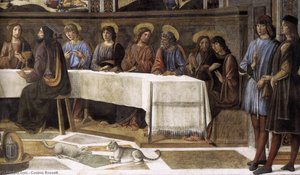
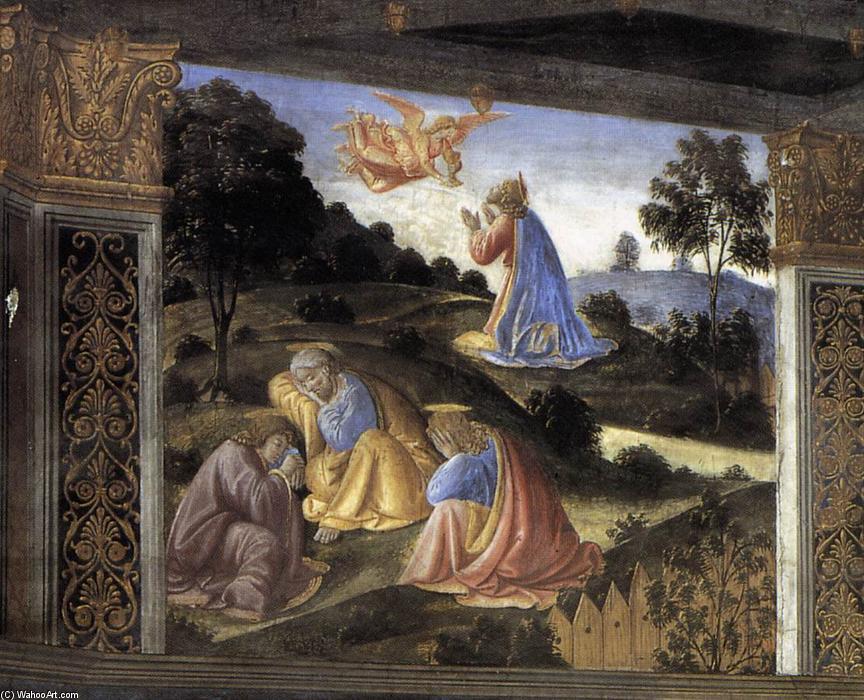
The Last Supper (detail) (8)


 Read More
Giclée / Art Print
Museum-quality giclée or canvas print with fast production and flexible finish options. ( Buy Hand Made Painting Buy Image)




































Pick from our preset sizes that match the artwork's original proportions.

You may enter your own dimensions to fit a specific frame or space. If your selected size does not match the original image's proportions, we will either crop the artwork or extend the image with a mirrored or solid-fill edge. A digital mockup will be sent for your approval before production begins.
Please note that the on-screen preview does not reflect the actual cropping or extension. Only the mockup will accurately show the final composition.
While custom sizes are available, we recommend selecting a dimension from the predefined list to preserve the original proportions.
Worldwide Delivery () in 2 weeks instead of standard 4/5 weeks. (21 August)

Free Worldwide Express Shipping

High-Quality Linen Canvas

Full Shipping Insurance

Customs Tax Refund Guarantee

True Color Matching Guarantee

60-Day Return Policy (Defects Only)

100% Money-Back Guarantee

Bulk Discount Offer
 Glass option is only available in size under 110 CM

The Last Supper (detail) (8)
Giclée / Art Print
Reproduction Size
-


Total Price
$ 63
Collectible Description
A Masterpiece of Faith and Form: Cosimo Rosselli’s ‘The Last Supper’
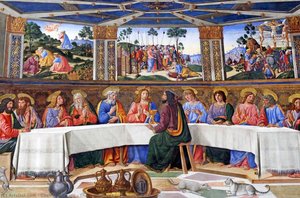
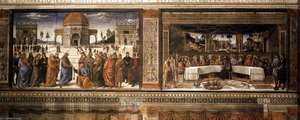
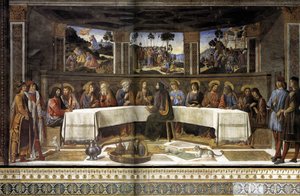
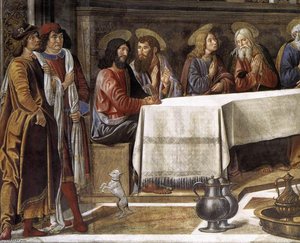
Cosimo Rosselli's “The Last Supper,” completed in 1481-82 during the High Renaissance, stands as one of the most iconic depictions of Christianity. More than just a painting; it’s a testament to artistic innovation and spiritual contemplation—a scene meticulously rendered by Rosselli and his collaborators within the grandeur of Michelangelo's Sistine Chapel.
The Artist’s Legacy: Florentine Roots, Roman Commission
Born around 1439 in Florence, Cosimo Rosselli emerged from a family steeped in mercantile tradition—a formative experience that instilled him with an appreciation for precision and detail. Unlike many artists of his era who honed their skills early on, Rosselli’s artistic journey began later, around twenty, under the tutelage of Domenico Ghirlandaio. This influential apprenticeship fostered a mastery of linear perspective and vibrant color palettes, shaping his distinctive style—a style characterized by luminous hues and masterful draughtsmanship.
A Symphony of Color and Composition
Rosselli’s genius shone through in “The Last Supper,” where he skillfully employed color to heighten the drama. Dominating the fresco's palette are earthy tones – ochre, umber, and Sienna – juxtaposed against brilliant blues and reds used for the apostles’ robes. This deliberate choice wasn’t merely aesthetic; it served to amplify the emotional intensity of the scene—a visual echo of the biblical narrative itself. The composition is equally impressive: Rosselli positioned Jesus at the center, surrounded by his disciples in two groupings, drawing the viewer's gaze directly to this pivotal figure.
Symbolism Woven into Every Detail
Beyond its technical brilliance, “The Last Supper” overflows with symbolism. The loaf of bread and cup of wine represent the Eucharist—the sacrament commemorating Jesus’ sacrifice—a central element of Christian faith. Rosselli's meticulous depiction of gestures and facial expressions captures the apostles’ reactions to Jesus’ announcement of betrayal—shock, disbelief, and contemplation—reflecting the profound spiritual significance of the moment.
A Window into Renaissance Rome
The fresco is framed by architectural elements typical of Renaissance art – columns and arches – further emphasizing its monumental scale. Rosselli's contribution to the Sistine Chapel cycle wasn’t merely decorative; it was a deliberate effort to reaffirm papal authority and celebrate Christian dogma. “The Last Supper” remains an enduring symbol of faith, artistic achievement, and the transformative power of visual storytelling—a masterpiece that continues to inspire awe and admiration centuries later.
Related Artworks
Artist Biography
A Florentine Hand in Rome: The Life and Art of Cosimo Rosselli
Cosimo Rosselli, born around 1439 in the vibrant heart of Florence, emerged from a family of established merchants—a background that afforded him a stable upbringing and access to the burgeoning cultural life of the Renaissance. Unlike many artists who began their training in youth, Rosselli’s artistic journey commenced relatively late, around the age of twenty. He entered the workshop of Domenico Ghirlandaio, a leading figure in Florentine painting renowned for his masterful frescoes and exquisitely detailed altarpieces. This environment was not merely an apprenticeship; it was immersion into a bustling hub of creativity where numerous assistants contributed to a constant stream of commissions. Here, Rosselli absorbed the fundamentals of drawing, composition, and the meticulous techniques that would define his early style. Ghirlandaio’s influence was profound, instilling in him a linear precision, a vibrant palette, and a narrative clarity that characterized much of his work. Yet, even within this formative period, Rosselli began to demonstrate an individual sensibility, subtly absorbing elements from earlier masters like Masaccio and Fra Angelico—artists who had already revolutionized the depiction of space, light, and emotion in painting.The Sistine Chapel and a Moment of Papal Favor
A pivotal moment arrived in 1481 when Rosselli received an invitation to participate in the monumental fresco cycle decorating the walls of the Sistine Chapel in Rome. This commission, alongside such luminaries as Pietro Perugino and Sandro Botticelli, marked a significant turning point in his career, catapulting him onto an international stage. The overarching theme of these frescoes was a carefully constructed parallel between the stories of Moses and Christ—a deliberate attempt to legitimize papal authority and underscore the continuity of divine law. Rosselli’s contributions focused on scenes from the Life of Jesus, showcasing his ability to translate complex narratives into visually compelling compositions. While later accounts, notably those penned by Giorgio Vasari, portrayed him as one of the less gifted artists involved in the project—subject even to ridicule from his peers—it is recorded that his bold use of color and generous application of gold leaf particularly pleased Pope Sixtus IV himself. This papal favor suggests a keen understanding of decorative effect and an ability to cater to the tastes of his patron, qualities essential for success in the competitive world of Renaissance art. His *Last Supper* within the chapel remains a testament to this period, displaying a dynamic composition and attention to detail that reveals his growing mastery.Florentine Commissions and a Developing Style
Upon returning to Florence from Rome, Rosselli continued to receive a steady flow of commissions for altarpieces, frescoes, and panel paintings. His mature style blossomed during this period, characterized by refined compositions, elegant figures, and increasingly detailed landscapes. He retained the linear precision and vibrant colors he had learned from Ghirlandaio but began to incorporate elements of Perugino’s more graceful and harmonious aesthetic. Notable works from this time include frescoes for the Santissima Annunziata church—a significant commission that allowed him to showcase his evolving style on a grand scale—and numerous altarpieces adorning chapels throughout Florence. Rosselli developed a distinctive approach to depicting religious scenes, emphasizing human emotions and interactions while maintaining an atmosphere of reverence and piety. He possessed a talent for portraying the psychological states of his figures, imbuing them with a sense of inner life that resonated with contemporary audiences. The inclusion of contemporary portraits within his biblical narratives also added a layer of realism and engagement, connecting the sacred stories to the everyday lives of those who viewed them.Legacy and Historical Significance
Cosimo Rosselli continued working diligently throughout the early 16th century, securing commissions from prominent Florentine families and religious institutions. However, as new artistic stars rose—Raphael and Michelangelo foremost among them—his prominence gradually diminished. He passed away in Florence around 1520, leaving behind a body of work that reflects his skill as a painter and his dedication to depicting religious themes with clarity and elegance. Today, Rosselli is remembered as a skilled Florentine artist who played an important role in the development of Renaissance art. His participation in the Sistine Chapel frescoes helped solidify Florence’s position as a leading center of artistic innovation, and his own works demonstrate his ability to synthesize diverse influences into a distinctive and refined style. While perhaps not achieving the same level of fame as some of his contemporaries, Cosimo Rosselli's contributions remain significant—a testament to his talent, dedication, and enduring legacy within the rich tapestry of Renaissance art.Influences and Artistic Development
- Early Foundations: Domenico Ghirlandaio’s workshop provided Rosselli with a crucial foundation in painting techniques and compositional principles, shaping his early aesthetic sensibilities.
- Roman Experience: Working alongside other leading Renaissance artists in the Sistine Chapel exposed him to new styles and approaches, broadening his artistic horizons and influencing his later work. The collaborative environment fostered an exchange of ideas and a heightened awareness of contemporary trends.
- Perugino’s Grace: Pietro Perugino's graceful style and harmonious compositions exerted a noticeable influence on Rosselli’s artistic development, encouraging him to refine his figures and create more balanced arrangements.
- Echoes of the Past: He absorbed elements from earlier masters like Masaccio and Fra Angelico, incorporating their innovations—such as realistic depictions of space and emotional expression—into his own distinctive style. This demonstrates a deep understanding of art history and a willingness to learn from those who came before him.
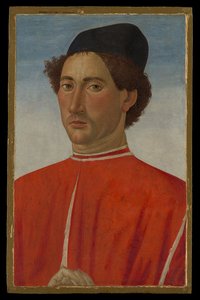
Cosimo Rosselli
1439 - 1507 , Italy
Quick Facts
- Artistic Movement Or Style: Early Renaissance
- Artists Who Influenced This Artist:
- Domenico Ghirlandaio
- Masaccio
- Fra Angelico
- Perugino
- Date Of Birth: 1439
- Date Of Death: 1507
- Full Name: Cosimo Rosselli
- Nationality: Italian
- Notable Artworks: ['The Last Supper (detail)']
- Place Of Birth: Florence, Italy
Related Articles

The Fresco as Family Legacy: Preserving Heritage Through Wall Art
Explore the rich history & enduring legacy of fresco painting. Discover how to preserve family heritage through stunning wall art. Expert insights & restoration guidance.

Giclée Prints: Archival Quality & Aesthetic Nuances for the Discerning Collector
Explore the world of giclée prints with ArtsDot. Learn about archival quality, aesthetic nuances & investment potential. Expert guidance for discerning art collectors seeking museum-quality reproductions and lasting value.

The Enduring Legacy of Fresco Painting: Techniques, History & Contemporary Relevance
Explore the rich history & enduring artistry of fresco painting – from Giotto to Michelangelo! Discover techniques, conservation efforts, & modern applications. Learn how ArtsDot brings this timeless art form to your home.

The Enduring Legacy of Fresco: Technique, History & Artistic Expression Across Cultures
Explore the rich history & enduring legacy of fresco painting! Discover ancient techniques, Giotto's masterpieces, and modern applications. Expert insights for art lovers & professionals.
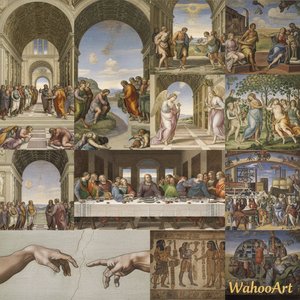
Fresco's Finest: 10 Masterpieces That Define Art History | ArtsDot
Journey through art history with our Top 10 Fresco Masterpieces! Explore Michelangelo, Raphael & Giotto's iconic works. Find museum-quality reproductions and elevate your home decor at ArtsDot.com.