 Preview
 Send
Send Share
Share
 Details

 Download
 Similars
 X-Ray
X-Ray Diaporama
 Stats
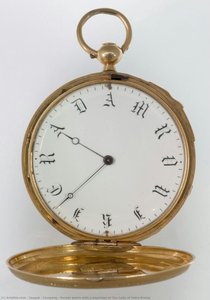
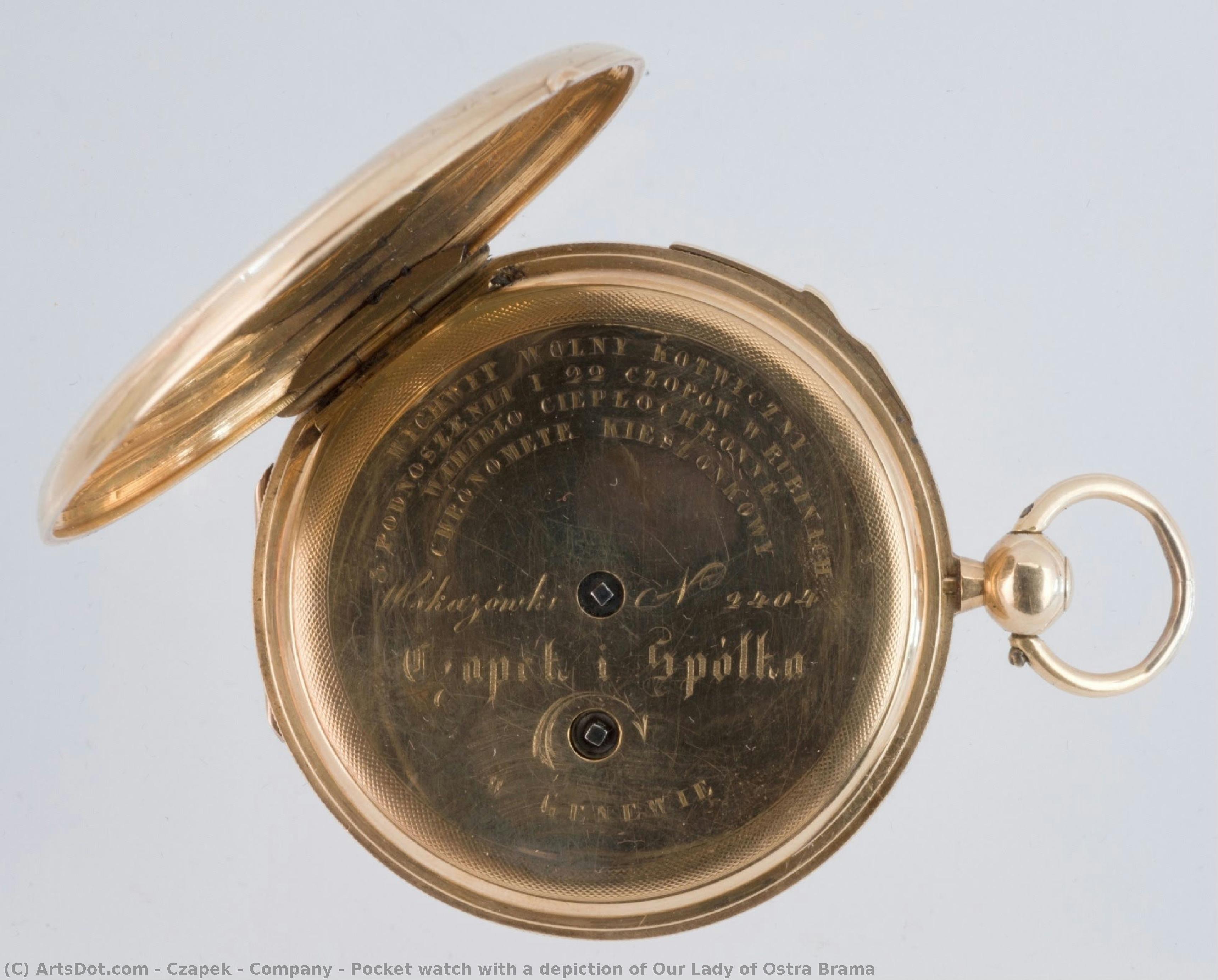
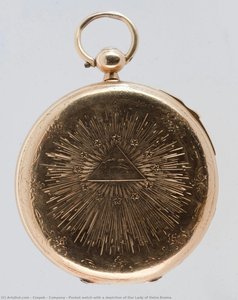
StatsPocket watch with a depiction of Our Lady of Ostra Brama


 Read More
Hand Made Oil Reproduction
Hand-painted oil on canvas in your size and frame, made to order by our artists. ( Switch to Print Switch to Digital Image)




































Pick from our preset sizes that match the artwork's original proportions.

You may enter your own dimensions to fit a specific frame or space. If your selected size does not match the original image's proportions, we will either crop the artwork or extend the painting with additional hand-painted elements. A digital mockup will be sent for your approval before production begins.
Please note that the on-screen preview does not reflect the actual cropping or extension. Only the mockup will accurately show the final composition.
While custom sizes are available, we recommend selecting a dimension from the predefined list to preserve the original proportions.
After order, ArtsDot.com team will email client for instructions and provide a mockup preview
Worldwide Delivery () in 3/4 weeks instead of standard 5 weeks. (9 September). No compromise on quality.

Free Worldwide Express Shipping

High-Quality Linen Canvas

Full Shipping Insurance

Customs Tax Refund Guarantee

True Color Matching Guarantee

100-Day Return Policy (Defects Only)

100% Money-Back Guarantee

Bulk Discount Offer
 Glass option is only available in size under 110 CM

Pocket watch with a depiction of Our Lady of Ostra Brama
Reproduction Medium
Reproduction Size
-


Total Price
$ 263
Related Artworks
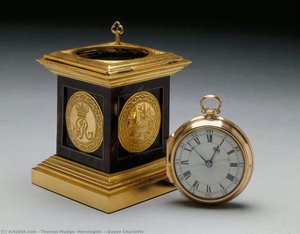
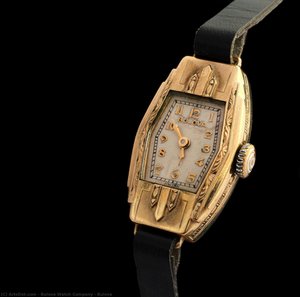
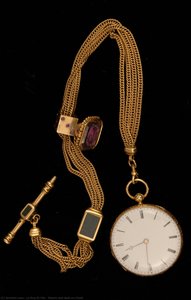
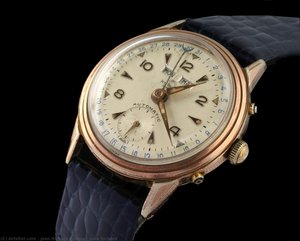
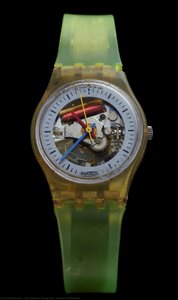
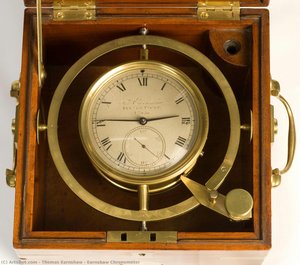

Artist Biography
The Enduring Legacy of François Czapek: A Pioneer of Polish Watchmaking
The name François Czapek resonates today with a quiet prestige, evoking images of meticulously crafted timepieces and a dedication to horological excellence. Yet, the story behind this esteemed watchmaker is one steeped in political upheaval, artistic partnership, and ultimately, an independent spirit that continues to inspire collectors and artisans alike. Born František Čapek on April 4th, 1811, in Semonice, Bohemia (modern-day Czech Republic), his journey from a soldier’s life to becoming a celebrated *Horloger de la Cour Impériale* – watchmaker to the Imperial Court of Napoleon III – is a testament to both skill and resilience. His early life was marked by participation in the Polish November Uprising, a rebellion against Russian rule that instilled within him a sense of national pride and perhaps, a desire for freedom that would later manifest in his professional pursuits.
In 1832, Čapek sought refuge in Geneva, Switzerland, a city already renowned as a hub for watchmaking innovation. It was here he adopted the French spelling of his name, François Czapek, and began to forge his path within the intricate world of clockwork. He quickly established himself as a master craftsman, demonstrating an exceptional talent for *finissage* – the delicate art of finishing movements – and a keen eye for design. In 1834, he entered into partnership with local Swiss watchmaker Moreau, forming Czapek & Moreau. This collaboration proved successful, laying the groundwork for his most significant venture.
The Patek, Czapek & Cie Partnership: A Foundation of Excellence
October 22nd, 1836, marked a pivotal moment in Czapek’s career with his marriage to Marie Gevril de Carouge, daughter of a respected clock- and watchmaker. This union not only provided personal happiness but also strengthened his connections within the Geneva horological community. However, it was the partnership established on May 1st, 1839, with Antoni Patek that truly cemented Czapek’s reputation. Together they founded Patek, Czapek & Cie., a firm dedicated to producing watches of exceptional quality and aesthetic refinement. This collaboration flourished for six years, creating timepieces coveted by the elite. The partnership was characterized by a clear division of labor: Patek focused on sales and business development, while Czapek oversaw the intricate work of watchmaking itself. Approximately 200 watches were produced annually, each reflecting the combined expertise of the two founders.
The watches created during this period are now highly sought after by collectors, representing a golden age in horological craftsmanship. They showcase innovative designs and meticulous attention to detail, establishing a standard that would influence watchmaking for generations to come. The firm employed several Polish craftsmen, fostering a sense of community and shared heritage within the workshop.
Independence and Imperial Recognition: Czapek & Cie (1845)
In 1845, the partnership between Patek and Czapek dissolved, leading to the formation of two distinct legacies – Patek Philippe, which would become one of the world’s most prestigious watch brands, and Czapek & Cie., reborn under François Czapek's sole direction. Partnering with Juliusz Gruzewski, a close friend of Emperor Napoleon III, Czapek established a new atelier in Geneva and opened shops in Paris (Place Vendôme 28, established 1850) and Warsaw (established 1854). This strategic alliance proved fruitful; Czapek was soon appointed *Fournisseur de la cour* – watchmaker to the Imperial Court of Napoleon III. His clientele expanded to include prominent figures such as Khedive Ismail Pasha of Egypt and members of the House of Golitsyn.
Czapek’s watches during this period were characterized by a distinctive aesthetic, notably featuring unusual dial layouts with subdials positioned at 4:30 and 7:30. He also authored *Słów kilka o Zegarmistrzowstwie ku użytku zegarmistrzów i publiczności* – Remarks on the watchmaking for the use of the watchmakers and the public – the first book on watchmaking published in the Polish language, demonstrating his commitment to sharing his knowledge and expertise.
A Mysterious Disappearance and a Modern Revival
The circumstances surrounding Czapek’s later life remain shrouded in mystery. Around 1869, the company reportedly changed hands, possibly due to illness or the watchmaker's death. His exact date of disappearance is unknown, leaving a void in the history of horology. Despite this enigmatic end, his legacy endured through the surviving timepieces and the enduring admiration of collectors.
In 2015, three entrepreneurs – Harry Guhl, Xavier de Roquemaurel, and master watchmaker Sébastien Follonier – embarked on a remarkable journey to revive the Czapek & Cie name. Driven by a passion for horological history and a desire to honor François Czapek’s artistry, they meticulously researched his work, rediscovered original designs, and established a new company dedicated to producing watches in the spirit of their founder. The Quai des Bergues collection, inspired by a pocket watch from 1850, marked the brand's triumphant return, embodying Czapek’s commitment to beauty, innovation, and independent craftsmanship. Today, Czapek & Cie stands as a testament to the enduring power of vision, skill, and a dedication to preserving the rich heritage of Polish watchmaking.
Quick Facts
- Artistic Movement Or Style: Haute Horlogerie
- Artists Or Movements Influenced By This Artist: ['Patek Philippe']
- Date Of Birth: April 4, 1811
- Full Name: Franciszek Czapek
- Nationality: Polish-Czech
- Notable Artworks:
- Pocket watch Our Lady
- Patek, Czapek watches
- Place Of Birth: Semonice, Bohemia
Related Articles
The Revival of Antiquity: Exploring Ideals of Beauty & Power in Neoclassical Portraiture
Explore the captivating world of Neoclassical portraiture! Discover the power & ideals behind masterpieces by David, Girodet & more. Expert analysis, custom reproductions & art appraisal at ArtsDot.

The Revival of Antiquity: Exploring the Neoclassical Movement & its Enduring Legacy
Explore the revival of classical art with our deep dive into Neoclassicism! Discover key artists like Jacques-Louis David, Enlightenment influences & lasting impact on art history. High-quality reproductions at ArtsDot.

Illuminating Rembrandt's Chiaroscuro in The Night Watch - Nature
Explore the brilliance of Rembrandt's chiaroscuro technique & the Dutch Golden Age. Discover iconic artworks, expert analysis, and museum-quality reproductions at ArtsDot.com.
The Enduring Echo of Antiquity: Classical Ideals in Art from Renaissance to Modernism
Explore the lasting impact of classical ideals on art from the Renaissance to Modernism. Discover key movements, iconic artists & find museum-quality reproductions at ArtsDot.

The Revival of Antiquity: Exploring Neoclassical Art's Ideals & Enduring Legacy
Explore the revival of classical ideals in Neoclassical art! Discover Jacques-Louis David & the movement's impact on painting, sculpture & architecture. Expert insights & high-quality reproductions at ArtsDot.