 Preview
 Send
Send Share
Share
 Details

 Download
 Similars
 X-Ray
X-Ray Diaporama
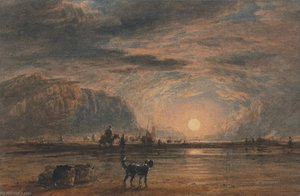
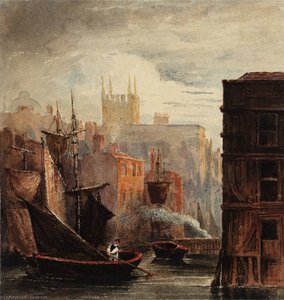
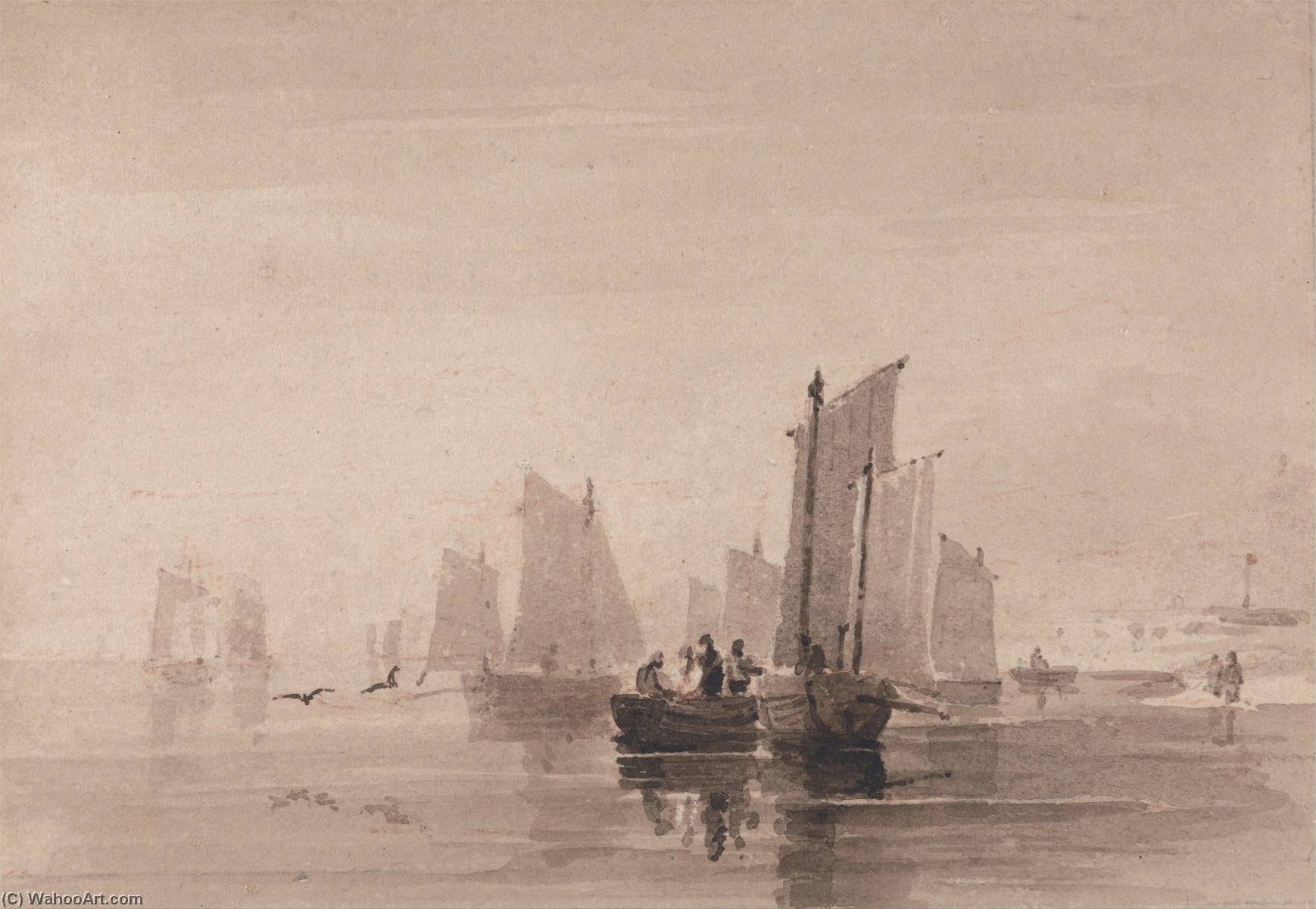
Fishing off Hastings
 Watercolor
- WallArt
- Birmingham School
 1810
1810- 19th Century
 12.0 x 18.0 cm
 Yale Center for British Art
 Read More
Hand Made Oil Reproduction
Hand-painted oil on canvas in your size and frame, made to order by our artists. ( Buy Print Buy Image)




P118B $10

P118H $10

P118W $10

P438Z $10

P508JH $12

P508YH $12

P805H $10

P805Z $10

P919BZ $10

P919G $10

P919XJ $10

P959ZH $10

P968JZ $12

W106C $8

W218G $10

W218JH $8

W218Y $10

W307PJ $10

W316G $10

W316PJ $8

W316Y $10

W398PJ $8

W4111J $10

W500HY $15

W500JH $15

W692G $12

W849H $8

W940BG $15

W953PJ $8




Pick from our preset sizes that match the artwork's original proportions.

You may enter your own dimensions to fit a specific frame or space. If your selected size does not match the original image's proportions, we will either crop the artwork or extend the painting with additional hand-painted elements. A digital mockup will be sent for your approval before production begins.
Please note that the on-screen preview does not reflect the actual cropping or extension. Only the mockup will accurately show the final composition.
While custom sizes are available, we recommend selecting a dimension from the predefined list to preserve the original proportions.
After order, ArtsDot.com team will email client for instructions and provide a mockup preview
Worldwide Delivery () in 3/4 weeks instead of standard 5 weeks. (16 August). No compromise on quality.

Free Worldwide Express Shipping

High-Quality Linen Canvas

Full Shipping Insurance

Customs Tax Refund Guarantee

True Color Matching Guarantee

60-Day Return Policy (Defects Only)

100% Money-Back Guarantee

Bulk Discount Offer
 Glass option is only available in size under 110 CM

Fishing off Hastings
Reproduction Medium
Reproduction Size
-


Total Price
$ 263
Artwork Description
A Tranquil Glimpse of Maritime Life
This evocative watercolor, titled Fishing off Hastings, transports the viewer directly to a moment suspended in time along the English coast. The scene is imbued with a profound sense of quietude, capturing the rhythmic pulse of life at sea without any hint of drama. Dominating the composition are the soft silhouettes of several sailing vessels resting upon the expansive water. A smaller boat draws the eye closer, anchoring the viewer within the immediate space of the painting. The overall impression is one of serene industry; the boats suggest a livelihood deeply connected to the ebb and flow of the tides, while the muted palette whispers tales of bygone days.
Mastery in Watercolor Technique
The technical brilliance of this piece lies in its delicate handling of watercolor pigment. One can observe how the artist has utilized wet-on-wet blending, allowing colors to bleed into one another with an almost accidental grace. This technique is crucial to achieving the painting's signature soft edges and subtle gradations of tone across the water and sky. The washes are layered with expert care, building depth not through harsh contrast, but through atmospheric perspective—the gentle fading of detail as the eye travels toward the distant horizon. The resulting texture feels ethereal, like looking through a veil of sea mist.
Historical Echoes and Artistic Context
Dating to 1810, this work places us squarely within the burgeoning era of British landscape painting, a time when artists were increasingly turning their attention to capturing the sublime beauty of the nation's natural edges. David Cox, the hand behind this vision, was renowned for his detailed studies of English scenery. His commitment to documenting these coastal scenes reflects a broader cultural fascination with maritime activity and the picturesque quality of the British seascape. Owning a reproduction allows one to connect intimately with the artistic journey of an era that valued both scientific observation and emotional resonance in its depiction of nature.
Symbolism and Emotional Resonance
Beyond the mere depiction of boats, this artwork resonates with universal symbols. The sailing vessels themselves have long represented themes of exploration, trade, and the inherent freedom found upon open water. Yet, within this grand symbolism lies a deep personal tranquility. The soft browns and tans that permeate the piece lend it an aged patina, inviting contemplation. It is a visual balm for the modern soul—a place to pause, breathe deeply, and feel the gentle pull of the tide against the shore. For collectors and designers alike, this painting offers not just decoration, but a mood: one of enduring calm.
Related Artworks
Artist Biography
David Cox: A Life in Landscape
Early Life and Training
- Born: April 29, 1783, in Deritend, Birmingham, United Kingdom.
- David Cox’s father was a blacksmith and whitesmith supplying components to the Birmingham gun trade. His mother, from a farming background, possessed a superior education and strong character.
- He initially enrolled at the academy of Joseph Barber in Great Charles Street, where he met fellow students Charles Barber and William Radclyffe.
- At age 15, Cox became apprenticed to Albert Fielder, a Birmingham painter specializing in portrait miniatures and decorative paintings for objects like snuffboxes. This early training provided him with foundational skills.
Career Development & Artistic Journey
- In 1804, Cox moved to London and married his landlord’s daughter, Mary Ragg.
- A pivotal trip to Wales in 1805 with Charles Barber marked the beginning of numerous sketching tours throughout his lifetime. These travels profoundly influenced his artistic style.
- He regularly exhibited at the Royal Academy from 1805, initially earning a living as a drawing master. Colonel Hon. H. Windsor became one of his first pupils in 1808.
- Cox’s early work focused on detailed watercolor landscapes, often depicting rural scenes and architectural subjects.
Artistic Style & Influences
- Cox's style evolved over time. He moved from precise topographical depictions to a more expressive and atmospheric approach.
- Influences: While specific influences are debated, his work demonstrates an affinity for the Dutch landscape painters of the 17th century and a keen observation of nature reminiscent of Constable.
- He became known for his loose brushwork, vibrant colors, and ability to capture the effects of light and weather. His later oil paintings were particularly innovative.
Major Achievements & Legacy
- Cox painted over 300 works in oil towards the end of his career, now recognized as “one of the greatest, but least recognised, achievements of any British painter.”
- He is considered one of the greatest English landscape painters and a major figure of the Golden Age of English Watercolour.
- His work significantly influenced subsequent generations of landscape artists.
- Notable Works: The Wind on the Heath, Cottage in Herefordshire, Junction of the Severn and the Wye with Chepstow in the distance, and Moonlight Landscape are among his most celebrated paintings.
Historical Significance
- David Cox is recognized as an early precursor to Impressionism. His emphasis on capturing fleeting atmospheric effects and his loose brushwork anticipated many of the techniques later adopted by the Impressionists.
- He played a crucial role in establishing British landscape painting as a distinct genre, moving away from purely topographical representations towards more expressive and emotional interpretations of nature.
- His work continues to be admired for its beauty, sensitivity, and enduring appeal.
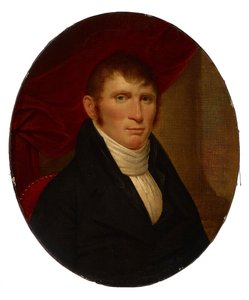
David Cox
1783 - 1859 , United Kingdom
Quick Facts
- Birth Date: April 29, 1783
- Birth Place: Deritend, Birmingham, United Kingdom
- Death Date: 1859
- Movement: English Landscape, Pre-Impressionism
- Name: David Cox
- Nationality: British
- Notable Works:
- The Wind on the Heath
- Cottage in Herefordshire
- Junction of the Severn and the Wye with Chepstow in the distance
- Moonlight Landscape
Related Articles

Watercolor Wonders: 10 Masterpieces That Redefined Art History | ArtsDot
Journey through 10 legendary watercolor masterpieces by Sargent, Turner & Homer! Explore iconic landscapes, portraits & floral art that redefined history. Find museum-quality reproductions and curated decor ideas at ArtsDot.com.
Ephemeral Visions: Exploring the Artistic Legacy & Contemporary Practice of Watercolor Painting
Explore the captivating world of watercolor painting! Discover its rich history, essential techniques, influential artists & collecting tips. A comprehensive guide for art enthusiasts from ArtsDot.
Ephemeral Visions: Exploring the History & Emotional Resonance of Watercolor Painting
Explore the captivating history of watercolor painting, from ancient techniques to modern masters like Kandinsky & Blake. Discover essential artists, collecting tips & the emotional power of this luminous medium. Expert insights for art enthusiasts.

Ephemeral Visions: Exploring the Artistic Legacy & Nuances of Watercolor Painting
Explore the captivating world of watercolor painting! Discover its rich history, essential techniques, influential artists & collecting tips from art experts. A comprehensive guide for enthusiasts.
The Enduring Appeal of Watercolor: History, Techniques & Contemporary Practice
Explore the captivating world of watercolor painting! Discover its rich history, essential techniques, influential artists, and collecting tips. A comprehensive guide for art enthusiasts.