 Preview
 Send
Send Share
Share
 Details

 Download
 Similars
 X-Ray
X-Ray Diaporama
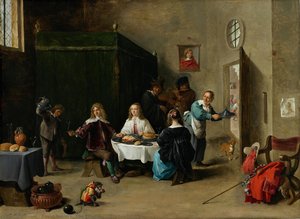
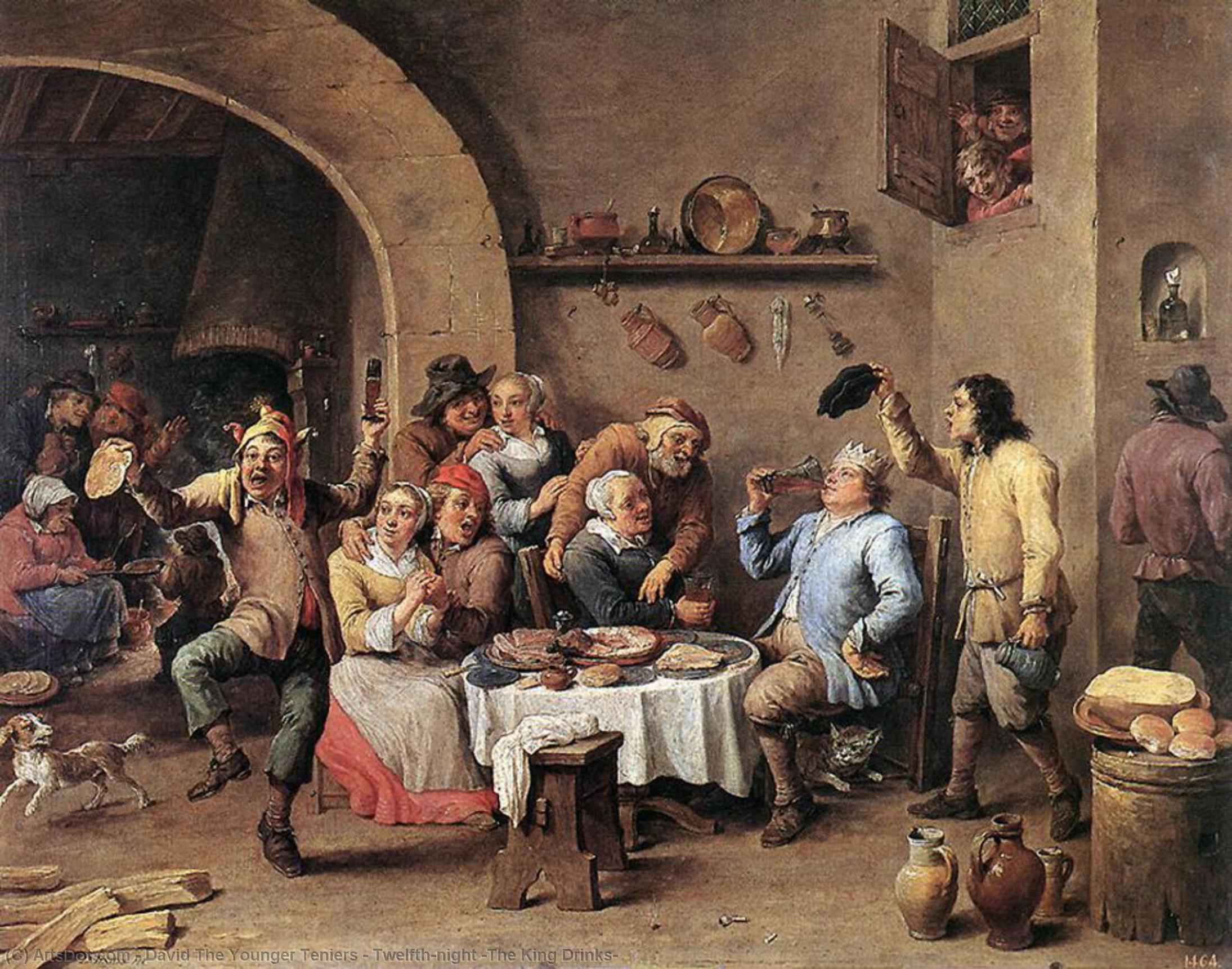
Twelfth-night (The King Drinks)
 Oil On Canvas
- WallArt
- Dutch Golden Age
 1634
1634- Early Modern
 58.0 x 70.0 cm
 Museo del Prado
 Read More
Hand Made Oil Reproduction
Hand-painted oil on canvas in your size and frame, made to order by our artists. ( Buy Print Buy Image)




P118B $10

P118H $10

P118W $10

P438Z $10

P508JH $12

P508YH $12

P805H $10

P805Z $10

P919BZ $10

P919G $10

P919XJ $10

P959ZH $10

P968JZ $12

W106C $8

W218G $10

W218JH $8

W218Y $10

W307PJ $10

W316G $10

W316PJ $8

W316Y $10

W398PJ $8

W4111J $10

W500HY $15

W500JH $15

W692G $12

W849H $8

W940BG $15

W953PJ $8




Pick from our preset sizes that match the artwork's original proportions.

You may enter your own dimensions to fit a specific frame or space. If your selected size does not match the original image's proportions, we will either crop the artwork or extend the painting with additional hand-painted elements. A digital mockup will be sent for your approval before production begins.
Please note that the on-screen preview does not reflect the actual cropping or extension. Only the mockup will accurately show the final composition.
While custom sizes are available, we recommend selecting a dimension from the predefined list to preserve the original proportions.
After order, ArtsDot.com team will email client for instructions and provide a mockup preview
Worldwide Delivery () in 3/4 weeks instead of standard 5 weeks. (28 August). No compromise on quality.

Free Worldwide Express Shipping

High-Quality Linen Canvas

Full Shipping Insurance

Customs Tax Refund Guarantee

True Color Matching Guarantee

60-Day Return Policy (Defects Only)

100% Money-Back Guarantee

Bulk Discount Offer
 Glass option is only available in size under 110 CM

Twelfth-night (The King Drinks)
Reproduction Medium
Reproduction Size
-


Total Price
$ 488
A Revelry in Amber and Shadow
In the heart of a dimly lit tavern, where the air seems thick with the scent of spilled ale and the warmth of flickering candlelight, David Teniers the Younger captures a moment of unbridled joy. Twelfth-night (The King Drinks) is not merely a depiction of a feast; it is an immersive descent into the boisterous spirit of Flemish folk tradition. The scene unfolds with a chaotic, beautiful energy, as a group of men surrender to the merriment of the Epiphany celebrations. Through Teniers’ masterful eye, we are invited to witness the raw, unpolished vitality of rural life, where the boundaries between camaraderie and disorder blur under the influence of festive excess.
The composition is a masterclass in dynamic movement. There is no single point of rest for the eye; instead, one is drawn through a labyrinth of overlapping figures, tilted mugs, and expressive gestures. The artist employs an asymmetrical arrangement that mirrors the very nature of the subject—unpredictable and lively. Shadows stretch long and deep across the cellar floor, cast by unseen lamps that illuminate patches of flushed faces and disheveled clothing. This interplay of light and dark creates a sense of profound immediacy, making the viewer feel less like a distant observer and more like an uninvited guest seated at the edge of the crowded table.
The Mastery of Flemish Texture and Tone
Technically, this work stands as a testament to the brilliance of the Baroque era. Teniers utilizes a rich, warm palette dominated by earthy ochres, deep umbers, and spirited reds, which together evoke a sense of rustic comfort and heat. His use of impasto—the thick, tactile application of oil paint—is particularly striking in the way it brings texture to the scene. One can almost feel the rough weave of a peasant’s tunic or the condensation on a ceramic jug through the visible, energetic brushstrokes that define the forms.
The artist’s lineage and his connection to masters like Peter Paul Rubens are evident in the fluid execution of the figures. While Teniers avoids the grand, idealized scale of high-court history painting, he infuses his genre scenes with a psychological depth that is equally profound. Every slumped shoulder and wide-eyed grin tells a story of human experience. For the collector or interior designer, this piece offers more than just visual interest; it provides a focal point of character and warmth. The painting’s ability to command attention through its tonal richness makes it an exquisite addition to spaces that value classical elegance paired with a soulful, lived-in atmosphere.
Symbolism and the Spirit of Celebration
Beyond the surface level of a tavern gathering, the artwork is steeped in the cultural symbolism of the Low Countries. The "Twelfth Night" refers to the feast of Epiphany, a time when social hierarchies were often playfully inverted—hence the title "The King Drinks." The overflowing vessels and discarded hats serve as subtle emblems of temporary abandon and the fleeting nature of earthly pleasures. There is a poignant tension between the celebration of the present moment and the inevitable return to the sober realities of daily toil.
To possess a reproduction of such a masterpiece is to bring a piece of history into the modern home. It serves as an emotional anchor, evoking themes of community, indulgence, and the enduring human desire for connection. Whether placed in a study filled with books or a grand dining room designed for entertaining, Twelfth-night (The King Drinks) radiates a timeless energy that continues to captivate the heart and inspire the imagination.
Related Artworks

Artist Biography
David Teniers the Younger: Life and Legacy
Early Life and Family Background
- Born: Antwerp, Belgium, December 15, 1610.
- David Teniers the Younger came from a family deeply rooted in the artistic tradition of Flanders. His father, David Teniers the Elder, was also a painter, and several of his siblings pursued careers as artists.
- Training: He initially studied under his father, receiving foundational training in painting techniques and styles.
- The family faced financial difficulties at times, leading young David to make copies of older master paintings to contribute to the household income.
Artistic Development and Influences
- Early Influences: His early work was heavily influenced by his father’s style, focusing on smaller-scale cabinet paintings. He also absorbed influences from other Flemish masters like Pieter Bruegel the Elder.
- Rubens' Impact: A pivotal moment in Teniers’ development came through his association with Peter Paul Rubens. He married Anna Brueghel, daughter of Jan Brueghel the Elder, and Rubens served as a witness at their wedding, establishing a close relationship.
- Genre Specialization: Teniers gradually specialized in genre painting – depictions of everyday life – becoming renowned for his lively scenes of peasant festivals (kermesses), tavern interiors, and village landscapes.
Major Works and Artistic Style
- Genre Scenes: His most celebrated works are his genre paintings. These often depict bustling scenes of peasant life filled with merriment, dancing, drinking, and games.
- Kermess Paintings: The “Flemish Kermess” series exemplifies his style – vibrant colors, detailed compositions, and a keen observation of human behavior.
- Landscape Painting: Teniers also produced charming landscape paintings, often incorporating figures engaged in rural activities.
- Tavern Interiors: His tavern scenes are particularly notable for their realistic portrayal of everyday life and the lively atmosphere within these establishments.
Court Painter and Curator
- Service to Archduke Leopold Wilhelm: Teniers’ talent gained recognition at the Habsburg court. He became a court painter and curator for Archduke Leopold Wilhelm, the Governor General of the Spanish Netherlands.
- Collection Management: As curator, he was responsible for managing the Archduke's extensive art collection, creating an inventory and cataloging the works.
- Founding the Antwerp Academy: Teniers played a crucial role in establishing the Antwerp Academy of Fine Arts, aiming to revitalize Flemish painting after a period of decline following the deaths of Rubens and Van Dyck.
Historical Significance and Legacy
- Leading Genre Painter: David Teniers the Younger is considered the leading Flemish genre painter of his time, capturing the essence of 17th-century life with remarkable skill.
- Influence on Later Artists: His work influenced subsequent generations of Northern European painters and even impacted French Rococo artists like Antoine Watteau.
- Prolific Output: Teniers was an incredibly prolific artist, producing a vast body of work that continues to be admired for its charm, detail, and historical insight.
- Death: He died in Antwerp on April 25, 1690, leaving behind a lasting legacy as one of Flanders’ most important Baroque painters.
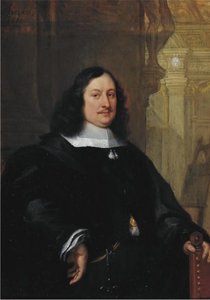
David Teniers the Younger
1610 - 1690 , Belgium
Quick Facts
- Birth Date: 1610
- Birth Place: Antwerp, Belgium
- Death Date: 1690
- Influenced By: Peter Paul Rubens
- Movement: Baroque
- Name: David Teniers the Younger
- Nationality: Flemish
- Notable Works:
- Two Drunkards
- Village Scene
- Kitchen Scene
- Flemish Kermess
Related Articles

Dutch Masters: 10 Golden Age Paintings That Still Inspire |
Journey into the Dutch Golden Age! Explore 10 iconic paintings by Rembrandt, Vermeer & Hals. Discover the stories behind these Baroque masterpieces and find museum-quality art reproductions to elevate your home decor on .

Golden Age Reflections: Dutch Baroque Painting & Cultural Innovation
Explore the Dutch Golden Age of painting! Discover key artists like Vermeer & ter Borch, their innovative techniques, and the rich cultural context behind these Baroque masterpieces. Learn about collecting & appreciating this iconic art period.
Genre Painting: A Window into Daily Life & Societal Values of the Dutch Golden Age
Explore the captivating world of Dutch Golden Age genre painting! Discover realistic depictions of daily life, masterful artists like Ostade & Metsu, and hidden symbolism. Learn about this influential art movement with ArtsDot.

Illuminating Innovation: Exploring the Dutch Golden Age of Painting
Explore the Dutch Golden Age of painting with ArtsDot. Discover Rembrandt, Vermeer & other Masters. Learn about key characteristics, iconic artworks, and lasting influence. Expert insights for collectors & enthusiasts.
Illuminating Realism: Exploring the Dutch Golden Age of Painting (1600-1700)
Explore the Dutch Golden Age of painting (1600-1700) with ArtsDot. Discover Rembrandt, Vermeer & other masters. Learn about techniques, history & find museum-quality reproductions.