 Preview
 Send
Send Share
Share
 Details

 Download
 Similars
 X-Ray
X-Ray Diaporama
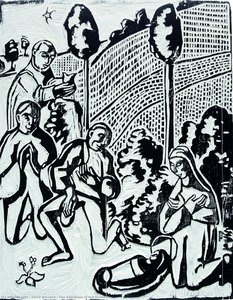
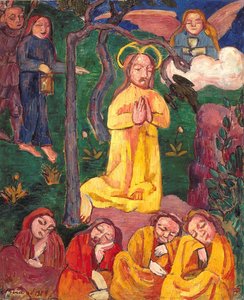
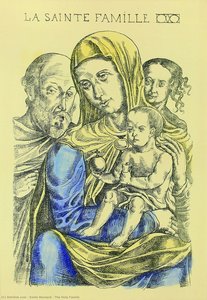
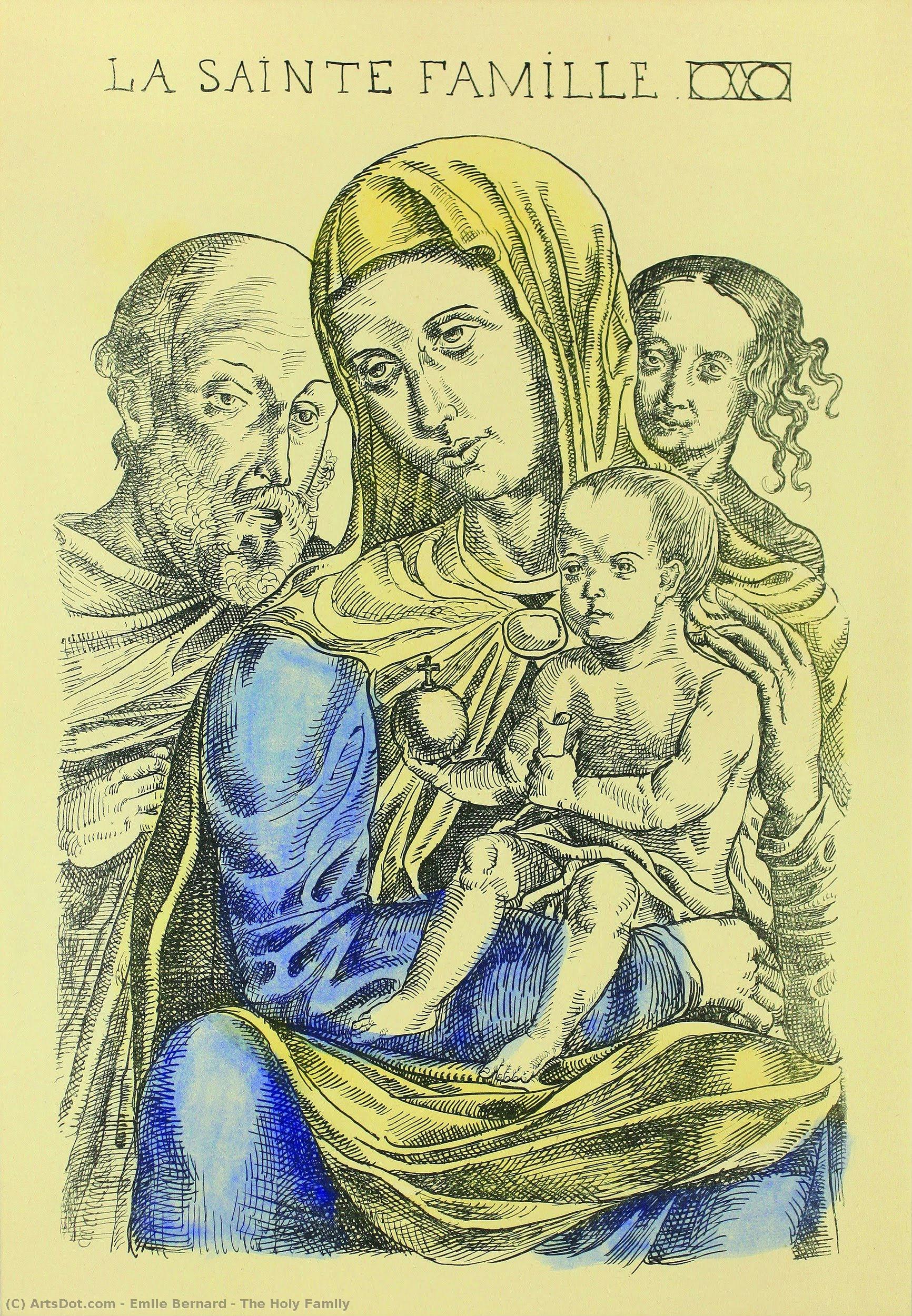
The Holy Family
 Acrylic
- WallArt
- Post-Impressionist
 1896
1896 49.0 x 32.0 cm
 Musée de Pont-Aven
 Read More
Hand Made Oil Reproduction
Hand-painted oil on canvas in your size and frame, made to order by our artists. ( Buy Print Buy Image)




P118B $10

P118H $10

P118W $10

P438Z $10

P508JH $12

P508YH $12

P805H $10

P805Z $10

P919BZ $10

P919G $10

P919XJ $10

P959ZH $10

P968JZ $12

W106C $8

W218G $10

W218JH $8

W218Y $10

W307PJ $10

W316G $10

W316PJ $8

W316Y $10

W398PJ $8

W4111J $10

W500HY $15

W500JH $15

W692G $12

W849H $8

W940BG $15

W953PJ $8




Pick from our preset sizes that match the artwork's original proportions.

You may enter your own dimensions to fit a specific frame or space. If your selected size does not match the original image's proportions, we will either crop the artwork or extend the painting with additional hand-painted elements. A digital mockup will be sent for your approval before production begins.
Please note that the on-screen preview does not reflect the actual cropping or extension. Only the mockup will accurately show the final composition.
While custom sizes are available, we recommend selecting a dimension from the predefined list to preserve the original proportions.
After order, ArtsDot.com team will email client for instructions and provide a mockup preview
Worldwide Delivery () in 3/4 weeks instead of standard 5 weeks. (17 August). No compromise on quality.

Free Worldwide Express Shipping

High-Quality Linen Canvas

Full Shipping Insurance

Customs Tax Refund Guarantee

True Color Matching Guarantee

60-Day Return Policy (Defects Only)

100% Money-Back Guarantee

Bulk Discount Offer
 Glass option is only available in size under 110 CM

The Holy Family
Reproduction Medium
Reproduction Size
-


Total Price
$ 263
Artwork Description
A Window Into Breton Soul: Émile Bernard’s “La Sainte Famille”
Émile Bernard's "La Sainte Famille," painted in 1896, transcends mere depiction; it embodies the spirit of Brittany and represents a crucial step in Bernard’s artistic evolution. This lithograph reproduction captures not just an image but also the essence of a painter grappling with profound influences—a journey documented on foot through the rugged landscapes and vibrant traditions of his homeland. The painting itself is deceptively simple, yet brimming with carefully considered detail that speaks volumes about Bernard's stylistic ambitions.The Breton Landscape as Inspiration
Bernard’s formative pilgrimage to Brittany in 1886 proved transformative. He wasn’t merely observing scenery; he was absorbing it—the stark beauty of granite cliffs, the misty valleys dotted with wildflowers, and the palpable connection between humanity and nature. This experience fundamentally altered his artistic sensibilities, moving him away from the polished surfaces of Impressionism towards a more expressive approach rooted in observation and emotion. The Breton landscape served as a catalyst for Bernard’s exploration of color and texture—elements that would become hallmarks of his distinctive style.Pointillist Techniques: Fragmented Light
Bernard's artistic trajectory culminated in the embrace of Pointillisme, pioneered by Georges Seurat and Paul Signac. Unlike Impressionists who blended colors optically to create an illusion of luminosity, Bernard employed tiny dots of pigment—individually applied—to build up tonal variations. This technique, meticulously executed in “La Sainte Famille,” prioritizes visual perception over direct representation. The resulting surface is textured and shimmering, mirroring the diffused light characteristic of Breton skies. It’s a deliberate rejection of traditional academic painting conventions, signaling Bernard's commitment to pushing artistic boundaries.Symbolic Resonance: Family Values Amidst Uncertainty
Beyond its stylistic innovations, “La Sainte Famille” carries significant symbolic weight. The depiction of Mary cradling Jesus embodies universal themes of maternal devotion and familial sanctity—values deeply ingrained in Breton culture. However, the painting’s subdued palette and contemplative atmosphere also reflect the anxieties of the era, mirroring the broader artistic preoccupation with psychological depth during Symbolism. Bernard doesn't offer a triumphant narrative; instead, he presents a quiet tableau capturing a moment of serene intimacy amidst an uncertain world.A Timeless Reflection: Reproduction Quality
Reproducing “La Sainte Famille” allows art enthusiasts to experience Bernard’s vision firsthand. ArtsDot.com offers exceptionally detailed lithographs that faithfully recreate the painting's nuanced textures and subtle color harmonies. These reproductions are produced using archival inks on premium canvas, guaranteeing longevity and preserving the artwork's original beauty for generations to come—a testament to Bernard’s enduring legacy as a pioneer of modern art.Related Artworks
Artist Biography
Émile Bernard: A Post-Impressionist Pioneer
Early Life and Education
- Born: April 28, 1868, in Lille, France.
- Émile Henri Bernard’s early life was shaped by his sister's illness, leading to him being raised primarily by his grandmother, who ran a laundry in Lille. This supportive environment fostered his artistic inclinations.
- In 1878, the family relocated to Paris, where Bernard attended the Collège Sainte-Barbe.
- He began formal art studies at the École des Arts Décoratifs and later joined the Atelier Cormon in 1884. Here, he experimented with Impressionism and Pointillism.
- His expressive tendencies led to a suspension from the École des Beaux-Arts, prompting a formative journey through Brittany on foot.
Artistic Development and Influences
- Bernard’s artistic development was significantly influenced by his travels in Brittany, where he encountered local traditions and landscapes that deeply resonated with him.
- Key Relationship: A pivotal moment came in August 1886 when he met Paul Gauguin in Pont-Aven. This encounter sparked a close artistic friendship and profoundly impacted both artists’ styles.
- Bernard's style played a crucial role in shaping Gauguin’s mature work, particularly his exploration of symbolism and flattened forms.
- He also associated with Vincent van Gogh, forming part of the “School of Petit-Boulevard” alongside Anquetin and Toulouse-Lautrec.
Key Artistic Movements
- Cloisonnism: Bernard is considered a pioneer of Cloisonnism, a style characterized by bold, flat shapes separated by dark contours – reminiscent of stained glass.
- Synthetism: He also played a key role in the development of Synthetism, which emphasized the creation of art based on subjective experience and symbolic meaning rather than direct observation of nature.
- These movements represented a departure from Impressionism, focusing instead on structure, symbolism, and emotional expression.
Notable Works
- La Grandmère (1887): A poignant portrait of his grandmother, showcasing the artist’s early mastery of expressive form and color. This work is considered one of his most iconic pieces.
- Numerous Breton landscapes capturing the essence of rural life in Brittany.
- Religious works such as “The Adoration of the Shepherds” demonstrating his exploration of symbolic themes.
Literary Contributions and Historical Significance
- Beyond painting, Bernard was a prolific writer, producing plays, poetry, and art criticism. His writings provide valuable first-hand insights into the development of modern art during his time.
- Legacy: Émile Bernard’s contributions to Post-Impressionism, particularly his role in shaping Cloisonnism and Synthetism, left a lasting impact on the course of modern art.
- His work paved the way for subsequent movements like Fauvism and Expressionism, influencing generations of artists to explore subjective expression and symbolic representation.
- He died in 1941, leaving behind a body of work that continues to be celebrated for its originality and artistic innovation.
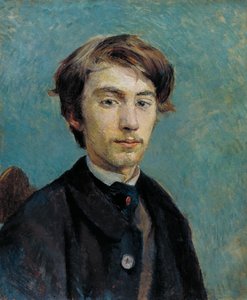
Émile Bernard
1868 - 1941 , France
Quick Facts
- Birth Date: April 28, 1868
- Birth Place: Lille, France
- Death Date: 1941
- Influenced: ['Paul Gauguin']
- Movement:
- Post-Impressionism
- Cloisonnism
- Synthetism
- Name: Émile Bernard
- Nationality: French
- Notable Works: ['La Grandmère']
Related Articles
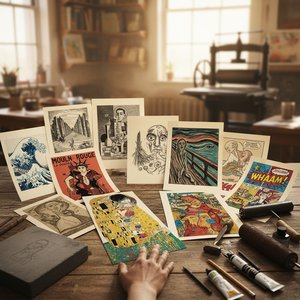
Top 10 Lithographs That Revolutionized Art | ArtsDot
Explore 10 legendary lithographs by Toulouse-Lautrec, Munch & Picasso that redefined art! Discover the stories behind these iconic prints and find museum-quality reproductions for your home decor at ArtsDot.com. Explore the full collection online.

Impressionism's Masterpieces: 10 Paintings That Defined a Movement | ArtsDot
Journey through Impressionism's heart with 10 iconic paintings by Monet, Renoir & Degas. Explore light, color & the stories behind these masterpieces. Find museum-quality art reproductions and elevate your home decor on ArtsDot.com.
Mary Agnes Yerkes: A Study in American Impressionism & Atmospheric Light
Explore the captivating world of Mary Agnes Yerkes, a resilient American Impressionist painter renowned for her vibrant landscapes of the West & National Parks. Discover her unique style and enduring legacy.
Fleeting Moments & Radiant Light: Exploring the Enduring Legacy of Impressionism
Explore the captivating world of Impressionism! Discover its history, key artists like Monet & Renoir, defining techniques, and lasting impact on modern art. Expert insights for collectors.
Impressionism's Legacy: 10 Masterpieces That Transformed Art & Decor
Journey through Impressionism's radiant world! Explore 10 masterpieces by Monet, Renoir & Degas that revolutionized art. Discover the stories behind these iconic paintings and find museum-quality reproductions for your home at .