 Preview
 Send
Send Share
Share
 Details

 Download
 Similars
 X-Ray
X-Ray Diaporama
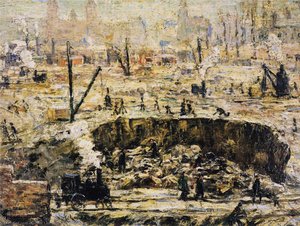
Excavation - Penn Station


 Read More
Hand Made Oil Reproduction
Hand-painted oil on canvas in your size and frame, made to order by our artists. ( Buy Print Buy Image)




P118B $10

P118H $10

P118W $10

P438Z $10

P508JH $12

P508YH $12

P805H $10

P805Z $10

P919BZ $10

P919G $10

P919XJ $10

P959ZH $10

P968JZ $12

W106C $8

W218G $10

W218JH $8

W218Y $10

W307PJ $10

W316G $10

W316PJ $8

W316Y $10

W398PJ $8

W4111J $10

W500HY $15

W500JH $15

W692G $12

W849H $8

W940BG $15

W953PJ $8




Pick from our preset sizes that match the artwork's original proportions.

You may enter your own dimensions to fit a specific frame or space. If your selected size does not match the original image's proportions, we will either crop the artwork or extend the painting with additional hand-painted elements. A digital mockup will be sent for your approval before production begins.
Please note that the on-screen preview does not reflect the actual cropping or extension. Only the mockup will accurately show the final composition.
While custom sizes are available, we recommend selecting a dimension from the predefined list to preserve the original proportions.
After order, ArtsDot.com team will email client for instructions and provide a mockup preview
Worldwide Delivery () in 3/4 weeks instead of standard 5 weeks. (17 August). No compromise on quality.

Free Worldwide Express Shipping

High-Quality Linen Canvas

Full Shipping Insurance

Customs Tax Refund Guarantee

True Color Matching Guarantee

60-Day Return Policy (Defects Only)

100% Money-Back Guarantee

Bulk Discount Offer
 Glass option is only available in size under 110 CM

Excavation - Penn Station
Reproduction Medium
Reproduction Size
-


Total Price
$ 263
Artwork Description
A Glimpse into the Industrial Soul of New York
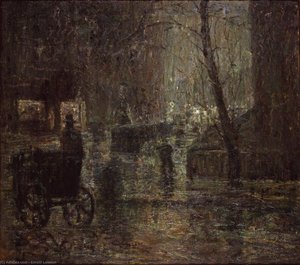
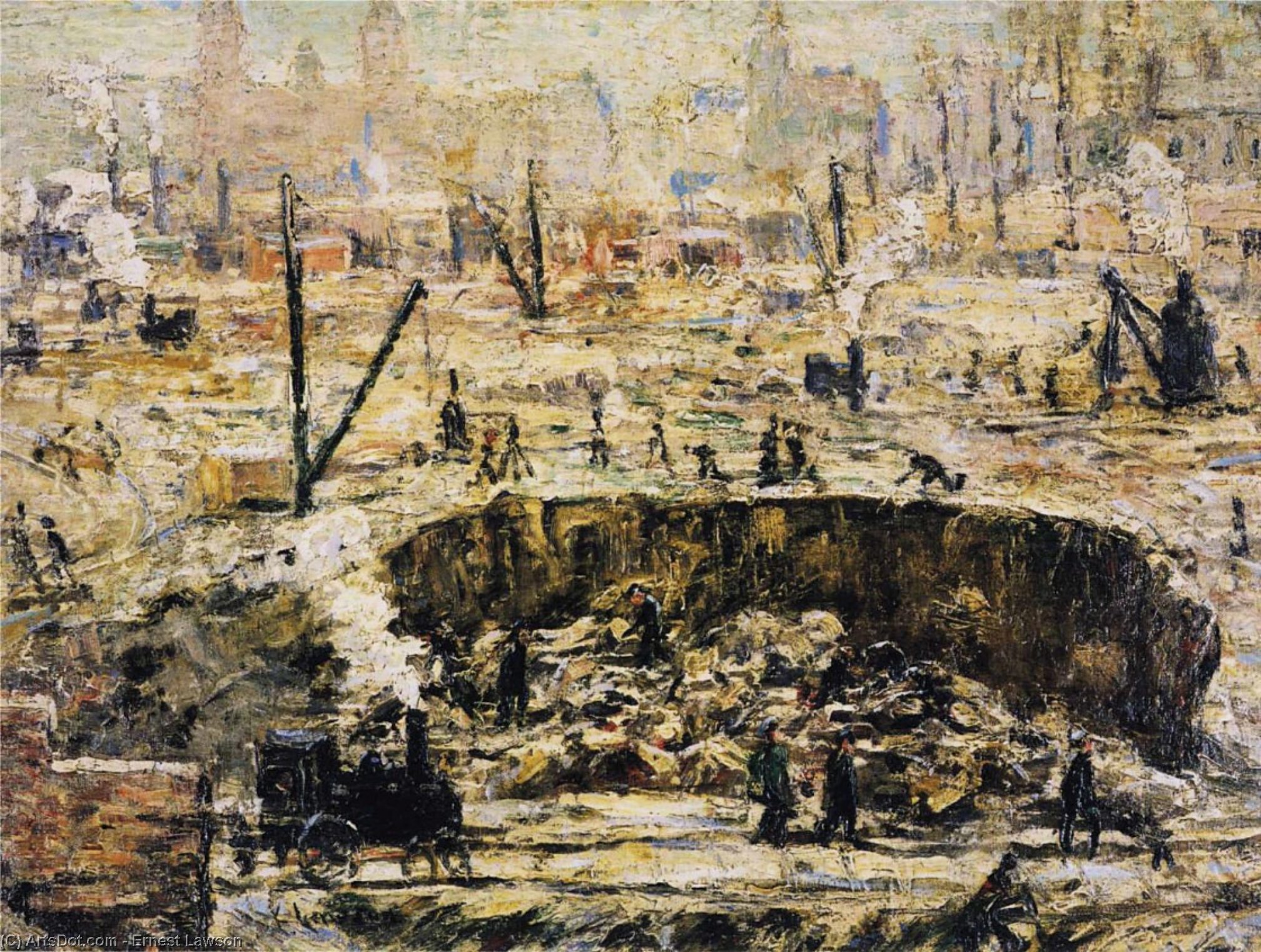
In the heart of his 1906 masterpiece, Excavation - Penn Station, Ernest Lawson invites us to step back into a transformative era of urban evolution. This evocative oil on canvas captures more than just a construction site; it preserves a fleeting moment in the metamorphosis of New York City. As the foundations for the legendary Penn Station were being laid, Lawson turned his Impressionist lens toward the grit and grandeur of manual labor. The scene unfolds within a vast dirt pit, where the rhythmic toil of workers emerges from the earth. Through his masterful use of light, Lawson transforms a site of heavy industry into a stage of profound human drama, where every shovel stroke and every movement of the horses feels imbued with the pulse of a growing metropolis.
The painting is a breathtaking study in the American Impressionist style, characterized by a sophisticated interplay between realism and atmospheric light. Lawson, a member of the renowned "Eight," was celebrated for his ability to capture the essence of a scene through bold, expressive brushstrokes that convey an unmistakable sense of energy and motion. Rather than focusing on clinical detail, he utilizes a palette of earthy tones—deep ochres, muted browns, and dusty greys—to ground the viewer in the physical reality of the excavation. Yet, within this rugged landscape, there is a luminous quality; the way light filters through the haze of dust creates a shimmering effect that elevates the mundane task of digging into something poetic and monumental.
Beyond the technical brilliance, the composition breathes with a unique vitality provided by the inclusion of animals amidst the human struggle. The presence of horses, essential to the heavy lifting of the era, alongside a solitary dog, adds layers of narrative depth and companionship to the harsh environment. These elements serve as symbols of the interconnectedness of life during the industrial boom—a blend of animal strength, human perseverance, and the quiet presence of domesticity amidst chaos. For the collector or interior designer, this piece offers a sophisticated balance of rugged texture and classical elegance, making it an ideal centerpiece for spaces that value historical depth and a connection to the raw, unvarnished beauty of the past.
Owning a high-quality reproduction of Lawson’s work is an opportunity to bring a sense of historical gravity and artistic prestige into a modern interior. Excavation - Penn Station does not merely decorate a wall; it tells a story of progress, resilience, and the enduring spirit of the working class. It serves as a window into a lost New York, offering an emotional resonance that speaks to anyone moved by the intersection of human industry and the sublime beauty of light and shadow.
Related Artworks
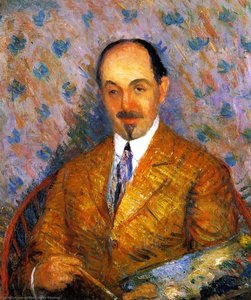
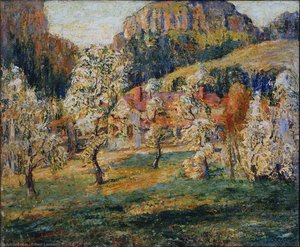
Artist Biography
early life and training
ernest lawson, a prominent figure in the american impressionist movement, was born on march 22, 1873, in halifax, nova scotia, canada. in 1888, he moved to the united states, settling in kansas city, and later, in 1891, he made his way to new york, where he enrolled in classes at the art students league. under the tutelage of john twachtman, lawson was introduced to impressionism, which would significantly influence his formative years.artistic development and influences
lawson's style, characterized by a blend of impressionism and realism, was shaped by his interactions with various artists. he studied at the académie julian in paris in 1893, where he met jean-joseph benjamin-constant and jean-paul laurens. his plein air painting experiences in southern france and moret-sur-loing, where he encountered alfred sisley, an english impressionist, further enriched his artistic perspective.the eight and notable exhibitions
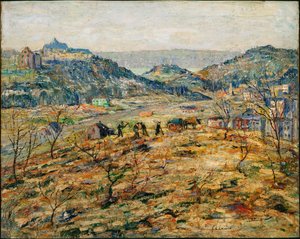
in 1908, lawson joined the eight, a group of artists protesting the narrow tastes and restrictive exhibition policies of the national academy of design. this association led to a pivotal exhibition at the macbeth galleries in new york, which garnered significant media attention and sparked debate about the diversity of style and subject matter in american art.- city suburbs, one of lawson's notable works, is now part of the phillips collection in washington, d.c., showcasing his unique blend of impressionism and realism. (view at ArtsDot)
- another piece, approaching storm, also in the phillips collection, demonstrates lawson's mastery of capturing the essence of american landscapes. (view at ArtsDot)
- for more on ernest lawson and his contributions to american impressionism, visit his page on ArtsDot.
legacy and impact
lawson's understated yet vibrant style, described by art critic james gibbons huneker as originating from a "palette of crushed jewels," has left an indelible mark on american art. his participation in the eight and his unique artistic approach have made him a notable figure in the history of impressionism. key points: * born: march 22, 1873, halifax, nova scotia, canada * died: december 18, 1939 * notable works: city suburbs, approaching storm * influences: john twachtman, jean-joseph benjamin-constant, alfred sisley * association: the eight * style: blend of impressionism and realism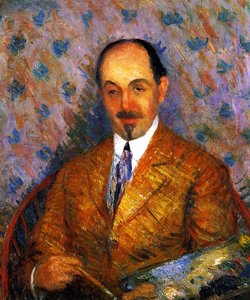
Ernest Lawson
1873 - 1939 , Canada
Quick Facts
- Artistic Movement Or Style: Impressionism & Realism
- Artists Or Movements Influenced By This Artist: ['The Eight']
- Artists Who Influenced This Artist:
- John Twachtman
- Alfred Sisley
- Date Of Birth: March 22, 1873
- Date Of Death: December 18, 1939
- Full Name: Ernest Lawson
- Nationality: Canadian-American
- Notable Artworks:
- City suburbs
- Approaching storm
- Place Of Birth: Halifax, Canada
Related Articles

The Enduring Legacy of Oil on Canvas: Technique, History & Aesthetic Impact
Explore the rich history & techniques of oil painting – from Renaissance masters to Impressionism. Discover pigments, layering methods, and why this timeless medium endures. Expert insights for artists & art enthusiasts.
Ernest Lawson: A Pioneer of American Impressionism & His Vision of the Rural Landscape
Explore the life & art of Ernest Lawson, a pivotal figure in American Impressionism. Discover his evocative landscapes, influences, and lasting legacy with ArtsDot.

Oil on Canvas: A Historical & Technical Exploration of a Timeless Artistic Medium
Explore the rich history & enduring techniques of oil painting on canvas. Discover the science behind its longevity, conservation practices, and contemporary relevance. Expert insights for art enthusiasts.

The Enduring Power of Painting: A Historical & Contemporary Exploration of Form and Emotion
Explore the rich history & enduring techniques of oil painting with ArtsDot. Discover masterpieces, learn about art collecting, and find authentic handmade reproductions crafted by skilled artists.
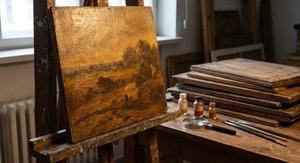
Oil on Board: A Historical Survey of Technique, Aesthetic Qualities & Enduring Appeal
Explore the rich history of oil on board painting! Discover techniques, aesthetic qualities & enduring appeal from early masters to modern practice. Expert insights for collectors and art enthusiasts.