 Preview
 Send
Send Share
Share
 Details

 Download
 Similars
 X-Ray
X-Ray Diaporama
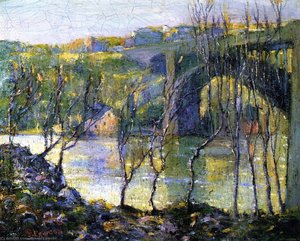
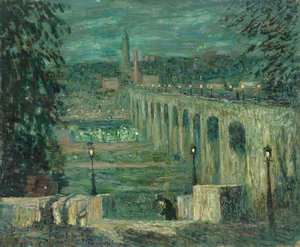
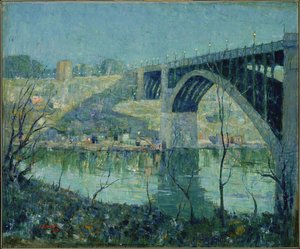
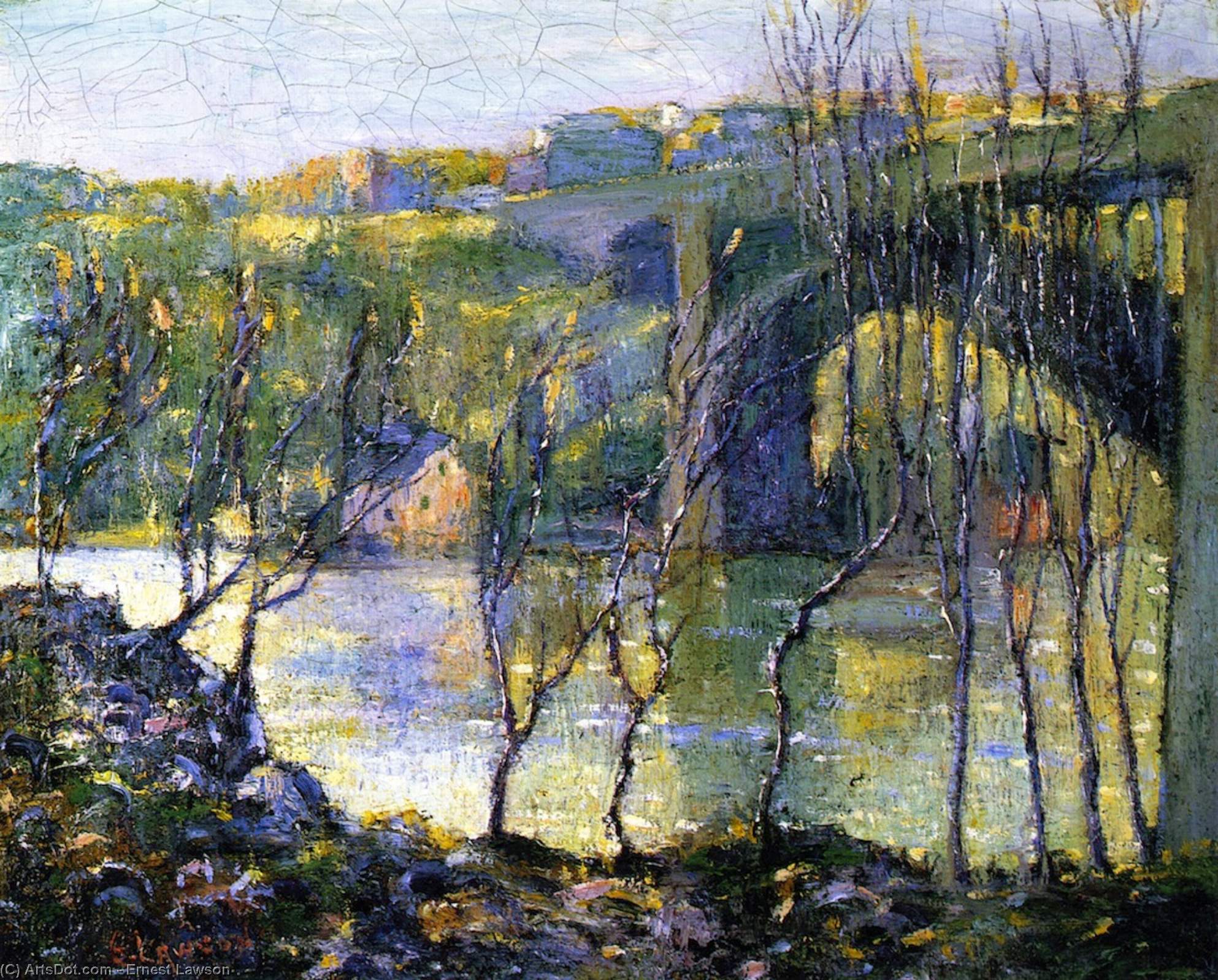
Washington Bridge, Harlem River


 Read More
Hand Made Oil Reproduction
Hand-painted oil on canvas in your size and frame, made to order by our artists. ( Buy Print Buy Image)




P118B $10

P118H $10

P118W $10

P438Z $10

P508JH $12

P508YH $12

P805H $10

P805Z $10

P919BZ $10

P919G $10

P919XJ $10

P959ZH $10

P968JZ $12

W106C $8

W218G $10

W218JH $8

W218Y $10

W307PJ $10

W316G $10

W316PJ $8

W316Y $10

W398PJ $8

W4111J $10

W500HY $15

W500JH $15

W692G $12

W849H $8

W940BG $15

W953PJ $8




Pick from our preset sizes that match the artwork's original proportions.

You may enter your own dimensions to fit a specific frame or space. If your selected size does not match the original image's proportions, we will either crop the artwork or extend the painting with additional hand-painted elements. A digital mockup will be sent for your approval before production begins.
Please note that the on-screen preview does not reflect the actual cropping or extension. Only the mockup will accurately show the final composition.
While custom sizes are available, we recommend selecting a dimension from the predefined list to preserve the original proportions.
After order, ArtsDot.com team will email client for instructions and provide a mockup preview
Worldwide Delivery () in 3/4 weeks instead of standard 5 weeks. (16 August). No compromise on quality.

Free Worldwide Express Shipping

High-Quality Linen Canvas

Full Shipping Insurance

Customs Tax Refund Guarantee

True Color Matching Guarantee

60-Day Return Policy (Defects Only)

100% Money-Back Guarantee

Bulk Discount Offer
 Glass option is only available in size under 110 CM

Washington Bridge, Harlem River
Reproduction Medium
Reproduction Size
-


Total Price
$ 263
Artwork Description
Washington Bridge, Harlem River: A Moment Frozen in Impressionistic Light
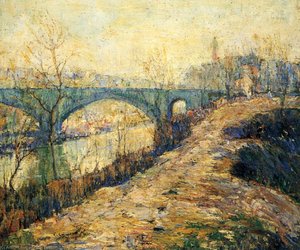
The painting “Washington Bridge, Harlem River” by Ernest Lawson stands as a testament to the enduring allure of capturing fleeting impressions—a hallmark of American Impressionism at its finest. Created in 1915, this oil on canvas piece isn’t merely a depiction of a riverside vista; it's an invitation into a tranquil scene imbued with subtle nuances of light and color that speak volumes about Lawson’s artistic vision and the spirit of his time. Located within the esteemed High Museum of Art in Atlanta, United States, the artwork continues to captivate audiences with its serene beauty and masterful execution.Historical Context: The Dawn of Impressionism's Influence
Ernest Lawson emerged during a pivotal moment in art history—the burgeoning influence of Impressionism on American painting. Artists like Claude Monet and Pierre-Auguste Renoir had revolutionized artistic practice by prioritizing the subjective experience of perception over meticulous realism. Lawson embraced this ethos, mirroring the movement’s fascination with capturing atmospheric conditions and conveying emotion through color palettes rather than precise detail. The painting's creation coincided with a period of significant social change in America, reflecting the optimism and dynamism characteristic of the early 20th century.Artistic Technique: Mosaic Brushstrokes and Atmospheric Depth
Lawson’s technique is instantly recognizable—loose brushwork characterized by visible strokes that create a textured surface akin to a mosaic. This approach wasn't simply stylistic; it served as a deliberate tool for conveying the ephemeral quality of light on water and landscape features. Lawson skillfully blended muted greens and browns in the foreground trees and rocks, juxtaposed against the golden hue of the bridge itself—a focal point that draws the eye upwards into the hazy expanse of the sky. The artist’s meticulous attention to detail isn't about recreating an exact likeness; it’s about distilling the essence of the scene into a harmonious composition.Symbolism and Emotional Resonance: Tranquility Amidst Urban Change
Beyond its technical prowess, “Washington Bridge” resonates with deeper symbolic meanings. Lawson’s choice of subject matter—a bridge connecting two landscapes—suggests a connection between nature and civilization, mirroring the broader anxieties and aspirations of the era. The painting evokes a profound sense of serenity and contemplation, inviting viewers to pause and appreciate the beauty of the natural world amidst the rapid pace of urban expansion. Lawson's ability to convey emotion through color and texture elevates the artwork beyond mere visual representation—it’s an experience that lingers in the mind long after viewing.Further Exploration: Lawson’s Legacy and Reproductions
For those eager to delve deeper into Ernest Lawson’s oeuvre, ArtsDot.com offers exceptional reproductions of his paintings, allowing enthusiasts to appreciate his artistry firsthand. Similarly, The High Museum of Art website provides comprehensive information about Lawson's artistic journey and the museum’s impressive collection—a valuable resource for anyone interested in exploring Impressionism’s enduring impact on American art history.Related Artworks

Artist Biography
early life and training
ernest lawson, a prominent figure in the american impressionist movement, was born on march 22, 1873, in halifax, nova scotia, canada. in 1888, he moved to the united states, settling in kansas city, and later, in 1891, he made his way to new york, where he enrolled in classes at the art students league. under the tutelage of john twachtman, lawson was introduced to impressionism, which would significantly influence his formative years.artistic development and influences
lawson's style, characterized by a blend of impressionism and realism, was shaped by his interactions with various artists. he studied at the académie julian in paris in 1893, where he met jean-joseph benjamin-constant and jean-paul laurens. his plein air painting experiences in southern france and moret-sur-loing, where he encountered alfred sisley, an english impressionist, further enriched his artistic perspective.the eight and notable exhibitions
in 1908, lawson joined the eight, a group of artists protesting the narrow tastes and restrictive exhibition policies of the national academy of design. this association led to a pivotal exhibition at the macbeth galleries in new york, which garnered significant media attention and sparked debate about the diversity of style and subject matter in american art.- city suburbs, one of lawson's notable works, is now part of the phillips collection in washington, d.c., showcasing his unique blend of impressionism and realism. (view at ArtsDot)
- another piece, approaching storm, also in the phillips collection, demonstrates lawson's mastery of capturing the essence of american landscapes. (view at ArtsDot)
- for more on ernest lawson and his contributions to american impressionism, visit his page on ArtsDot.
legacy and impact
lawson's understated yet vibrant style, described by art critic james gibbons huneker as originating from a "palette of crushed jewels," has left an indelible mark on american art. his participation in the eight and his unique artistic approach have made him a notable figure in the history of impressionism. key points: * born: march 22, 1873, halifax, nova scotia, canada * died: december 18, 1939 * notable works: city suburbs, approaching storm * influences: john twachtman, jean-joseph benjamin-constant, alfred sisley * association: the eight * style: blend of impressionism and realism
Ernest Lawson
1873 - 1939 , Canada
Quick Facts
- Artistic Movement Or Style: Impressionism & Realism
- Artists Or Movements Influenced By This Artist: ['The Eight']
- Artists Who Influenced This Artist:
- John Twachtman
- Alfred Sisley
- Date Of Birth: March 22, 1873
- Date Of Death: December 18, 1939
- Full Name: Ernest Lawson
- Nationality: Canadian-American
- Notable Artworks:
- City suburbs
- Approaching storm
- Place Of Birth: Halifax, Canada
Related Articles
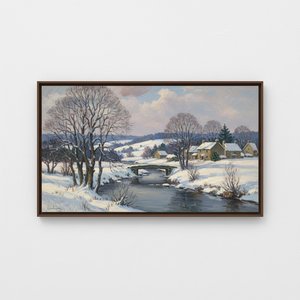
Ernest Lawson: A Pioneer of American Impressionism & His Vision of the Rural Landscape
Explore the life & art of Ernest Lawson, a pivotal figure in American Impressionism. Discover his evocative landscapes, influences, and lasting legacy with ArtsDot.
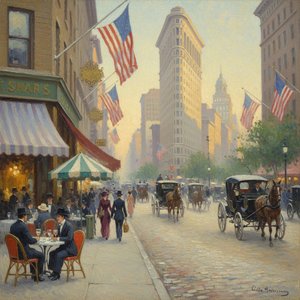
Frederick Childe Hassam: American Impressionism's Chronicler of Light & Modern Life
Explore the captivating world of Frederick Childe Hassam, a pioneer of American Impressionism. Discover his iconic paintings capturing light, urban life & coastal beauty. Learn about his legacy and influence on American art history.
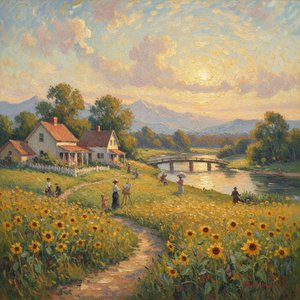
Capturing a Nation's Light: Exploring the American Impressionist Movement
Explore the captivating world of American Impressionism! Discover key artists, techniques & its lasting impact on art history. Find museum-quality reproductions and expert guidance at ArtsDot.
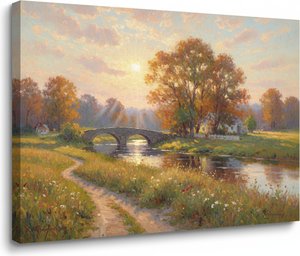
George Harvey: A Study in American Impressionism & the Poetics of Light
Explore the captivating world of George Harvey, a pivotal figure in American Impressionism & Luminism. Discover his stunning landscapes, artistic journey, and lasting influence on 19th-century art. Learn about provenance & appraisal.
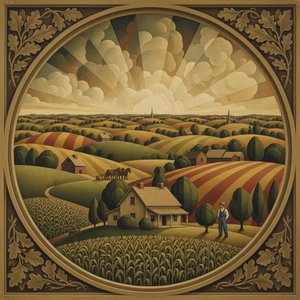
Grant Wood & American Regionalism: Identity, Myth & the Rural Landscape
Explore the world of Grant Wood & American Regionalism with ArtsDot. Discover the symbolism behind 'American Gothic', recurring themes, and the movement's lasting impact on art history. High-quality reproductions available.