 Preview
 Send
Send Share
Share
 Details

 Download
 Similars
 X-Ray
X-Ray Diaporama
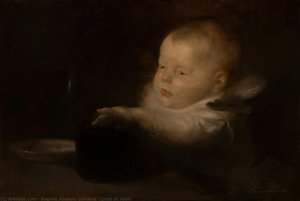
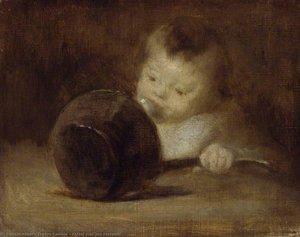
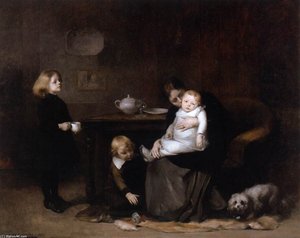
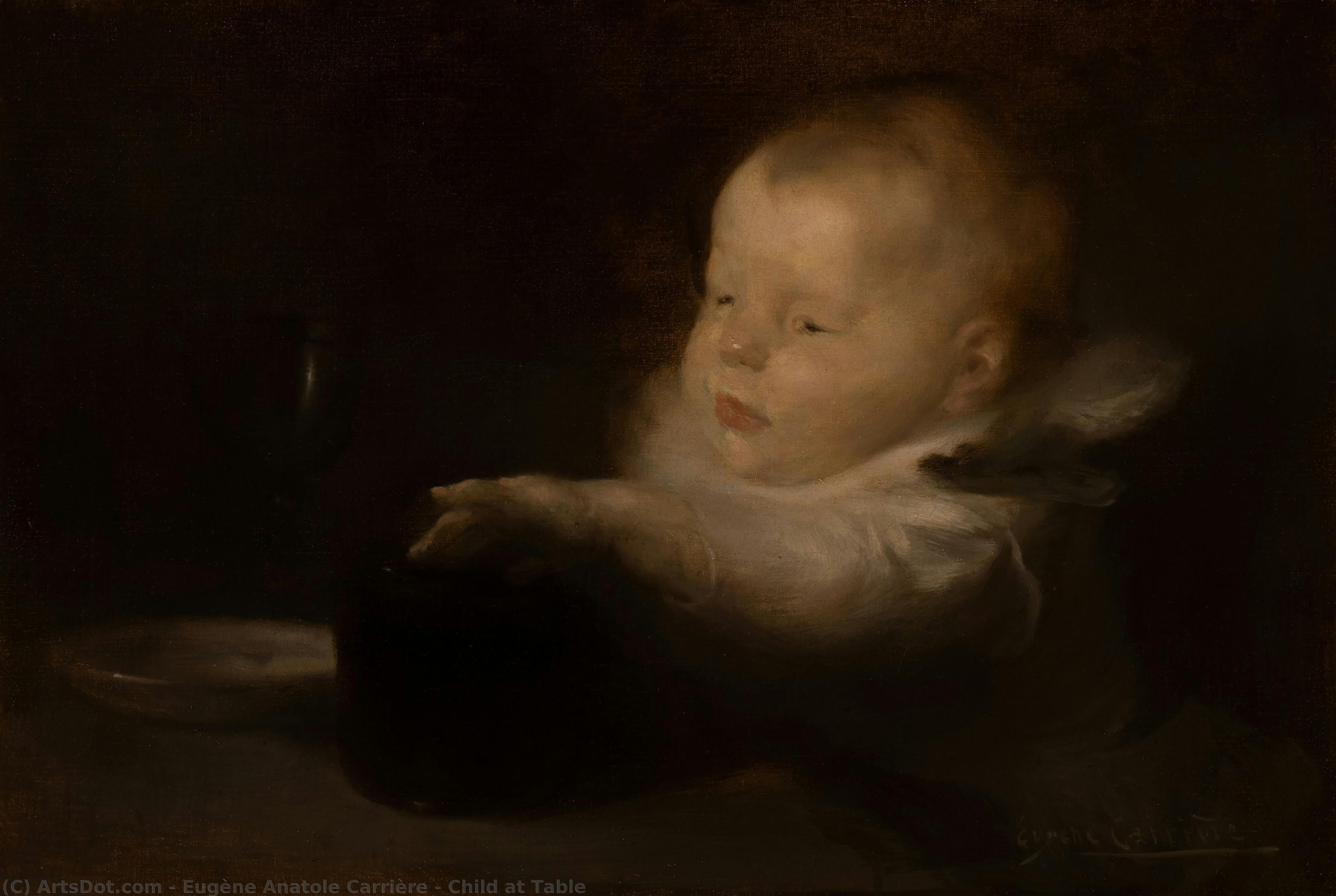
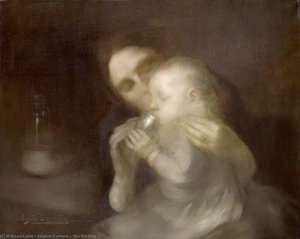
Child at Table


 Read More
Hand Made Oil Reproduction
Hand-painted oil on canvas in your size and frame, made to order by our artists. ( Buy Print Buy Image)




P118B $10

P118H $10

P118W $10

P438Z $10

P508JH $12

P508YH $12

P805H $10

P805Z $10

P919BZ $10

P919G $10

P919XJ $10

P959ZH $10

P968JZ $12

W106C $8

W218G $10

W218JH $8

W218Y $10

W307PJ $10

W316G $10

W316PJ $8

W316Y $10

W398PJ $8

W4111J $10

W500HY $15

W500JH $15

W692G $12

W849H $8

W940BG $15

W953PJ $8




Pick from our preset sizes that match the artwork's original proportions.

You may enter your own dimensions to fit a specific frame or space. If your selected size does not match the original image's proportions, we will either crop the artwork or extend the painting with additional hand-painted elements. A digital mockup will be sent for your approval before production begins.
Please note that the on-screen preview does not reflect the actual cropping or extension. Only the mockup will accurately show the final composition.
While custom sizes are available, we recommend selecting a dimension from the predefined list to preserve the original proportions.
After order, ArtsDot.com team will email client for instructions and provide a mockup preview
Worldwide Delivery () in 3/4 weeks instead of standard 5 weeks. (16 August). No compromise on quality.

Free Worldwide Express Shipping

High-Quality Linen Canvas

Full Shipping Insurance

Customs Tax Refund Guarantee

True Color Matching Guarantee

60-Day Return Policy (Defects Only)

100% Money-Back Guarantee

Bulk Discount Offer
 Glass option is only available in size under 110 CM

Child at Table
Reproduction Medium
Reproduction Size
-


Total Price
$ 263
Artwork Description
Eugène Carrière’s ‘Child at Table’: A Monochromatic Meditation on Innocence
Eugène Anatole Carrière's Child at Table (1880) is not merely a portrait; it’s an immersion into a world of quiet contemplation, rendered with a startlingly spare palette and imbued with the profound symbolism characteristic of the Symbolist movement. Created during a period of intense artistic experimentation in France – a direct response to the Impressionists' focus on fleeting moments of light – Carrière sought to evoke deeper emotional and spiritual truths through his art. This work, depicting a young boy, likely his son Jean René, captured around 1888, exemplifies this approach with remarkable clarity.
- A Monochromatic Universe: Carrière’s signature style is immediately apparent in the painting's stark contrast. The almost entirely monochrome palette – shades of blue, gray, and brown – creates a sense of detachment from the everyday, elevating the scene to something almost sacred. This deliberate restriction of color wasn’t simply an aesthetic choice; it was rooted in Carrière’s early experience as a lithographer, where he honed his skills in creating dramatic tonal effects.
- The Power of Light and Shadow: Despite the lack of vibrant hues, Carrière masterfully manipulates light and shadow to generate a luminous effect. The creamy-white skin of the child is dramatically highlighted against the enveloping darkness, drawing the viewer’s eye directly to this vulnerable subject. This technique, reminiscent of Rubens' influence, suggests an almost ethereal quality, hinting at a timeless innocence.
Symbolism and Domestic Themes
Child at Table firmly places itself within the Symbolist tradition, which prioritized subjective emotion and spiritual meaning over realistic representation. The scene’s quiet intimacy – the boy seated at a table with a cup – speaks to themes of childhood, vulnerability, and perhaps even religious devotion. Carrière frequently depicted domestic scenes featuring his family, often exploring the complexities of motherhood and familial bonds. This particular work, like The Sick Child (Montargis), reflects this recurring motif, offering a poignant glimpse into the artist’s personal life.
- A Mystical Atmosphere: The dark background isn't merely a backdrop; it actively contributes to the painting's symbolic weight. It creates an atmosphere of mystery and introspection, inviting viewers to contemplate the child’s gaze upwards – a gesture that could be interpreted as prayerful or simply filled with wonder.
- The Artist's Lineage: The fact that Carrière was the grandson of artists further informs our understanding of this work. His artistic lineage undoubtedly influenced his approach, adding another layer of meaning to the scene’s quiet contemplation.
Technique and Historical Context
Carrière’s meticulous technique is evident in the smooth application of paint and the precise rendering of detail. The use of a glazing technique – applying thin layers of translucent color over dried underlayers – would have enhanced the luminosity of the skin tones and created subtle variations within the monochrome palette. Produced around 1880, this painting represents a pivotal moment in Carrière’s career, solidifying his reputation as a leading figure in the Symbolist movement and demonstrating his ability to create emotionally resonant works through masterful control of light, shadow, and tone.
Emotional Impact and Reproduction
Child at Table possesses an undeniable emotional power. The painting's quiet intimacy and the vulnerability of its subject evoke a sense of tenderness and nostalgia. A hand-painted reproduction captures not only the visual details but also the very essence of Carrière’s artistic vision, allowing you to experience this profound work in your own space.
Related Artworks

Artist Biography
**early life and training**
eugène anatole carrière, a renowned french symbolist artist, was born on january 16, 1849, in gournay-sur-marne, seine-saint-denis. he studied at the école des beaux-arts in paris and later under cabanel, laying the foundation for his future artistic endeavors.**artistic style and influences**
carrière's paintings are best known for their distinctive brown monochrome palette, which has been a subject of fascination for many art enthusiasts. his work was influenced by the art of peter paul rubens, which he was exposed to during his time as a prisoner in dresden. this influence is evident in the glowing colors of his early paintings. **the young mother (1879)**, one of carrière's earliest notable works, is now housed at the musée des beaux-arts de rouen. this piece marked the beginning of his domestic life themes, which would become a hallmark of his artistic style.**notable works and exhibitions**
* **the sick child (montargis)** * **the first communion (toulon)** * **portrait of louis-henri devillez (1887)**, a highly praised work showcasing carrière's skill in capturing the essence of his subjects. these works, among others, have been exhibited at the société nationale des beaux-arts, which carrière helped establish. his contributions to the art world extend beyond his paintings, as he also played an influential role as an art teacher at académie de la palette.**legacy and influence on modern art**
carrière's monochrome style has been seen in the works of pablo picasso, particularly during his blue period. this influence is a testament to carrière's lasting impact on modern art.- view more of carrière's works at ArtsDot.com/eugène anatole carrière
- explore the musée des beaux-arts de rouen, which houses some of carrière's early pieces, at discovering the musée des beaux-arts de carcassonne (france)
- learn more about symbolism and its influence on art at the symbolism art movement
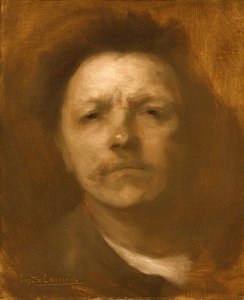
Eugène Anatole Carrière
1849 - 1906 , France
Quick Facts
- Artistic Movement Or Style: Symbolism, Monochrome
- Artists Or Movements Influenced By This Artist: ['Picasso (Blue Period)']
- Artists Who Influenced This Artist: ['Rubens']
- Date Of Birth: January 16, 1849
- Date Of Death: March 27, 1906
- Full Name: Eugène Anatole Carrière
- Nationality: French
- Notable Artworks:
- The Sick Child
- Young Mother
- First Communion
- Place Of Birth: Gournay-sur-Marne, France
Related Articles

Giclée Prints: Archival Quality & Aesthetic Nuances for the Discerning Collector
Explore the world of giclée prints with ArtsDot. Learn about archival quality, aesthetic nuances & investment potential. Expert guidance for discerning art collectors seeking museum-quality reproductions and lasting value.

The Enduring Legacy of Fine Art Prints: Technique, History & Aesthetic Impact
Explore the rich history & techniques of fine art prints. Discover investment potential, assess authenticity, and learn how to preserve your collection with expert guidance. Trusted insights for discerning collectors.
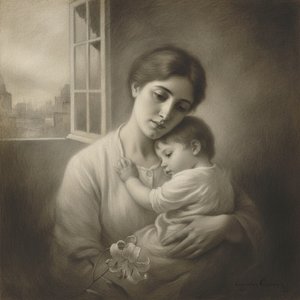
Eugène Carrière: The 'Peintre d'Âme' & Symbolist Portraiture’s Intimate Vision
Explore the haunting world of Eugène Carrière, a pivotal French Symbolist artist known for his deeply intimate portraits & 'peinture d'âme'. Discover his life, style, and lasting influence on modern masters like Picasso. Shop high-quality reproductions at ArtsDot.

Echoes of Time: Exploring the Enduring Appeal & Historical Context of Vintage Art Prints
Explore the captivating world of vintage art prints! Discover their history, collecting tips & enduring appeal. Expert insights on chromolithography and building a legacy collection with ArtsDot.
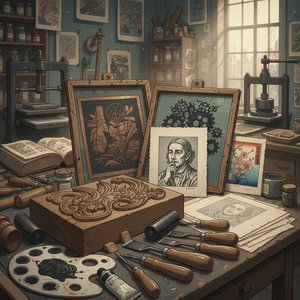
The Enduring Legacy of Printmaking: Techniques, Themes & Artistic Innovation Across Centuries
Explore the rich history of printmaking with ArtsDot. Discover techniques from intaglio to lithography, learn about collecting valuable prints & find museum-quality reproductions. Expert insights for art enthusiasts and collectors.