 Preview
 Send
Send Share
Share
 Details

 Download
 Similars
 X-Ray
X-Ray Diaporama
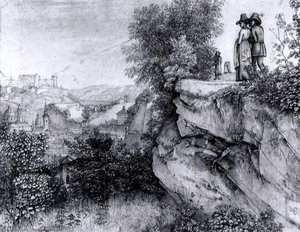
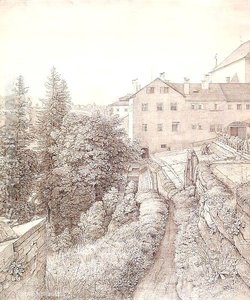
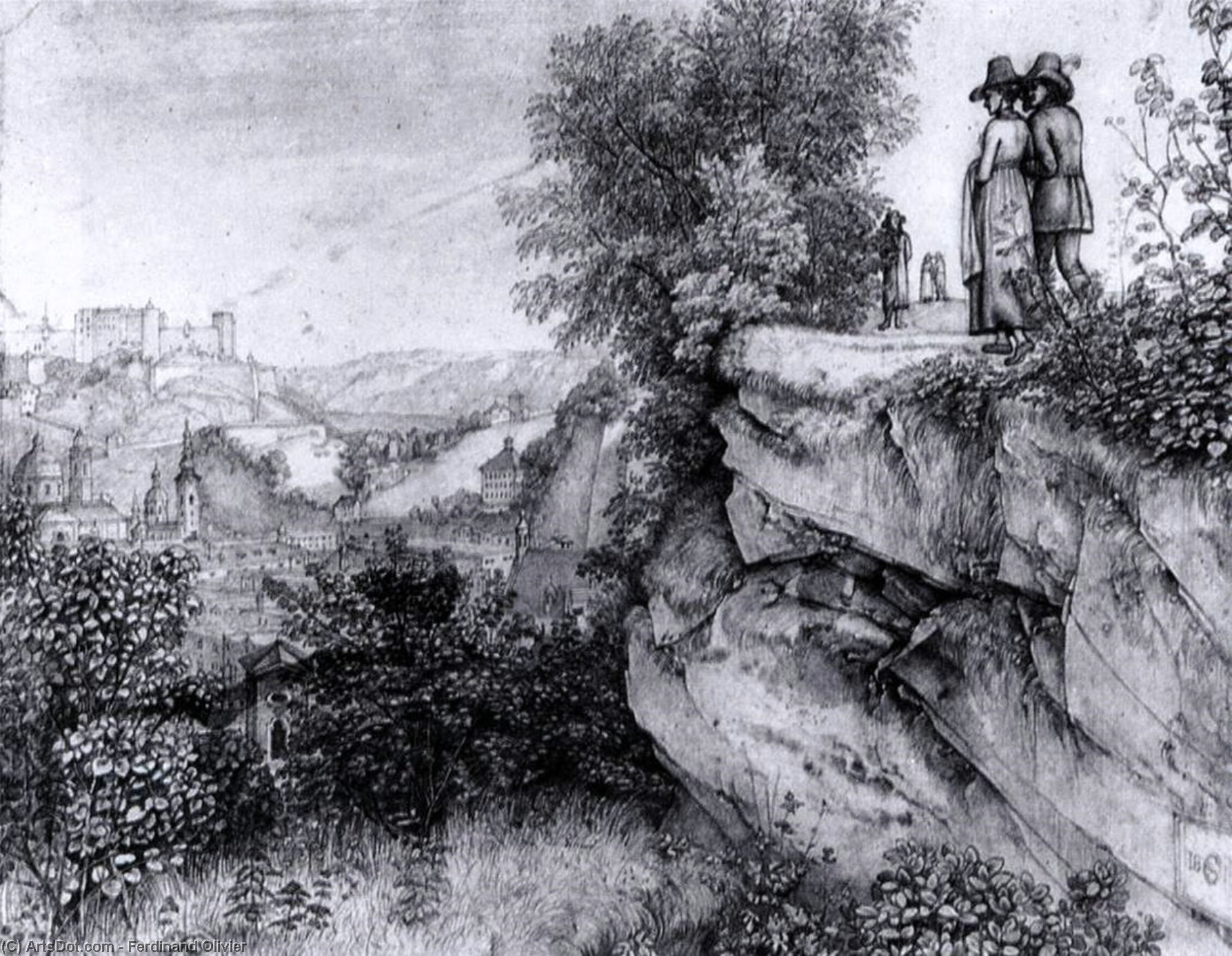
View of Salzburg and the Hohensalzburg Fortress fom the Mönschberg
 Oil On Canvas
- WallArt
- Nazarene Movement
 1818
1818- 19th Century
 326.0 x 406.0 cm
 Graphische Sammlung Albertina
 Read More
Hand Made Oil Reproduction
Hand-painted oil on canvas in your size and frame, made to order by our artists. ( Buy Print Buy Image)




P118B $10

P118H $10

P118W $10

P438Z $10

P508JH $12

P508YH $12

P805H $10

P805Z $10

P919BZ $10

P919G $10

P919XJ $10

P959ZH $10

P968JZ $12

W106C $8

W218G $10

W218JH $8

W218Y $10

W307PJ $10

W316G $10

W316PJ $8

W316Y $10

W398PJ $8

W4111J $10

W500HY $15

W500JH $15

W692G $12

W849H $8

W940BG $15

W953PJ $8




Pick from our preset sizes that match the artwork's original proportions.

You may enter your own dimensions to fit a specific frame or space. If your selected size does not match the original image's proportions, we will either crop the artwork or extend the painting with additional hand-painted elements. A digital mockup will be sent for your approval before production begins.
Please note that the on-screen preview does not reflect the actual cropping or extension. Only the mockup will accurately show the final composition.
While custom sizes are available, we recommend selecting a dimension from the predefined list to preserve the original proportions.
After order, ArtsDot.com team will email client for instructions and provide a mockup preview
Worldwide Delivery () in 3/4 weeks instead of standard 5 weeks. (16 August). No compromise on quality.

Free Worldwide Express Shipping

High-Quality Linen Canvas

Full Shipping Insurance

Customs Tax Refund Guarantee

True Color Matching Guarantee

60-Day Return Policy (Defects Only)

100% Money-Back Guarantee

Bulk Discount Offer
 Glass option is only available in size under 110 CM

View of Salzburg and the Hohensalzburg Fortress fom the Mönschberg
Reproduction Medium
Reproduction Size
-


Total Price
$ 263
Artwork Description
A Panoramic Vision: Ferdinand Olivier's "View of Salzburg and the Hohensalzburg Fortress"
Ferdinand Olivier’s “View of Salzburg and the Hohensalzburg Fortress from the Mönschberg,” painted in 1818, is more than just a landscape; it’s a carefully constructed tableau reflecting the burgeoning Romantic sensibility and the ideals of the Nazarene movement. Measuring an impressive 326 x 406 cm, this large-scale work commands attention, drawing the viewer into a scene that blends meticulous observation with a palpable sense of awe. The black and white palette, executed with masterful precision, lends a timeless quality to the composition, evoking the feel of antique prints and etchings while simultaneously highlighting the dramatic interplay of light and shadow across the cityscape and fortress.
The Nazarene Ideal and Artistic Influences
Olivier’s artistic journey was deeply intertwined with the Nazarene movement, a reaction against the frivolity of Rococo and Neoclassicism that sought to revive the spiritual intensity and technical rigor of Northern Renaissance masters. Born in Dessau in 1785, Olivier rigorously studied drawing under Carl Wilhelm Kolbe and later honed his skills copying works by Jan van Eyck and Hans Memling – artists whose dedication to detail and profound understanding of light profoundly influenced his own style. This reverence for the Old Masters is evident in “View of Salzburg,” where the precise rendering of architectural details and the subtle gradations of tone demonstrate a commitment to technical excellence. The influence of Joseph Koch, whom Olivier met during his time in Vienna, can also be detected in the dramatic composition and the emphasis on capturing the grandeur of nature.
A Scene of Leisure and Reflection
The painting depicts a group of figures positioned atop the Mönschberg hill, gazing out over the picturesque town of Salzburg. These are not anonymous bystanders; they appear to be enjoying a moment of leisure, perhaps contemplating the beauty of their surroundings or engaging in quiet conversation. Their presence humanizes the landscape, inviting viewers to share in their sense of wonder and tranquility. The imposing Hohensalzburg Fortress dominates the background, its silhouette stark against the sky, symbolizing both power and history. It’s a visual anchor, grounding the scene within a specific time and place while also hinting at the rich cultural heritage of Salzburg. Olivier's choice to depict the scene in monochrome further enhances the sense of timelessness, suggesting that this view has captivated observers for generations.
Symbolism and Emotional Resonance
Beyond its aesthetic appeal, “View of Salzburg” carries a deeper symbolic weight. The Nazarenes often imbued their landscapes with spiritual meaning, seeing nature as a reflection of divine order. While not overtly religious, Olivier’s painting evokes a sense of reverence for the natural world and the enduring spirit of human civilization. The figures' posture—relaxed yet attentive—suggests a contemplative state, inviting viewers to pause and reflect on the beauty and significance of their own surroundings. The stark contrast between light and shadow creates a dramatic tension that heightens the emotional impact of the scene, conveying both the grandeur of the landscape and the quiet intimacy of human experience. This work is not merely a depiction of a place; it’s an invitation to contemplate the relationship between humanity, nature, and history—a testament to Olivier's skill as both artist and observer.
Related Artworks
Artist Biography
A Visionary of the Nazarene Spirit
Ferdinand Olivier, born Johann Heinrich Ferdinand Olivier on April 1st, 1785, in Dessau, Germany, was a painter whose soul was deeply entwined with the spiritual and aesthetic revivalism of his era. A prominent figure within the Nazarene movement, Olivier sought to transcend the decorative frivolity of the Rococo style, looking instead toward the profound sincerity and meticulous detail of the Northern Renaissance masters. His artistic lineage is a tapestry of disciplined study and wandering inspiration; his early education under Carl Wilhelm Kolbe provided a foundation in drawing, while collaborations with craftsmen like Christian Haldenweg and Johann Friedrich Unger allowed him to refine his technical precision within the vibrant artistic landscape of Dresden.
The trajectory of Olivier’s life was marked by a profound connection to both historical grandeur and the quiet majesty of nature. His formative years in Dresden were defined by an immersive study of the Old Masters at the Gemäldegalerie Alte Meister, where he practiced the sacred art of copying, a method that allowed him to internalize the techniques of legends such as Jan van Eyck and Hans Memling. This period of intense observation instilled in him a lifelong fascination with capturing the spiritual depth of biblical narratives and landscapes imbued with heavy symbolic weight. His travels also brought him into contact with the titans of German Romanticism, including Caspar David Friedrich and Philipp Otto Runge, whose works likely informed his ability to infuse natural scenery with a sense of the divine.
Diplomacy, Drama, and the Napoleonic Shadow
Between 1807 and 1810, Olivier’s life took an unexpected turn toward the political stage when he served as a diplomatic aide in Paris. Working in the service of Prince Leopold Friedrich Franz von Anhalt-Dessau, he found himself at the heart of a continent in upheaval. It was during this Parisian residency that he encountered Napoleon Bonaparte, an encounter that left an indelible mark on his creative psyche. This period of exposure to the grandeur of the Louvre and the dramatic shifts of European power inspired him to undertake monumental projects, most notably a powerful portrait of Napoleon on horseback. Such works exemplify Olivier’s ability to marry historical precision with a sense of theatrical lighting and compositional drama, capturing not just a likeness, but the very essence of authority.
As his career progressed, Olivier’s work began to reflect a unique synthesis of human history and the natural world. His time spent exploring the Harz Mountains alongside his brother Friedrich deepened his intimacy with the German wilderness, leading to landscapes that felt less like mere scenery and more like living, breathing characters in a larger spiritual drama. Whether depicting the serene vistas of the Loisach Valley or the hauntingly atmospheric scenes of biblical antiquity, Olivier’s brushwork remained dedicated to an evocative realism that sought to stir the viewer's conscience.
The Master of Light and Lithographic Innovation
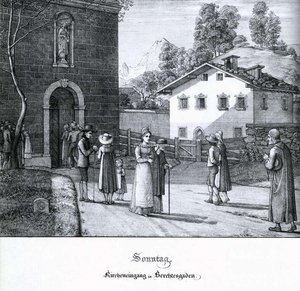
Perhaps the most enduring testament to Olivier’s technical brilliance lies in his mastery of printmaking and his ability to manipulate light. His monumental achievement, Sieben Gegenden aus Salzburg und Berchtesgaden (Seven Places in Salzburg and Berchtesgaden), stands as a pinnacle of early German lithography. This ambitious series, which he painstakingly developed over five years, utilized an extraordinary technique involving additional tint stones to create "golden shadows" and luminous highlights. By allowing the white of the paper to act as a source of light, he achieved a level of subtlety and precision that astonished his contemporaries.
The significance of Olivier’s oeuvre extends beyond mere technical skill; it resides in his ability to weave complex allegories into the fabric of his art. His works often serve as meditations on the cycle of life, death, and salvation, using landscapes to mirror the internal struggles of the human spirit. Through his Nazarene lens, the following themes remain central to his legacy:
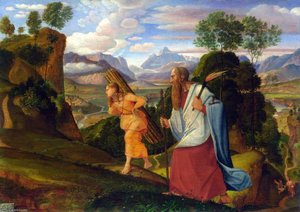
- Biblical Symbolism: The use of profound religious narratives, such as Abraham and Isaac or The Jews in Babylonian Captivity, to explore themes of faith and suffering.
- Naturalistic Devotion: A commitment to capturing the authentic beauty of the German and Austrian landscapes, from the Salzburg fortress to the alpine valleys.
- Renaissance Revivalism: A stylistic dedication to the clarity, detail, and spiritual earnestness found in 15th-century Northern European art.
Though he passed away in Munich in 1841, Ferdinand Olivier remains a vital figure for those seeking to understand the intersection of Romanticism and religious revival. His ability to capture the "haunting beauty" of a world caught between historical upheaval and eternal spiritual truths ensures his place as a master of the Nazarene vision.
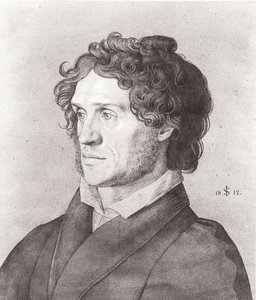
Ferdinand Olivier
1785 - 1841 , Germany
Quick Facts
- Artistic Movement Or Style: Nazarene Art
- Artists Or Movements Influenced By This Artist: ['Romanticism']
- Artists Who Influenced This Artist:
- Caspar David Friedrich
- Philipp Otto Runge
- Jan van Eyck
- Hans Memling
- Date Of Birth: April 1785
- Full Name: Johann Heinrich Ferdinand Olivier
- Nationality: German
- Notable Artworks:
- Abraham and Isaac
- The Jews in the Babylonian captivity
- The Garden of the Capuchin Monastery in Salzburg
- Place Of Birth: Dessau, Germany
Related Articles
19th Century Masterpieces: 10 Paintings That Defined an Era | ArtsDot
Journey through 19th century art with ArtsDot! Explore 10 iconic paintings – from Monet & Renoir to Courbet – and discover the stories behind Romanticism, Realism & Impressionism. Find museum-quality reproductions for your home decor. Explore the full collection online!
German Expressionism's 10 Defining Masterpieces | Art for Your Home
Explore 10 defining German Expressionism masterpieces – from Munch's 'The Scream' to Kandinsky’s abstracts. Discover the artists, stories & bold colors behind this powerful art movement. Find museum-quality reproductions at ArtsDot.com.
Fritz von Uhde: Bridging Realism & Symbolism in Late 19th-Century German Painting
Explore the captivating world of Fritz von Uhde, a pivotal German painter bridging Realism & Symbolism. Discover his plein-air techniques, religious themes, and influence on modern art. Learn about this fascinating artist at ArtsDot.
Anton von Werner: Imperial Painter, Historical Witness & Shifting German Identity
Explore the life & work of Anton von Werner, Imperial Germany's leading painter. Discover his dramatic depictions of war, unification, and court life – a fascinating insight into 19th-century German history & art.
Anselm Feuerbach: Romantic Idealism & the Search for Spiritual Harmony in 19th-Century Painting
Explore the life & work of Anselm Feuerbach, a leading German Neoclassical painter. Discover his Romantic idealism, mythological scenes, and stunning portraits. Learn about his influences & lasting legacy with ArtsDot.