 Preview
 Send
Send Share
Share
 Details

 Download
 Similars
 X-Ray
X-Ray Diaporama
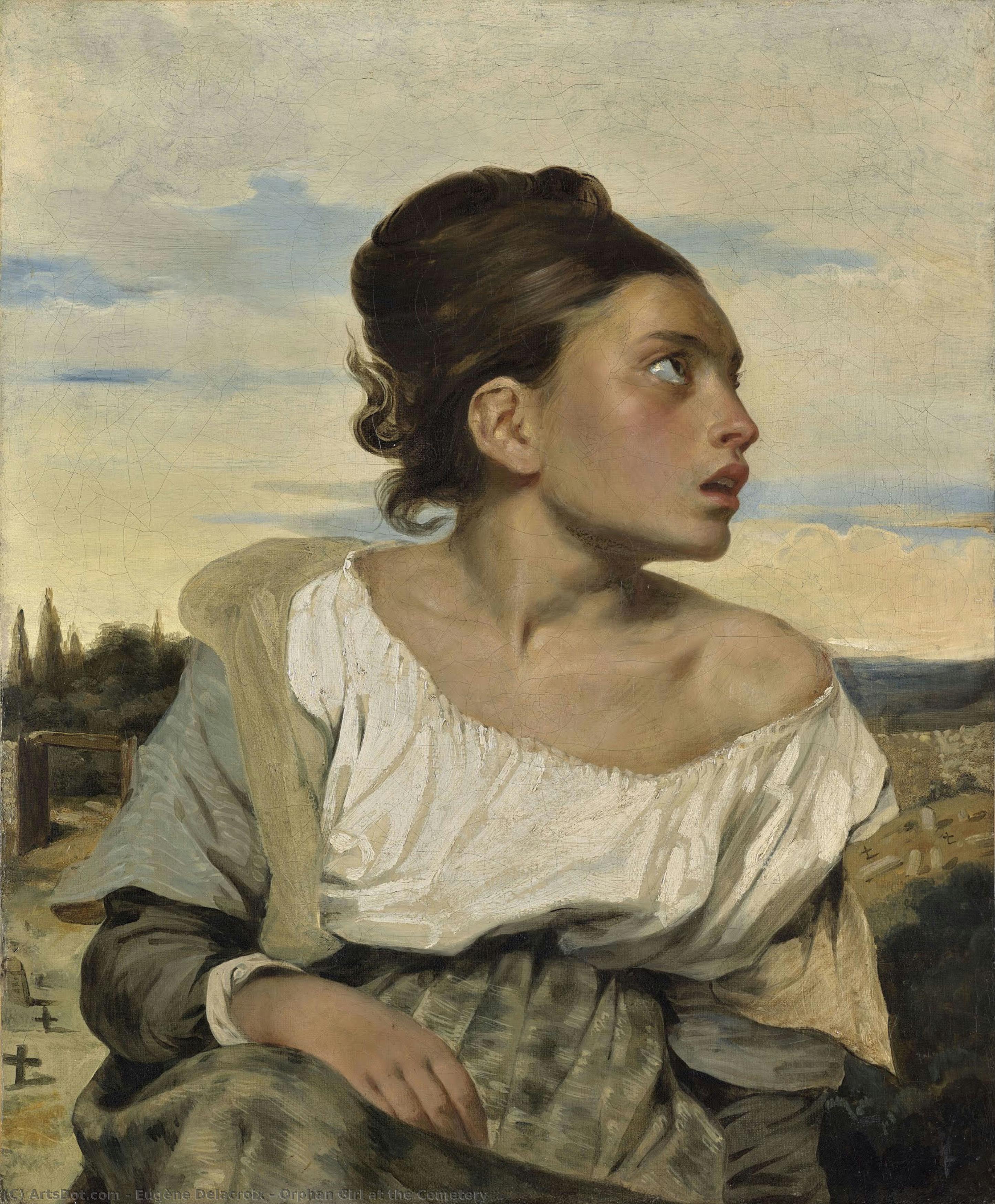
Orphan Girl at the Cemetery
 Oil On Canvas
- WallArt
- Romantic Movement
 19th Century
 65.0 x 54.0 cm
 Grand Palais
 Read More
Hand Made Oil Reproduction
Hand-painted oil on canvas in your size and frame, made to order by our artists. ( Buy Print Buy Image)




P118B $10

P118H $10

P118W $10

P438Z $10

P508JH $12

P508YH $12

P805H $10

P805Z $10

P919BZ $10

P919G $10

P919XJ $10

P959ZH $10

P968JZ $12

W106C $8

W218G $10

W218JH $8

W218Y $10

W307PJ $10

W316G $10

W316PJ $8

W316Y $10

W398PJ $8

W4111J $10

W500HY $15

W500JH $15

W692G $12

W849H $8

W940BG $15

W953PJ $8




Pick from our preset sizes that match the artwork's original proportions.

You may enter your own dimensions to fit a specific frame or space. If your selected size does not match the original image's proportions, we will either crop the artwork or extend the painting with additional hand-painted elements. A digital mockup will be sent for your approval before production begins.
Please note that the on-screen preview does not reflect the actual cropping or extension. Only the mockup will accurately show the final composition.
While custom sizes are available, we recommend selecting a dimension from the predefined list to preserve the original proportions.
After order, ArtsDot.com team will email client for instructions and provide a mockup preview
Worldwide Delivery () in 3/4 weeks instead of standard 5 weeks. (16 August). No compromise on quality.

Free Worldwide Express Shipping

High-Quality Linen Canvas

Full Shipping Insurance

Customs Tax Refund Guarantee

True Color Matching Guarantee

60-Day Return Policy (Defects Only)

100% Money-Back Guarantee

Bulk Discount Offer
 Glass option is only available in size under 110 CM

Orphan Girl at the Cemetery
Reproduction Medium
Reproduction Size
-


Total Price
$ 263
Artwork Description
A Portrait of Melancholy: Delacroix’s *Orphan Girl at the Cemetery*
Ferdinand Victor Eugène Delacroix's Orphan Girl at the Cemetery, rendered in muted tones and imbued with a palpable sense of sorrow, offers a poignant glimpse into the heart of Romanticism. Measuring 65 x 54 cm, this intimate portrait transcends mere representation; it’s a carefully constructed meditation on loss, memory, and the enduring weight of the past. Painted circa 1830-1835, during Delacroix's most intensely productive period, the work exemplifies his shift away from the grand historical narratives favored by Neoclassicism towards deeply personal and emotionally resonant subjects.
- Subject & Composition: The central figure, a young woman with long, flowing brown hair, dominates the canvas. Her posture – gazing into the distance with a contemplative expression – immediately draws the viewer in, inviting speculation about her inner thoughts and experiences. The inclusion of the cemetery setting, punctuated by two stark trees and a weathered clock, amplifies the atmosphere of solemnity and decay.
- Delacroix’s Romantic Vision: Delacroix was a pivotal figure in the Romantic movement, rejecting the cool rationality of Neoclassicism for an embrace of intense emotion, dramatic lighting, and subjective experience. This painting is a prime example of this shift; it prioritizes feeling over precise detail, utilizing loose brushstrokes and a rich, almost velvety texture to convey mood rather than photographic accuracy.
Technique & Materials: A Masterclass in Atmospheric Painting
Delacroix’s mastery lies not just in his subject matter but also in his technical execution. The painting is executed primarily in oil on canvas, utilizing a technique known as *alla prima*, meaning “at first light.” This approach involved applying wet paint onto wet surface, allowing for rapid brushwork and a sense of immediacy. Notice the subtle gradations of color – the delicate washes of white in the girl’s dress, the earthy browns and greens of the foliage, and the muted blues and grays that contribute to the overall somber mood. The artist's use of impasto—thickly applied paint—adds a tactile quality to the work, particularly evident in the texture of the trees and the clock face, further enhancing its emotional impact.
- Color Palette: Delacroix employs a restrained color palette dominated by browns, grays, and whites. This deliberate choice contributes significantly to the painting’s melancholic tone, evoking feelings of sadness, isolation, and perhaps even regret.
- Brushwork: The loose, expressive brushstrokes are characteristic of Delacroix's style, conveying movement and emotion with remarkable fluidity.
Symbolism & Historical Context
The cemetery setting is laden with symbolic weight. It represents mortality, remembrance, and the cyclical nature of life and death – themes central to Romantic thought. The clock, a recurring motif in Delacroix’s work, serves as a potent reminder of the passage of time and the fleeting nature of human existence. Painted during a period of significant social and political change in France—the aftermath of the July Revolution of 1830—the painting can be interpreted as reflecting a broader sense of disillusionment and uncertainty. Delacroix, deeply affected by the events surrounding him, often explored themes of loss and suffering in his art.
- Romantic Themes: The work embodies core Romantic tenets – an emphasis on emotion, imagination, and the sublime—reflecting a reaction against the Enlightenment’s focus on reason.
- Social Commentary (Subtle): While not overtly political, the painting subtly reflects the anxieties of a society grappling with rapid change and social upheaval.
Emotional Impact & Artistic Legacy
Orphan Girl at the Cemetery is more than just a portrait; it’s an evocative exploration of human emotion. The girl's enigmatic gaze invites viewers to contemplate their own mortality, their relationships with loved ones, and the enduring power of memory. Delacroix’s ability to capture such profound emotional depth cemented his place as one of the most influential artists of the 19th century, profoundly impacting subsequent generations of painters. This hand-painted reproduction offers a unique opportunity to experience the raw beauty and emotional intensity of this iconic work firsthand.
Related Artworks
Artist Biography
A Revolutionary Brush: The Life and Legacy of Eugène Delacroix
Ferdinand Victor Eugène Delacroix, born in Charenton-Saint-Maurice near Paris in 1798, was more than just a painter; he was the embodiment of Romanticism’s fervent spirit. Emerging as a leading figure in French art during a period of societal upheaval and shifting aesthetic ideals, Delacroix rejected the rigid formalism of Neoclassicism, instead embracing drama, emotion, and a vibrant palette that would forever alter the course of painting. His life, though marked by personal tragedy, became inextricably linked with his artistic vision—a quest to capture the sublime, explore exotic realms, and express the raw power of human experience.
Delacroix’s early years were shaped by a complex family history and a somewhat fragile health. Orphaned at sixteen, he found guidance in the influential figure of Charles-Maurice de Talleyrand-Périgord, who many believed to be his true father. This connection provided him with crucial patronage and access to the Parisian art world. He initially studied under Pierre-Narcisse Guérin, a respected academic painter, but it was the work of Théodore Géricault—particularly his monumental *The Raft of the Medusa*—that truly ignited Delacroix’s artistic passion. He even posed for Géricault, absorbing the elder artist's commitment to realism and emotional intensity.
From Historical Scenes to Exotic Visions
Delacroix burst onto the Salon scene in 1822 with *Dante and Virgil in Hell*, a work that immediately signaled his departure from established norms. Inspired by Dante Alighieri’s *Inferno*, the painting showcased a bold use of color, dynamic composition, and a palpable sense of psychological turmoil. This marked the beginning of a career dedicated to exploring themes of passion, conflict, and the human condition. While initially met with mixed reactions—some critics lauded his originality, others dismissed his work as chaotic and lacking in classical refinement—Delacroix persevered, developing a distinctive style characterized by loose brushwork, rich textures, and an emphasis on movement.
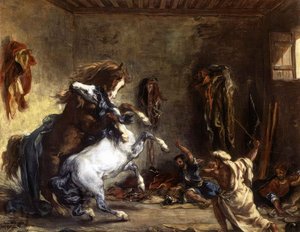
His fascination extended beyond historical and literary subjects. A pivotal journey to North Africa in 1832 profoundly impacted his artistic trajectory. Immersing himself in the vibrant culture of Morocco, Delacroix was captivated by the exotic landscapes, the nomadic lifestyle of the Arab tribes, and the intensity of their traditions. This experience infused his paintings with a newfound sense of color, light, and energy, as seen in works like *Arab Horses Fighting* and numerous studies of Algerian life. He wasn’t merely documenting these scenes; he was seeking to understand the underlying spirit of a culture vastly different from his own.
The Power of Color and Political Engagement
Delacroix's mastery of color is arguably his most enduring legacy. He drew inspiration from the Baroque exuberance of Rubens and the Venetian Renaissance masters, prioritizing chromatic intensity over precise draftsmanship. He understood that color could evoke emotion, create atmosphere, and convey meaning in ways that line alone could not. This innovative approach profoundly influenced subsequent generations of artists, paving the way for Impressionism and Post-Impressionism.
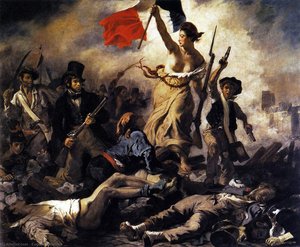
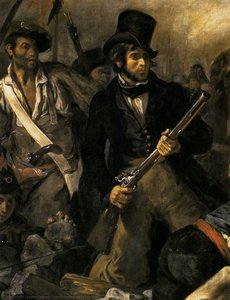
Beyond his aesthetic innovations, Delacroix was a politically engaged artist. His most iconic work, *Liberty Leading the People* (1830), is not simply a depiction of the July Revolution; it’s a powerful allegory for freedom and rebellion. The painting's dynamic composition, allegorical figures, and raw emotional power cemented its place in art history as a symbol of French national identity and revolutionary ideals. It wasn’t just about documenting an event; it was about capturing the spirit of a nation fighting for its liberty.
A Lasting Influence
Delacroix continued to paint prolifically throughout his life, exploring diverse themes ranging from Shakespearean tragedies to biblical narratives. He also made significant contributions as a lithographer, illustrating works by literary giants like William Scott and Johann Wolfgang von Goethe. His studio became a hub for artistic exchange, attracting aspiring painters who were drawn to his unconventional approach.
By the time of his death in 1863, Delacroix had firmly established himself as one of France’s greatest artists. His influence extended far beyond the Romantic movement, shaping the development of modern painting and inspiring countless artists with his bold use of color, dynamic compositions, and unwavering commitment to emotional expression. He remains a pivotal figure in art history—a testament to the power of individual vision and the enduring allure of the sublime.
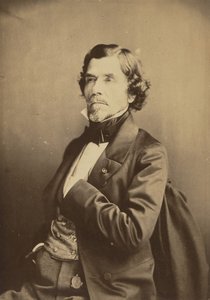
Eugène Delacroix
1798 - 1863 , France
Quick Facts
- Artistic Movement Or Style: Romanticism
- Artists Or Movements Influenced By This Artist:
- Impressionism
- Post-Impressionism
- Artists Who Influenced This Artist:
- Rubens
- Venetian Renaissance painters
- Date Of Birth: April 26, 1798
- Date Of Death: August 13, 1863
- Full Name: Eugène Delacroix
- Nationality: French
- Notable Artworks:
- Liberty Leading the People
- The Death of Sardanapalus
- Arab Horses Fighting
- Place Of Birth: Chantonnay, France
Related Articles
Ferdinand Delacroix: Romanticism's Revolutionary Brush – A Study of Passion, Politics, and Painterly Innovation
Explore the revolutionary art of Eugène Delacroix, leader of French Romanticism. Discover his masterful use of color, political engagement, and lasting influence on modern painting. Learn about key works & history.
Romanticism's Greatest Artworks: 10 Masterpieces for Your Home |
Journey through Romanticism's soul with 10 iconic artworks by Delacroix, Goya & Turner. Explore emotional landscapes and historical drama. Find museum-quality art reproductions to elevate your home at – Discover all masterpieces online!
Romantic Realism's Finest: 10 Masterpieces for Your Home | ArtsDot
Explore 10 defining masterpieces of Romantic Realism! Discover Courbet, Millet & Daumier's powerful paintings—capturing emotion and social realities. Find museum-quality reproductions for your home at ArtsDot.com.

Paul Huet: Capturing the Essence of French Romanticism Through Light and Landscape
Explore the captivating world of Paul Huet (1803-1869), a master of French Romantic landscape painting. Discover his influence on Barbizon & Impressionism, and browse high-quality reproductions at ArtsDot.

The Allure of Romantic Vibe in Artwork: A Historical & Psychological Exploration
Explore the captivating world of Romantic art! Discover its history, psychological depth, key artists like Friedrich & Goya, and find timeless pieces for your collection at ArtsDot.com.