 Preview
 Send
Send Share
Share
 Details

 Download
 Similars
 X-Ray
X-Ray Diaporama
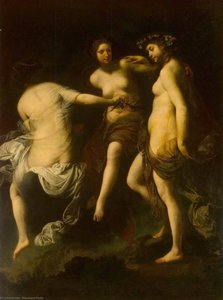
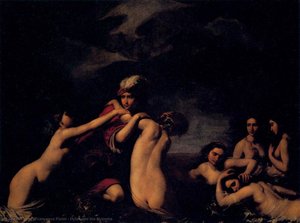
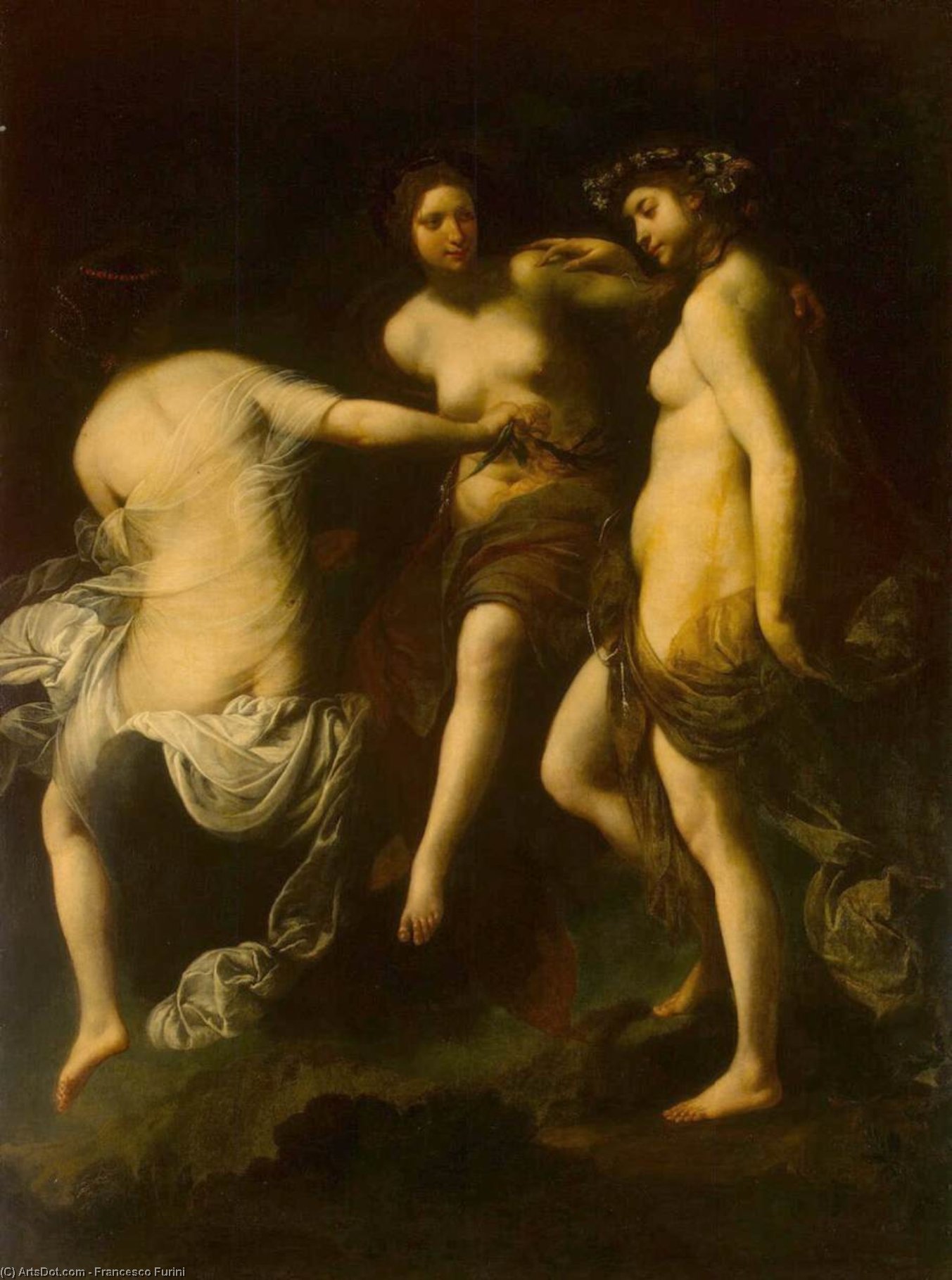
The Three Graces
 Oil On Canvas
- WallArt
- Baroque
 1633
1633 226.0 x 176.0 cm
 Hermitage Museum
 Read More
Hand Made Oil Reproduction
Hand-painted oil on canvas in your size and frame, made to order by our artists. ( Buy Print Buy Image)




P118B $10

P118H $10

P118W $10

P438Z $10

P508JH $12

P508YH $12

P805H $10

P805Z $10

P919BZ $10

P919G $10

P919XJ $10

P959ZH $10

P968JZ $12

W106C $8

W218G $10

W218JH $8

W218Y $10

W307PJ $10

W316G $10

W316PJ $8

W316Y $10

W398PJ $8

W4111J $10

W500HY $15

W500JH $15

W692G $12

W849H $8

W940BG $15

W953PJ $8




Pick from our preset sizes that match the artwork's original proportions.

You may enter your own dimensions to fit a specific frame or space. If your selected size does not match the original image's proportions, we will either crop the artwork or extend the painting with additional hand-painted elements. A digital mockup will be sent for your approval before production begins.
Please note that the on-screen preview does not reflect the actual cropping or extension. Only the mockup will accurately show the final composition.
While custom sizes are available, we recommend selecting a dimension from the predefined list to preserve the original proportions.
After order, ArtsDot.com team will email client for instructions and provide a mockup preview
Worldwide Delivery () in 3/4 weeks instead of standard 5 weeks. (16 August). No compromise on quality.

Free Worldwide Express Shipping

High-Quality Linen Canvas

Full Shipping Insurance

Customs Tax Refund Guarantee

True Color Matching Guarantee

60-Day Return Policy (Defects Only)

100% Money-Back Guarantee

Bulk Discount Offer
 Glass option is only available in size under 110 CM

The Three Graces
Reproduction Medium
Reproduction Size
-


Total Price
$ 263
Artwork Description
Francesco Furini’s “The Three Graces”: A Florentine Baroque Embrace
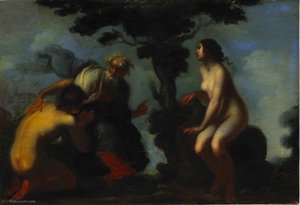
Francesco Furini's "The Three Graces," painted in 1633, is more than just a depiction of mythological figures; it’s a profound meditation on beauty, grace, and the sensual allure of the Renaissance. Emerging from the vibrant artistic milieu of Florence during the High Baroque period, Furini masterfully captures the essence of these ethereal goddesses – Euphrosyne, Aglaia, and Thalia – in a composition that resonates with both classical ideals and a distinctly Italian sensibility. The painting’s power lies not merely in its technical execution but also in its evocative portrayal of feminine beauty and the subtle interplay between light and shadow.
Furini's style is immediately recognizable as Florentine Baroque, characterized by a rich palette, dramatic lighting, and a masterful use of sfumato – a technique borrowed from Leonardo da Vinci that creates soft, hazy outlines, lending an air of mystery and sensuality to the figures. The composition itself is carefully balanced, drawing the eye across the canvas with a graceful flow. The women are not rigidly posed; instead, they appear caught in moments of quiet contemplation, their limbs subtly intertwined, suggesting a harmonious unity. This fluidity contrasts sharply with the more static depictions common in earlier Renaissance art, reflecting the Baroque’s emphasis on movement and emotion.
The Mythological Roots and Symbolism
The Three Graces – or Charites as they were known in Greek mythology – held a significant place in both Greek and Roman culture. Born from Zeus and Eurynome, they represented joy, beauty, fertility, and prosperity. Each Grace embodied a distinct aspect of these qualities: Euphrosyne, the embodiment of mirth and laughter; Aglaia, representing radiant beauty and splendor; and Thalia, symbolizing youthful grace and abundance. In Furini’s painting, these attributes are subtly conveyed through their gestures, expressions, and the overall atmosphere of serenity and delight.
The choice to depict them in a state of repose is particularly noteworthy. Rather than engaging in boisterous revelry, they seem lost in an internal contemplation, suggesting that true beauty lies not just in outward appearance but also in inner harmony and grace. The setting itself – a softly rendered landscape bathed in diffused light – further reinforces this sense of tranquility and spiritual depth. It’s a deliberate departure from the more overtly celebratory depictions found in earlier art, aligning with the Baroque's exploration of human emotion and the sublime.
Technique and Artistic Influences
Furini’s technical skill is evident in every detail of the painting. His masterful use of sfumato creates a remarkable sense of depth and atmosphere, blurring the lines between the figures and the background landscape. The delicate rendering of their skin tones, the subtle folds of their drapery, and the graceful curves of their bodies demonstrate his deep understanding of human anatomy and form. Furini’s work is heavily influenced by Caravaggio, particularly in his dramatic use of light and shadow – a technique known as chiaroscuro – which adds to the painting's emotional intensity.
Furthermore, Furini was deeply immersed in the artistic traditions of Florence, drawing inspiration from both classical antiquity and the works of his contemporaries. The influence of Raphael is particularly noticeable in the idealized beauty of the figures and their harmonious proportions. However, Furini’s work possesses a distinctly Florentine character – a sensual richness and an emotional depth that set it apart from its Italian counterparts.
A Legacy of Sensuality and Beauty
"The Three Graces" remains a captivating masterpiece, embodying the spirit of the Florentine Baroque. It is a testament to Furini’s artistic genius and his ability to capture the essence of beauty, grace, and human emotion. The painting's enduring appeal lies in its timeless depiction of feminine allure and its exploration of the profound connection between art, mythology, and the human soul. It continues to inspire artists and viewers alike, offering a glimpse into a world where beauty is not merely superficial but a reflection of inner harmony and spiritual depth.
Related Artworks

Artist Biography
The Florentine Visionary: The Life and Legacy of Francesco Furini
Francesco Furini stands as a singular figure in the Florentine Baroque landscape—a painter whose sensual sfumato technique and profound engagement with biblical narratives captivated audiences of his time and continues to intrigue art historians today. Born into an artistic lineage within Florence’s vibrant cultural milieu, Furini's very foundation was steeped in the tradition of visual representation. His father, Filippo, was a respected portrait artist, establishing a domestic environment where the nuances of light and form were part of daily life. This familial devotion to art extended to his siblings; while his sister Alessandra pursued painting, another sibling, Angelica, graced the court of Cosimo II de' Medici with her vocal talents, creating a household brimming with the creative energies that would later define Furini’s masterpieces.
His early artistic education commenced under the tutelage of Matteo Rosselli, a master whose pupils included notable figures like Lorenzo Lippii and Baldassare Franceschini. Through Rosselli, Furini was introduced to the refined Mannerist style prevalent in Florence during his youth. However, his thirst for innovation led him beyond these traditional boundaries. He absorbed vital lessons from Domenico Passignano and Giovanni Biliverti, artists instrumental in shaping the stylistic sensibilities of the Florentine school. A significant connection was also forged with Giovanni da San Giovanni, a friendship that anchored Furini within the influential artistic community of his era.
A Journey Through Light and Shadow
A pivotal moment in Furini’s development arrived in 1619 when he ventured to Rome. This city, pulsating with the revolutionary energy of Caravaggio and his followers, offered a transformative encounter with groundbreaking techniques. The Roman atmosphere, thick with the legacy of chiaroscuro and dramatic realism, irrevocably altered his stylistic trajectory. It was here that Furini began to bridge the gap between the conservative Mannerist traditions of his Florentine roots and the burgeoning, emotive power of the Baroque era. This synthesis allowed him to develop a signature style characterized by soft, blurred edges and a dreamlike quality that made his figures appear almost ethereal.
Furini’s mastery is perhaps most evident in his ability to render the human form with an unparalleled delicacy. His work often features:
- The Three Graces: A sensual Baroque masterpiece depicting the goddesses of joy and beauty, where the soft application of paint creates a sense of divine luminosity.
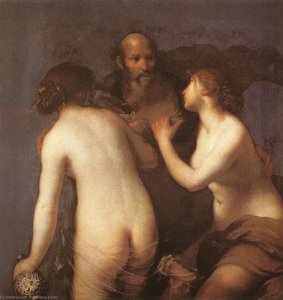
- Lot and His Daughters: A captivating exploration of biblical narrative, showcasing his ability to weave complex human emotion with masterful sfumato.
- St. Agatha: An evocative oil painting that utilizes dramatic light and shadow to highlight the symbolic strength and vulnerability of the saint.
Artistic Influence and Historical Significance
Beyond his own brushwork, Furini played a crucial role in the continuity of the Florentine tradition through his commitment to nurturing new talent. His pupils, including Simone Pignoni and Giovanni Battista Galestruzzi, carried forward his distinctive approach, ensuring that his soft-focus aesthetic left a lasting imprint on the next generation of Italian painters. His ability to blend the mythological with the sacred allowed him to navigate both the secular tastes of aristocratic patrons and the profound requirements of religious commissions.
Though his reputation faced periods of obscurity, Furini was rediscovered in the 20th century, allowing modern audiences to appreciate the sophisticated emotional intelligence embedded in his work. He remains a master of the "soft" Baroque, an artist who could capture the fleeting nature of beauty and the weight of spiritual devotion with equal grace. His legacy survives not just in the museums that house his treasures, such as the Hermitage or the Prado, but in the very way we perceive the intersection of light, flesh, and divinity in the history of Western art.
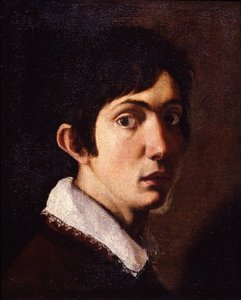
Francesco Furini
1603 - 1646 , Italy
Quick Facts
- Artistic Movement Or Style: Baroque
- Artists Or Movements Influenced By This Artist: ['Guido Reni']
- Artists Who Influenced This Artist:
- Matteo Rosselli
- Domenico Passignano
- Giovanni Biliverti
- Date Of Birth: Florence, Italy (1603)
- Date Of Death: 1646
- Full Name: Francesco Furini
- Nationality: Italian
- Notable Artworks:
- Cephalus and Aurora
- Clio, the Muse of History
- St. Agatha
- Place Of Birth: Florence
Related Articles

Baroque Masterpieces: 10 Paintings That Defined an Era |
Journey through the drama & grandeur of Baroque art! Explore 10 masterpieces by Caravaggio, Rembrandt, Rubens & more. Discover stunning oil paintings, rich colors & timeless stories. Find museum-quality reproductions at .

Baroque Drama: Bringing Opulence & Emotion into Contemporary Interiors
Explore the opulent world of Baroque interior design! Discover key elements, modern applications & how to bring dramatic elegance into your home with 's authentic reproductions.
From Grandeur to Grace: Exploring the Evolution of Baroque & Rococo Art
Explore the captivating evolution from Baroque's drama to Rococo's grace! Discover key artists, characteristics & lasting influence of these art movements with expert insights at ArtsDot.

The Visceral Stage: Exploring Dramatic Narratives & Emotional Intensity in Baroque Art
Explore the dramatic world of Baroque art! Discover iconic masters like Caravaggio & Rembrandt, their techniques, and the movement's lasting impact. Expert insights for collectors & enthusiasts at ArtsDot.
Simon Vouet: A Baroque Master's Journey from Italian Influence to French Classicism
Explore the life & art of Simon Vouet, a pivotal French Baroque painter who introduced Italian styles to France. Discover his masterpieces and lasting influence on 17th-century art.