 Preview
 Send
Send Share
Share
 Details

 Download
 Similars
 X-Ray
X-Ray Diaporama
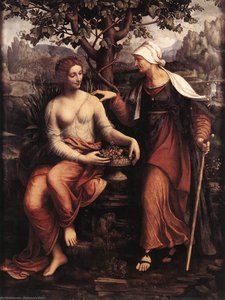
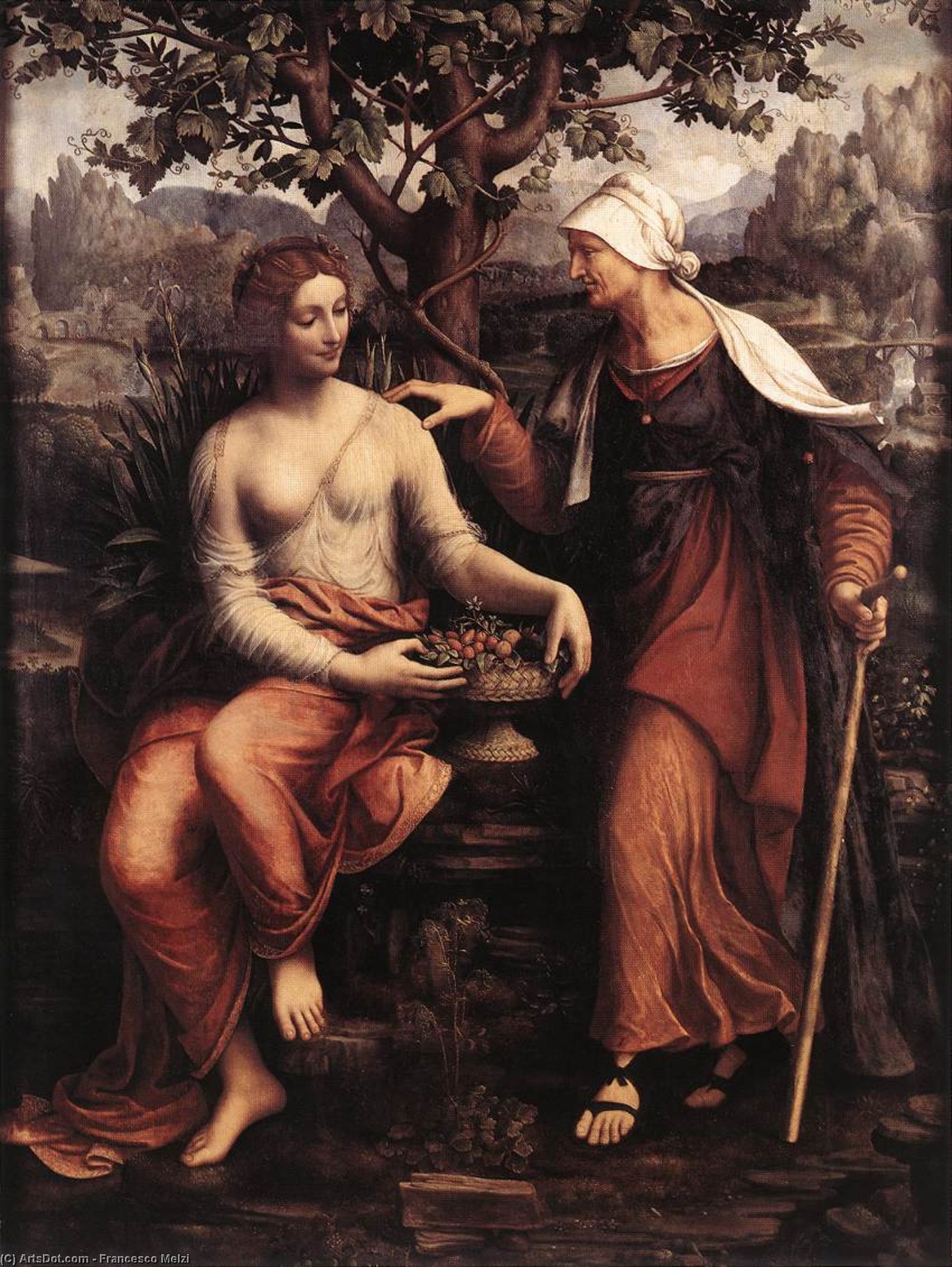
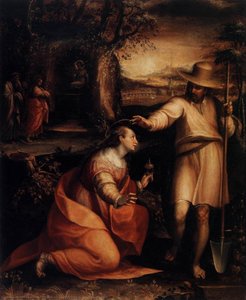
Pomona and Vertumnus
 Oil On Canvas
- WallArt
- Renaissance Mannerism
 1517
1517- Renaissance
 185.0 x 134.0 cm
 Staatliche Museen
 Read More
Hand Made Oil Reproduction
Hand-painted oil on canvas in your size and frame, made to order by our artists. ( Buy Print Buy Image)




P118B $10

P118H $10

P118W $10

P438Z $10

P508JH $12

P508YH $12

P805H $10

P805Z $10

P919BZ $10

P919G $10

P919XJ $10

P959ZH $10

P968JZ $12

W106C $8

W218G $10

W218JH $8

W218Y $10

W307PJ $10

W316G $10

W316PJ $8

W316Y $10

W398PJ $8

W4111J $10

W500HY $15

W500JH $15

W692G $12

W849H $8

W940BG $15

W953PJ $8




Pick from our preset sizes that match the artwork's original proportions.

You may enter your own dimensions to fit a specific frame or space. If your selected size does not match the original image's proportions, we will either crop the artwork or extend the painting with additional hand-painted elements. A digital mockup will be sent for your approval before production begins.
Please note that the on-screen preview does not reflect the actual cropping or extension. Only the mockup will accurately show the final composition.
While custom sizes are available, we recommend selecting a dimension from the predefined list to preserve the original proportions.
After order, ArtsDot.com team will email client for instructions and provide a mockup preview
Worldwide Delivery () in 3/4 weeks instead of standard 5 weeks. (17 August). No compromise on quality.

Free Worldwide Express Shipping

High-Quality Linen Canvas

Full Shipping Insurance

Customs Tax Refund Guarantee

True Color Matching Guarantee

60-Day Return Policy (Defects Only)

100% Money-Back Guarantee

Bulk Discount Offer
 Glass option is only available in size under 110 CM

Pomona and Vertumnus
Reproduction Medium
Reproduction Size
-


Total Price
$ 263
Artwork Description
A Verdant Dialogue: Unveiling Pomona and Vertumnus
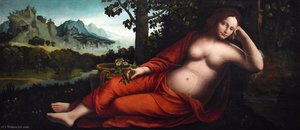
To gaze upon this exquisite depiction of Pomona and Vertumnus is to step directly into the sun-dappled, fertile heart of Renaissance mythology. The scene unfolds with an intimacy that belies its grand subject matter; it is a moment caught between conversation and burgeoning life. Here, nature itself seems to whisper secrets between two figures—the goddess of fruitfulness and the embodiment of seasonal change. The composition draws the eye immediately to the gentle exchange occurring between them. The woman, seated upon a stone bench that anchors her to the earth, exudes an air of serene contemplation, while the man stands beside her, his posture suggesting both attentive listening and vibrant energy. Their shared focus, punctuated by the fruit held delicately in their hands, transforms what might be a simple portrait into a profound meditation on bounty, time, and transformation.
The Artistry of Francesco Melzi
This masterpiece bears the unmistakable hand of Francesco Melzi, an artist whose career was deeply interwoven with the cultural currents of Milan during the early sixteenth century. While Melzi’s genius is often understood through his association with Leonardo da Vinci, this work showcases his own refined skill as a narrative painter. His technique here speaks to the polished elegance characteristic of the period—a masterful blend of detailed naturalism and idealized human form. Observe the handling of light; it seems to emanate from an unseen source filtering through the background foliage, lending a luminous quality to their skin and the rich textures of the surrounding environment. The inclusion of tangible objects, such as the two visible bowls, grounds the ethereal conversation in a moment of palpable reality.
Symbolism Woven into Nature's Tapestry
The symbolism at play is as rich as the harvest depicted. Pomona herself represents abundance and the gifts of the earth, while Vertumnus embodies metamorphosis—the passage from one season to the next, a constant state of becoming. The fruit they share is not merely decorative; it is a potent symbol of life's cyclical nature, the promise inherent in every bloom, and the sweetness found within change itself. The background tree serves as more than mere setting; it acts as a living metaphor for time’s relentless yet beautiful cycle. For the collector or decorator, this piece offers not just decoration, but a philosophical anchor—a reminder that endings are merely preparations for glorious new beginnings.
Creating an Atmosphere of Renaissance Grace
For those seeking to infuse a space with the intellectual romance and deep artistry of the Italian Renaissance, this reproduction is unparalleled. Its scale (185 x 134 cm) allows it to command attention in a grand hall or library, yet its subject matter invites quiet contemplation in a more intimate setting. The depth achieved by Melzi—the interplay between the figures, the foreground objects, and the receding natural backdrop—creates an immersive experience. Owning this piece is acquiring a dialogue across centuries; it whispers of scholarly pursuits, mythological beauty, and the enduring mystery of life’s continuous unfolding.
Related Artworks
Artist Biography
A Life Entwined with Genius: The Story of Francesco Melzi
Francesco Melzi, born into the nobility of Milan in 1491, occupies a unique and often understated position within the narrative of Renaissance art. He wasn’t a master who blazed his own trail with revolutionary paintings, but rather a devoted disciple, a trusted companion, and ultimately, the guardian of Leonardo da Vinci's extraordinary legacy. His life became inextricably linked to that of the Florentine genius, shaping not only his artistic development but also defining his enduring contribution to art history. Melzi’s upbringing within the sophisticated Milanese court instilled in him a sense of refinement and responsibility, qualities that would prove invaluable as he navigated the complex world surrounding Leonardo. His father, Gerolamo Melzi, served both Francesco Sforza and Louis XII, providing a backdrop of political engagement and cultural awareness for the young artist. It was within this environment that fate intervened, bringing the fourteen-year-old Francesco into the orbit of Leonardo da Vinci upon the master’s return to Milan around 1505.The Apprenticeship: A Bond Beyond Art
Leonardo quickly recognized something special in Francesco – a gentle nature, an eager intellect, and a handsome presence that captivated him. This wasn't merely a professional arrangement; it blossomed into a deep and affectionate bond. Francesco became Leonardo’s favorite pupil, his constant companion, and more than just an assistant. He accompanied the master on his travels, witnessing firsthand the unfolding of Leonardo’s multifaceted genius in Rome (1513) and later in France (1516). Beyond assisting with paintings and sketches, Francesco served as a secretary, meticulously scribing manuscripts like the *Codex Trivulzianus*, preserving Leonardo's thoughts and observations. Perhaps his most crucial contribution during this period was his role in compiling and organizing Leonardo’s vast collection of notes on painting into what became known as the *Codex Urbinas*. This painstaking work wasn’t simply transcription; it was an act of intellectual curation, ensuring that Leonardo’s artistic theories and techniques wouldn't be lost to time. He remained steadfastly by Leonardo’s side until his death in 1519, becoming the last of his pupils to share in the master’s final years – a testament to their profound connection.Preserving a Legacy: Beyond Artistic Creation
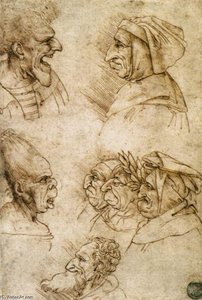
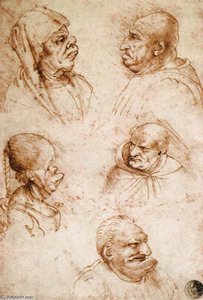
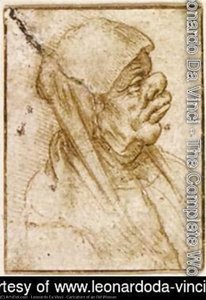
While capable as a painter himself—examples like his *Purported Self-Portrait* and *Seven Caricatures* demonstrate a refined hand and an understanding of Renaissance aesthetics—Francesco Melzi’s artistic output remains relatively limited when compared to the monumental achievements of Leonardo. His true legacy lies not in creating a vast body of original work, but in safeguarding and disseminating that of his master. Following Leonardo's death, Francesco diligently worked to complete unfinished paintings and plans left behind, ensuring their realization even after the artist’s passing. More importantly, he became the executor of Leonardo’s will, entrusted with the immense responsibility of caring for his artistic estate. This involved not only protecting the physical artworks but also preserving the intellectual wealth contained within Leonardo's notebooks and manuscripts. He understood the importance of these writings, recognizing them as a key to unlocking the secrets of Leonardo’s genius. Though immediate publication wasn’t undertaken, Francesco ensured that Leonardo’s ideas were carefully preserved for future generations.Family, Inheritance, and Enduring Influence
Returning to Italy after Leonardo's death, Francesco married Angiola di Landriani and established a family, fathering eight children. The responsibility of continuing Leonardo’s legacy remained paramount, however. His son, Orazio, would eventually inherit the precious manuscripts—a continuation of the trust placed in the Melzi family by Leonardo himself. This ensured that the knowledge contained within those pages wouldn't be scattered or lost but would remain accessible to scholars and artists for centuries to come. While often overshadowed by his illustrious mentor, Francesco Melzi’s contribution to art history is undeniable. He was more than just a pupil; he was a custodian of genius, a dedicated preserver of knowledge, and a vital link in the transmission of Leonardo da Vinci's revolutionary ideas. Some scholars, like Sigmund Freud, have even suggested that his close association with Leonardo may have inadvertently hindered his own artistic development, preventing him from fully establishing an independent style. Nevertheless, Francesco Melzi’s name remains forever intertwined with that of Leonardo da Vinci—a testament to a unique and enduring partnership that shaped the course of Renaissance art.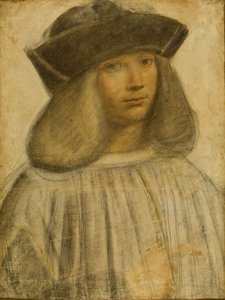
Francesco Melzi
1491 - 1570 , Italy
Quick Facts
- Artistic Movement Or Style: High Renaissance
- Artists Or Movements Influenced By This Artist: ['Renaissance art']
- Artists Who Influenced This Artist: ['Leonardo da Vinci']
- Date Of Birth: 1491
- Date Of Death: 1570
- Full Name: Francesco Melzi
- Nationality: Italian
- Notable Artworks:
- Self-Portrait
- Portrait of Melzi
- Seven Caricatures
- Place Of Birth: Milan, Italy
Related Articles
Leonardo da Vinci's Masterpieces: Explore 25 Iconic Artworks for Your Home | ArtsDot
Journey through Leonardo da Vinci's genius with our curated selection of 25 iconic artworks. Explore the stories behind Mona Lisa, The Last Supper & more Renaissance masterpieces. Find museum-quality art reproductions for your home at ArtsDot.com.
Leonardo da Vinci: A Renaissance Master’s Synthesis of Art, Science & Human Observation – Reinterpreted for the Collector
Explore Leonardo da Vinci’s timeless masterpieces with ArtsDot. Discover insights into his art, science, and legacy – trusted expertise for discerning collectors seeking authentic reproductions & investment opportunities.
Renaissance Humanism's Greatest Art: 10 Masterpieces for Your Home
Explore 10 Renaissance Humanism masterpieces by Leonardo da Vinci, Michelangelo & Raphael. Discover the stories behind these iconic paintings & sculptures and bring timeless art into your home with museum-quality reproductions from ArtsDot.com. Explore the full collection online!

Uffizi's 25 Masterpieces: Renaissance Art & Timeless Decor Inspiration
Journey through the Uffizi Gallery's 25 most iconic Renaissance artworks! Explore Botticelli, Leonardo da Vinci & Michelangelo’s masterpieces. Find museum-quality art reproductions and curated decor ideas to bring timeless Italian beauty into your home. Discover all masterpieces on ArtsDot.com

Louvre Masterpieces: Explore the Top 25 Artworks for Your Home | ArtsDot
Journey through the Louvre's 25 most iconic artworks! Explore masterpieces by Leonardo da Vinci, Michelangelo & Delacroix. Discover art history, techniques & find museum-quality reproductions for your home at ArtsDot.com.