 Preview
 Send
Send Share
Share
 Details

 Download
 Similars
 X-Ray
X-Ray Diaporama
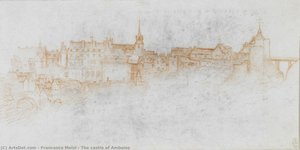
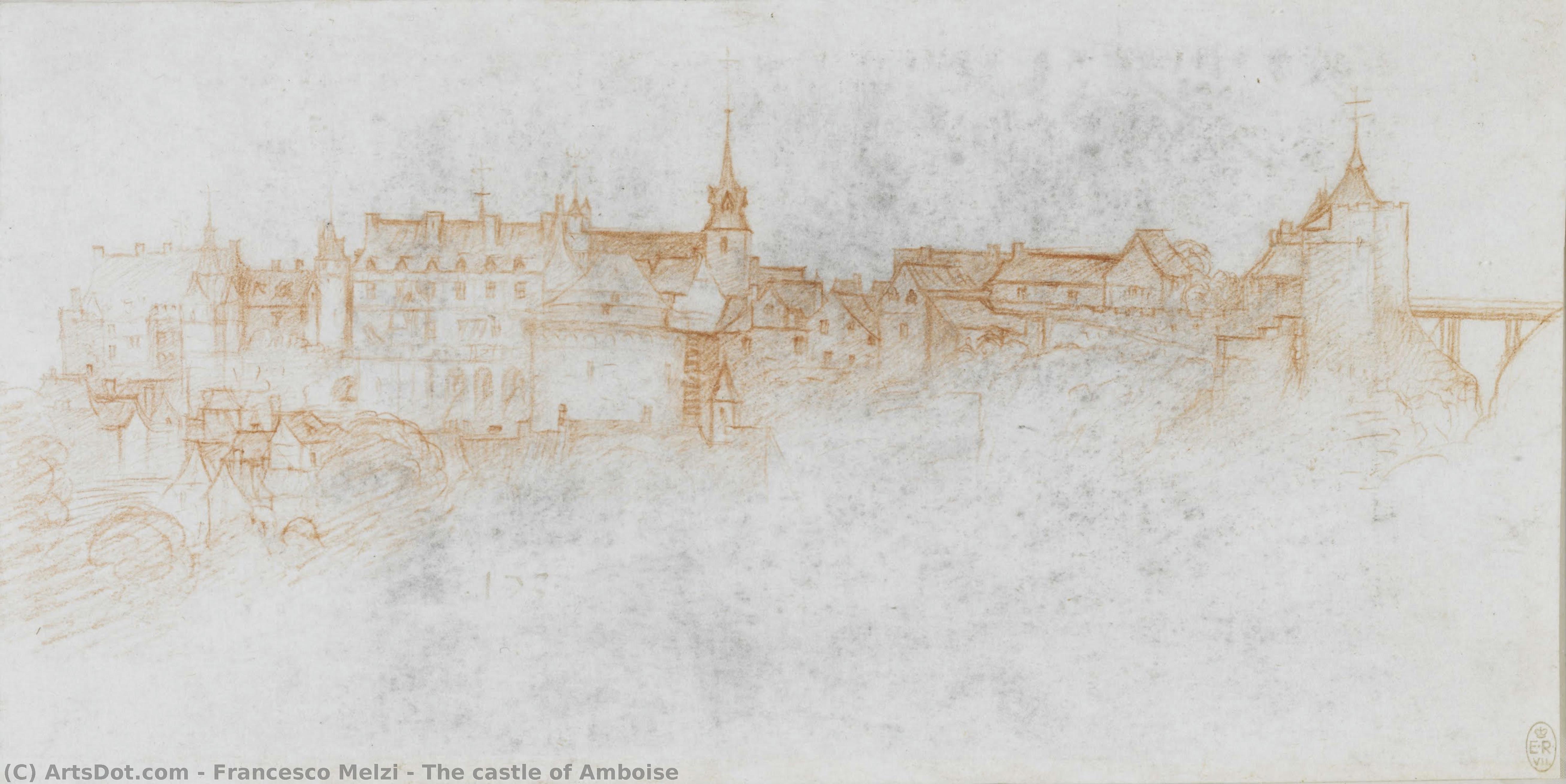
The castle of Amboise
 Drawing
- WallArt
- Renaissance
 1516
1516- Renaissance
 13.0 x 26.0 cm
 Royal Collection
 Read More
Hand Made Oil Reproduction
Hand-painted oil on canvas in your size and frame, made to order by our artists. ( Buy Print Buy Image)




P118B $10

P118H $10

P118W $10

P438Z $10

P508JH $12

P508YH $12

P805H $10

P805Z $10

P919BZ $10

P919G $10

P919XJ $10

P959ZH $10

P968JZ $12

W106C $8

W218G $10

W218JH $8

W218Y $10

W307PJ $10

W316G $10

W316PJ $8

W316Y $10

W398PJ $8

W4111J $10

W500HY $15

W500JH $15

W692G $12

W849H $8

W940BG $15

W953PJ $8




Pick from our preset sizes that match the artwork's original proportions.

You may enter your own dimensions to fit a specific frame or space. If your selected size does not match the original image's proportions, we will either crop the artwork or extend the painting with additional hand-painted elements. A digital mockup will be sent for your approval before production begins.
Please note that the on-screen preview does not reflect the actual cropping or extension. Only the mockup will accurately show the final composition.
While custom sizes are available, we recommend selecting a dimension from the predefined list to preserve the original proportions.
After order, ArtsDot.com team will email client for instructions and provide a mockup preview
Worldwide Delivery () in 3/4 weeks instead of standard 5 weeks. (17 August). No compromise on quality.

Free Worldwide Express Shipping

High-Quality Linen Canvas

Full Shipping Insurance

Customs Tax Refund Guarantee

True Color Matching Guarantee

60-Day Return Policy (Defects Only)

100% Money-Back Guarantee

Bulk Discount Offer
 Glass option is only available in size under 110 CM

The castle of Amboise
Reproduction Medium
Reproduction Size
-


Total Price
$ 263
Artwork Description
A Window into the Renaissance: The Castle of Amboise
In the quiet, contemplative atmosphere of the Loire Valley, certain landscapes hold the echoes of genius. The Castle of Amboise serves as a profound visual bridge to the twilight years of Leonardo da Vinci’s life. This exquisite drawing, likely captured by his most devoted pupil and heir, Francesco Melzi, offers an intimate perspective that deviates from the grand, sweeping vistas typically seen from the banks of the Loire River. Instead, we are invited to look through the very windows of the Clos Lucé, peering toward the imposing silhouette of the Amboise fortress as it appeared in 1516. The work captures a moment in time when the boundaries between master and student were blurred by shared observation and a mutual devotion to the nuances of light and structure.
The composition reveals a fascinating architectural tapestry, showcasing a castle that had grown organically over centuries. Through Melzi’s precise yet sensitive hand, we witness the "jumble" of medieval fortifications—a complex arrangement of defensive walls, towers, and gatehouses that reflect the haphazard evolution of French military architecture. The presence of a large, low circular tower and a wooden bridge spanning a deep ravine adds a sense of dramatic tension to the scene. There is a palpable sense of history etched into every line; the weathered stone and the cluster of humble cottages nestled against the ramparts suggest a living, breathing ecosystem where nobility and common life coexisted under the shadow of great stone walls.
Technically, the piece embodies the Renaissance fascination with topographical accuracy blended with atmospheric depth. The artist utilizes delicate linework to define the rugged textures of the masonry and the intricate details of the castle's various periods of construction. There is a subtle play of light that suggests the soft, diffused glow of a French afternoon, casting gentle shadows that give the buildings a three-dimensional weight. For the discerning collector or interior designer, this work offers more than mere decoration; it provides a sophisticated focal point that brings an air of intellectual depth and historical gravity to any space. It is a piece that invites the viewer to linger, to trace the paths of the inhabitants, and to lose themselves in the romantic, slightly melancholic beauty of a bygone era.
To possess a reproduction of this work is to hold a fragment of the Leonardo legacy. It serves as an evocative reminder of the era of the High Renaissance, where art was not merely about aesthetic beauty but about the meticulous study of the world around us. Whether placed in a grand library or a contemporary living space, The Castle of Amboise acts as a silent storyteller, evoking themes of permanence, transition, and the enduring spirit of human creativity.
Related Artworks
Artist Biography
A Life Entwined with Genius: The Story of Francesco Melzi
Francesco Melzi, born into the nobility of Milan in 1491, occupies a unique and often understated position within the narrative of Renaissance art. He wasn’t a master who blazed his own trail with revolutionary paintings, but rather a devoted disciple, a trusted companion, and ultimately, the guardian of Leonardo da Vinci's extraordinary legacy. His life became inextricably linked to that of the Florentine genius, shaping not only his artistic development but also defining his enduring contribution to art history. Melzi’s upbringing within the sophisticated Milanese court instilled in him a sense of refinement and responsibility, qualities that would prove invaluable as he navigated the complex world surrounding Leonardo. His father, Gerolamo Melzi, served both Francesco Sforza and Louis XII, providing a backdrop of political engagement and cultural awareness for the young artist. It was within this environment that fate intervened, bringing the fourteen-year-old Francesco into the orbit of Leonardo da Vinci upon the master’s return to Milan around 1505.The Apprenticeship: A Bond Beyond Art
Leonardo quickly recognized something special in Francesco – a gentle nature, an eager intellect, and a handsome presence that captivated him. This wasn't merely a professional arrangement; it blossomed into a deep and affectionate bond. Francesco became Leonardo’s favorite pupil, his constant companion, and more than just an assistant. He accompanied the master on his travels, witnessing firsthand the unfolding of Leonardo’s multifaceted genius in Rome (1513) and later in France (1516). Beyond assisting with paintings and sketches, Francesco served as a secretary, meticulously scribing manuscripts like the *Codex Trivulzianus*, preserving Leonardo's thoughts and observations. Perhaps his most crucial contribution during this period was his role in compiling and organizing Leonardo’s vast collection of notes on painting into what became known as the *Codex Urbinas*. This painstaking work wasn’t simply transcription; it was an act of intellectual curation, ensuring that Leonardo’s artistic theories and techniques wouldn't be lost to time. He remained steadfastly by Leonardo’s side until his death in 1519, becoming the last of his pupils to share in the master’s final years – a testament to their profound connection.Preserving a Legacy: Beyond Artistic Creation
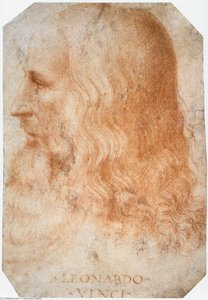
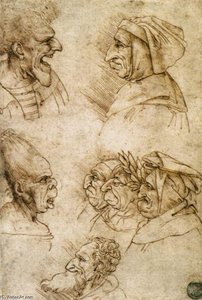
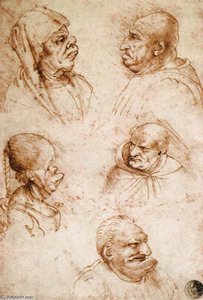
While capable as a painter himself—examples like his *Purported Self-Portrait* and *Seven Caricatures* demonstrate a refined hand and an understanding of Renaissance aesthetics—Francesco Melzi’s artistic output remains relatively limited when compared to the monumental achievements of Leonardo. His true legacy lies not in creating a vast body of original work, but in safeguarding and disseminating that of his master. Following Leonardo's death, Francesco diligently worked to complete unfinished paintings and plans left behind, ensuring their realization even after the artist’s passing. More importantly, he became the executor of Leonardo’s will, entrusted with the immense responsibility of caring for his artistic estate. This involved not only protecting the physical artworks but also preserving the intellectual wealth contained within Leonardo's notebooks and manuscripts. He understood the importance of these writings, recognizing them as a key to unlocking the secrets of Leonardo’s genius. Though immediate publication wasn’t undertaken, Francesco ensured that Leonardo’s ideas were carefully preserved for future generations.Family, Inheritance, and Enduring Influence
Returning to Italy after Leonardo's death, Francesco married Angiola di Landriani and established a family, fathering eight children. The responsibility of continuing Leonardo’s legacy remained paramount, however. His son, Orazio, would eventually inherit the precious manuscripts—a continuation of the trust placed in the Melzi family by Leonardo himself. This ensured that the knowledge contained within those pages wouldn't be scattered or lost but would remain accessible to scholars and artists for centuries to come. While often overshadowed by his illustrious mentor, Francesco Melzi’s contribution to art history is undeniable. He was more than just a pupil; he was a custodian of genius, a dedicated preserver of knowledge, and a vital link in the transmission of Leonardo da Vinci's revolutionary ideas. Some scholars, like Sigmund Freud, have even suggested that his close association with Leonardo may have inadvertently hindered his own artistic development, preventing him from fully establishing an independent style. Nevertheless, Francesco Melzi’s name remains forever intertwined with that of Leonardo da Vinci—a testament to a unique and enduring partnership that shaped the course of Renaissance art.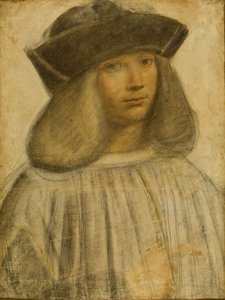
Francesco Melzi
1491 - 1570 , Italy
Quick Facts
- Artistic Movement Or Style: High Renaissance
- Artists Or Movements Influenced By This Artist: ['Renaissance art']
- Artists Who Influenced This Artist: ['Leonardo da Vinci']
- Date Of Birth: 1491
- Date Of Death: 1570
- Full Name: Francesco Melzi
- Nationality: Italian
- Notable Artworks:
- Self-Portrait
- Portrait of Melzi
- Seven Caricatures
- Place Of Birth: Milan, Italy
Related Articles

Beyond the Horizon: 10 Landscape Masterpieces for Your Home Decor
Journey through 10 breathtaking landscape paintings by Monet, Van Gogh & more! Explore iconic artworks, artistic techniques & find inspiration for your home decor. Museum-quality reproductions at ArtsDot.com. Discover all masterpieces on ArtsDot.com

John Constable's Masterpieces: Explore 25 Iconic Landscapes for Your Home
Journey through John Constable's 25 most celebrated landscapes. Explore Romanticism, Dedham Vale & his masterful use of light in iconic paintings like 'Hay Wain'. Find museum-quality art reproductions and elevate your home decor on ArtsDot.com.

Evocations of Place: A Historical Journey Through Landscape Art
Explore the rich history of landscape art with ArtsDot. Discover renowned artists, movements like Impressionism & Romanticism, and expert guidance for collecting timeless pieces. Find your perfect serene escape today!

Romantic Landscapes: 10 Masterpieces for Your Home | ArtsDot
Journey through 10 Romantic landscape masterpieces by Friedrich, Turner & Cole. Explore emotional art, sublime nature scenes & iconic 19th-century paintings. Find museum-quality reproductions for your home at ArtsDot.com – discover the full collection online!

Evoking Atmosphere & Identity: A Journey Through Landscape Painting's History
Explore the rich history of landscape painting! Discover renowned artists, movements like Romanticism, & techniques such as atmospheric perspective. Find inspiration and quality reproductions at ArtsDot.