 Preview
 Send
Send Share
Share
 Details

 Download
 Similars
 X-Ray
X-Ray Diaporama
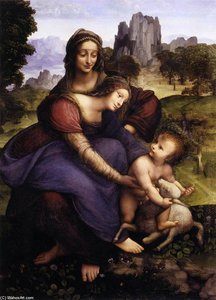
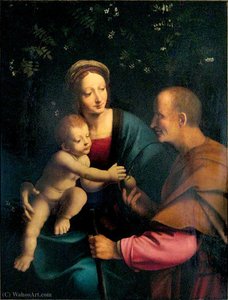
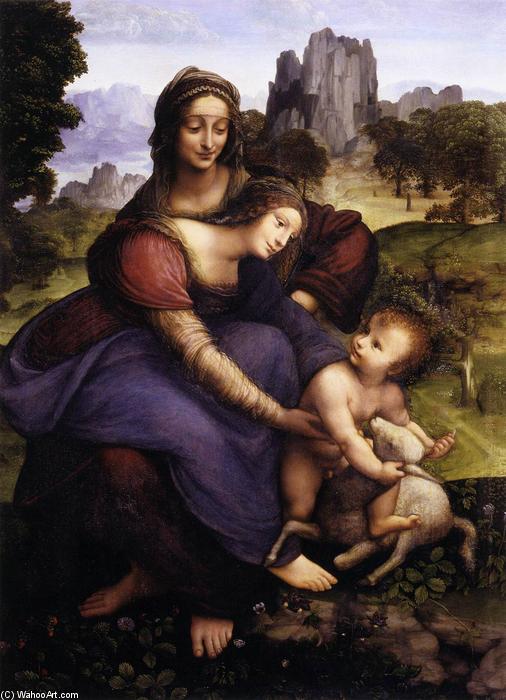
St Anne with the Virgin and the Child Embracing a Lamb
 Oil On Canvas
- WallArt
- High Renaissance
 1520
1520- Renaissance
 99.0 x 72.0 cm
 Galleria degli Uffizi
 Read More
Hand Made Oil Reproduction
Hand-painted oil on canvas in your size and frame, made to order by our artists. ( Buy Print Buy Image)




P118B $10

P118H $10

P118W $10

P438Z $10

P508JH $12

P508YH $12

P805H $10

P805Z $10

P919BZ $10

P919G $10

P919XJ $10

P959ZH $10

P968JZ $12

W106C $8

W218G $10

W218JH $8

W218Y $10

W307PJ $10

W316G $10

W316PJ $8

W316Y $10

W398PJ $8

W4111J $10

W500HY $15

W500JH $15

W692G $12

W849H $8

W940BG $15

W953PJ $8




Pick from our preset sizes that match the artwork's original proportions.

You may enter your own dimensions to fit a specific frame or space. If your selected size does not match the original image's proportions, we will either crop the artwork or extend the painting with additional hand-painted elements. A digital mockup will be sent for your approval before production begins.
Please note that the on-screen preview does not reflect the actual cropping or extension. Only the mockup will accurately show the final composition.
While custom sizes are available, we recommend selecting a dimension from the predefined list to preserve the original proportions.
After order, ArtsDot.com team will email client for instructions and provide a mockup preview
Worldwide Delivery () in 3/4 weeks instead of standard 5 weeks. (16 August). No compromise on quality.

Free Worldwide Express Shipping

High-Quality Linen Canvas

Full Shipping Insurance

Customs Tax Refund Guarantee

True Color Matching Guarantee

60-Day Return Policy (Defects Only)

100% Money-Back Guarantee

Bulk Discount Offer
 Glass option is only available in size under 110 CM

St Anne with the Virgin and the Child Embracing a Lamb
Reproduction Medium
Reproduction Size
-


Total Price
$ 263
Artwork Description
St Anne with the Virgin and the Child Embracing a Lamb – A Renaissance Echo of Divine Grace
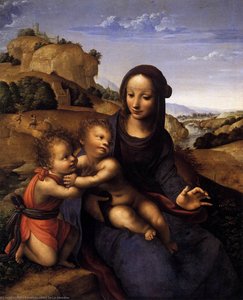
Francesco Melzi’s “St Anne with the Virgin and the Child Embracing a Lamb” stands as a testament to Leonardo da Vinci's enduring influence on Italian art. Completed around 1520, this painting transcends mere representation; it embodies a profound meditation on faith, motherhood, and sacrifice—themes central to Renaissance spirituality. Situated within the broader context of humanist thought and artistic innovation, Melzi’s work captures a moment of serene contemplation, reflecting Da Vinci's meticulous observation of nature and his masterful manipulation of pigment to convey emotional depth.- Subject Matter: The composition depicts Mary cradling Jesus while embracing Saint Anne, accompanied by a lamb—a symbol of innocence and sacrificial offering—representing Christ’s future Passion. This iconography aligns perfectly with the prevailing theological concerns of the era, specifically the veneration of the Virgin Mary as Mother of God and the contemplation of Christ's suffering for humanity’s salvation.
- Style: Melzi adheres to High Renaissance principles, prioritizing clarity of form and harmonious balance. The figures are rendered with idealized proportions, reflecting the humanist fascination with classical ideals of beauty and human perfection. Unlike earlier Gothic art, which often prioritized emotional intensity over anatomical accuracy, Melzi’s depiction prioritizes a dignified composure and serene grace.
- Technique: Employing oil paint on canvas—a technique perfected by Leonardo—Melzi achieves remarkable luminosity and tonal subtlety. Careful layering of glazes creates depth and richness, capturing the textures of fabric and skin with astonishing realism. The artist’s meticulous attention to detail is evident in every brushstroke, demonstrating a mastery of pigment mixing and glazing techniques that would become hallmarks of Renaissance painting.
Leonardo's Legacy – An Artist Shaped by Genius
Francesco Melzi’s artistic journey was inextricably linked to Leonardo da Vinci’s legacy. Recognizing Da Vinci as his mentor, Melzi diligently studied his methods and absorbed his profound understanding of human anatomy and perspective—skills that would inform his own oeuvre. The influence of Da Vinci is palpable in Melzi's compositional choices and stylistic refinements, underscoring the transformative power of artistic apprenticeship. As Sigmund Freud eloquently observed, Leonardo’s pupils often struggled to distinguish themselves from their master, mirroring a broader cultural phenomenon wherein individual creativity was subsumed by collective intellectual tradition.- The Codex Urbinas: Melzi's dedication to preserving Da Vinci’s manuscripts culminated in the compilation of the Codex Urbinas—a monumental achievement that cemented his reputation as Leonardo’s most faithful disciple. This scholarly endeavor not only safeguarded Da Vinci’s intellectual heritage but also established Melzi as a pivotal figure in shaping the trajectory of Renaissance art history.
- Florence and Rome: Melzi traveled extensively throughout Italy during Da Vinci's lifetime, immersing himself in the artistic milieu of Florence and Rome—centers of humanist culture and artistic innovation. These formative experiences instilled in him a deep appreciation for classical ideals and fueled his own creative endeavors, demonstrating the profound impact of intellectual exchange on artistic development.
Symbolism – Layers of Meaning Beyond Appearance
Beyond its formal beauty, “St Anne with the Virgin and Child Embracing a Lamb” resonates with layers of symbolic significance—reflecting the pervasive preoccupation with theological concepts during the Renaissance. The lamb itself embodies innocence and sacrificial offering—a direct allusion to Christ’s crucifixion and foreshadowing his atonement for humanity's sins. Saint Anne’s outstretched arms symbolize maternal protection and divine grace, while Mary’s serene countenance conveys spiritual contemplation and unwavering faith. These visual motifs underscore the painting’s overarching message: a celebration of divine love and compassion—themes that continue to inspire artists and viewers alike centuries later.Emotional Impact – A Moment Frozen in Time
Ultimately, Melzi's masterpiece evokes a profound sense of tranquility and spiritual connection—capturing a fleeting glimpse into the sacred realm. The harmonious balance of composition, combined with masterful tonal subtlety and luminous glazing techniques, creates an atmosphere of serene contemplation that transcends temporal boundaries. Viewing “St Anne with the Virgin and Child Embracing a Lamb” is akin to stepping back in time—immersing oneself in the artistic spirit of the High Renaissance and experiencing firsthand the enduring power of beauty to inspire awe and reverence.Related Artworks

Artist Biography
A Life Entwined with Genius: The Story of Francesco Melzi
Francesco Melzi, born into the nobility of Milan in 1491, occupies a unique and often understated position within the narrative of Renaissance art. He wasn’t a master who blazed his own trail with revolutionary paintings, but rather a devoted disciple, a trusted companion, and ultimately, the guardian of Leonardo da Vinci's extraordinary legacy. His life became inextricably linked to that of the Florentine genius, shaping not only his artistic development but also defining his enduring contribution to art history. Melzi’s upbringing within the sophisticated Milanese court instilled in him a sense of refinement and responsibility, qualities that would prove invaluable as he navigated the complex world surrounding Leonardo. His father, Gerolamo Melzi, served both Francesco Sforza and Louis XII, providing a backdrop of political engagement and cultural awareness for the young artist. It was within this environment that fate intervened, bringing the fourteen-year-old Francesco into the orbit of Leonardo da Vinci upon the master’s return to Milan around 1505.The Apprenticeship: A Bond Beyond Art
Leonardo quickly recognized something special in Francesco – a gentle nature, an eager intellect, and a handsome presence that captivated him. This wasn't merely a professional arrangement; it blossomed into a deep and affectionate bond. Francesco became Leonardo’s favorite pupil, his constant companion, and more than just an assistant. He accompanied the master on his travels, witnessing firsthand the unfolding of Leonardo’s multifaceted genius in Rome (1513) and later in France (1516). Beyond assisting with paintings and sketches, Francesco served as a secretary, meticulously scribing manuscripts like the *Codex Trivulzianus*, preserving Leonardo's thoughts and observations. Perhaps his most crucial contribution during this period was his role in compiling and organizing Leonardo’s vast collection of notes on painting into what became known as the *Codex Urbinas*. This painstaking work wasn’t simply transcription; it was an act of intellectual curation, ensuring that Leonardo’s artistic theories and techniques wouldn't be lost to time. He remained steadfastly by Leonardo’s side until his death in 1519, becoming the last of his pupils to share in the master’s final years – a testament to their profound connection.Preserving a Legacy: Beyond Artistic Creation
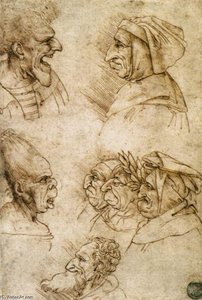
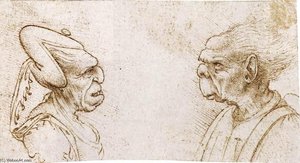
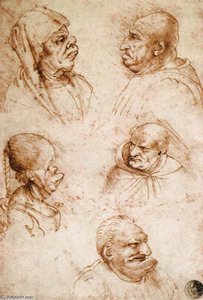
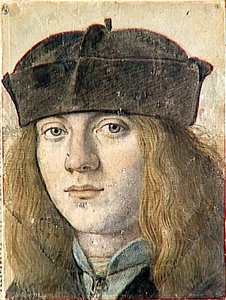
While capable as a painter himself—examples like his *Purported Self-Portrait* and *Seven Caricatures* demonstrate a refined hand and an understanding of Renaissance aesthetics—Francesco Melzi’s artistic output remains relatively limited when compared to the monumental achievements of Leonardo. His true legacy lies not in creating a vast body of original work, but in safeguarding and disseminating that of his master. Following Leonardo's death, Francesco diligently worked to complete unfinished paintings and plans left behind, ensuring their realization even after the artist’s passing. More importantly, he became the executor of Leonardo’s will, entrusted with the immense responsibility of caring for his artistic estate. This involved not only protecting the physical artworks but also preserving the intellectual wealth contained within Leonardo's notebooks and manuscripts. He understood the importance of these writings, recognizing them as a key to unlocking the secrets of Leonardo’s genius. Though immediate publication wasn’t undertaken, Francesco ensured that Leonardo’s ideas were carefully preserved for future generations.Family, Inheritance, and Enduring Influence
Returning to Italy after Leonardo's death, Francesco married Angiola di Landriani and established a family, fathering eight children. The responsibility of continuing Leonardo’s legacy remained paramount, however. His son, Orazio, would eventually inherit the precious manuscripts—a continuation of the trust placed in the Melzi family by Leonardo himself. This ensured that the knowledge contained within those pages wouldn't be scattered or lost but would remain accessible to scholars and artists for centuries to come. While often overshadowed by his illustrious mentor, Francesco Melzi’s contribution to art history is undeniable. He was more than just a pupil; he was a custodian of genius, a dedicated preserver of knowledge, and a vital link in the transmission of Leonardo da Vinci's revolutionary ideas. Some scholars, like Sigmund Freud, have even suggested that his close association with Leonardo may have inadvertently hindered his own artistic development, preventing him from fully establishing an independent style. Nevertheless, Francesco Melzi’s name remains forever intertwined with that of Leonardo da Vinci—a testament to a unique and enduring partnership that shaped the course of Renaissance art.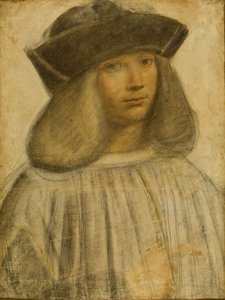
Francesco Melzi
1491 - 1570 , Italy
Quick Facts
- Artistic Movement Or Style: High Renaissance
- Artists Or Movements Influenced By This Artist: ['Renaissance art']
- Artists Who Influenced This Artist: ['Leonardo da Vinci']
- Date Of Birth: 1491
- Date Of Death: 1570
- Full Name: Francesco Melzi
- Nationality: Italian
- Notable Artworks:
- Self-Portrait
- Portrait of Melzi
- Seven Caricatures
- Place Of Birth: Milan, Italy
Related Articles

Giclée Prints: Archival Quality & Aesthetic Nuances for the Discerning Collector
Explore the world of giclée prints with ArtsDot. Learn about archival quality, aesthetic nuances & investment potential. Expert guidance for discerning art collectors seeking museum-quality reproductions and lasting value.

Echoes of Time: Exploring the Enduring Appeal & Historical Context of Vintage Art Prints
Explore the captivating world of vintage art prints! Discover their history, collecting tips & enduring appeal. Expert insights on chromolithography and building a legacy collection with ArtsDot.

Fra Angelico's Masterpieces: 25 Renaissance Paintings for Your Home | ArtsDot
Explore 25 breathtaking masterpieces by Fra Angelico, a Renaissance master. Discover the stories behind his iconic frescoes, Annunciations & religious art. Find museum-quality reproductions and elevate your home decor with ArtsDot.com.

The Enduring Legacy of Fine Art Prints: Technique, History & Aesthetic Impact
Explore the rich history & techniques of fine art prints. Discover investment potential, assess authenticity, and learn how to preserve your collection with expert guidance. Trusted insights for discerning collectors.
El Greco's Masterpieces: Explore 25 Iconic Paintings & Spiritual Visions | ArtsDot
Journey through El Greco's 25 most iconic paintings! Explore the spiritual depth & dramatic beauty of this Spanish Renaissance master. Discover art history, techniques & find museum-quality reproductions for your home at ArtsDot.com.