 Preview
 Send
Send Share
Share
 Details

 Download
 Similars
 X-Ray
X-Ray Diaporama
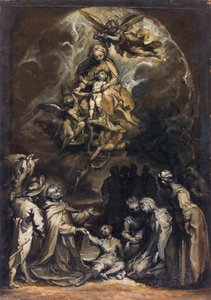
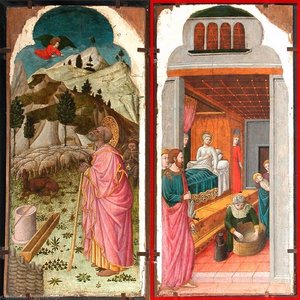
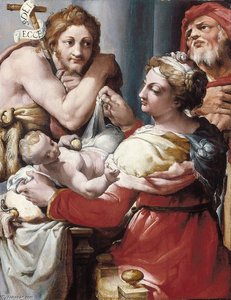
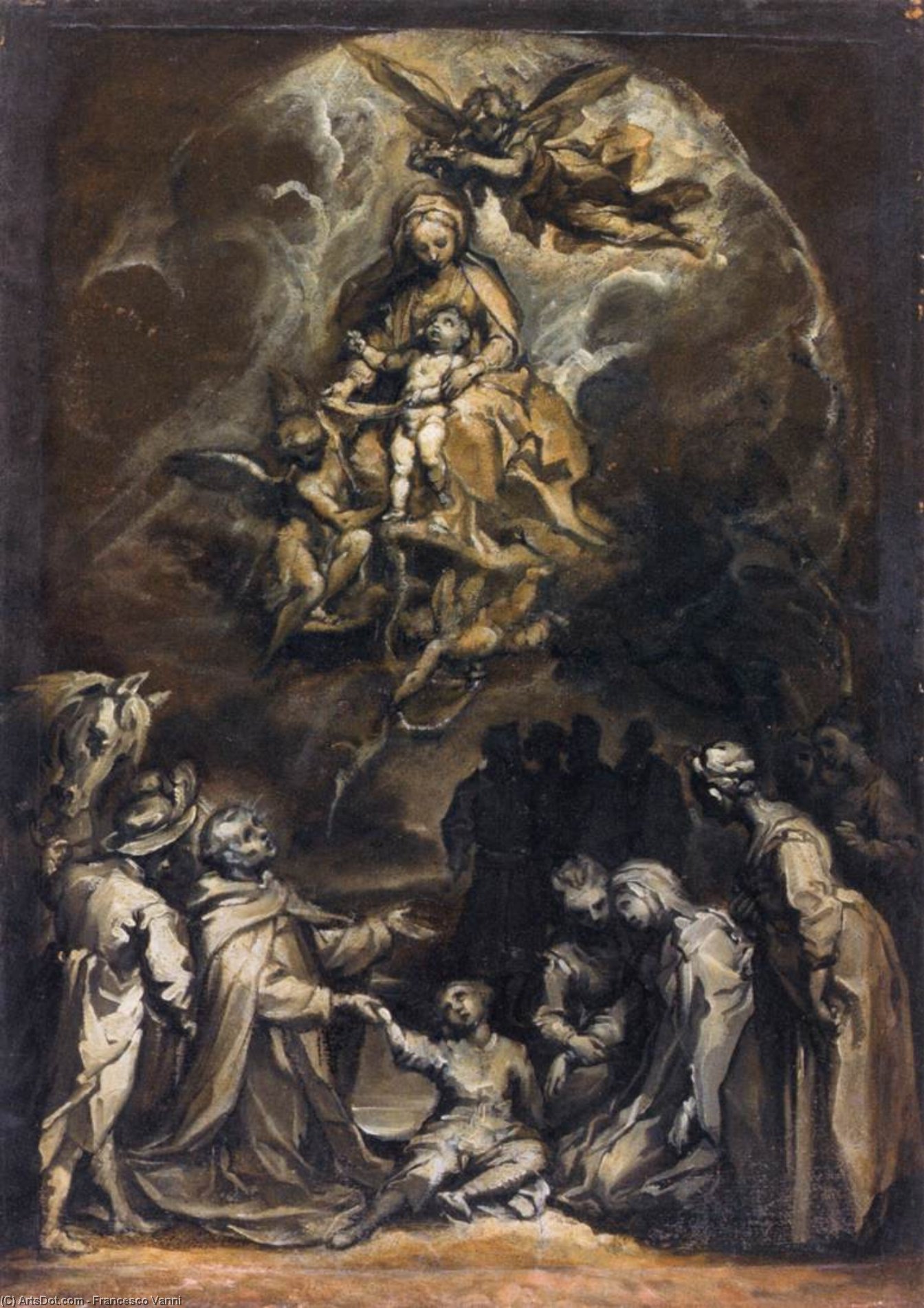
St Hyacinthus Raising a Drowned Child
 Acrylic On Canvas
- WallArt
- Renaissance Realism
 40.0 x 29.0 cm
 The Louvre
 Read More
Hand Made Oil Reproduction
Hand-painted oil on canvas in your size and frame, made to order by our artists. ( Buy Print Buy Image)




P118B $10

P118H $10

P118W $10

P438Z $10

P508JH $12

P508YH $12

P805H $10

P805Z $10

P919BZ $10

P919G $10

P919XJ $10

P959ZH $10

P968JZ $12

W106C $8

W218G $10

W218JH $8

W218Y $10

W307PJ $10

W316G $10

W316PJ $8

W316Y $10

W398PJ $8

W4111J $10

W500HY $15

W500JH $15

W692G $12

W849H $8

W940BG $15

W953PJ $8




Pick from our preset sizes that match the artwork's original proportions.

You may enter your own dimensions to fit a specific frame or space. If your selected size does not match the original image's proportions, we will either crop the artwork or extend the painting with additional hand-painted elements. A digital mockup will be sent for your approval before production begins.
Please note that the on-screen preview does not reflect the actual cropping or extension. Only the mockup will accurately show the final composition.
While custom sizes are available, we recommend selecting a dimension from the predefined list to preserve the original proportions.
After order, ArtsDot.com team will email client for instructions and provide a mockup preview
Worldwide Delivery () in 3/4 weeks instead of standard 5 weeks. (17 August). No compromise on quality.

Free Worldwide Express Shipping

High-Quality Linen Canvas

Full Shipping Insurance

Customs Tax Refund Guarantee

True Color Matching Guarantee

60-Day Return Policy (Defects Only)

100% Money-Back Guarantee

Bulk Discount Offer
 Glass option is only available in size under 110 CM

St Hyacinthus Raising a Drowned Child
Reproduction Medium
Reproduction Size
-


Total Price
$ 263
Artwork Description
St Hyacinthus Raising a Drowned Child by Francesco Vanni
Francesco Vanni’s “St Hyacinthus Raising a Drowned Child,” painted circa 1605, stands as a poignant testament to Renaissance piety and artistic mastery—a masterpiece housed within the Musée du Louvre in Paris. This monumental altarpiece transcends mere depiction; it embodies a profound meditation on compassion, divine intervention, and the enduring struggle between earthly suffering and spiritual salvation. The painting’s stylistic lineage firmly anchors itself within the Flemish Baroque tradition, mirroring the influence of Pieter Bruegel the Elder—a kindred spirit who similarly captured the complexities of human experience against a backdrop of solemn grandeur. Vanni meticulously employs chiaroscuro – dramatic contrasts between light and dark – to sculpt the figures into emotionally resonant forms. The muted palette predominately utilizes earthy tones: ochre, umber, and Sienna – colors deliberately chosen to convey humility and reverence. These hues are punctuated by subtle glimmers of gold leaf adorning the halos of St Hyacinthus and St John the Baptist, symbolizing divine grace and illuminating the scene’s spiritual core. Technically, Vanni demonstrates exceptional skill in oil paint application, layering thin glazes upon thicker undercoats to achieve remarkable luminosity and textural depth. The artist's attention to detail is evident in every brushstroke—from the folds of St Hyacinthus’ robe to the delicate rendering of the drowned child’s limp limbs. This painstaking craftsmanship underscores Vanni’s commitment to conveying not just visual accuracy but also palpable emotion. Historically, “St Hyacinthus Raising a Drowned Child” emerged during a period marked by fervent religious fervor—the Counter-Reformation—when Catholic churches across Europe sought to reaffirm faith and combat the spread of Protestantism. The iconography itself speaks volumes about this era’s anxieties and aspirations. St Hyacinthus, revered as protector of drowning men, embodies selfless devotion and unwavering faith in God's providence. His outstretched hand cradles the lifeless body of a young boy—a symbolic representation of humanity’s vulnerability before divine mercy. Above him, angels hover with compassionate gazes, signifying God’s benevolent intervention in alleviating human suffering. The inclusion of St John the Baptist, traditionally depicted as baptizing Jesus, reinforces the narrative's central theme: redemption through faith and repentance. Beyond its religious symbolism, the painting possesses a powerful emotional impact—a visceral portrayal of grief mingled with hope. The woman’s anguished expression captures the agony of maternal despair, while her unwavering gaze conveys an earnest plea for divine compassion. Vanni skillfully communicates this emotional intensity through subtle gestures and facial expressions, inviting viewers to contemplate the profound mysteries of faith and mortality. “St Hyacinthus Raising a Drowned Child” remains a timeless masterpiece—a captivating exploration of human emotion and spiritual aspiration that continues to inspire awe and contemplation centuries after its creation.- Artist: Francesco Vanni
- Date: Circa 1605
- Medium: Oil on Canvas
- Location: Musée du Louvre, Paris
Related Artworks
Artist Biography
Pieter Bruegel the Elder: A Window into Flemish Life
Pieter Bruegel the Elder, a name synonymous with 16th-century Dutch art, stands as one of the most profoundly insightful and inventive painters in European history. Born around 1525 in Breda, Netherlands – though his precise birthdate remains elusive – Bruegel’s life was inextricably linked to the vibrant commercial hub of Antwerp, a city teeming with artistic innovation and trade. He wasn't merely a painter; he was an astute observer of human nature, meticulously documenting the daily routines, social customs, and often-turbulent realities of his time through a remarkably diverse body of work. His legacy extends far beyond simple depictions of rural life, offering a complex tapestry of morality, humor, and social commentary that continues to resonate with viewers today.
Bruegel’s artistic journey began within the established framework of the Flemish school, deeply influenced by the meticulous detail and religious iconography prevalent at the time. However, he quickly distinguished himself through his unique approach – a willingness to break from traditional conventions and explore new subjects and techniques. Early influences included the masterful works of Hieronymus Bosch, whose fantastical imagery and moralistic narratives clearly resonated with Bruegel’s own artistic sensibilities. The impact of Bosch is particularly evident in Bruegel's early landscapes, which often feature bizarre creatures and unsettling scenes, hinting at a deeper psychological complexity.
A pivotal moment in Bruegel’s career was his sojourn to Italy between 1563 and 1568. This trip exposed him to the artistic achievements of the Renaissance, particularly the works of Raphael and Michelangelo, broadening his technical skills and introducing him to new compositional strategies. Crucially, he absorbed a greater understanding of perspective and classical forms, which he subsequently integrated into his own work, albeit with a distinctly Flemish sensibility. Upon returning to Antwerp, Bruegel continued to refine his style, developing a remarkable ability to capture the essence of everyday life – from bustling market scenes to quiet moments of contemplation.
The Painter of Common Life
Bruegel’s most celebrated works depict scenes of rural and urban life in Flanders. He wasn't interested in grand historical narratives or idealized portraits; instead, he focused on the ordinary people of his time – peasants, farmers, laborers, and townspeople – engaging in their daily activities. His paintings are populated with a remarkable cast of characters: children playing games, musicians performing at festivals, hunters pursuing game, and workers toiling in fields. These scenes aren’t simply decorative; they offer a detailed and often satirical commentary on social behavior, economic conditions, and the moral dilemmas faced by ordinary people.
Consider *The Peasant Wedding* (Kunsthistorisches Museum, Vienna), for example. It's not merely a depiction of a festive occasion; it’s a complex tableau that reveals the boisterousness, drunkenness, and social inequalities inherent in such gatherings. Similarly, *Hunters in the Snow* (National Gallery, London) is more than just a landscape painting; it’s a meditation on human endurance, survival, and the relationship between man and nature. Bruegel's genius lies in his ability to imbue these seemingly simple scenes with profound psychological depth and social significance.
His work also includes numerous religious subjects, but Bruegel approached them with a distinctly secular perspective. He often depicted biblical stories in familiar settings – a village square, a market stall, or a farmyard – transforming sacred narratives into accessible and relatable experiences for his audience. This approach challenged traditional religious iconography and demonstrated Bruegel’s commitment to portraying the world as he saw it, rather than imposing idealized representations of faith.
Technique and Innovation
Bruegel's artistic technique was characterized by a remarkable combination of meticulous detail and dynamic composition. He employed a sophisticated understanding of perspective, creating depth and spatial relationships that were groundbreaking for his time. His use of color was equally innovative – he favored earthy tones and muted hues, reflecting the natural world around him. However, he also incorporated vibrant accents to draw attention to key elements within the scene.
Furthermore, Bruegel’s mastery of printmaking played a crucial role in disseminating his work throughout Europe. He designed over forty engravings for Hieronymus Cock's publishing house, *At the Four Winds*, which allowed his images to reach a wider audience than ever before. These prints not only served as independent works of art but also provided valuable insights into his painting techniques and compositional strategies. The popularity of these prints ensured that Bruegel’s vision would continue to influence generations of artists.
Legacy and Significance
Pieter Bruegel the Elder's impact on Western art is immeasurable. He is considered a pivotal figure in the transition from Early Netherlandish painting to Mannerism and Baroque styles. His innovative approach to subject matter, his keen observation of human nature, and his masterful technique established him as one of the most important artists of the 16th century.
His paintings continue to be admired for their psychological depth, social commentary, and technical brilliance. Bruegel’s legacy extends beyond the realm of art history; he remains a powerful symbol of human resilience, adaptability, and the enduring fascination with the everyday world. Works like *The Triumph of Death* (Kunsthistorisches Museum, Vienna), a haunting depiction of mortality, stand as testaments to his artistic genius and his ability to capture the complexities of the human condition.
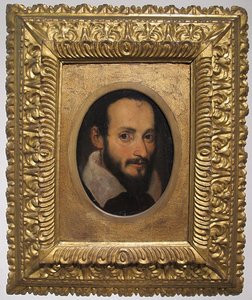
francesco vanni
1563 - 1610 , Italy
Quick Facts
- Artistic Movement Or Style: Mannerism, Caravaggism
- Artists Or Movements Influenced By This Artist:
- Artemisia Gentileschi
- Mannerism
- Artists Who Influenced This Artist:
- Caravaggio
- Michelangelo
- Date Of Birth: July 9, 1563
- Date Of Death: February 7, 1639
- Full Name: Orazio Gentileschi
- Nationality: Italian
- Notable Artworks:
- The Entombment
- Saint Andrew
- Judith and Holofernes
- Place Of Birth: Pisa, Italy
Related Articles
Sacred Narratives Embodied: A Comprehensive Exploration of Religious Iconography in Art History
Explore the rich history of religious iconography in art! Discover symbolism, movements & masterpieces from Byzantine to Renaissance periods. Expert insights for collectors and enthusiasts at ArtsDot.

El Greco's Masterpieces: Explore 25 Iconic Paintings & Spiritual Visions | ArtsDot
Journey through El Greco's 25 most iconic paintings! Explore the spiritual depth & dramatic beauty of this Spanish Renaissance master. Discover art history, techniques & find museum-quality reproductions for your home at ArtsDot.com.
Sacred Narratives on Canvas: Exploring Religious Painting Through History
Explore the rich history of religious painting with ArtsDot.com! Discover iconic artworks, symbolism & techniques from antiquity to the Renaissance. Enhance your art appreciation today.
Sacred Narratives on Canvas: Exploring Religious Scenes & Their Enduring Influence
Explore the rich history of religious art from Giotto to the Renaissance masters with ArtsDot. Discover symbolism, techniques & enduring legacies. Museum-quality reproductions available.
Sacred Visions: Exploring Faith & Devotion in Religious Art Across Cultures
Explore the rich history of religious art across cultures! Discover symbolism, Renaissance masterpieces & the power of color in devotional works. Expert insights for collectors and enthusiasts.