 Preview
 Send
Send Share
Share
 Details

 Download
 Similars
 X-Ray
X-Ray Diaporama
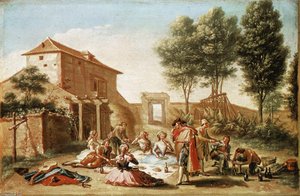
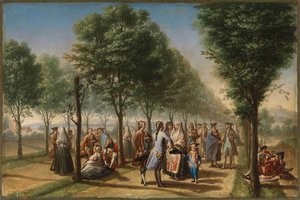
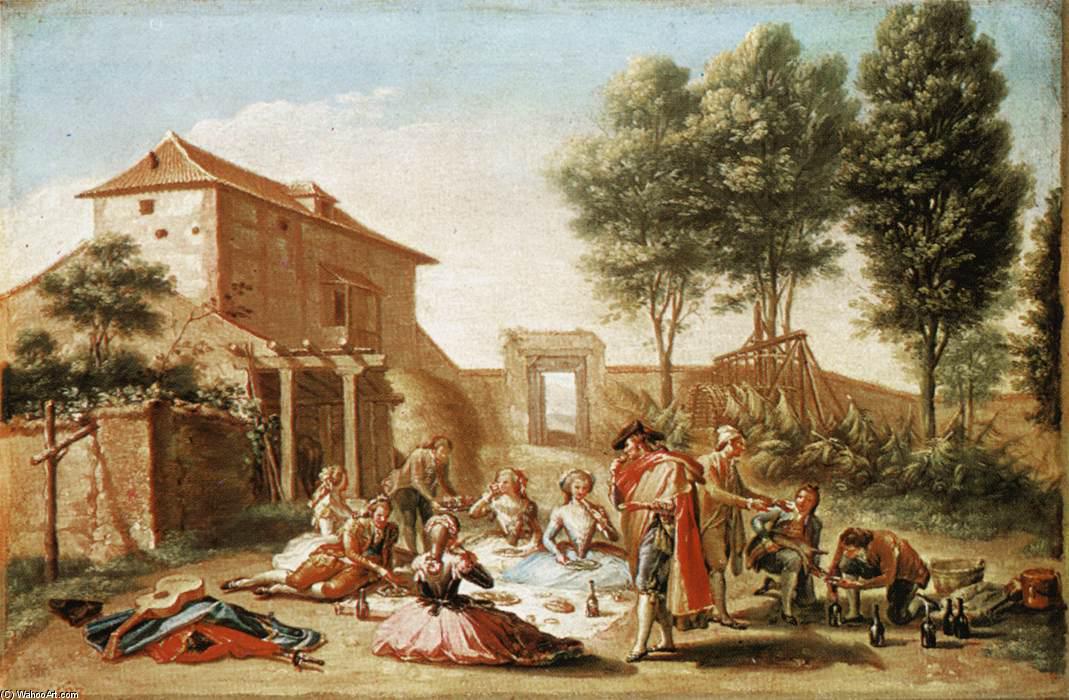
Lunch on the Field
 Acrylic On Canvas
- WallArt
- Neoclassical Art
 37.0 x 56.0 cm
 Museo del Prado
 Read More
Hand Made Oil Reproduction
Hand-painted oil on canvas in your size and frame, made to order by our artists. ( Buy Print Buy Image)




P118B $10

P118H $10

P118W $10

P438Z $10

P508JH $12

P508YH $12

P805H $10

P805Z $10

P919BZ $10

P919G $10

P919XJ $10

P959ZH $10

P968JZ $12

W106C $8

W218G $10

W218JH $8

W218Y $10

W307PJ $10

W316G $10

W316PJ $8

W316Y $10

W398PJ $8

W4111J $10

W500HY $15

W500JH $15

W692G $12

W849H $8

W940BG $15

W953PJ $8




Pick from our preset sizes that match the artwork's original proportions.

You may enter your own dimensions to fit a specific frame or space. If your selected size does not match the original image's proportions, we will either crop the artwork or extend the painting with additional hand-painted elements. A digital mockup will be sent for your approval before production begins.
Please note that the on-screen preview does not reflect the actual cropping or extension. Only the mockup will accurately show the final composition.
While custom sizes are available, we recommend selecting a dimension from the predefined list to preserve the original proportions.
After order, ArtsDot.com team will email client for instructions and provide a mockup preview
Worldwide Delivery () in 3/4 weeks instead of standard 5 weeks. (17 August). No compromise on quality.

Free Worldwide Express Shipping

High-Quality Linen Canvas

Full Shipping Insurance

Customs Tax Refund Guarantee

True Color Matching Guarantee

60-Day Return Policy (Defects Only)

100% Money-Back Guarantee

Bulk Discount Offer
 Glass option is only available in size under 110 CM

Lunch on the Field
Reproduction Medium
Reproduction Size
-


Total Price
$ 263
Artwork Description
Lunch on the Field: A Pastoral Echo of Neoclassical Elegance
Francisco Bayeu y Subías’s “Lunch on the Field” transcends mere depiction; it embodies the spirit of Spanish neoclassicism—a movement striving for order, rationality, and a return to classical ideals after the turbulent Baroque era. Executed in 1786, this oil painting resides within the Museo del Prado in Madrid, Spain, measuring 37 x 56 cm, and offers a glimpse into aristocratic leisure during the reign of Carlos IV. The artwork’s meticulous realism distinguishes it from its predecessors, prioritizing clarity of form and accurate representation of natural elements—a hallmark of Mengs' influence on Bayeu’s artistic development.A Scene Steeped in Tradition
The composition centers around a convivial gathering beneath a sprawling oak tree. A table is laden with delicacies – fruits, wine goblets, and plates brimming with food – suggesting an opulent celebration amongst friends. The figures are dressed in clothing characteristic of the period, reflecting the refined tastes of Spanish nobility. Bayeu skillfully captures the subtle nuances of human expression, conveying warmth and camaraderie through gestures and facial expressions. Notably, the artist’s attention to detail extends beyond the individuals themselves; the rustic building with its thatched roof serves as a grounding element, anchoring the scene in a rural landscape that harkens back to idealized depictions of Arcadia—a paradise rooted in ancient Greece—a deliberate stylistic choice intended to evoke notions of harmony and virtue.Technical Mastery: Light and Shadow Shaping Emotion
Bayeu’s technique demonstrates remarkable command over chiaroscuro – the dramatic interplay between light and shadow – a technique perfected by Caravaggio and embraced wholeheartedly by neoclassicism. Light illuminates the faces of the diners, highlighting their expressions and creating depth within the scene. Shadows drape across the building and foliage, adding texture and enhancing the overall atmosphere. The artist’s brushstrokes are precise yet fluid, conveying both accuracy and artistic sensitivity. This careful consideration of light contributes significantly to the painting's emotional impact, fostering a sense of tranquility and inviting contemplation on themes of friendship and contentment.Symbolism Beyond Surface Beauty
“Lunch on the Field” is more than just a picturesque portrayal; it carries symbolic weight reflecting broader intellectual currents of its time. The oak tree represents strength and longevity—a symbol frequently employed in classical art to convey stability and moral fortitude. Furthermore, the pastoral setting embodies an aspiration for simplicity and virtue, contrasting sharply with the complexities of court life. Bayeu’s deliberate selection of imagery underscores the neoclassical preoccupation with moral philosophy and the pursuit of noble ideals. It's a testament to Bayeu's ability to infuse his art with intellectual depth alongside aesthetic beauty—a characteristic that aligns him closely with artists like Goya, whose own work explored profound psychological and social themes.A Legacy Enduring Through Reproduction
Today, ArtsDot offers exceptional reproductions of “Lunch on the Field,” allowing enthusiasts worldwide to experience Bayeu’s masterful artistry firsthand. These high-quality prints capture the painting's luminous palette and intricate detail, ensuring that its timeless elegance continues to inspire generations of art lovers. Consider bringing this evocative scene into your home—a beautiful reminder of classical ideals and the enduring power of artistic expression.Related Artworks
Artist Biography
The Painter of Kings: The Life and Legacy of Francisco Bayeu y Subías
In the grand, sun-drenched corridors of 18th-century Spain, few names resonate with as much institutional prestige and technical mastery as Francisco Bayeu y Subías. Born in the historic city of Zaragoza in 1734, Bayeu emerged not merely as a painter, but as a central architect of the Spanish Neoclassical aesthetic. His journey from the provincial landscapes of Aragon to the opulent heart of the Royal Court in Madrid is a narrative of disciplined intellect and profound artistic evolution. Early training under José Luzán provided him with a foundation steeped in the dramatic, emotive traditions of the Italian Baroque, yet it was his encounter with the burgeoning Enlightenment ideals that would truly define his brushwork. Through his studies at the Academia Real de Bellas Artes de San Fernando, Bayeu began to shed the heavy shadows of the past in favor of a more luminous, structured clarity.
The trajectory of Bayeu’s career was irrevocily altered by the gravitational pull of Madrid’s artistic elite. Influenced heavily by the monumental presence of Anton Raphael Mengs and the airy, theatrical brilliance of Giovanni Battista Tiepolo, Bayeu learned to balance the weight of historical gravity with a delicate, idealized grace. This period of his life was marked by a transition toward Neoclassicism—a movement that demanded restraint, anatomical precision, and a return to the noble simplicity of antiquity. His talent was so undeniable that he was summoned to decorate the Royal Palace, a commission that placed him at the very epicenter of European power and culture. It was during this era of high courtly splendor that his life became inextricably linked with another titan of Spanish art; through his marriage to Josefa Bayeu, he formed a familial and professional bond with Francisco Goya, creating a creative nexus that would influence the direction of Spanish painting for decades.
A Mastery of Scale: From Royal Frescoes to Tapestry Design
Bayeu’s versatility was perhaps his greatest strength, allowing him to navigate between the intimate scale of portraiture and the overwhelming grandeur of architectural decoration. As the appointed Court Painter to King Charles III from 1767, he became a master of the multi-sensory environment. His work was not confined to canvas alone; he breathed life into the very walls of Spain’s most significant structures. His achievements include:
- Monumental Frescoes: Creating expansive ceiling decorations that transformed palace interiors into celestial realms, utilizing light and perspective to dissolve architectural boundaries.
- Tapestry Cartoons: Designing intricate, highly detailed preparatory paintings for the Royal Tapestry Factory, which translated fine art into woven narratives for the Spanish nobility.
- Religious Iconography: Executing profound altarpieces that maintained a sense of Neoclassical decorum while honoring the deep spiritual traditions of the Spanish Church.
- Historical Narratives: Crafting large-scale compositions that celebrated the triumphs and virtues of the Bourbon monarchy through idealized historical scenes.
The technical execution of his work often reflected a sophisticated "Flemish echo," blending the meticulous detail found in Northern traditions with the structural elegance of the Mediterranean. His ability to manage complex compositions involving numerous figures, while maintaining a sense of unified light and atmosphere, remains a testament to his rigorous academic training. Even as the art world began to shift toward the more turbulent and emotive styles of the late 18th century, Bayeu remained a steadfast guardian of order and clarity.
Historical Significance and the Twilight of an Era
The historical importance of Francisco Bayeu y Subías lies in his role as a bridge between eras. He stood at the crossroads where the lingering echoes of the Baroque met the disciplined dawn of Neoclassicism. While history often focuses on the revolutionary shadows of Goya, it was Bayeu who provided the structural and institutional framework within which much of this Spanish Golden Age flourished. His work in the Royal Palace served as a visual manifesto for the Enlightenment, projecting an image of a stable, enlightened, and culturally sophisticated monarchy.
As he navigated the complexities of court life until his death in 1795, Bayeu left behind a legacy of architectural integration and decorative excellence. He did not merely paint pictures; he designed environments. His influence can be felt in the way subsequent generations approached the concept of total art—where painting, architecture, and textile design converge to create a singular, immersive experience. Today, his oeuvre stands as a vital record of 18th-century Spanish identity, capturing a moment of profound transition, elegance, and intellectual rebirth.
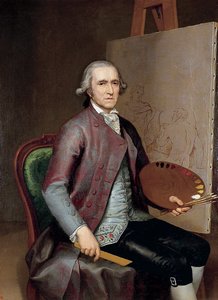
francisco bayeu y subias
1734 - 1795 , Spain
Quick Facts
- Artistic Movement Or Style: Neoclassical
- Artists Or Movements Influenced By This Artist: ['Antonio López Obrador']
- Artists Who Influenced This Artist:
- Anton Raphael Mengs
- Giovanni Battista Tiepolo
- Date Of Birth: Zaragoza, Spain (1734)
- Date Of Death: 1795
- Full Name: Francisco Bayeu y Subías
- Nationality: Spanish
- Notable Artworks:
- Portrait of Manuel Godoy
- Feliciana Bayeu
- Place Of Birth: Zaragoza, Aragon
Related Articles

Goya's Masterpieces: Explore 25 Iconic Paintings & Art Prints | ArtsDot
Delve into the world of Francisco Goya with ArtsDot. Explore 25 iconic paintings – from 'The Third of May' to his haunting Black Paintings. Discover the stories, techniques & emotions behind these Spanish masterpieces. Find museum-quality art reproductions for your home at ArtsDot.com!

Beyond the Horizon: 10 Landscape Masterpieces for Your Home Decor
Journey through 10 breathtaking landscape paintings by Monet, Van Gogh & more! Explore iconic artworks, artistic techniques & find inspiration for your home decor. Museum-quality reproductions at ArtsDot.com. Discover all masterpieces on ArtsDot.com

Romantic Landscapes: 10 Masterpieces for Your Home | ArtsDot
Journey through 10 Romantic landscape masterpieces by Friedrich, Turner & Cole. Explore emotional art, sublime nature scenes & iconic 19th-century paintings. Find museum-quality reproductions for your home at ArtsDot.com – discover the full collection online!

Evocations of Place: A Historical Journey Through Landscape Art
Explore the rich history of landscape art with ArtsDot. Discover renowned artists, movements like Impressionism & Romanticism, and expert guidance for collecting timeless pieces. Find your perfect serene escape today!

John Constable's Masterpieces: Explore 25 Iconic Landscapes for Your Home
Journey through John Constable's 25 most celebrated landscapes. Explore Romanticism, Dedham Vale & his masterful use of light in iconic paintings like 'Hay Wain'. Find museum-quality art reproductions and elevate your home decor on ArtsDot.com.