 Preview
 Send
Send Share
Share
 Details

 Download
 Similars
 X-Ray
X-Ray Diaporama
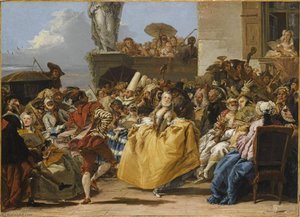
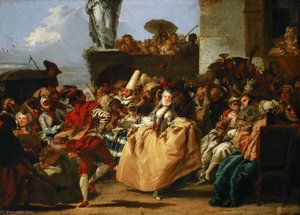
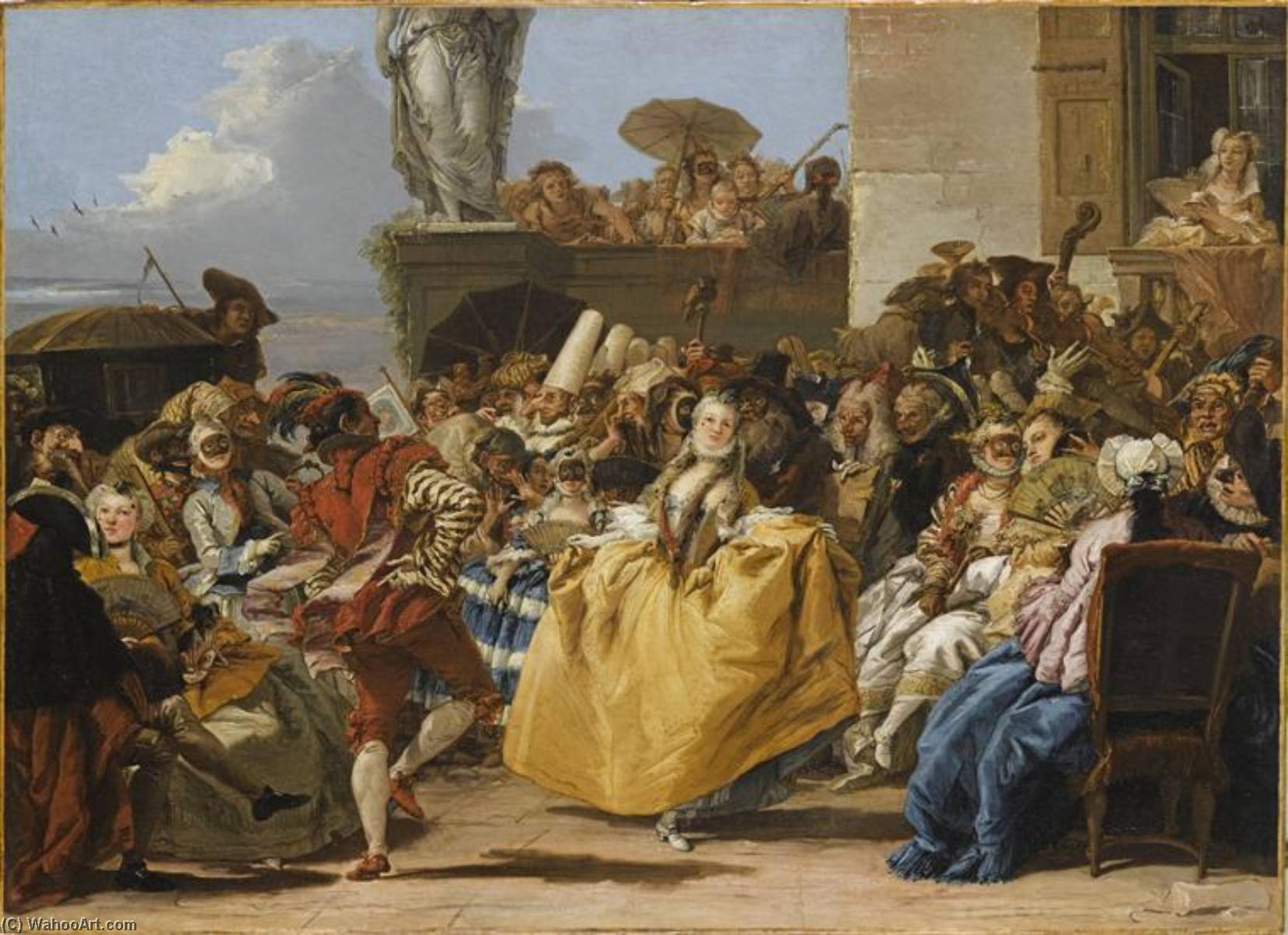
SCENE DE CARNAVAL OU LE MENUET


 Read More
Hand Made Oil Reproduction
Hand-painted oil on canvas in your size and frame, made to order by our artists. ( Buy Print Buy Image)




P118B $10

P118H $10

P118W $10

P438Z $10

P508JH $12

P508YH $12

P805H $10

P805Z $10

P919BZ $10

P919G $10

P919XJ $10

P959ZH $10

P968JZ $12

W106C $8

W218G $10

W218JH $8

W218Y $10

W307PJ $10

W316G $10

W316PJ $8

W316Y $10

W398PJ $8

W4111J $10

W500HY $15

W500JH $15

W692G $12

W849H $8

W940BG $15

W953PJ $8




Pick from our preset sizes that match the artwork's original proportions.

You may enter your own dimensions to fit a specific frame or space. If your selected size does not match the original image's proportions, we will either crop the artwork or extend the painting with additional hand-painted elements. A digital mockup will be sent for your approval before production begins.
Please note that the on-screen preview does not reflect the actual cropping or extension. Only the mockup will accurately show the final composition.
While custom sizes are available, we recommend selecting a dimension from the predefined list to preserve the original proportions.
After order, ArtsDot.com team will email client for instructions and provide a mockup preview
Worldwide Delivery () in 3/4 weeks instead of standard 5 weeks. (16 August). No compromise on quality.

Free Worldwide Express Shipping

High-Quality Linen Canvas

Full Shipping Insurance

Customs Tax Refund Guarantee

True Color Matching Guarantee

60-Day Return Policy (Defects Only)

100% Money-Back Guarantee

Bulk Discount Offer
 Glass option is only available in size under 110 CM

SCENE DE CARNAVAL OU LE MENUET
Reproduction Medium
Reproduction Size
-


Total Price
$ 613
Artwork Description
Giandomenico Tiepolo’s “Scène de Carnaval, ou Le Minuetto” – A Venetian Rhapsody
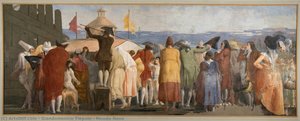
Giandomenico Tiepolo's "Scène de Carnaval, ou Le Minuetto," painted in 1754-55, isn’t merely a depiction of a festive gathering; it’s a vibrant portal into the heart of 18th-century Venice – a city pulsating with theatricality, social grace, and an exuberant embrace of pleasure. This captivating work, now housed within the prestigious Musée du Louvre, transports the viewer to a scene brimming with life, movement, and a palpable sense of joyous abandon. It’s a testament to Tiepolo's mastery in capturing not just appearances but also the very spirit of Venetian society.
The painting unfolds as a meticulously orchestrated panorama. A grand balcony, adorned with intricate carvings and draped fabrics, forms the backdrop for a bustling carnival scene below. Figures throng across the foreground – nobles in opulent costumes, elegantly dressed ladies, musicians playing lively instruments, and even Punchinello, the beloved Venetian puppet character, adding a touch of playful chaos to the proceedings. The composition is deliberately crowded, reflecting the density and energy of a Venetian celebration, yet Tiepolo skillfully avoids claustrophobia through dynamic diagonals and carefully balanced figures.
A Rococo Masterpiece – Technique and Style
Painted in the vibrant style characteristic of Venetian Rococo art, “Le Minuetto” showcases Tiepolo’s exceptional technical skill. He employs a layered technique—a hallmark of his father's work—building up color and texture through numerous glazes, creating an astonishing depth and luminosity. The use of pastel shades – particularly in the clothing – adds to the painting’s ethereal quality, while warmer tones dominate the architectural elements and the figures in the foreground, drawing the eye into the scene. Notice how Tiepolo masterfully uses light to define forms and create a sense of movement; the dappled sunlight filtering through the buildings suggests an outdoor setting, enhancing the feeling of immediacy.
The brushwork itself is remarkably loose and expressive, contributing significantly to the painting’s dynamic feel. Visible strokes convey a sense of spontaneity and energy, mirroring the lively atmosphere of the carnival. This contrasts beautifully with the precise detailing of the architectural elements – a deliberate juxtaposition that underscores Tiepolo's ability to seamlessly blend decorative elegance with naturalistic observation.
Symbolism and Venetian Society
Beyond its visual splendor, “Le Minuetto” offers a fascinating glimpse into 18th-century Venetian society. The elaborate costumes, the music, and the dancing all represent the city’s renowned reputation for luxury, artistry, and theatricality. The presence of Punchinello, with his distinctive features and mischievous grin, hints at the playful undercurrents beneath the veneer of aristocratic refinement. The scene is a microcosm of Venetian life – a celebration of wealth, beauty, and social interaction.
Furthermore, the painting’s setting—a balcony overlooking a bustling street—reflects the hierarchical structure of Venetian society. Those positioned higher on the balcony represent the elite, while those below are engaged in more commonplace activities. This visual stratification reinforces the established social order, subtly woven into the fabric of the scene.
A Legacy of Grandeur – Tiepolo’s Artistic Influence
Giandomenico Tiepolo's work is inextricably linked to that of his father, Giovanni Battista Tiepolo, a titan of Venetian art. While sharing a similar style and penchant for dramatic compositions, Giandomenico developed a more grounded approach, moving away from the epic mythological scenes favored by his father towards a greater focus on contemporary life and social interactions. “Scène de Carnaval” exemplifies this shift – capturing the vibrant energy of Venice with remarkable immediacy and detail.
Today, "Le Minuetto" stands as a testament to Tiepolo’s artistic genius and a captivating window into the opulent world of 18th-century Venice. It's a painting that continues to delight viewers with its sheer exuberance, technical brilliance, and profound insight into the social fabric of one of Europe’s most celebrated cities.
Related Artworks


Artist Biography
The Venetian Legacy of Giandomenico Tiepolo
In the luminous heart of eighteenth-century Venice, a period defined by the decadent splendor of the Rococo, Giandomenico Tiepolo emerged as a master of both grand spectacle and intimate human drama. Born in 1727, his life was inextricably woven into the fabric of one of art history's most formidable dynasties. As the son of the legendary Giovanni Battista Tiepolo, Giandomenico did not merely inherit a name; he inherited a visual language of light, movement, and theatricality. While much of his early career was spent in the shadow of his father’s monumental frescoes, Giandomenico possessed a singular creative spirit that allowed him to transcend mere imitation, eventually carving out a niche that blended the epic scale of his lineage with a poignant, often satirical, observation of Venetian life.
The formative years of Tiepolo’s development were characterized by a profound apprenticeship within the very workshops that decorated the palaces of Europe. Working alongside his father on ambitious projects, such as the breathtaking frescoes in Würzburg, Giandomenico mastered the technical complexities of large-scale composition and the innovative "oil sketch" technique. This method, which allowed for a more fluid and spontaneous capture of emotion, became a cornerstone of his approach. Through these collaborations, he learned to manipulate light to create depth and drama, yet he also began to develop an interest in much smaller, more delicate subjects that departed from the heroic myths favored by the previous generation.
A Mastery of Movement and Character
As his artistic identity matured, Giandomenico’s work began to exhibit a fascinating duality. On one hand, he maintained the grand tradition of Venetian decorative art, contributing significantly to opulent interiors like those found in Vicenza’s Villa Valmarana. On the other hand, he turned his gaze toward the streets and theaters of Venice, finding inspiration in the Commedia dell'arte. It is within this realm that his most enduring and evocative imagery resides—specifically his celebrated series featuring Punchinello. Through these characters, Tiepolo moved away from the divine and the mythological to explore the whimsical, the grotesque, and the deeply human.
His technical prowess was not limited to the brush; he was also a gifted etcher, using the medium to explore fine lines and atmospheric textures. This versatility allowed him to capture a wide spectrum of themes:
- Religious Devotion: Works such as The Agony in the Garden demonstrate his ability to handle profound spiritual tension with classical grace.
- Architectural Fantasies: His depictions of imaginary structures, like the View of the Gothic Pavilion, showcase a mastery of perspective and a romanticized vision of architectural grandeur.
- Social Satire: Through his etchings, he captured the fleeting, often melancholic essence of Venetian society, using masks and puppets to mirror the complexities of human identity.
Historical Significance and Enduring Spirit
The historical significance of Giandomenico Tiepolo lies in his role as a bridge between the soaring heights of the Baroque-Rococo era and the more introspective, observational styles that would follow. While he carried the torch of his father's monumentalism, he also anticipated the shift toward a more psychological and social realism. His ability to oscillate between the epic scale of a palace fresco and the intimate wit of a character study makes his oeuvre a unique window into the soul of late eighteenth-century Venice.
Ultimately, Tiepolo’s legacy is one of profound adaptability and emotional depth. He did not simply replicate the glory of the past; he reinterpreted it through a lens of contemporary observation. Whether through the sweeping narratives of his early training or the biting, beautiful etchings of his later years, Giandomenico Tiepolo remains a vital figure whose work continues to captivate with its blend of theatrical magic and tender humanity.
Giandomenico Tiepolo
1727 - 1804
Quick Facts
- Artistic Movement Or Style: Rococo
- Artists Or Movements Influenced By This Artist: ['Venetian Baroque']
- Artists Who Influenced This Artist: ['Giovanni Battista Tiepolo']
- Date Of Birth: 1727
- Date Of Death: 1804
- Full Name: Giandomenico Tiepolo
- Nationality: Italian
- Notable Artworks:
- The Agony in the Garden
- Untitled (AQR3XQ)
- St. Ambrosius Addressing St. Augustine
- Place Of Birth: Venice, Italy
Related Articles

The Fresco as Family Legacy: Preserving Heritage Through Wall Art
Explore the rich history & enduring legacy of fresco painting. Discover how to preserve family heritage through stunning wall art. Expert insights & restoration guidance.
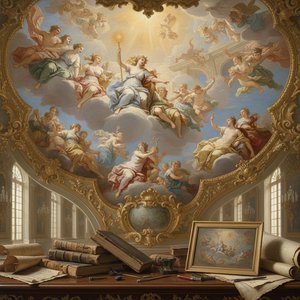
Giambattista Tiepolo: A Rococo Master's Legacy of Light & Illusion
Explore the captivating world of Giambattista Tiepolo, master of Rococo art. Discover his innovative techniques, iconic frescoes, and lasting influence on Italian painting. A guide for discerning collectors.

The Enduring Legacy of Fresco Painting: Techniques, History & Contemporary Relevance
Explore the rich history & enduring artistry of fresco painting – from Giotto to Michelangelo! Discover techniques, conservation efforts, & modern applications. Learn how ArtsDot brings this timeless art form to your home.

The Enduring Legacy of Fresco: Technique, History & Artistic Expression Across Cultures
Explore the rich history & enduring legacy of fresco painting! Discover ancient techniques, Giotto's masterpieces, and modern applications. Expert insights for art lovers & professionals.

Art That Lives With You: The Emotional Power of a Custom Interior Fresco
Discover the emotional power & timeless beauty of custom interior frescoes. Explore history, design tips & expert guidance from – creating lasting legacies.