 Preview
 Send
Send Share
Share
 Details

 Download
 Similars
 X-Ray
X-Ray Diaporama
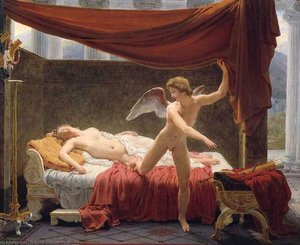
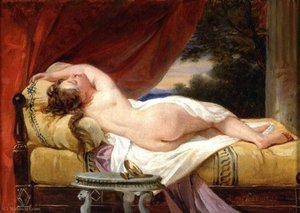
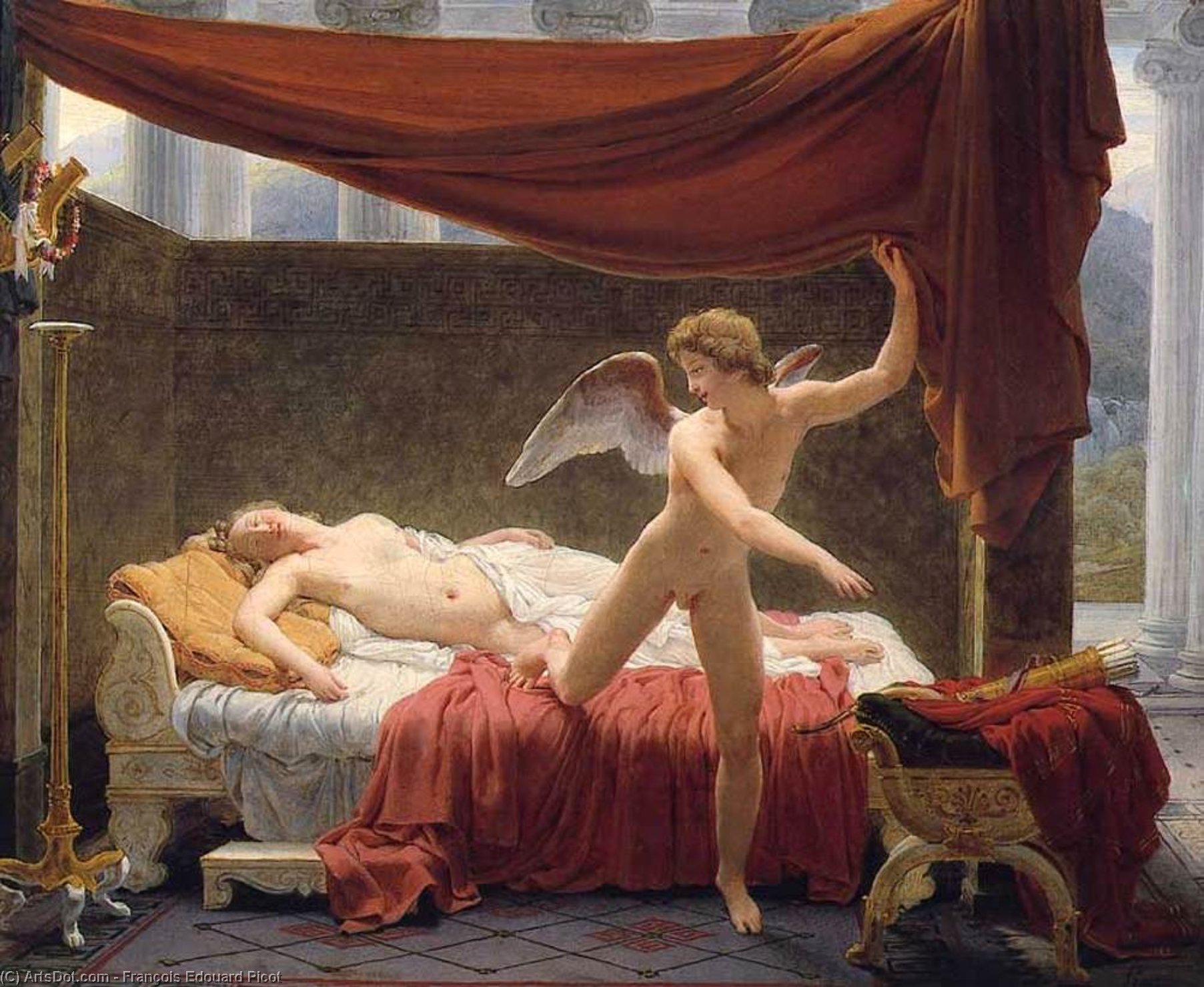
Cupid and Psyche
 Neoclassicism
 1817
1817 40.0 x 48.0 cm
 Read More
Hand Made Oil Reproduction
Hand-painted oil on canvas in your size and frame, made to order by our artists. ( Buy Print Buy Image)




































Pick from our preset sizes that match the artwork's original proportions.

You may enter your own dimensions to fit a specific frame or space. If your selected size does not match the original image's proportions, we will either crop the artwork or extend the painting with additional hand-painted elements. A digital mockup will be sent for your approval before production begins.
Please note that the on-screen preview does not reflect the actual cropping or extension. Only the mockup will accurately show the final composition.
While custom sizes are available, we recommend selecting a dimension from the predefined list to preserve the original proportions.
After order, ArtsDot.com team will email client for instructions and provide a mockup preview
Worldwide Delivery () in 3/4 weeks instead of standard 5 weeks. (16 August). No compromise on quality.

Free Worldwide Express Shipping

High-Quality Linen Canvas

Full Shipping Insurance

Customs Tax Refund Guarantee

True Color Matching Guarantee

60-Day Return Policy (Defects Only)

100% Money-Back Guarantee

Bulk Discount Offer
 Glass option is only available in size under 110 CM

Cupid and Psyche
Reproduction Medium
Reproduction Size
-


Total Price
$ 263
Artwork Description
The Story Behind the Painting
The story of Cupid and Psyche is based on the ancient Greek myth of the same name. It tells the tale of Psyche, a mortal woman who falls in love with Cupid, the god of love. The painting depicts a scene where Cupid is standing next to Psyche, who is lying on a bed, surrounded by luxurious drapery and golden accents. Key Features of the painting include the use of warm colors, which creates a sense of intimacy and romance. The attention to detail in the drapery and the play of light on the skin of the figures is also noteworthy. The Musée du Louvre has an impressive collection of neoclassical art, including works by François Edouard Picot.Artistic Style and Technique
The artistic style of François Edouard Picot is characterized by his use of classical themes and techniques. His paintings often feature mythological subjects, and he is known for his attention to detail and his ability to capture the subtleties of human emotion. You can find more information about François Edouard Picot and his works on ArtsDot.com.- The painting is a beautiful example of neoclassical art
- The use of warm colors creates a sense of intimacy and romance
- The attention to detail in the drapery and the play of light on the skin is noteworthy
The painting Cupid and Psyche by François Edouard Picot is a timeless masterpiece that continues to inspire and captivate art lovers to this day. Its beauty, technique, and emotional depth make it a must-see for anyone interested in neoclassical art. You can purchase a handmade oil painting reproduction of Cupid and Psyche on ArtsDot.com.
Related Artworks
Artist Biography
The Neoclassical Elegance of François Édouard Picot
In the grand tapestry of nineteenth-century French art, few threads possess the refined luster and intellectual depth of François Édouard Picot. Born in Paris in 1786 to a family steeped in the creative arts—his father being a noted sculptor—Picot was destined for a life governed by the pursuit of aesthetic perfection. His early years were shaped by the rigorous traditions of the École classique, as he sought mentorship under the masters of his age, including François-André Vincent and the legendary Jacques-Louis David. From these titans of Neoclassicism, Picot inherited a profound respect for anatomical precision, the dramatic use of light, and a commitment to the monumental scale that would define his most celebrated achievements.
The trajectory of Picot’s career was irrevocably altered by his triumph in the prestigious Prix de Rome. This scholarship, which he secured in 1813, acted as a gateway to the ancient splendors of Italy, allowing him to immerse himself in the timeless beauty of Roman antiquity and the Renaissance masters. It was during this period of profound study that his technical mastery began to coalesce; his ability to render the delicate weight of drapery and the subtle musculature of the human form reached a level of sophistication that would soon captivate the Parisian elite. His time abroad instilled in him a sense of historical gravity, ensuring that his later works were not merely decorative, but deeply rooted in the classical heritage of Western civilization.
A Master of Myth, Religion, and History
Picot’s emergence on the international stage was nothing short of spectacular. The Paris Salon of 1819 served as the stage for his most enduring triumph, L’Amour et Psyché. This monumental allegory, which captured the tender yet dramatic essence of mythological love, achieved such immediate acclaim that it was acquired by the Louvre, instantly cementing his status among the foremost painters of the era. His talent extended far beyond the mythological realm; Picot possessed a rare versatility that allowed him to navigate the complexities of religious and historical narratives with equal grace. Whether depicting the tragic end of a biblical figure or commemorating the political shifts of the July Monarchy, his brushwork remained anchored in a sense of dignity and poise.
The essence of his artistic contribution can be found in several key thematic pillars:
- Mythological Allegory: Utilizing classical legends to explore universal human emotions such as love, betrayal, and longing.
- Religious Devotion: Executing sacred scenes with a profound sense of reverence and anatomical realism, as seen in his commissions for ecclesiastical institutions.
- Historical Narrative: Documenting the grandeur and turbulence of French history through a lens of idealized heroism.
- Technical Precision: A relentless focus on the interplay of light and shadow to create depth and emotional resonance.
Legacy and Artistic Significance
As the nineteenth century progressed and the tides of art began to shift toward Romanticism and eventually Realism, Picot remained a steadfast guardian of classical ideals. While others sought to break the boundaries of form through more emotive and turbulent styles, Picot continued to champion the virtues of harmony, proportion, and clarity. His role as an educator further expanded his influence, as he passed these rigorous standards down to a new generation of artists, ensuring that the intellectual rigor of the Neoclassical tradition would not be lost to time.
Today, the works of François Édouard Picot serve as a window into a period of immense cultural transition. He stands as a bridge between the rigid structures of the late eighteenth century and the burgeoning emotionality of the nineteenth. His paintings are more than mere historical artifacts; they are enduring studies in the human condition, rendered with a technical brilliance that continues to command respect in the halls of the world's greatest museums. Through his meticulous attention to detail and his ability to breathe life into ancient myths, Picot ensured that the elegance of the classical past would forever resonate within the modern consciousness.
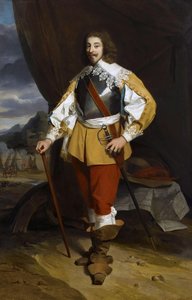
françois edouard picot
1786 - 1868 , France
Quick Facts
- Artistic Movement Or Style: Neoclassical Art
- Artists Who Influenced This Artist:
- François André Vincent
- Jacques-Louis David
- Date Of Birth: Paris, France (1786)
- Date Of Death: 1868
- Full Name: François Édouard Picot
- Nationality: French
- Notable Artworks:
- L'Amour et Psyché
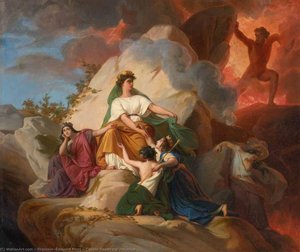
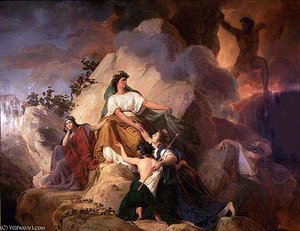
- Cybele Opposing Vesuvius
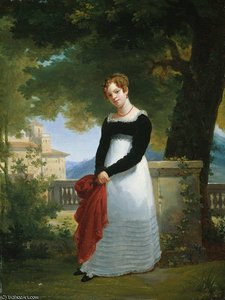
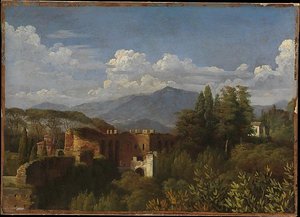
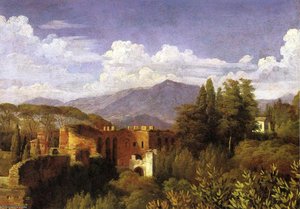
- View from the Villa Medici
- Place Of Birth: Paris
Related Articles
Édouard Manet's Masterpieces: Explore 25 Iconic Paintings for Your Home Decor
Explore 25 iconic Édouard Manet paintings, from 'Le Déjeuner sur l'herbe' to 'Olympia'. Discover the stories behind these Impressionist masterpieces & find museum-quality art reproductions for your home. Explore the full collection online at ArtsDot.com!
Neoclassical Art: 10 Masterpieces That Shaped History |
Explore 10 defining Neoclassical masterpieces by David, Ingres & Canova. Discover the history, symbolism & artistry behind these iconic paintings and sculptures. Find museum-quality art reproductions at – elevate your home with timeless beauty.
Antonio Canova: Neoclassical Sculpture & the Pursuit of Emotional Perfection
Explore the life & art of Antonio Canova, the greatest Neoclassical sculptor. Discover his masterpieces, innovative techniques, and lasting influence on fine art collecting. Expert insights for discerning investors.

The Revival of Antiquity: Exploring Neoclassical Art's Ideals & Enduring Legacy
Explore the revival of classical ideals in Neoclassical art! Discover Jacques-Louis David & the movement's impact on painting, sculpture & architecture. Expert insights & high-quality reproductions at ArtsDot.
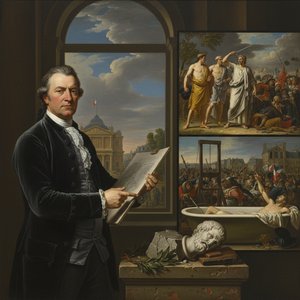
Jacques-Louis David: Neoclassical Ideals & Revolutionary Witness
Explore the life & art of Jacques-Louis David, leading Neoclassical painter of the French Revolution. Discover iconic works like 'The Death of Marat' and his lasting impact on art history. Expert analysis & high-quality reproductions at ArtsDot.