 Preview
 Send
Send Share
Share
 Details

 Download
 Similars
 X-Ray
X-Ray Diaporama
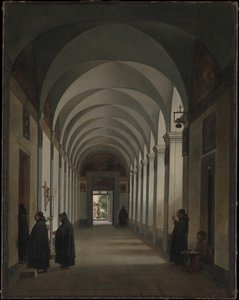
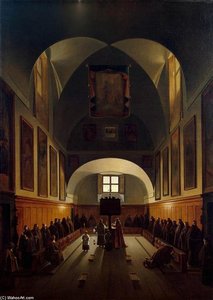
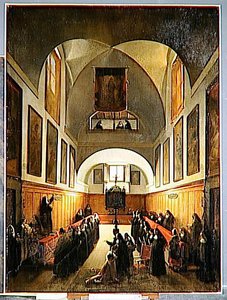
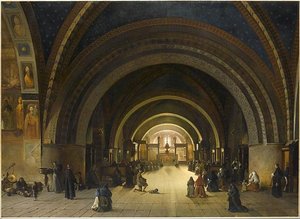
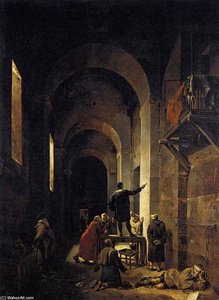
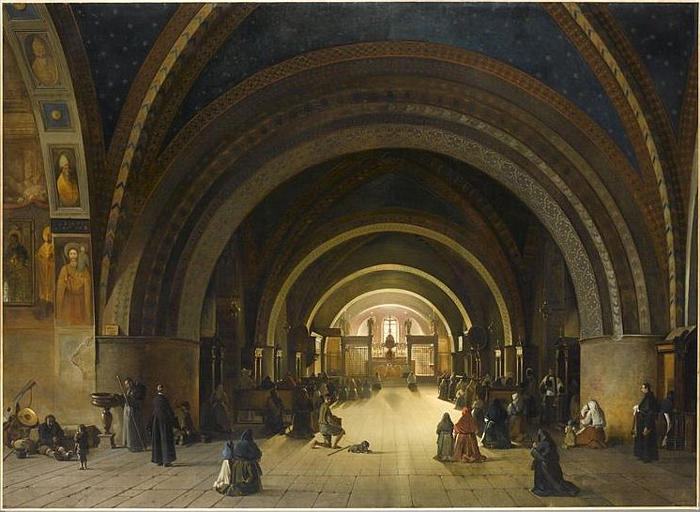
INTERIEUR DE LA BASILIQUE BASSE DE SAINT FRANCOIS A ASSISE


 Read More
Hand Made Oil Reproduction
Hand-painted oil on canvas in your size and frame, made to order by our artists. ( Buy Print Buy Image)




P118B $10

P118H $10

P118W $10

P438Z $10

P508JH $12

P508YH $12

P805H $10

P805Z $10

P919BZ $10

P919G $10

P919XJ $10

P959ZH $10

P968JZ $12

W106C $8

W218G $10

W218JH $8

W218Y $10

W307PJ $10

W316G $10

W316PJ $8

W316Y $10

W398PJ $8

W4111J $10

W500HY $15

W500JH $15

W692G $12

W849H $8

W940BG $15

W953PJ $8




Pick from our preset sizes that match the artwork's original proportions.

You may enter your own dimensions to fit a specific frame or space. If your selected size does not match the original image's proportions, we will either crop the artwork or extend the painting with additional hand-painted elements. A digital mockup will be sent for your approval before production begins.
Please note that the on-screen preview does not reflect the actual cropping or extension. Only the mockup will accurately show the final composition.
While custom sizes are available, we recommend selecting a dimension from the predefined list to preserve the original proportions.
After order, ArtsDot.com team will email client for instructions and provide a mockup preview
Worldwide Delivery () in 3/4 weeks instead of standard 5 weeks. (22 August). No compromise on quality.

Free Worldwide Express Shipping

High-Quality Linen Canvas

Full Shipping Insurance

Customs Tax Refund Guarantee

True Color Matching Guarantee

60-Day Return Policy (Defects Only)

100% Money-Back Guarantee

Bulk Discount Offer
 Glass option is only available in size under 110 CM

INTERIEUR DE LA BASILIQUE BASSE DE SAINT FRANCOIS A ASSISE
Reproduction Medium
Reproduction Size
-


Total Price
$ 438
Artwork Description
A Sanctuary Captured in Light: The Interior of Saint Francis's Basilica
To gaze upon this depiction of the interior of the lower basilica of Saint Francis in Assisi is to step across the threshold of time and into a realm of profound spiritual resonance. This masterful work does more than merely document an architectural space; it captures the very atmosphere—the hushed reverence, the weight of history, and the persistent glow of divine presence that permeates such sacred grounds. The composition immediately draws the eye deep into the scene, guided by the rhythmic procession of receding arches. These structural lines are not just elements of design; they function as visual conduits, leading the viewer's contemplation toward an unseen focal point at the far end.
Mastery in Light and Shadow: Technique and Atmosphere
The technical brilliance evident here is breathtaking. The artist has employed a dramatic handling of light, utilizing strong contrasts between illuminated areas and deep, enveloping shadows. This chiaroscuro effect is central to the painting's emotional impact, suggesting that the light streaming from the distance is not merely physical, but symbolic—a manifestation of grace itself. Notice how the warm palette of ochres, golds, and earthy browns dominates the stone surfaces, providing a rich, grounding warmth, which is beautifully counterpointed by cooler blues suggested in the vaulted ceiling above. The suggestion of texture, whether it be the rough-hewn quality of ancient stone or the soft drape of devotional fabric, speaks to an expert handling of oil paint, suggesting techniques of glazing and subtle blending that give the scene a palpable depth.
The Human Element: Contemplation in Stone
Scattered throughout the foreground and middle ground are figures—worshippers caught in moments of private devotion. They provide scale to the immense architecture and inject life into what could otherwise be a static study of stone. These figures, engaged in prayer or quiet contemplation, anchor the narrative, reminding us that this grand space is ultimately designed for human experience. The overall feeling evoked is one of profound peace mixed with an undeniable sense of awe. It speaks to the universal human yearning for solace and connection within something eternal.
Historical Echoes and Enduring Appeal
While rooted in a specific, sacred location, the painting transcends mere historical documentation. Influenced by styles that blend Neoclassical structure with Romantic emotionalism, it appeals deeply to those who appreciate art that speaks to the soul. For collectors or designers seeking pieces that imbue a space with gravitas and spiritual depth, this work offers an unparalleled vision of architectural grandeur meeting intimate human experience. Reproducing such a piece allows one to bring not just an image, but an entire atmosphere—a sanctuary moment—into a modern setting.
Related Artworks




Artist Biography
Early Life and Artistic Beginnings
François Marius Granet, born in Aix-en-Provence on December 17, 1775, emerged from humble beginnings. His father was a modest builder, a life far removed from the world of art that would ultimately consume his son’s passions. Even as a young boy, Granet possessed an intense artistic drive, prompting his parents to seek instruction for him—first from a passing Italian artist and then at a free school directed by M. Constantin, a respected landscape painter. This early exposure laid the foundation for his future endeavors, though it was his experiences during the tumultuous years of the French Revolution that would first shape his artistic vision. In 1793, Granet joined the volunteers of Aix at the siege of Toulon, not as a soldier but as a decorator in the arsenal. This period provided him with practical skills and a firsthand glimpse into the realities of conflict—a theme that would subtly permeate his later work. A pivotal encounter with the young Comte de Forbin proved transformative; upon Forbin’s invitation, Granet journeyed to Paris in 1797, entering the prestigious studio of Jacques-Louis David.The Studio of David and the Capuchin Monastery
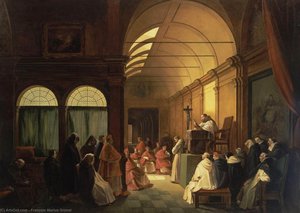
David's rigorous neoclassical style initially influenced Granet, but he soon began to forge his own path. He secured a cell within the former Capuchin monastery—a space once used for printing revolutionary assignats—which had become a haven for artists. It was here, amidst the play of light and shadow in the ancient corridors, that Granet conceived what would become his life’s defining work: “The Choir of the Capuchins.” He dedicated himself to this painting with unwavering commitment, revisiting and refining it repeatedly over decades. The monastery itself became more than just a studio; it was an environment that profoundly impacted his artistic sensibility. Unlike many of his contemporaries who focused on grand historical narratives or portraits of the elite, Granet found beauty and meaning in the quiet austerity of monastic life, exploring the interplay between architecture, light, and human presence. This focus wasn’t merely aesthetic; it reflected a deeper interest in spirituality and the passage of time.Roman Years and the Development of Tonal Painting
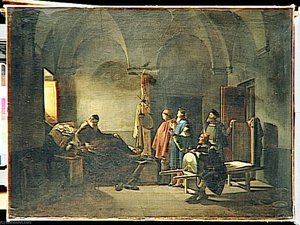
In 1802, Granet embarked on an extended sojourn to Rome, a period that proved crucial to his artistic maturation. He remained there until 1819, immersing himself in the classical heritage of the city and absorbing its atmosphere of grandeur and decay. It was during these years that he fully developed his distinctive tonal style—a technique characterized by subtle gradations of light and shadow, emphasizing atmospheric effects over precise detail. His Roman paintings, such as “Stella Painting a Madonna on his Prison Wall” (1810) and “Sodoma at the Hospital” (1815), demonstrate this evolving approach. He wasn’t interested in recreating historical events with photographic accuracy; instead, he sought to capture the emotional resonance of a scene through carefully orchestrated tones and compositions. The figures within his works often appear integrated into the architectural setting, almost as if they are extensions of the stone and plaster around them. This emphasis on tone became his signature, distinguishing him from other artists of the period.Later Career and Legacy
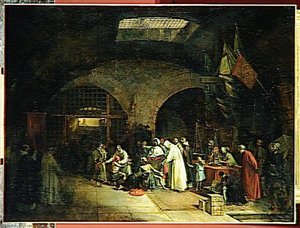
Upon returning to Paris in 1819, Granet continued to refine his unique style, producing a series of significant works including “Basilica Basse di St François d'Assise” (1823) and “The Redemption of Prisoners” (1831). He was appointed director of the Académie de France in Rome in 1829, a testament to his growing reputation. His paintings consistently prioritized atmosphere and emotional depth over narrative clarity. Even works with historical or religious themes—like "Death of Poussin" (1834)—were treated as opportunities to explore tonal effects and architectural space. Granet’s dedication to tone sometimes drew criticism; some found his work lacking in dramatic intensity, but he remained steadfast in his artistic vision. He was a master of creating mood and evoking a sense of quiet contemplation. François Marius Granet died in 1849, leaving behind a body of work that continues to captivate viewers with its subtle beauty and unique sensibility. His influence can be seen in the later works of artists who explored similar themes of spirituality, atmosphere, and the interplay between light and architecture. The Musée Granet in Aix-en-Provence, established after his death, serves as a lasting tribute to his life and artistic achievements, housing many of his most important paintings and offering visitors a glimpse into the world of this remarkable French painter.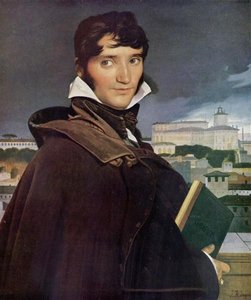
françois marius granet
1775 - 1849 , France
Quick Facts
- Artistic Movement Or Style: Tonal Painting
- Artists Who Influenced This Artist: ['David']
- Date Of Birth: December 17, 1775
- Date Of Death: 1849
- Full Name: François Marius Granet
- Nationality: French
- Notable Artworks:
- Chœur des Capucins
- Stella painting a Madonna
- Sodoma à l'hôpital
- Rachat de prisonniers
- Mort de Poussin
- Place Of Birth: Aix-en-Provence, France
Related Articles

The Enduring Legacy of Oil on Canvas: Technique, History & Aesthetic Impact
Explore the rich history & techniques of oil painting – from Renaissance masters to Impressionism. Discover pigments, layering methods, and why this timeless medium endures. Expert insights for artists & art enthusiasts.

The Enduring Power of Painting: A Historical & Contemporary Exploration of Form and Emotion
Explore the rich history & enduring techniques of oil painting with ArtsDot. Discover masterpieces, learn about art collecting, and find authentic handmade reproductions crafted by skilled artists.

Oil on Canvas: A Historical & Technical Exploration of a Timeless Artistic Medium
Explore the rich history & enduring techniques of oil painting on canvas. Discover the science behind its longevity, conservation practices, and contemporary relevance. Expert insights for art enthusiasts.

The Enduring Legacy of Oil on Canvas: Technique, History & Contemporary Practice
Explore the rich history & enduring techniques of oil painting on canvas. Discover the science behind its longevity, conservation practices, and contemporary relevance. Expert insights for art enthusiasts.
The Enduring Legacy of Oil Paint: Technique, History & Emotional Resonance in Western Art
Explore the rich history & techniques of oil painting! Discover Renaissance masters, scientific principles behind color, and emotional resonance in art. Learn about glazing, layering, and atmospheric perspective – a guide for enthusiasts & collectors.