 Preview
 Send
Send Share
Share
 Details

 Download
 Similars
 X-Ray
X-Ray Diaporama
 Stats
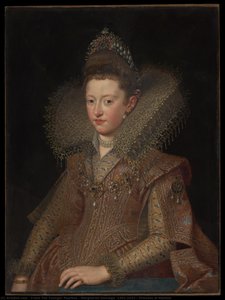
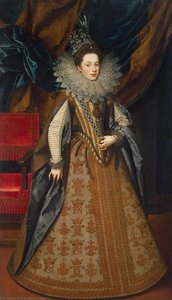
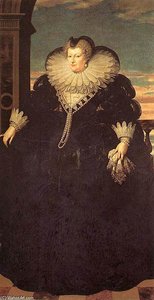
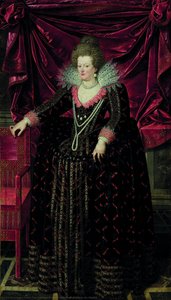
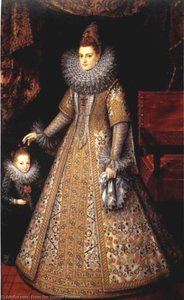
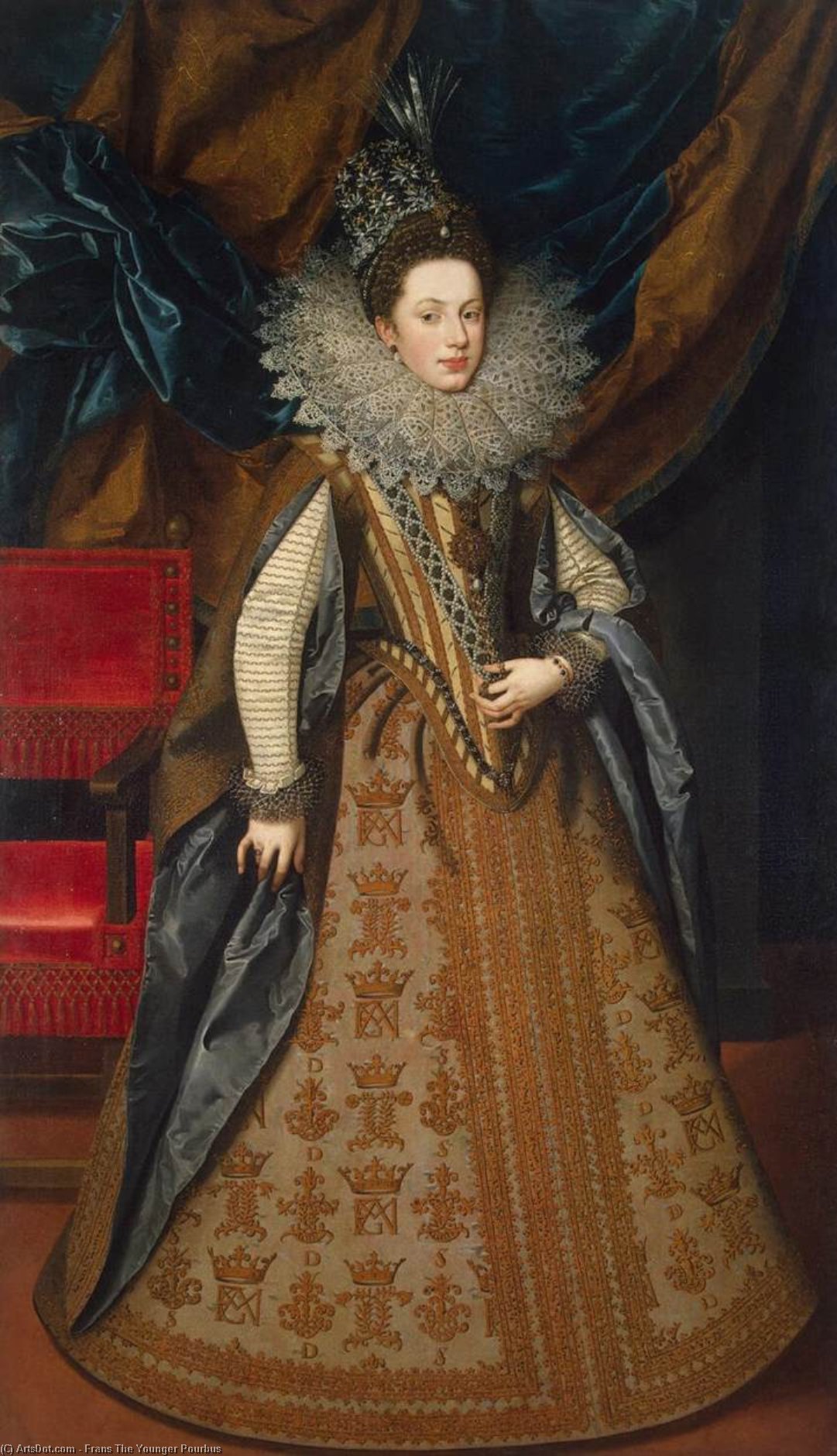
StatsPortrait of Margaret of Savoy, Duchess of Mantua
 Acrylic On Canvas
- WallArt
- Baroque Painting
 1608
1608 207.0 x 116.0 cm
 Hermitage Museum
 Read More
Hand Made Oil Reproduction
Hand-painted oil on canvas in your size and frame, made to order by our artists. ( Switch to Print Switch to Digital Image)




P118B $10

P118H $10

P118W $10

P438Z $10

P508JH $12

P508YH $12

P805H $10

P805Z $10

P919BZ $10

P919G $10

P919XJ $10

P959ZH $10

P968JZ $12

W106C $8

W218G $10

W218JH $8

W218Y $10

W307PJ $10

W316G $10

W316PJ $8

W316Y $10

W398PJ $8

W4111J $10

W500HY $15

W500JH $15

W692G $12

W849H $8

W940BG $15

W953PJ $8




Pick from our preset sizes that match the artwork's original proportions.

You may enter your own dimensions to fit a specific frame or space. If your selected size does not match the original image's proportions, we will either crop the artwork or extend the painting with additional hand-painted elements. A digital mockup will be sent for your approval before production begins.
Please note that the on-screen preview does not reflect the actual cropping or extension. Only the mockup will accurately show the final composition.
While custom sizes are available, we recommend selecting a dimension from the predefined list to preserve the original proportions.
After order, ArtsDot.com team will email client for instructions and provide a mockup preview
Worldwide Delivery () in 3/4 weeks instead of standard 5 weeks. (9 September). No compromise on quality.

Free Worldwide Express Shipping

High-Quality Linen Canvas

Full Shipping Insurance

Customs Tax Refund Guarantee

True Color Matching Guarantee

100-Day Return Policy (Defects Only)

100% Money-Back Guarantee

Bulk Discount Offer
 Glass option is only available in size under 110 CM

Portrait of Margaret of Savoy, Duchess of Mantua
Reproduction Medium
Reproduction Size
-


Total Price
$ 263
A Window into Renaissance Dignity
Pieter Bruegel the Elder's “Portrait of Margaret of Savoy, Duchess of Mantua,” painted in 1608, isn’t merely a depiction of a noblewoman; it’s an arresting distillation of humanist ideals and artistic innovation that captures the essence of its era. Executed during the height of the Flemish Renaissance, this monumental canvas transcends simple portraiture, presenting Margaret as more than just a royal figure—she embodies a carefully constructed representation of virtue and grace.
Style and Technique: The Brilliance of Detail
Bruegel’s masterful technique distinguishes him from many of his contemporaries. He eschewed the idealized beauty favored by Mannerism, opting instead for a grounded realism that nonetheless elevates its subject. Observe the meticulous rendering of Margaret's gown—a sumptuous blend of crimson and gold—highlighted by intricate embroidery and shimmering embellishments. The artist’s use of chiaroscuro – dramatic contrasts between light and dark – sculpts the figure’s form, emphasizing her regal posture and conveying a profound sense of solemn dignity.
Historical Context: Mantuan Patronage and Renaissance Ideals
Margaret of Savoy was Duchess of Mantua during a period marked by political intrigue and dynastic ambition. Her marriage to Vincenzo Gonzaga cemented the Gonzaga family’s influence in Northern Italy, securing their position as one of Europe's leading powers. Bruegel’s portrait reflects this context, aligning with the humanist fascination for portraying individuals as embodiments of moral excellence—a cornerstone of Renaissance artistic philosophy. The commission itself speaks volumes about the importance placed on aristocratic lineage and familial honor.
Symbolism: Crowns and Virtue
The inclusion of a crown is no accident; it symbolizes Margaret’s authority and divine grace – concepts central to Renaissance theology. However, Bruegel doesn't simply celebrate power; he imbues the portrait with deeper symbolic resonance. The serene expression on Margaret’s face conveys composure and inner strength—qualities considered desirable in women of noble birth. Furthermore, the subtle positioning of her hands suggests a quiet contemplation, hinting at an intellectual depth that transcends mere outward appearance.
Emotional Impact: A Reflection of Renaissance Humanity
“Portrait of Margaret of Savoy” lingers in the viewer’s mind long after encountering it. It's not a flamboyant celebration of royal splendor but rather a quietly profound meditation on human dignity and virtue—themes that resonated deeply with artists and intellectuals alike during the Renaissance. Bruegel’s ability to convey emotion through subtle gestures and nuanced shading elevates this portrait beyond mere likeness, transforming it into an enduring testament to the humanist spirit of its time.
Related Artworks
Artist Biography
Pieter Bruegel the Elder: A Vision of Humanity
Pieter Bruegel the Elder, a name synonymous with the vibrant tapestry of Flemish life in the 16th century, remains one of the most profoundly influential and enduring figures in Western art. Born around 1525 in Breda – though his precise birthplace is debated – he rose from humble origins to become the greatest painter of his time, leaving behind a legacy that continues to resonate with viewers today. His work transcends mere representation; it’s a window into a world teeming with humanity, imbued with both humor and poignant observation, offering a uniquely accessible and deeply felt perspective on life, death, and the rhythms of rural existence.
Bruegel's artistic journey began within the established framework of the Flemish Renaissance, yet he swiftly forged his own distinctive path. Initially apprenticed to Pieter Coecke van Aelst in Antwerp – a master known for his intricate designs and diverse talents – Bruegel’s early works demonstrate a clear debt to the traditions of landscape painting prevalent at the time. However, it was not long before he began to inject his own radical vision into these landscapes, transforming them from static backdrops into dynamic stages upon which the drama of everyday life unfolded. This shift marked a pivotal moment in art history, laying the groundwork for what would later be termed “genre painting” – the depiction of scenes from ordinary life with remarkable realism and psychological insight.
The Painter of Peasants and Proverbs
Bruegel’s most celebrated subjects were undoubtedly those found within the rural communities of Flanders. He eschewed the grand narratives favored by many of his contemporaries, instead focusing on the lives of peasants, farmers, and laborers – a deliberate choice that challenged the prevailing artistic conventions of the era. His paintings are populated with an astonishing array of figures engaged in their daily routines: threshing wheat, celebrating weddings, playing games, tending to livestock, or simply going about their business. These scenes aren’t merely picturesque; they're imbued with a keen awareness of human behavior, capturing both the joys and sorrows, the triumphs and tribulations, of peasant life.
Furthermore, Bruegel possessed a remarkable talent for incorporating moral and satirical commentary into his work. He frequently employed proverbs – short, pithy sayings that encapsulated common wisdom – as visual metaphors, embedding them within his landscapes to offer subtle critiques of human folly and societal norms. His masterpiece, *Netherlandish Proverbs* (1563), is a particularly brilliant example of this technique, depicting over one hundred different proverbs in a single, sprawling composition—a testament to Bruegel’s artistic ingenuity and his ability to distill complex ideas into accessible visual forms. The painting's sheer scale and intricate detail invite repeated viewing, revealing new layers of meaning with each encounter.
A Journey to Italy and the Influence of Bosch
Around 1548, Bruegel embarked on a significant journey to Italy, a formative experience that profoundly shaped his artistic development. While he admired the grandeur and classical ideals of Italian art, he found himself particularly drawn to the works of Hieronymus Bosch – another master of fantastical imagery and moral allegory. Bosch’s unsettling visions of hellish landscapes and grotesque figures exerted a powerful influence on Bruegel, inspiring him to incorporate elements of surrealism and symbolic representation into his own work. This connection is evident in paintings like *The Fall of Icarus*, where the tragic hero's demise unfolds against a vast, desolate landscape reminiscent of Bosch’s nocturnal visions.
However, Bruegel didn’t simply imitate Bosch; he adapted and transformed these influences to suit his own artistic vision. He retained Bosch’s interest in symbolism and moral allegory but infused his work with a distinctly Flemish sensibility – a focus on the everyday lives of ordinary people and a keen awareness of the natural world. His landscapes, unlike those of many of his contemporaries, are not idealized or romanticized; they are gritty, realistic depictions of rural life, capturing both its beauty and its hardships.
Legacy and Lasting Significance
Pieter Bruegel the Elder died in Brussels in September 1569, leaving behind a remarkably extensive body of work. His paintings were initially appreciated for their technical skill and striking imagery, but it wasn’t until the late 18th century that his true genius was fully recognized. Artists such as Jean-Auguste-Dominique Ingres and Francisco Goya championed Bruegel's work, elevating him to the status of a master alongside Rembrandt and Rubens. Today, Bruegel is celebrated for his unparalleled ability to capture the essence of human experience – his empathy for the common man, his sharp wit, and his profound understanding of the natural world.
His influence extends far beyond the realm of painting. Bruegel’s focus on everyday life paved the way for the development of Realism in 19th-century art, while his masterful use of landscape as a narrative device continues to inspire artists today. More than simply depicting scenes from rural Flanders, Bruegel created a timeless portrait of humanity – a testament to our shared joys, sorrows, and struggles, rendered with unparalleled skill and profound insight.
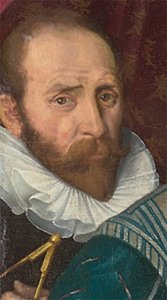
frans the younger pourbus
1569 - 1622 , Belgium
Quick Facts
- Artistic Movement Or Style: Northern Renaissance
- Artists Or Movements Influenced By This Artist:
- Bosch
- Dutch Golden Age
- Artists Who Influenced This Artist: ['Pieter Coecke van Aelst']
- Date Of Birth: c. 1525, Breda
- Date Of Death: Sept. 5/9, 1569, Brussels
- Full Name: Pieter Bruegel the Elder
- Nationality: Flemish
- Notable Artworks:
- Landscape with the Fall of Icarus
- The Peasant Wedding
- Hunters in the New Forest
- Place Of Birth: Breda, Brabant (Netherlands)
Related Articles
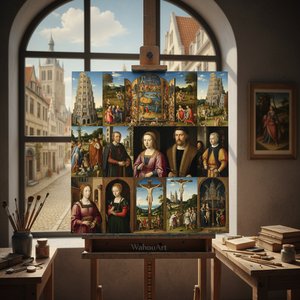
Northern Renaissance Masters: 10 Artworks That Shaped History |
Journey through the Northern Renaissance! Explore 10 iconic paintings by Jan van Eyck, Dürer & Bosch. Discover their stories, techniques & lasting impact. Find museum-quality art reproductions & elevate your home decor on .
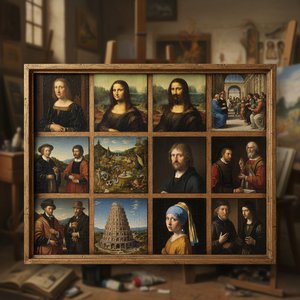
Oil on Panel Masters: 10 Paintings That Revolutionized Art |
Journey through 10 legendary 'Oil on Panel' masterpieces by Van Eyck, Bosch & Bruegel. Explore the stories behind these iconic Renaissance & Baroque paintings and find museum-quality art reproductions to elevate your home decor. Discover all masterpieces on !
Kunsthistorisches Museum's Masterpieces: 25 Art Treasures for Your Home | ArtsDot
Journey through 25 iconic artworks at Vienna's Kunsthistorisches Museum! Explore masterpieces by Raphael, Rembrandt & Vermeer. Discover art history, techniques & find museum-quality reproductions for your home on ArtsDot.com.
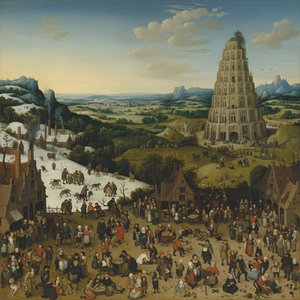
Pieter Bruegel the Elder: A Master of Genre, Landscape & Social Commentary
Explore the life & art of Pieter Bruegel the Elder, a pivotal figure of the Renaissance. Discover his groundbreaking genre scenes, symbolic landscapes, and lasting influence on art history. Learn more at ArtsDot.
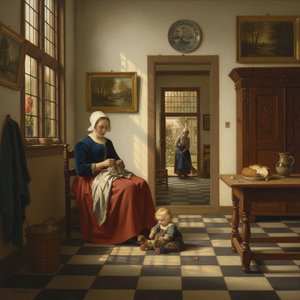
Pieter de Hooch: Illuminating Dutch Domestic Life & Golden Age Charm
Explore the captivating world of Pieter de Hooch, a master of Dutch Golden Age painting. Discover his innovative use of light, intimate domestic scenes, and lasting influence on art history. Learn more at ArtsDot.