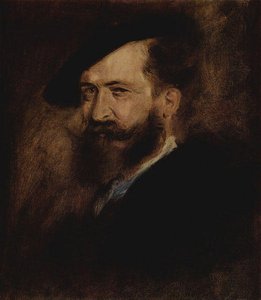
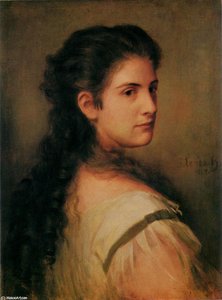
Preview
 Send
Send Share
Share
 Details

 Download
 Similars
 X-Ray
X-Ray Diaporama
 Stats
StatsFamily von Lenbach
 Acrylic On Canvas
- WallArt
- Romantic Realism
 1903
1903 122.0 x 96.0 cm
 Lenbachhaus
 Read More
Giclée / Art Print
Museum-quality giclée or canvas print with fast production and flexible finish options. ( Buy Hand Made Painting Switch to Digital Image)




P118B $10

P118H $10

P118W $10

P438Z $10

P508JH $12

P508YH $12

P805H $10

P805Z $10

P919BZ $10

P919G $10

P919XJ $10

P959ZH $10

P968JZ $12

W106C $8

W218G $10

W218JH $8

W218Y $10

W307PJ $10

W316G $10

W316PJ $8

W316Y $10

W398PJ $8

W4111J $10

W500HY $15

W500JH $15

W692G $12

W849H $8

W940BG $15

W953PJ $8
Pick from our preset sizes that match the artwork's original proportions.

You may enter your own dimensions to fit a specific frame or space. If your selected size does not match the original image's proportions, we will either crop the artwork or extend the image with a mirrored or solid-fill edge. A digital mockup will be sent for your approval before production begins.
Please note that the on-screen preview does not reflect the actual cropping or extension. Only the mockup will accurately show the final composition.
While custom sizes are available, we recommend selecting a dimension from the predefined list to preserve the original proportions.
Worldwide Delivery () in 2 weeks instead of standard 4/5 weeks. (16 September)

Free Worldwide Express Shipping

High-Quality Linen Canvas

Full Shipping Insurance

Customs Tax Refund Guarantee

True Color Matching Guarantee

100-Day Return Policy (Defects Only)

100% Money-Back Guarantee

Bulk Discount Offer
 Glass option is only available in size under 110 CM

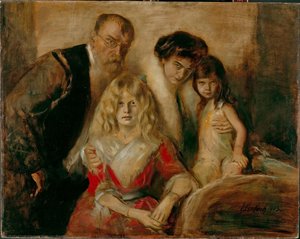
Family von Lenbach
Giclée / Art Print
Reproduction Size
-


Total Price
$ 63
Family von Lenbach: A Portrait of Domestic Tranquility
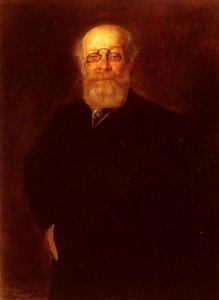
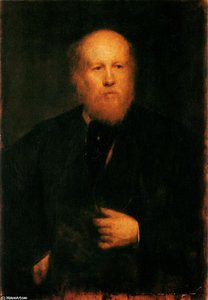
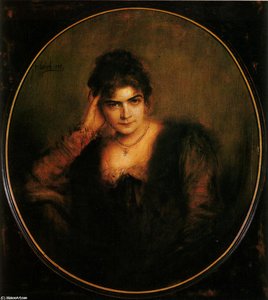
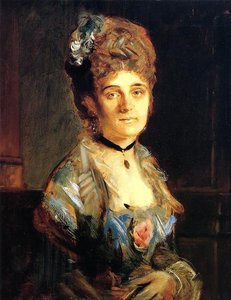
Franz Seraph von Lenbach’s “Family von Lenbach,” completed in 1903, stands as an emblem of the Austro-German Bildniskunst tradition—a genre dedicated to capturing the essence of familial life with meticulous detail and imbued with a profound sense of warmth. Painted in Munich during Lenbach's prolific period, this monumental canvas exemplifies his masterful command of Venetian technique, prioritizing luminous color palettes and textured impasto surfaces to convey both visual splendor and psychological depth.- Subject Matter: The painting depicts a family consisting of three individuals—a woman on the left, presumably older, and her daughter seated beside her; a man is positioned centrally, gazing thoughtfully into the distance.
- Style & Technique: Lenbach’s Venetian style is immediately recognizable through its rich chromatic harmonies and expressive brushwork. The artist skillfully employs glazing techniques to achieve subtle tonal variations and create an ethereal glow that illuminates the figures and interior space. Notice particularly the textured impasto—thickly applied paint—which lends physicality and dynamism to the surfaces of the clothing and furnishings.
- Historical Context: “Family von Lenbach” emerged during a period marked by burgeoning bourgeois optimism and fascination with domestic ideals. It reflects the broader cultural preoccupation with portraying idealized representations of family life, mirroring the aspirations of the era’s upper classes.
Symbolism Within Domestic Space
Beyond its formal beauty, “Family von Lenbach” resonates with symbolic significance. The room depicted—a comfortable bedroom adorned with a bed and two chairs—represents not merely physical space but also embodies concepts of comfort, security, and familial unity. The woman’s gaze directs towards the viewer, inviting contemplation on themes of motherhood and nurturing – a cornerstone of Victorian morality. The man's posture conveys quiet reflection, hinting at intellectual pursuits and responsibilities within the family unit.- Color Palette: Lenbach utilizes a predominantly warm color scheme—primarily reds, yellows, and browns—creating an atmosphere of intimacy and serenity.
- Composition: The balanced arrangement of figures contributes to the painting’s harmonious aesthetic, emphasizing stability and conveying a sense of timelessness.
Lenbach's Venetian Legacy & Artistic Influence
Franz Seraph von Lenbach’s “Family von Lenbach” solidified his reputation as one of Germany’s foremost portrait painters—a position earned through unwavering dedication to mastering the Venetian tradition established by Titian and Tintoretto. His meticulous attention to detail, combined with his expressive brushwork and masterful use of color, profoundly impacted subsequent generations of artists who sought to emulate his stylistic prowess. Reproductions of this artwork continue to inspire interior designers and collectors alike, capturing the enduring allure of classical portraiture and its ability to evoke emotions of warmth, nostalgia, and familial connection.Further Exploration: Lenbachhaus Munich
Interested in experiencing Lenbach’s artistic vision firsthand? Visit the Lenbachhaus Museum in Munich—home to an extensive collection of his paintings and drawings—to immerse yourself in the atmosphere of his studio and gain deeper insights into his creative process. Explore online resources for high-quality reproductions and scholarly analyses of this iconic masterpiece.Related Artworks
Artist Biography
A Life Immersed in Portraiture
Franz Seraph von Lenbach, a name synonymous with the grand portraiture of 19th-century Germany, was more than just a painter; he was a chronicler of an era. Born in Schrobenhausen, Bavaria, in 1836, his journey from a mason’s son to the celebrated “Malerfürst” (Painter Prince) is a testament to ambition, talent, and a keen understanding of societal currents. Initially destined for his father's trade, Lenbach harbored artistic aspirations that eventually led him away from stonework and toward the vibrant world of Munich’s art scene. His early education included stints at technical schools and an apprenticeship with sculptor Anselm Sickinger, but it was his enrollment at the Academy of Fine Arts in Munich, coupled with private lessons from Hermann Anschütz and Karl von Piloty, that truly ignited his artistic development. These formative years were marked by a dedication to mastering technique and a growing fascination with capturing the essence of human character—a pursuit that would define his entire career. Early travels to Rome, Paris, and Brussels provided invaluable exposure to diverse artistic styles and secured initial commissions, laying the groundwork for future success.Ascension Through Patronage and Recognition
Lenbach’s rise to prominence wasn't solely based on artistic merit; it was significantly bolstered by strategic patronage. A pivotal moment arrived with his appointment as a professor at the newly established Weimar Saxon Grand Ducal Art School, where he pioneered plein air painting expeditions with his students—a progressive approach for its time. However, it was the support of Baron Adolf Friedrich von Schack that proved truly transformative. This crucial relationship enabled Lenbach to return to Italy and secure a stable income, allowing him to dedicate himself fully to his art. His work began to garner significant attention, culminating in recognition at the Exposition Universelle in Paris (1867) and a gold medal at the Glaspalast in Munich (1869). He astutely cultivated a market for his paintings in Vienna, navigating both artistic challenges and personal complexities—including an unrequited affection for Maria Beccadelli di Bologna. These successes solidified his reputation as a leading portraitist, sought after by those who wished to immortalize their likenesses on canvas.Mature Style and the Shadows of Scandal
As Lenbach matured, so too did his artistic style. A journey to Egypt with Hans Makart profoundly influenced his use of color and composition, adding a new dimension to his already refined technique. His portraits became characterized by a rich Venetian aesthetic, meticulous attention to detail, and an uncanny ability to convey the personality of his subjects. While he embraced contemporary methods like photographic templates for accuracy—a common practice among portraitists of the era—his skill lay in transforming these references into compelling works of art. Increasingly, Lenbach focused on portraying women, capturing their grace and elegance with remarkable sensitivity. However, this period wasn’t without its turbulence. In 1895, a scandal erupted when it was discovered that assistants had been passing off unfinished works as his own, damaging his reputation. His personal life also experienced upheaval, marked by divorce and remarriage, adding another layer of complexity to his later years. Despite these challenges, he continued to produce notable work, even designing trading card series for the Stollwerck chocolate company, demonstrating his versatility and adaptability.Legacy and Historical Significance
Franz von Lenbach’s impact on 19th-century German art is undeniable, particularly in the realm of portraiture. His ability to capture not just a likeness but also the character and social standing of prominent figures secured his place among the leading artists of his time. While some critics have pointed to a perceived decline in quality towards the end of his career—attributed to rapid production and reliance on photographic aids—his portraits remain invaluable historical documents, offering insights into the lives and personalities of an era. His works are now held in prestigious collections across the United Kingdom and museums such as the Smithsonian American Art Museum and Sammlung Schack, ensuring that his legacy continues to inspire and captivate audiences today. Lenbach’s story is a compelling blend of artistic talent, social ambition, and personal drama—a narrative that resonates even in the 21st century, reminding us of the enduring power of portraiture to capture the essence of humanity.Exploring Lenbach's Works
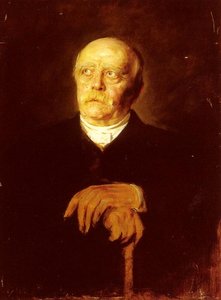
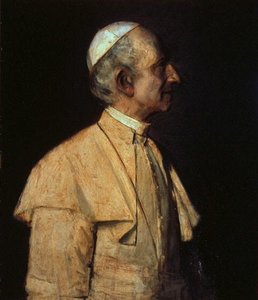
- Pope Leo XIII: A masterful depiction showcasing Lenbach’s ability to convey authority and spiritual depth.
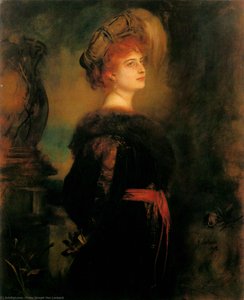
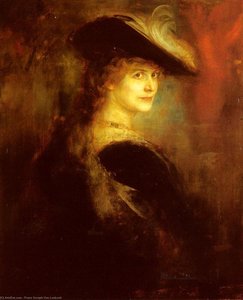
- Portrait of a Lady: Exemplifies his skill in capturing the elegance and grace of female subjects.
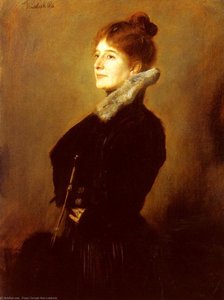
- Portrait Of A Lady Wearing A Black Coat With Fur Collar: Demonstrates his attention to detail and ability to create compelling compositions.
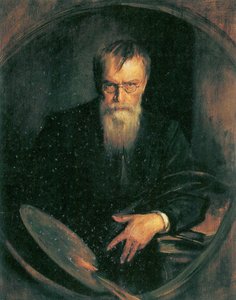
Franz Seraph von Lenbach
1836 - 1904 , Germany
Quick Facts
- Artistic Movement Or Style: Portraiture
- Artists Who Influenced This Artist: ['Karl von Piloty']
- Date Of Birth: 1836
- Date Of Death: 1904
- Full Name: Franz Seraph von Lenbach
- Nationality: German
- Notable Artworks:
- Pope Leo XIII
- Portrait of a Lady
- Place Of Birth: Schrobenhausen, Germany
Related Articles

Evolving Portraits: Personalized Art as a Chronicle of Family Life Across Generations
Create a timeless family legacy with custom portraits! ArtsDot connects you with skilled artists for heirloom-quality paintings & prints. Explore styles, commission your unique artwork today.
Jacopo Bassano: A Venetian Master of Color, Family & the Renaissance Landscape
Explore the life & art of Jacopo Bassano, a Venetian master renowned for his vibrant colorism and innovative religious scenes. Discover his family legacy & enduring influence on Renaissance painting with ArtsDot.
Pietro Longhi's Venetian Scenes: A Study of Rococo Society & Domestic Life
Explore the captivating world of Pietro Longhi's Venetian scenes! Discover insightful analysis of his Rococo masterpieces & social commentary on 18th-century life. Learn about this 'Venetian Hogarth' and his lasting artistic legacy.

Jacopo Tintoretto's Masterpieces: 25 Paintings That Define Venetian Drama | ArtsDot
Explore 25 breathtaking masterpieces by Jacopo Tintoretto, the Venetian master of drama and light. Discover the stories behind iconic Renaissance paintings & find museum-quality art reproductions to elevate your home decor on ArtsDot.com.
The Golden Light of Innovation: Exploring the Venetian Renaissance Art Movement (1430–1580)
Explore the Golden Age of Venetian art (1430–1580). Discover Giorgione, Titian & Tintoretto's techniques, the 'colorito' revolution, and lasting influence. Expert insights for collectors & enthusiasts.