 Preview
 Send
Send Share
Share
 Details

 Download
 Similars
 X-Ray
X-Ray Diaporama
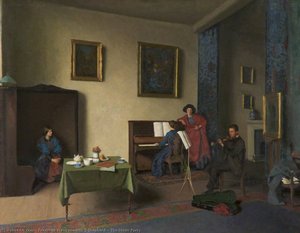
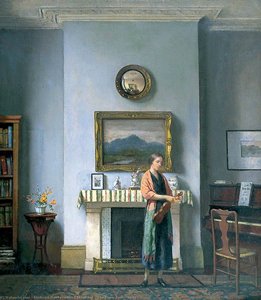
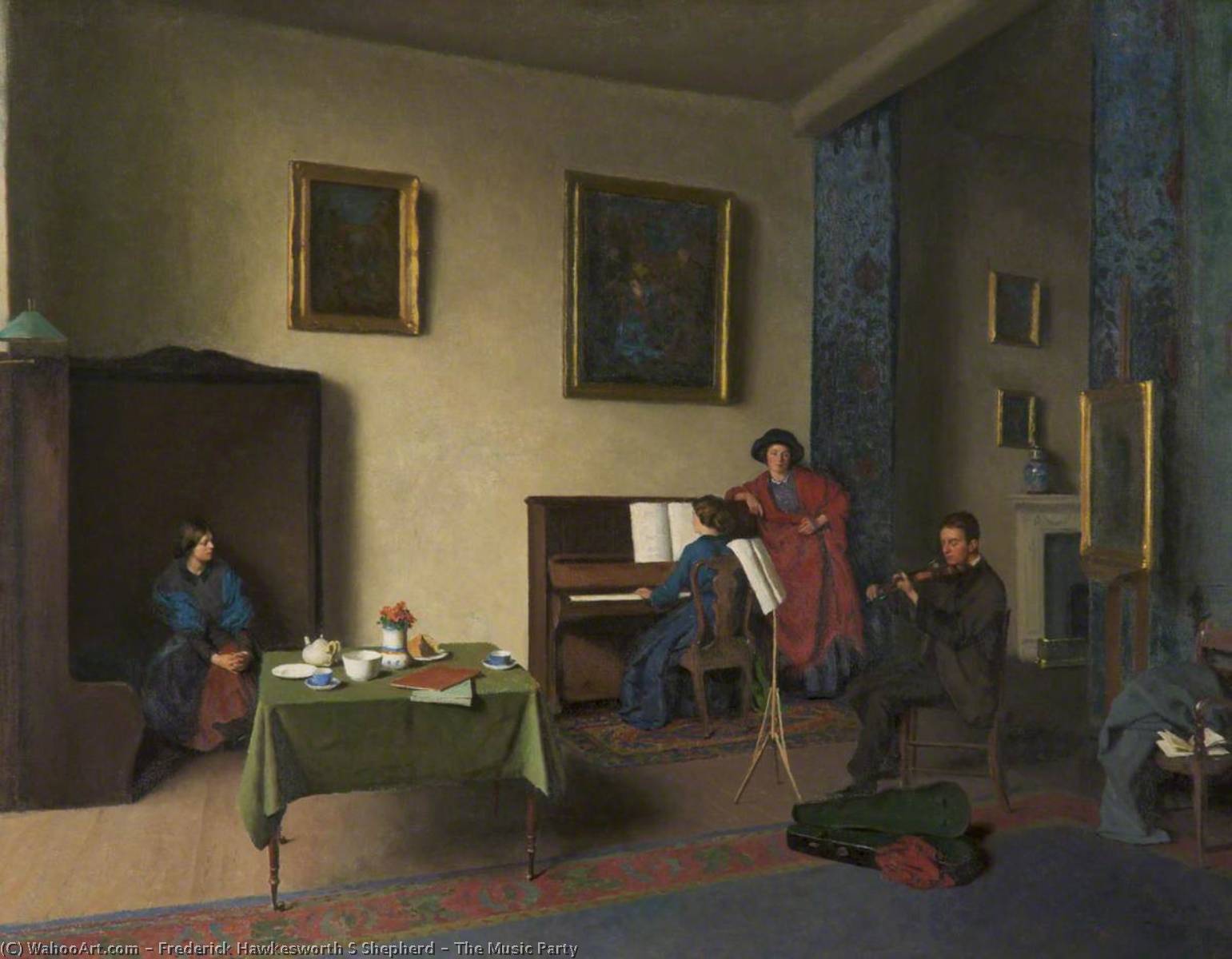
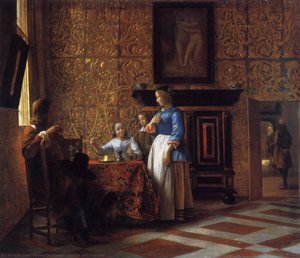
The Music Party
 Other
Other 70.0 x 90.0 cm
 Read More
Giclée / Art Print
Museum-quality giclée or canvas print with fast production and flexible finish options. ( Buy Hand Made Painting Buy Image)




P118B $10

P118H $10

P118W $10

P438Z $10

P508JH $12

P508YH $12

P805H $10

P805Z $10

P919BZ $10

P919G $10

P919XJ $10

P959ZH $10

P968JZ $12

W106C $8

W218G $10

W218JH $8

W218Y $10

W307PJ $10

W316G $10

W316PJ $8

W316Y $10

W398PJ $8

W4111J $10

W500HY $15

W500JH $15

W692G $12

W849H $8

W940BG $15

W953PJ $8




Pick from our preset sizes that match the artwork's original proportions.

You may enter your own dimensions to fit a specific frame or space. If your selected size does not match the original image's proportions, we will either crop the artwork or extend the image with a mirrored or solid-fill edge. A digital mockup will be sent for your approval before production begins.
Please note that the on-screen preview does not reflect the actual cropping or extension. Only the mockup will accurately show the final composition.
While custom sizes are available, we recommend selecting a dimension from the predefined list to preserve the original proportions.
Worldwide Delivery () in 2 weeks instead of standard 4/5 weeks. (20 August)

Free Worldwide Express Shipping

High-Quality Linen Canvas

Full Shipping Insurance

Customs Tax Refund Guarantee

True Color Matching Guarantee

60-Day Return Policy (Defects Only)

100% Money-Back Guarantee

Bulk Discount Offer
 Glass option is only available in size under 110 CM

The Music Party
Giclée / Art Print
Reproduction Size
-


Total Price
$ 63
Related Artworks
Artist Biography
Frederick Hawkesworth Sinclair Shepherd: A Master of Victorian Interiors
Frederick Hawkesworth Sinclair Shepherd (1877 – 1948) remains a quietly significant figure in late nineteenth and early twentieth-century British art, particularly renowned for his evocative depictions of university halls, grand interiors, and intimate portraits. Often overshadowed by the more flamboyant figures of the Aesthetic movement, Shepherd’s work possesses a subtle elegance and profound understanding of light, space, and human connection that deserves greater recognition. His career spanned several decades, marked by consistent artistic refinement and a dedication to capturing the essence of British academic life – from the hallowed halls of Cambridge and Oxford to the comfortable drawing rooms of established families. Shepherd’s early life provided a foundation for his artistic pursuits. Born in Stoke under Ham, Somerset, into a clergyman's family, he received an education at Rugby School, where he honed his observational skills and developed a keen appreciation for classical forms. Further studies at Corpus Christi College, Oxford, and subsequently the Slade School of Fine Art – under the tutelage of Frederick Brown – solidified his technical abilities and exposed him to the burgeoning artistic trends of the time. This formative period instilled in him a deep respect for tradition while simultaneously encouraging experimentation with light and color. Shepherd’s artistic journey truly blossomed as he transitioned from landscapes to interior scenes and portraits. He quickly established himself within the British art world, gaining membership to prestigious organizations such as the New English Art Club in 1912. His work was regularly exhibited at the Royal Academy, a testament to his growing reputation and the quality of his paintings. A pivotal moment in his career came with the commission to paint a “conversation piece” for University College, Oxford – a group portrait capturing the distinguished figures of the college’s dons. This project showcased Shepherd's ability to convey both formality and warmth within a structured composition, reflecting his mastery of portraying human interaction and social dynamics. His style evolved over time, moving from looser, more impressionistic approaches to a refined, almost photographic realism, particularly evident in his detailed renderings of architectural elements and the subtle nuances of light and shadow.The Language of Light and Space: Shepherd’s Technique
Shepherd's paintings are characterized by an extraordinary sensitivity to light – a key element that distinguishes him from many of his contemporaries. He meticulously observed how light interacted with surfaces, creating a sense of depth and atmosphere within his interiors. His use of color was equally deliberate, favoring muted tones and subtle gradations to evoke a feeling of quiet contemplation. He rarely employed dramatic contrasts or bold brushstrokes; instead, he favored a delicate layering technique that allowed the colors to blend seamlessly, producing an almost luminous effect. This approach is particularly evident in works such as “The Music Party,” where the soft glow of candlelight illuminates the figures engaged in musical activity, creating a scene brimming with warmth and conviviality. Furthermore, Shepherd’s meticulous attention to detail – from the intricate carvings on furniture to the textures of fabrics – demonstrates his commitment to capturing the authentic essence of the spaces he depicted. He was not merely painting rooms; he was conveying an experience, a feeling of belonging and connection.Subjects and Influences: Cambridge, Oxford, and Beyond
While Shepherd’s work is often associated with the universities of Cambridge and Oxford – his paintings frequently depict their grand halls, libraries, and common rooms – his subjects extended beyond these academic institutions. He also produced a significant body of portraits, capturing the likenesses of prominent figures from British society, including members of the aristocracy and the upper-middle class. His portraits are notable for their psychological depth, revealing not only the outward appearance of his sitters but also their inner character and personality. Shepherd’s artistic influences were diverse, drawing upon a range of sources – from the academic traditions of the Slade School to the aesthetic ideals of the Pre-Raphaelites and the Impressionists. The influence of the latter is particularly evident in his use of light and color, as well as his interest in capturing fleeting moments of beauty.Legacy and Significance
Frederick Hawkesworth Sinclair Shepherd’s contribution to British art may not be immediately apparent, but his work possesses a quiet dignity and understated elegance that continues to resonate with viewers today. His paintings offer a valuable glimpse into the social and cultural landscape of late Victorian Britain – a period marked by both rapid industrialization and a deep appreciation for tradition. Shepherd’s ability to capture the atmosphere of academic life, combined with his technical skill and psychological insight, ensures his place as a significant, if often overlooked, figure in British art history. His legacy lies not only in his individual paintings but also in their enduring capacity to evoke a sense of nostalgia and contemplation, inviting us to step back in time and experience the beauty and tranquility of bygone eras. His work is now held in several collections, including the Art UK collection, ensuring that his artistic vision continues to be appreciated by future generations.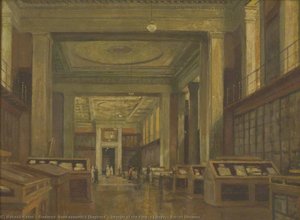
frederick hawkesworth s shepherd
1877 - 1948
Quick Facts
- Artistic Movement Or Style: Victorian Interior Painting
- Artists Or Movements Influenced By This Artist: ['New English Art Club']
- Artists Who Influenced This Artist: ['Frederick Brown']
- Date Of Birth: 1877
- Date Of Death: 1948
- Full Name: Frederick Hawkesworth Sinclair Shepherd
- Nationality: British
- Notable Artworks:
- The Music Party
- Drawing Room Interior
- University College Dons
- Place Of Birth: Stoke under Ham, Somerset, UK
Related Articles
Harmonies on Canvas: Exploring the Visual Representation of Music in Art History
Explore the fascinating history of music's visual representation in art! From ancient symbolism to modern abstraction, discover how artists have captured sound and emotion on canvas. Expert insights & stunning examples.

The Enduring Legacy of Oil on Canvas: Technique, History & Aesthetic Impact
Explore the rich history & techniques of oil painting – from Renaissance masters to Impressionism. Discover pigments, layering methods, and why this timeless medium endures. Expert insights for artists & art enthusiasts.

Oil on Canvas: A Historical & Technical Exploration of a Timeless Artistic Medium
Explore the rich history & enduring techniques of oil painting on canvas. Discover the science behind its longevity, conservation practices, and contemporary relevance. Expert insights for art enthusiasts.

The Enduring Power of Painting: A Historical & Contemporary Exploration of Form and Emotion
Explore the rich history & enduring techniques of oil painting with ArtsDot. Discover masterpieces, learn about art collecting, and find authentic handmade reproductions crafted by skilled artists.
19th Century Masterpieces: 10 Paintings That Defined an Era | ArtsDot
Journey through 19th century art with ArtsDot! Explore 10 iconic paintings – from Monet & Renoir to Courbet – and discover the stories behind Romanticism, Realism & Impressionism. Find museum-quality reproductions for your home decor. Explore the full collection online!