 Preview
 Send
Send Share
Share
 Details

 Download
 Similars
 X-Ray
X-Ray Diaporama
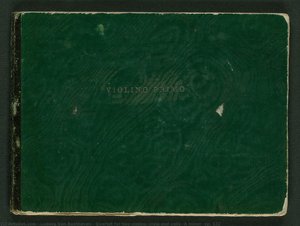
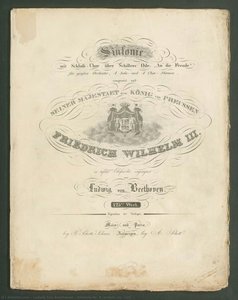
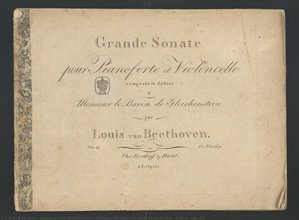
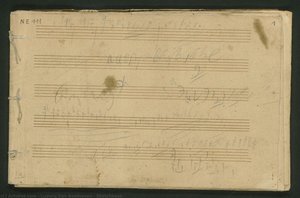
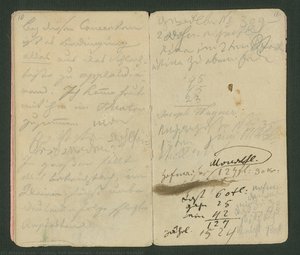
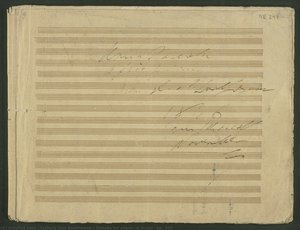
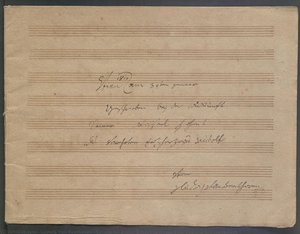
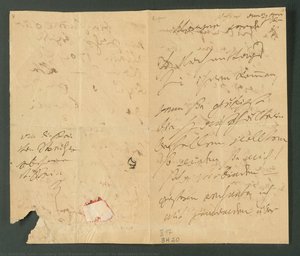
Symphony No. 6 (F major) op. 68 (Pastoral), parts


 Read More
Hand Made Oil Reproduction
Hand-painted oil on canvas in your size and frame, made to order by our artists. ( Buy Print Buy Image)




P118B $10

P118H $10

P118W $10

P438Z $10

P508JH $12

P508YH $12

P805H $10

P805Z $10

P919BZ $10

P919G $10

P919XJ $10

P959ZH $10

P968JZ $12

W106C $8

W218G $10

W218JH $8

W218Y $10

W307PJ $10

W316G $10

W316PJ $8

W316Y $10

W398PJ $8

W4111J $10

W500HY $15

W500JH $15

W692G $12

W849H $8

W940BG $15

W953PJ $8




Pick from our preset sizes that match the artwork's original proportions.

You may enter your own dimensions to fit a specific frame or space. If your selected size does not match the original image's proportions, we will either crop the artwork or extend the painting with additional hand-painted elements. A digital mockup will be sent for your approval before production begins.
Please note that the on-screen preview does not reflect the actual cropping or extension. Only the mockup will accurately show the final composition.
While custom sizes are available, we recommend selecting a dimension from the predefined list to preserve the original proportions.
After order, ArtsDot.com team will email client for instructions and provide a mockup preview
Worldwide Delivery () in 3/4 weeks instead of standard 5 weeks. (16 August). No compromise on quality.

Free Worldwide Express Shipping

High-Quality Linen Canvas

Full Shipping Insurance

Customs Tax Refund Guarantee

True Color Matching Guarantee

60-Day Return Policy (Defects Only)

100% Money-Back Guarantee

Bulk Discount Offer
 Glass option is only available in size under 110 CM

Symphony No. 6 (F major) op. 68 (Pastoral), parts
Reproduction Medium
Reproduction Size
-


Total Price
$ 263
Artwork Description
A Window into the Soul of Nature
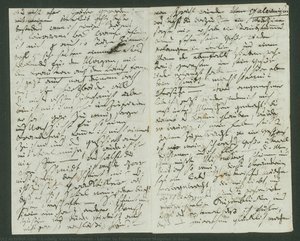
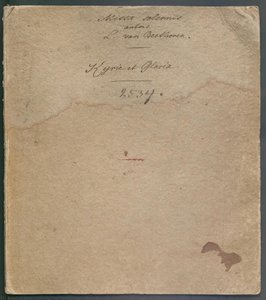
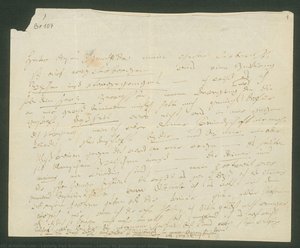
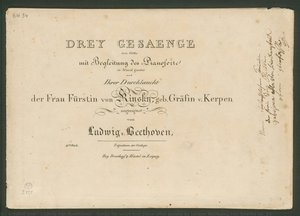
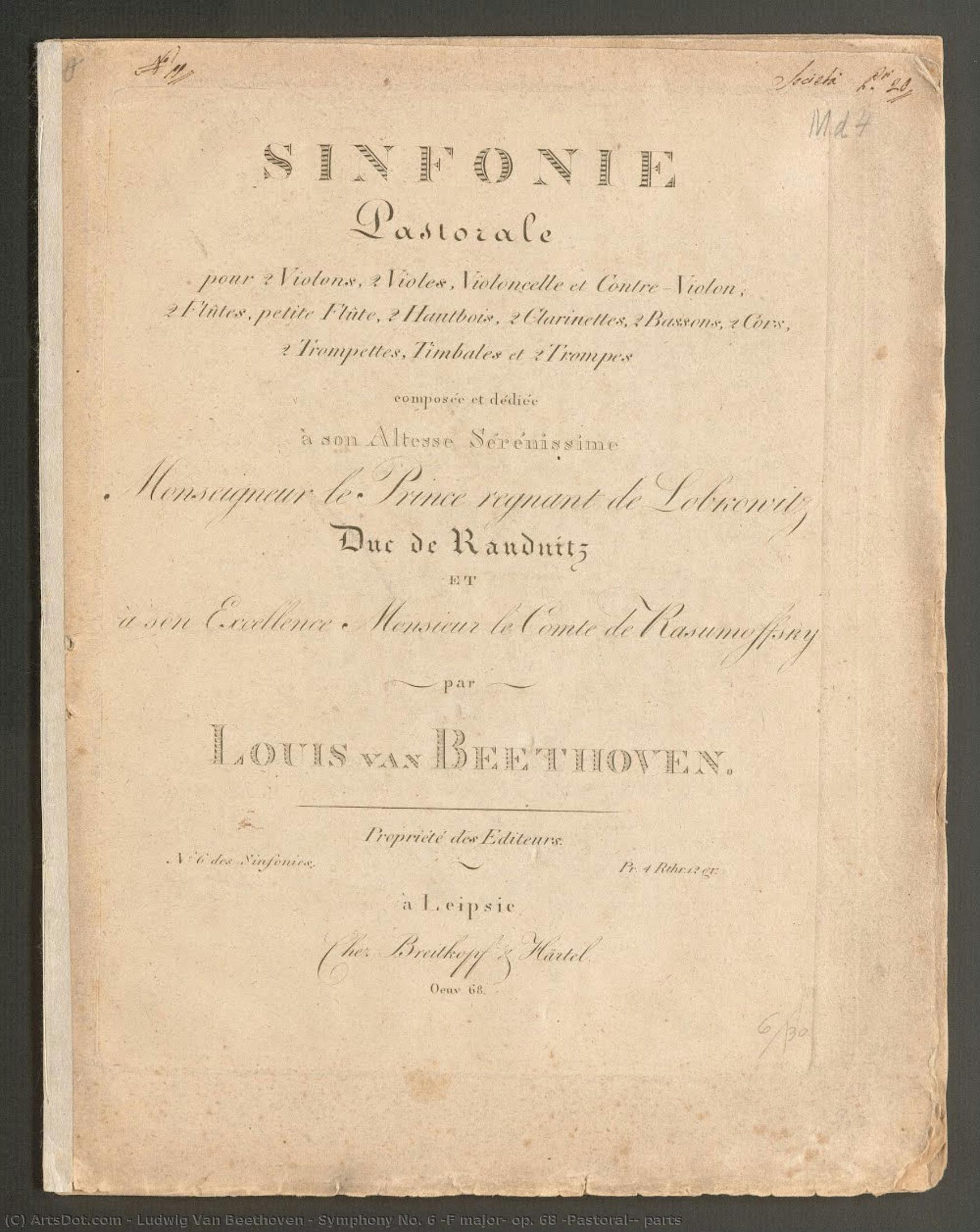
Behold a captivating reproduction of Ludwig van Beethoven’s Symphony No. 6 in F major, affectionately known as the “Pastoral” Symphony – an evocative journey rendered on aged parchment that transcends mere musical notation and becomes a portal to the composer's profound connection with the natural world. This isn’t simply a sheet music page; it’s a tangible artifact whispering tales of rolling hills, babbling brooks, and the quiet majesty of rural life, all meticulously captured within the constraints of 19th-century print design. The deliberate choice of a vintage aesthetic—the subtle yellowing of the paper, the delicate creases hinting at years spent in careful study—immediately establishes an atmosphere of reverence and historical significance, inviting us to step back into a time when music was intimately linked with observation and emotion.
The design itself is a testament to the elegance of classical European printmaking. The typography, a refined serif font, commands attention while maintaining a sense of formality befitting Beethoven’s stature. Handwritten annotations, scattered throughout the score, add a layer of intimacy, suggesting the composer's own meticulous revisions and personal reflections. These details aren’t mere flourishes; they are integral to understanding the work’s genesis – a deliberate attempt by Beethoven to translate his experiences in nature into musical form, moving beyond the rigid structures of earlier classical music.
The Genesis of Pastoralism
Beethoven's Sixth Symphony emerged during a pivotal period in his life—a time marked by increasing deafness and a growing desire for respite from the pressures of Viennese society. Seeking solace and inspiration, he retreated to the countryside, immersing himself in the sights and sounds of nature. This experience profoundly shaped the symphony, which became a deliberate attempt to evoke these sensory impressions through music. The work’s programmatic titles—"Awakening," "Scene by the Brook," "Merry Gathering of Country Folk," and “Thunderstorm”—provide explicit clues to the musical landscape Beethoven sought to portray.
The symphony's structure mirrors this pastoral journey, unfolding in five movements that capture distinct aspects of rural life. The opening movement, “Awakening,” establishes a sense of tranquility and anticipation, while the second, "Scene by the Brook," utilizes delicate string textures and evocative melodic fragments to mimic the sound of flowing water. The third movement, “Merry Gathering of Country Folk,” bursts with lively energy, depicting a boisterous tavern scene filled with dancing and merriment. Finally, the fourth movement, “Thunderstorm,” unleashes a dramatic torrent of orchestral sound, capturing the raw power and awe-inspiring beauty of nature’s fury.
Symbolism and Emotional Resonance
Beyond its programmatic content, Beethoven's Sixth Symphony is rich in symbolism. The pastoral themes resonate with a longing for simplicity, peace, and connection to the natural world—emotions that were particularly poignant during the Romantic era, when artists and writers sought to escape the constraints of industrial society. The symphony’s emotional impact is profound, evoking feelings of joy, serenity, wonder, and even melancholy. It's a testament to Beethoven's ability to tap into universal human experiences through his music.
The aged manuscript itself serves as a powerful symbol—a reminder of the passage of time, the enduring legacy of artistic genius, and the beauty that can be found in both nature and art. This reproduction isn’t just a copy; it's an invitation to connect with Beethoven’s vision, to lose oneself in the music’s evocative landscapes, and to appreciate the profound emotional depth of this timeless masterpiece.
Related Artworks
Artist Biography
early life and musical beginnings
ludwig van beethoven, a renowned german composer and pianist, was born in bonn, germany, in 1770. displaying his musical talent at a young age, he began studying music under various teachers before moving to vienna, where he would spend most of his life.- sonata for piano and violoncello (a major) op. 69, 1st movement (available at ArtsDot.com)
- beethoven's manuscript of the missa solemnis (viewable at wikipedia)
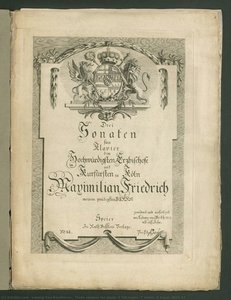
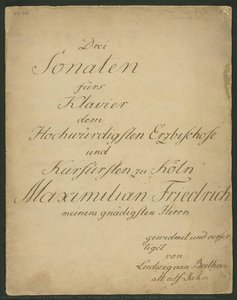
- three opus 1 piano sonatas, patronized by karl alois, prince lichnowsky
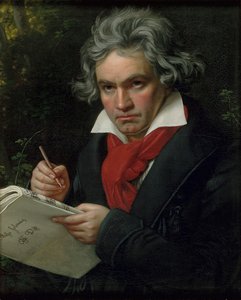
ludwig van beethoven
1770 - 1827 , Germany
Quick Facts
- Artistic Movement Or Style: Classical Romantic
- Artists Or Movements Influenced By This Artist:
- Johannes Brahms
- Robert Schumann
- Artists Who Influenced This Artist:
- Franz Joseph Haydn
- Christian Gottlob Schulze
- Date Of Birth: 1770 Bonn Germany
- Date Of Death: 1827 Vienna Austria
- Full Name: Ludwig van Beethoven
- Nationality: German
- Notable Artworks:
- Moonlight Sonata
- Symphony No 9
- Place Of Birth: Bonn Germany
Related Articles
Idyllic Visions: Exploring the Pastoral Tradition in Western Art – Themes, Techniques & Enduring Appeal
Explore the rich history of pastoral art from classical Arcadia to contemporary interpretations. Discover key artists, themes & collecting tips at ArtsDot.
Idyllic Visions: Exploring the Pastoral Scene in Art History – From Arcadia to Modern Interpretations
Explore the captivating history of pastoral art from classical Arcadia to modern masterpieces. Discover key artists like Millet & Cole at ArtsDot. Find serene landscape paintings for your home.

Idyllic Visions: Exploring Pastoral Scenes in Art History – From Arcadia to Modern Interpretations
Explore the captivating history of pastoral art, from classical Arcadia to 19th-century masterpieces. Discover key artists like Millet & Cole and find serene landscape paintings for your home at ArtsDot.
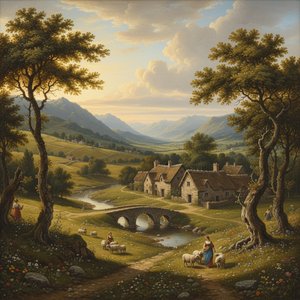
Evoking Arcadia: A Historical & Aesthetic Exploration of Rural Landscape Art
Explore the rich history of pastoral landscape art, from classical Arcadia to Impressionism & beyond. Discover key artists, movements, and how to collect serene rural scenes for your home. Expert insights at ArtsDot.
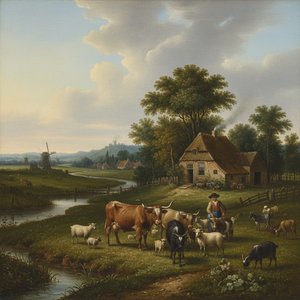
Albertus Verhoesen: Capturing Dutch Pastoral Life with Exquisite Detail
Explore the idyllic rural scenes of Albertus Verhoesen (1806-1881). Discover his charming paintings, renowned for realistic detail and pastoral beauty. Learn about this Dutch Romantic master at ArtsDot.