The Enduring Myth of Arcadia: Origins and Classical Roots
 Evoking Arcadia: A Historical & Aesthetic Exploration of Rural Landscape Art
Explore the rich history of pastoral landscape art, from classical Arcadia to Impressionism & beyond. Discover key artists, movements, and how to collect serene rural scenes for your home. Expert insights at ArtsDot.
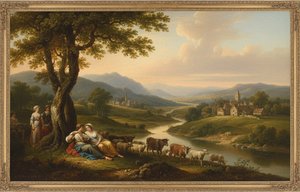
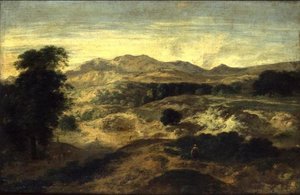
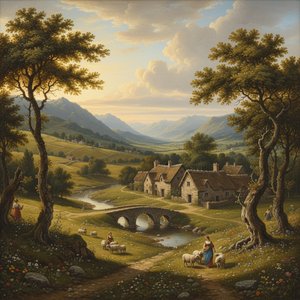
The very word “Arcadia” conjures images of sun-dappled meadows, gentle hillsides, and a life lived in harmonious connection with nature. But the idyllic vision of Arcadia is far more than just picturesque scenery; it’s a deeply rooted cultural myth that has captivated artists for centuries. Its origins lie in ancient Greece, specifically the region of Arcadia in the Peloponnese peninsula. While historically a rugged, mountainous area, the poets of antiquity transformed it into an imagined paradise – a refuge from the complexities and anxieties of urban life. This early conception wasn’t simply about aesthetic beauty; it was a philosophical statement, a longing for a simpler existence untainted by ambition or strife. The legendary shepherd Arcas, after whom the region is named, became symbolic of this pastoral ideal, embodying virtue, simplicity, and closeness to the divine. Early depictions often featured Pan, the god of the wild, further emphasizing Arcadia’s connection to nature's raw power and untamed beauty. This foundational myth provided a powerful template for artists seeking to explore themes of innocence, loss, and the restorative power of the natural world.
Shepherds, Nymphs, and Golden Ages: Key Characteristics of the Pastoral Genre
The pastoral genre of literature, art, or music depicts an idealised form of the shepherd's lifestyle – herding livestock around open areas of land according to the seasons and the changing availability of water and pasture. The target audience is t...
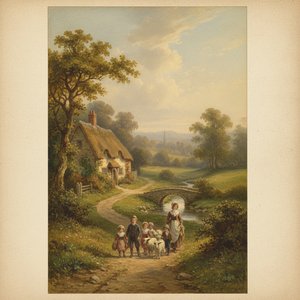
As the Arcadian ideal spread throughout classical literature – notably through the works of Virgil’s Eclogues and Jacopo Sannazaro's 1504 poem Arcadia – it evolved into a distinct literary genre: the pastoral. This wasn’t merely about depicting rural life; it was about *idealizing* it. Shepherds weren’t portrayed as toiling laborers, but rather as eloquent poets and musicians who spent their days composing verses and lamenting lost loves amidst breathtaking landscapes. Nymphs and gods frequently populated these scenes, lending an air of enchantment and timelessness. A key element within the pastoral tradition is the concept of the “locus amoenus” – a beautiful place, often featuring flowing water, lush vegetation, and gentle sunlight. This idealized setting served as a counterpoint to the perceived corruption and artificiality of city life. The genre also frequently employed themes of lost golden ages, suggesting that humanity had once lived in perfect harmony with nature but had fallen from grace. The pastoral wasn’t simply escapism; it was often used as a vehicle for social commentary, subtly critiquing the excesses and injustices of contemporary society by contrasting them with an imagined idyllic past.
From Millet to Cole: The Pastoral in 19th-Century Painting
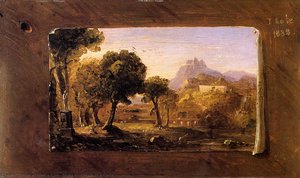 Study for Dream of Arcadia
Discover Thomas Cole’s "Study for Dream of Arcadia," a serene Hudson River School landscape. Explore its romantic beauty, rich textures & historical significance – perfect for art lovers.
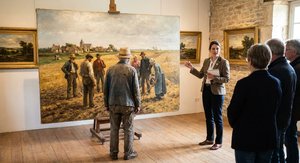
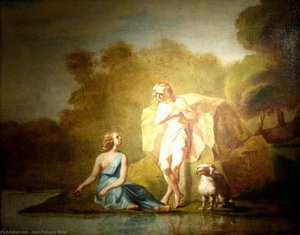
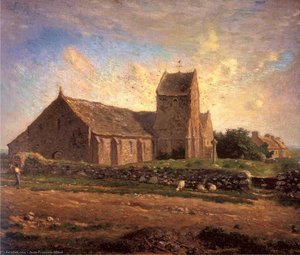
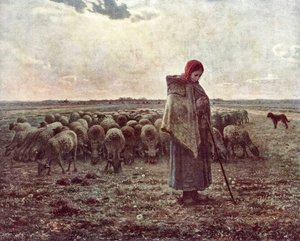
The 19th century witnessed a remarkable resurgence of interest in the pastoral genre, fueled by Romanticism and the Barbizon School. Artists like Jean-François Millet sought to capture the dignity and beauty of rural life with poignant realism. His masterpiece, Shepherds of Arcadia, exemplifies this approach; it’s not a fantastical depiction of idealized shepherds, but rather a sensitive portrayal of working people finding solace and connection in the natural world. Millet's focus on the everyday lives of peasants, rendered with meticulous detail and emotional depth, offered a powerful alternative to the grand historical narratives that dominated academic painting at the time. Simultaneously, American artists like Thomas Cole embraced the pastoral tradition within the context of the Hudson River School. His Study for Dream of Arcadia, though smaller in scale, reveals his fascination with the sublime beauty of the American landscape and its potential for spiritual renewal. Cole’s work often incorporated allegorical elements, suggesting that the unspoiled wilderness represented a moral ideal threatened by encroaching civilization.
Romanticizing Rural Life: Pastoral as an Escape from Industrialization
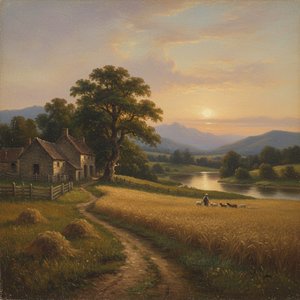
The rise of industrialization in the 19th century profoundly impacted artistic sensibilities. As cities swelled with population and factories belched smoke into the sky, artists increasingly turned to the countryside as a source of inspiration and solace. The pastoral genre provided a powerful means of escaping the perceived alienation and dehumanization of modern life. Émile Bernard’s Arcadia, painted in the Post-Impressionist style, exemplifies this yearning for a simpler existence. His dramatic lighting and classical composition evoke a sense of timeless beauty and tranquility, offering a refuge from the anxieties of the rapidly changing world. This period saw a deliberate romanticizing of rural life – an emphasis on community, tradition, and connection to nature. However, it’s important to note that this romanticization wasn't necessarily about accurately depicting peasant life; rather, it was about projecting idealized values onto it. The pastoral became a symbol of resistance against the perceived negative consequences of industrial progress.
Modern Echoes: How the Pastoral Tradition Continues to Inspire Contemporary Art
While the overt focus on shepherds and nymphs may have waned, the underlying themes of the pastoral tradition – the longing for connection with nature, the critique of urban life, and the search for a simpler existence – continue to resonate in contemporary art. Many modern artists explore these themes through abstract landscapes, environmental installations, and works that address issues of sustainability and ecological awareness. The genre’s emphasis on subjectivity and emotional response also aligns with many contemporary artistic practices. Even seemingly unrelated genres can be seen as echoes of the pastoral, such as minimalist art which seeks to create a sense of tranquility through simplicity and reduction. The enduring appeal of the pastoral lies in its ability to tap into fundamental human desires for peace, beauty, and connection with something larger than ourselves.
Collecting Pastoral Scenes for Your Home: A Guide with ArtsDot
Bringing the serenity of the pastoral tradition into your home is easier than you might think. ArtsDot offers a stunning collection of handmade oil paintings and museum-quality prints featuring iconic pastoral scenes from artists like Millet, Cole, and Bernard, as well as countless others. Whether you prefer the realism of Barbizon School landscapes or the romanticism of Post-Impressionist visions, we have something to suit your taste. Our reproductions are crafted with meticulous attention to detail, ensuring that every brushstroke and texture is faithfully captured. We also offer a range of customization options, allowing you to choose the perfect size, orientation, and framing style for your space. Explore our collection today and discover how a beautiful pastoral painting can transform your home into a haven of peace and tranquility. Visit ArtsDot.com to begin your journey.