

 Preview
 Send
Send Share
Share
 Details

 Download
 Similars
 X-Ray
X-Ray Diaporama
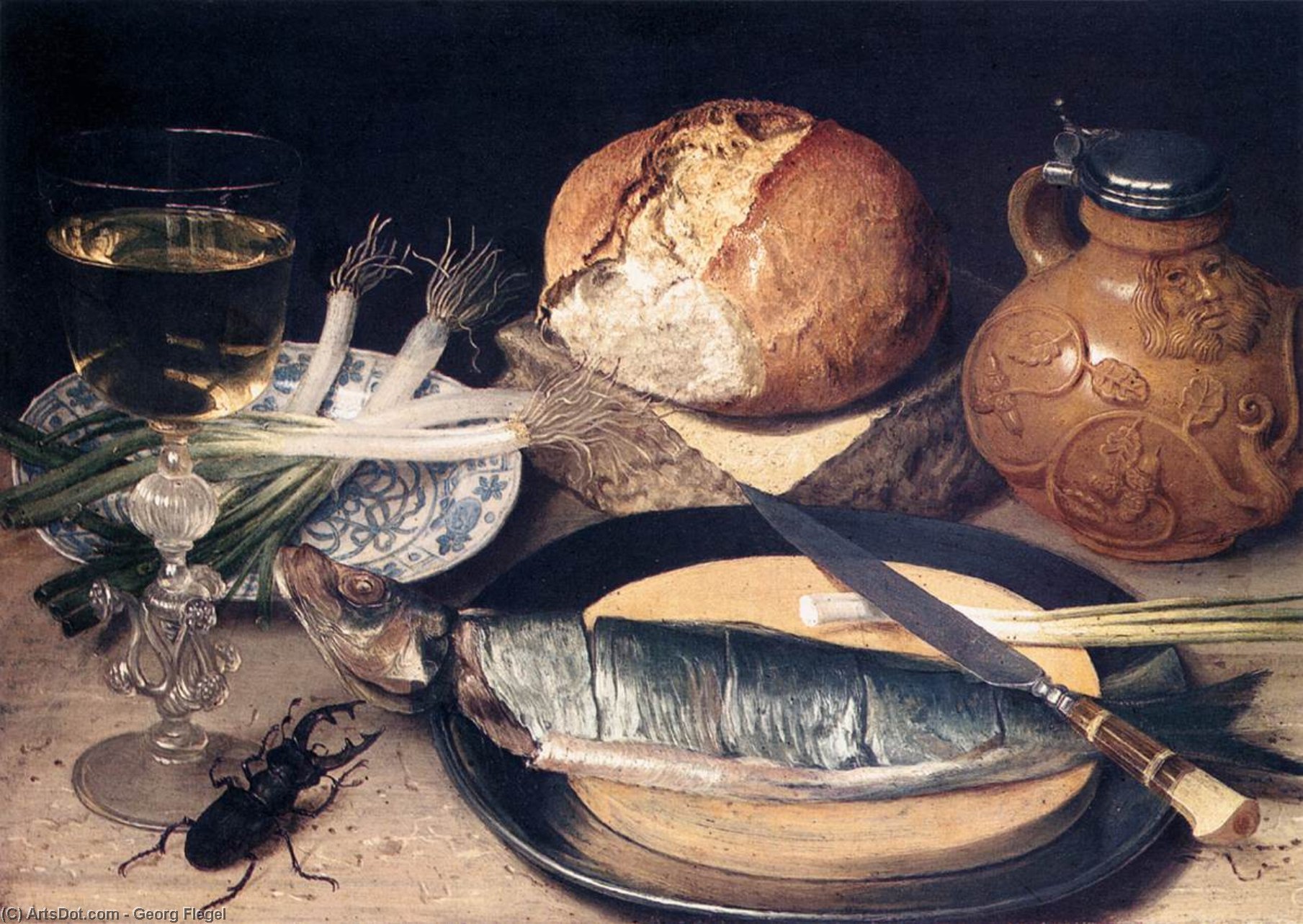
Still Life with Stag Beetle


 Read More
Purchase a high-resolution, enhanced digital image, far superior to the online preview.
Each file is meticulously prepared by our in-house specialists using advanced tools and expert manual retouching. We ensure every image has exceptional clarity, precise color accuracy, and fine detail.
The final file is delivered via email within 72 hours, optimized for immediate use in professional, editorial, and print environments. This is the same quality trusted by top-tier design studios, publishers, and galleries.
Digital Image
Download a high-resolution file for personal display, printing, and creative projects. ( Buy Print Buy Hand Made Painting)
Included in Every Digital Image Order
Expert Digital Delivery, Guaranteed
When you choose ArtsDot.com, you're not just getting an image - you're receiving a professionally enhanced digital artwork, crafted with precision and backed by a satisfaction guarantee. Here's everything that comes with your order, automatically:

Fast Email Delivery
Your high-resolution digital image file will be emailed to you within 72 hours of ordering - ready for immediate use.

AI-Enhanced Digital File
Your artwork is professionally optimized using advanced AI tools and manual editing, ensuring maximum detail, clarity, and color accuracy.

Free Lifetime Re-Delivery
Accidentally deleted or lost your file? No worries - we'll resend it to you anytime, free of charge.

No Import Fees - Ever
Enjoy your artwork instantly with zero customs, duties, or delivery fees - digital downloads are always tax-free.

Color Accuracy Guarantee
We ensure your digital image reflects the original colors as closely as possible using professional tools and color management.

60-Day Satisfaction Guarantee
If you're not satisfied with your digital image, we'll revise it or refund 100% within 60 days - no questions asked.

100% Money-Back Guarantee
Not satisfied? Get a full refund within 60 days of receiving your digital file - no questions asked.

Bulk Order Discounts
Buy 3 images, save 10% - Buy 5, save 15% - Buy 10+, save 20%. Great for creative projects, galleries, and agencies.
Collectible Description
Still Life with Stag Beetle – A Symphony of Detail and Symbolism
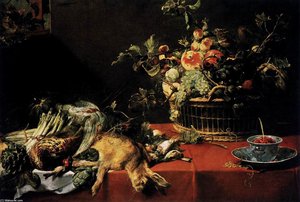
Georg Flegel’s “Still Life with Stag Beetle,” painted in 1635, transcends mere representation; it embodies the spirit of Northern Mannerism—a movement characterized by meticulous observation, dramatic chiaroscuro (light and shadow), and a profound engagement with psychological depth. Housed within the Wallraf-Richartz-Museum in Cologne, Germany, this oil on canvas offers viewers an immersive experience into a meticulously crafted tableau that speaks volumes about Renaissance artistic sensibilities evolving towards Baroque grandeur. The painting’s composition immediately draws attention to its central subject: a stag beetle perched upon a plate containing two fish—one partially consumed by the insect itself. This seemingly simple arrangement is laden with symbolic significance, reflecting Flegel's masterful use of visual language. The stag beetle, traditionally associated with strength and perseverance, represents overcoming obstacles and achieving goals – mirroring the broader humanist ideals prevalent during the period. Simultaneously, the fish symbolize fertility and abundance, hinting at themes of sustenance and prosperity. Careful consideration of color palettes—primarily earthy tones punctuated by flashes of crimson—further enhances the painting’s dramatic impact.- Technique: Flegel employed a technique known as sfumato, blurring edges and softening contours to create an illusion of depth and atmosphere. This masterful manipulation of light contributes significantly to the overall mood of solemn contemplation.
- Historical Context: Painted during the turbulent years following Rudolf II’s reign in Prague, “Still Life with Stag Beetle” reflects the anxieties surrounding religious reformation and political instability. However, it also embodies a humanist fascination with natural beauty and intellectual inquiry—values that would become hallmarks of the Baroque era.
- Material: The canvas was stretched over a wooden frame, utilizing linen fabric – a common material for painting during Flegel’s time.
Related Artworks

Artist Biography
Giuseppe Arcimboldo: The Master of Impossibility
Giuseppe Arcimboldo (1527-1638), a name synonymous with audacious imagination and unparalleled skill, was an Italian Mannerist painter who redefined the boundaries of portraiture. Born Domenikos Theotokopoulos on April 5th, 1527, in Milan, he ultimately became known as Giuseppe Arcimboldo – a moniker adopted during his time serving the Habsburg court. His life’s work wasn't simply about depicting likenesses; it was an elaborate performance of visual storytelling, transforming ordinary objects—fruits, vegetables, flowers, books, and even instruments—into strikingly realistic and deeply symbolic human heads. This unique approach cemented his place as a pivotal figure in art history, bridging the gap between Renaissance idealism and the burgeoning Baroque era. Arcimboldo’s early career was firmly rooted in the traditional practices of Milanese painting. He began as a designer for stained glass and frescoes at local cathedrals, mastering the techniques of these demanding mediums. However, it was his appointment as court painter to Ferdinand I in Vienna in 1562 that marked a dramatic shift in his artistic trajectory. This position within the Habsburg court provided him with unprecedented access to power and influence, allowing him to experiment freely and develop his signature style. He subsequently served Maximilian II and Rudolf II at the Prague court, becoming a valued decorator, costume designer, and even a producer of elaborate drawings of exotic animals for the imperial menagerie – a testament to his versatility and artistic range.- Early Influences: Arcimboldo’s early work demonstrates a strong influence from the late Mannerism prevalent in Italy at the time. He absorbed the stylistic elements of artists like Giuseppe Cesari, known as the “Cavaliere d'Arpino,” and incorporated them into his own distinctive style.
- Venetian Techniques: His relocation to Venice in 1567 proved crucial, exposing him to the vibrant colors and dynamic compositions of Venetian masters like Titian, Tintoretto, and Jacopo Bassano. This experience significantly broadened his artistic palette and technique.
- The Farnese Circle: Arcimboldo’s time at the court of Cardinal Alessandro Farnese in Rome was a period of intense experimentation and innovation. He honed his skills in portraiture, creating striking images for the cardinal's circle of learned men – a group known for its intellectual curiosity and appreciation for visual spectacle.
Symbolism and Renaissance Neo-Platonism
The precise motivations behind Arcimboldo’s unconventional portraits remain a subject of scholarly debate. While some critics initially dismissed them as mere curiosities designed to amuse the court, more recent interpretations suggest a deeper engagement with Renaissance Neo-Platonism – a philosophical movement that sought to reconcile classical philosophy with Christian theology. The use of natural elements, representing earthly beauty and abundance, could be seen as an allegory for the divine realm, while the careful arrangement of these objects within the human form reflects the concept of “anamorphic unity” – the idea that all things are ultimately interconnected and part of a single, underlying reality.Major Works and Legacy
Several works stand out as particularly significant examples of Arcimboldo’s genius. *Flora* (c. 1591), depicting a woman's head composed entirely of flowers and plants, is arguably his most iconic creation. Similarly, *Vertumnus* (1587-1588) – a portrait of Rudolf II as the Roman god of fertility – showcases his mastery of composition and his ability to transform inanimate objects into remarkably lifelike figures. His later works, such as *Winter*, created for Rudolf II in 1590, demonstrate an increasing sophistication in his technique and a greater emphasis on atmospheric perspective.- *Flora* (c. 1591): A quintessential example of Arcimboldo’s signature style, celebrating the beauty and abundance of nature.
- *Vertumnus* (1587-1588): A portrait of Rudolf II as the Roman god of fertility, showcasing his skill in creating complex and layered compositions.
- *Winter* (1590): Demonstrates a growing mastery of atmospheric perspective and a more refined artistic style.
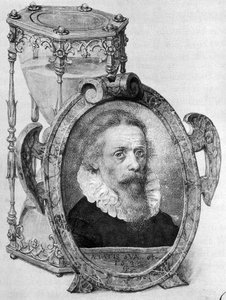
georg flegel
1566 - 1638 , Czech Republic
Quick Facts
- Artistic Movement Or Style: Mannerism/Early Baroque
- Artists Or Movements Influenced By This Artist: ['Caravaggio']
- Artists Who Influenced This Artist:
- Titian
- Tintoretto
- Date Of Birth: 1541
- Date Of Death: 1614
- Full Name: Domenikos Theotokopoulos
- Nationality: Greek/Spanish
- Notable Artworks:
- The Burial of the Count of Orgaz
- View of Toledo
- Assumption of Mary
- Place Of Birth: Crete, Greece

