 Preview
 Send
Send Share
Share
 Details

 Download
 Similars
 X-Ray
X-Ray Diaporama
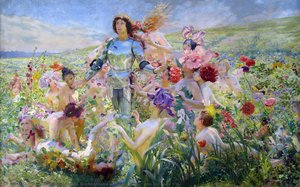
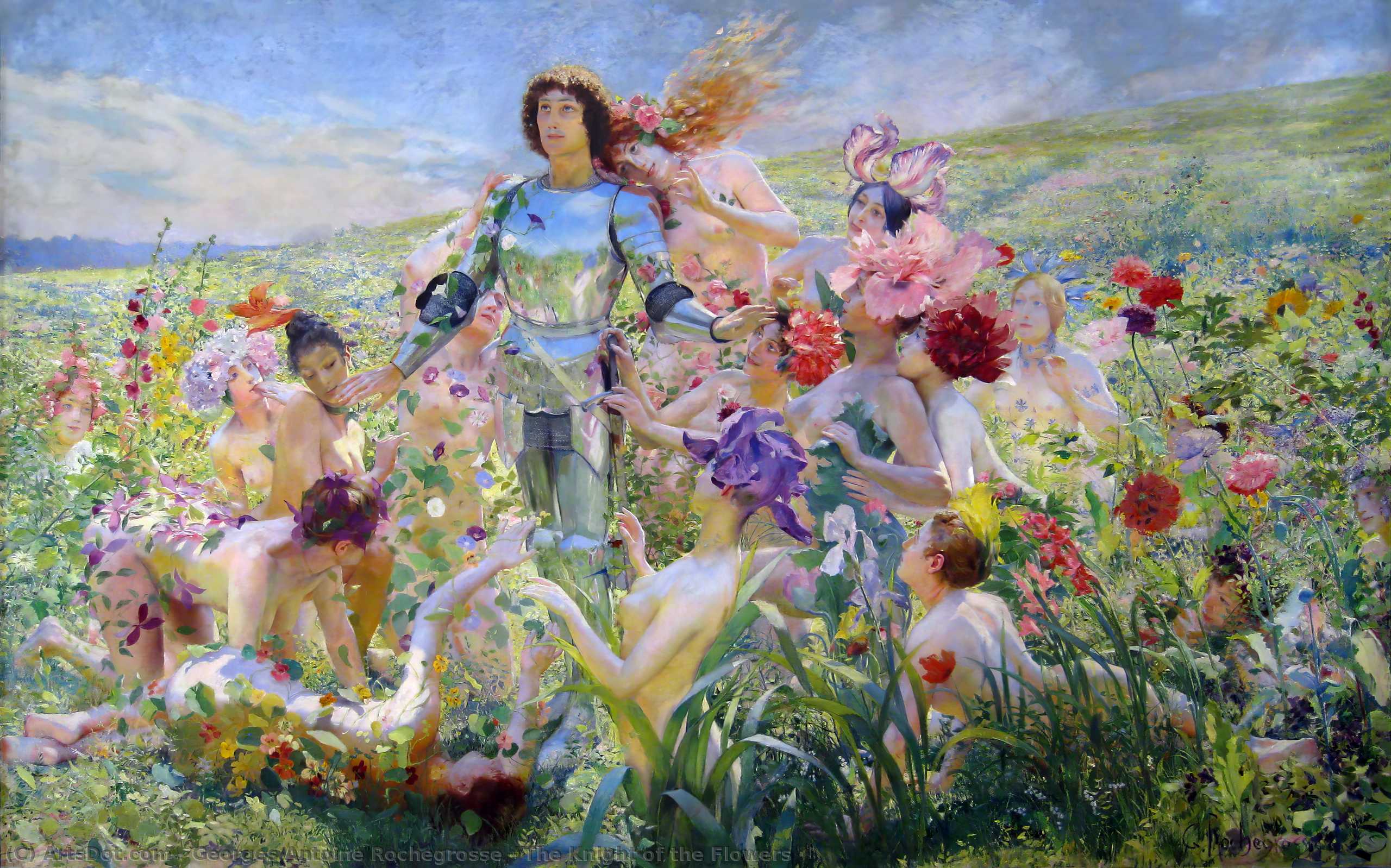
The Knight of the Flowers


 Read More
Hand Made Oil Reproduction
Hand-painted oil on canvas in your size and frame, made to order by our artists. ( Buy Print Buy Image)




P118B $10

P118H $10

P118W $10

P438Z $10

P508JH $12

P508YH $12

P805H $10

P805Z $10

P919BZ $10

P919G $10

P919XJ $10

P959ZH $10

P968JZ $12

W106C $8

W218G $10

W218JH $8

W218Y $10

W307PJ $10

W316G $10

W316PJ $8

W316Y $10

W398PJ $8

W4111J $10

W500HY $15

W500JH $15

W692G $12

W849H $8

W940BG $15

W953PJ $8




Pick from our preset sizes that match the artwork's original proportions.

You may enter your own dimensions to fit a specific frame or space. If your selected size does not match the original image's proportions, we will either crop the artwork or extend the painting with additional hand-painted elements. A digital mockup will be sent for your approval before production begins.
Please note that the on-screen preview does not reflect the actual cropping or extension. Only the mockup will accurately show the final composition.
While custom sizes are available, we recommend selecting a dimension from the predefined list to preserve the original proportions.
After order, ArtsDot.com team will email client for instructions and provide a mockup preview
Worldwide Delivery () in 3/4 weeks instead of standard 5 weeks. (17 August). No compromise on quality.

Free Worldwide Express Shipping

High-Quality Linen Canvas

Full Shipping Insurance

Customs Tax Refund Guarantee

True Color Matching Guarantee

60-Day Return Policy (Defects Only)

100% Money-Back Guarantee

Bulk Discount Offer
 Glass option is only available in size under 110 CM

The Knight of the Flowers
Reproduction Medium
Reproduction Size
-


Total Price
$ 263
Artwork Description
The Knight of the Flowers: A Symphony of Symbolism and Light
Georges Antoine Rochegrosse’s “The Knight of the Flowers,” painted in 1882, is not merely a depiction of a medieval scene; it's an immersive experience—a vibrant portal into the heart of Symbolist aesthetics. This monumental canvas, currently residing within the hallowed halls of the Musée d’Orsay in Paris, pulsates with a dramatic intensity that immediately captivates the viewer. Rochegrosse, a master of historical and mythological subjects, eschewed the rigid constraints of naturalism, instead embracing a deeply personal and emotionally charged approach to storytelling. The painting unfolds as a carefully orchestrated tableau, brimming with allegorical figures and symbolic elements that invite contemplation long after the initial visual impact has faded.
At its core, “The Knight of the Flowers” chronicles the pivotal moment following Parsifal’s heroic act—the slaying of the guards protecting Klingsor's formidable castle. He doesn’t emerge triumphant into a scene of battle or glory; instead, he is drawn into a fantastical garden, an enchanted realm teeming with life and veiled in mystery. The figures surrounding him – women adorned in a profusion of blossoms: daffodils, peonies, roses, irises, tulips, violets, and hydrangeas – are not simply decorative elements but potent symbols representing fate, temptation, and the allure of the unattainable ideal. Rochegrosse’s deliberate distancing from the literal narrative—his focus on conveying an *idea* rather than a straightforward recounting of events—is a hallmark of Symbolism, a movement that sought to express profound truths through evocative imagery and suggestive forms.
A Masterclass in Dramatic Light and Color
Rochegrosse’s technical prowess is immediately apparent. The painting is executed with a bold, almost Fauvist-like use of color—a deliberate departure from the muted tones favored by many of his contemporaries. He employs vibrant hues – rich reds, deep blues, and luminous yellows – to create an atmosphere of heightened drama and emotional intensity. Light plays a crucial role, bathing the scene in a theatrical glow that seems to emanate from within the canvas itself. The stark contrasts between light and shadow sculpt the figures, emphasizing their forms and contributing to the overall sense of dynamism. Notice particularly how the light catches on the knight’s armor, reflecting an almost otherworldly brilliance, while the surrounding flora is rendered with a luscious, tactile quality.
The artist's brushwork is equally expressive. Loose, gestural strokes convey a sense of movement and immediacy, as if capturing a fleeting moment in time. He utilizes impasto—thickly applied paint—to build up texture and create a palpable surface that invites the viewer to reach out and touch. This technique not only adds visual interest but also reinforces the painting’s emotional impact, imbuing it with a sense of vitality and urgency.
Historical Context and Symbolic Resonance
“The Knight of the Flowers” emerged during a period of profound social and intellectual upheaval in France—the late 19th century. The Symbolist movement was gaining momentum, fueled by a rejection of materialism and a fascination with spirituality, mythology, and the subconscious. Rochegrosse’s work reflects this broader cultural shift, aligning him with artists like Gustave Moreau and Edvard Munch who sought to explore the darker aspects of human experience through symbolic imagery. The painting draws heavily from Arthurian legend—specifically, the tale of Parsifal—but transforms it into a meditation on themes of purity, temptation, and the pursuit of an unattainable ideal.
The choice of subject matter itself is significant. Parsifal’s rejection of the seductive allure of the flower maidens represents a symbolic victory over worldly desires. Rochegrosse's decision to depict this moment—not as a heroic triumph but as a retreat into a mystical realm—underscores the painting’s underlying message: that true fulfillment lies not in earthly pleasures, but in the pursuit of spiritual enlightenment.
Bringing “The Knight of the Flowers” Home
A reproduction of “The Knight of the Flowers” is more than just a decorative piece; it's an opportunity to bring a masterpiece of Symbolist art into your home. ArtsDot.com offers meticulously crafted hand-painted reproductions that capture the essence of Rochegrosse’s original vision, utilizing archival quality materials and techniques. Whether you are an art enthusiast, a collector seeking to expand your collection, or simply someone who appreciates beauty and artistry, a reproduction of this iconic painting will undoubtedly become a treasured addition to your space. Explore our selection today and experience the enduring power of “The Knight of the Flowers.”
Related Artworks
Artist Biography
A Life Painted in Drama: The World of Georges Antoine Rochegrosse
Georges Antoine Rochegrosse, born in Versailles in 1859, was an artist whose canvases throbbed with a dramatic intensity that captivated late 19th and early 20th-century France. His life, marked by both personal upheaval and artistic triumph, unfolded against a backdrop of shifting aesthetic currents – from the academic rigor of his training to the burgeoning allure of Symbolism and, ultimately, the exotic embrace of Orientalism. Abandoned by his father in childhood, Rochegrosse found an unexpected paternal figure in Théodore de Banville, his mother’s second husband and a celebrated poet. This connection proved pivotal, immersing the young artist in a world of literary sophistication and introducing him to the vibrant artistic circles of Paris. It was a formative influence that would shape not only his sensibility but also provide invaluable subject matter for future works.From Historical Epic to Wagnerian Dreams
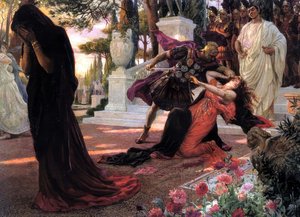
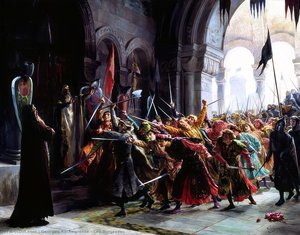
Rochegrosse’s formal education began with Alfred Dehodencq, followed by studies at the prestigious Académie Julian and École des Beaux-Arts under Jules Joseph Lefebvre and Gustave Clarence Rodolphe Boulanger. These masters instilled in him a mastery of technique and a dedication to historical accuracy, qualities that would initially define his artistic output. His early Salon submissions were ambitious historical scenes, often depicting moments of intense violence and emotional turmoil – works like Vitellius Dragged Through the Streets of Rome by the Populace (1882) and The Death of Caesar. These paintings weren’t merely recreations of past events; they were visceral experiences, rendered with a theatrical flair that immediately garnered attention. Recognition came swiftly with Andromaque (1883), which earned him the coveted Prix du Salon, solidifying his position within the Parisian art world. However, Rochegrosse was not content to remain solely within the confines of academic tradition. A shift began to occur in his work, influenced by the rising tide of Symbolism and a fascination with Richard Wagner’s operatic mythology. This evolution culminated in The Knight of the Flowers (1892), a large-scale painting inspired by Wagnerian themes that showcased a newfound emphasis on atmosphere, emotion, and evocative imagery—a departure from his earlier, more literal depictions.Algeria’s Embrace: The Rise of an Orientalist Master
The most significant turning point in Rochegrosse's career arrived with his first journey to North Africa in 1894. Initially undertaken as research for illustrating Gustave Flaubert’s Salammbô, Algeria quickly captivated him, becoming not just a source of artistic inspiration but a new home. He established a studio in El Biar, a picturesque village near Algiers, and immersed himself in the culture, light, and landscapes of the region. This immersion profoundly altered his artistic trajectory, leading him to embrace Orientalism with an authenticity that distinguished him from many of his contemporaries. His wife, Marie Leblond, became both muse and collaborator during this period, frequently posing for his paintings and contributing her own artistic talents – most notably in the creation of the elaborate Zaïmph veil inspired by Flaubert’s novel. Works like The Death of the Emperor Geta (1899) demonstrate a continued mastery of dramatic composition, now infused with the exotic allure and vibrant colors of North Africa. He became a prominent figure in French Orientalist painting, regularly exhibiting at dedicated salons and earning accolades for his evocative depictions of Algerian life.Legacy and Enduring Appeal
Throughout his career, Rochegrosse received numerous honors, including a third-class medal at the Salon in 1882, election as an Officer of the Legion of Honour in 1892, and the Médaille d’Honneur in 1906. He also dedicated himself to education, serving as a professor at the Algiers School of Fine Arts, nurturing a new generation of Algerian artists. His paintings are now held in esteemed collections worldwide, including the Musée d’Orsay and the Musée de Picardie, testament to his enduring artistic significance. Rochegrosse's legacy lies not only in his technical skill and dramatic flair but also in his ability to synthesize diverse influences – academic training, Symbolist sensibilities, and a deep engagement with North African culture – into a unique and compelling visual language. He was an artist who dared to explore the darker aspects of human experience while simultaneously celebrating beauty, sensuality, and the exotic allure of distant lands. His work continues to resonate today, offering viewers a glimpse into a world painted in drama, passion, and unforgettable detail.Key Works & Recognition
- Influences: Jules Joseph Lefebvre, Gustave Clarence Rodolphe Boulanger, Théodore de Banville.
- Notable Works: Vitellius Dragged Through the Streets of Rome by the Populace, Andromaque, The Knight of the Flowers, The Death of the Emperor Geta.
- Museum Holdings: Musée d’Orsay, Musée de Picardie, Musée des Beaux-Arts de Rouen.
- Illustrations: Works for Gustave Flaubert's Salammbô, Victor Hugo's Les Misérables, and Charles Baudelaire's Les Fleurs du Mal.
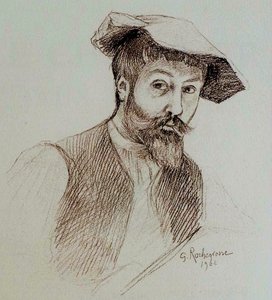
Georges Antoine Rochegrosse
1859 - 1938 , France
Quick Facts
- Artistic Movement Or Style: Orientalism, Art Nouveau
- Artists Who Influenced This Artist:
- Jules Lefebvre
- Gustave Boulanger
- Date Of Birth: August 2, 1859
- Date Of Death: July 11, 1938
- Full Name: Georges Antoine Rochegrosse
- Nationality: French
- Notable Artworks:
- Vitellius Dragged...
- Andromaque
- The Knight of Flowers
- Death of Emperor Geta
- Place Of Birth: Versailles, France
Related Articles
Blossoming Symbolism: A Historical Journey Through Flowers in Western Painting
Explore the rich history of flower symbolism in Western painting! Discover how artists from the Renaissance to Modernism used blossoms to convey meaning, emotion & beauty. Learn about iconic artworks and movements.
Daniel Ridgway Knight: A Study in Victorian Genre Painting & Rural Idealism
Explore the captivating world of Daniel Ridgway Knight, a master of Victorian genre painting. Discover his serene rural scenes, realistic technique & lasting influence on American Impressionism. Learn about his life, art, and collectibility.
Blossoms of Time: A Historical Journey Through Flower Painting
Explore the captivating history of flower painting! Discover Dutch masters, symbolic meanings, & botanical art. Expert insights & high-quality reproductions at ArtsDot.
Charles Le Brun: Master of French Baroque Classicism & His Enduring Legacy
Explore the life & art of Charles Le Brun, master of French Baroque Classicism. Discover his royal commissions, influence on Versailles, and enduring legacy through detailed analysis & stunning artworks.
Simon Vouet: A Baroque Master's Journey from Italian Influence to French Classicism
Explore the life & art of Simon Vouet, a pivotal French Baroque painter who introduced Italian styles to France. Discover his masterpieces and lasting influence on 17th-century art.