 Preview
 Send
Send Share
Share
 Details

 Download
 Similars
 X-Ray
X-Ray Diaporama
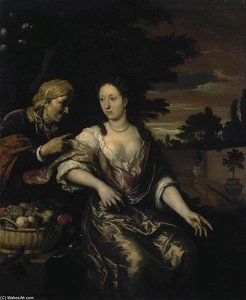
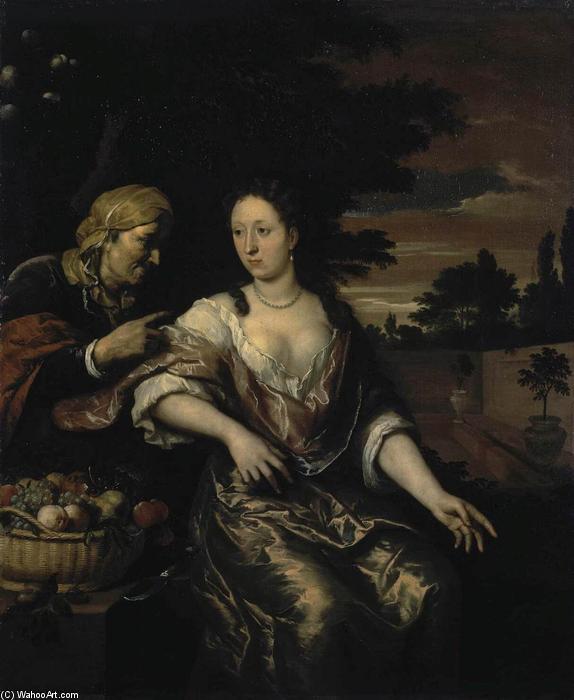
Vertumnus and Pomona
 Oil On Canvas
- WallArt
- Baroque
 1700
1700- Early Modern
 65.0 x 54.0 cm
 Hermitage Museum
 Read More
Hand Made Oil Reproduction
Hand-painted oil on canvas in your size and frame, made to order by our artists. ( Buy Print Buy Image)




P118B R$10

P118H R$10

P118W R$10

P438Z R$10

P508JH R$12

P508YH R$12

P805H R$10

P805Z R$10

P919BZ R$10

P919G R$10

P919XJ R$10

P959ZH R$10

P968JZ R$12

W106C R$8

W218G R$10

W218JH R$8

W218Y R$10

W307PJ R$10

W316G R$10

W316PJ R$8

W316Y R$10

W398PJ R$8

W4111J R$10

W500HY R$15

W500JH R$15

W692G R$12

W849H R$8

W940BG R$15

W953PJ R$8




Pick from our preset sizes that match the artwork's original proportions.

You may enter your own dimensions to fit a specific frame or space. If your selected size does not match the original image's proportions, we will either crop the artwork or extend the painting with additional hand-painted elements. A digital mockup will be sent for your approval before production begins.
Please note that the on-screen preview does not reflect the actual cropping or extension. Only the mockup will accurately show the final composition.
While custom sizes are available, we recommend selecting a dimension from the predefined list to preserve the original proportions.
After order, ArtsDot.com team will email client for instructions and provide a mockup preview
Worldwide Delivery () in 3/4 weeks instead of standard 5 weeks. (17 August). No compromise on quality.

Free Worldwide Express Shipping

High-Quality Linen Canvas

Full Shipping Insurance

Customs Tax Refund Guarantee

True Color Matching Guarantee

60-Day Return Policy (Defects Only)

100% Money-Back Guarantee

Bulk Discount Offer
 Glass option is only available in size under 110 CM

Vertumnus and Pomona
Reproduction Medium
Reproduction Size
-


Total Price
R$ 1345
Artwork Description
Vertumnus And Pomona – A Baroque Embrace of Fertility
The painting “Vertumnus and Pomona” by Gerard I Hoet, completed around 1700, stands as a testament to the artistic fervor of the Dutch Golden Age and embodies the profound influence of classical mythology on European art. Housed within The Hermitage Museum in St. Petersburg, Russia—a treasure trove of Baroque masterpieces—this canvas measures 65 x 54 cm and is executed with meticulous detail in oil on canvas, reflecting the prevailing artistic conventions of its time. More than just a depiction of deities, it’s an exploration of themes central to humanist thought: transformation, desire, and the cyclical rhythms of nature.A Scene From Arcadia Revisited
Hoet's composition transports viewers back to the idealized landscapes of Arcadia—the legendary realm of pastoral innocence and divine harmony—a setting deeply rooted in Greek mythology. The painting captures a pivotal moment from Ovid’s Metamorphoses: Vertumnus, god of seasons and capricious weather, subtly persuades Pomona, goddess of fruit trees and orchards, to reveal herself to him. This narrative embodies the Baroque fascination with dramatic storytelling and psychological complexity—a deliberate contrast between youthful beauty and aged wisdom. The artist skillfully utilizes chiaroscuro – the interplay of light and shadow – to heighten the emotional impact of the scene, emphasizing the vulnerability of Pomona and the persuasive power of Vertumnus’s gaze.Technique and Style: Baroque Precision
The painting's execution exemplifies the hallmarks of Baroque art—characterized by dramatic realism, opulent ornamentation, and a masterful command of technique. Hoet employs meticulous brushwork to render textures with remarkable accuracy, capturing the delicate foliage of Pomona’s orchard and the flowing robes of Vertumnus. The artist’s palette leans heavily on earthy tones – ochres, siennas, umbers – creating a warm, inviting atmosphere that reinforces the painting's connection to the natural world. Furthermore, Hoet’s attention to detail extends beyond mere representation; he imbues the figures with palpable emotion, conveying both Vertumnus’s ardent desire and Pomona’s initial apprehension.Symbolism: Fertility and Transformation
Beyond its aesthetic beauty, “Vertumnus and Pomona” is laden with symbolic significance. The orchard itself represents fecundity and abundance—a visual metaphor for the promise of springtime and the renewal of life. Vertumnus embodies change and adaptability, mirroring the cyclical transformations inherent in the seasons. His disguise as an old woman serves as a deliberate allusion to the myth’s central theme: overcoming youthful vanity through acceptance of age and experience. Pomona symbolizes purity and innocence—a counterpoint to Vertumnus's persuasive charm—highlighting the importance of balance within the natural order. The painting speaks to broader philosophical ideas about human nature, suggesting that true beauty lies in embracing both strength and vulnerability.A Legacy Enduring Through Reproduction
Today, reproductions of “Vertumnus and Pomona” continue to inspire artists and collectors alike. Its masterful composition, evocative color palette, and profound thematic depth resonate across centuries—a testament to Hoet’s artistic genius and the enduring power of classical mythology. The painting's ability to capture a fleeting moment of human emotion within a grand narrative ensures its place as an iconic image of Baroque art and a captivating subject for interior design projects seeking warmth, sophistication, and a connection to timeless beauty.Related Artworks
Artist Biography
Louis Le Nain: A Master of Quiet Dignity
Louis Le Nain (c.1593–1648) remains one of the most enigmatic and compelling figures in 17th-century French painting, a master whose profound understanding of human nature is revealed through his remarkably restrained and dignified depictions of peasant life. Born around 1593 in Laon, France – though often associated with Paris where he spent much of his career – Le Nain’s origins are shrouded in some mystery, making the precise attribution of works amongst the three brothers (Antoine, Mathieu, and Louis) a persistent challenge for art historians. His life was tragically cut short in 1648, succumbing to illness just days after his brother Antoine, leaving behind a legacy defined by an unparalleled ability to capture the essence of everyday existence with remarkable subtlety and emotional depth.Early Life and Artistic Training
The Le Nain brothers’ origins are rooted in Laon, but they all migrated to Paris by 1630. Little is definitively known about Louis's early artistic training; the traditional birthdates for Antoine and Louis are 1588 and 1593 respectively, but recent scholarship suggests they were likely born around 1600, aligning them with a similar age range as their brother Mathieu. Mathieu was appointed painter to the city of Paris in 1633, a significant recognition of his talent. The brothers’ artistic development is particularly intriguing due to the limited documentation available. They signed their works only with their surnames, and dating their paintings proves difficult, often relying on stylistic analysis and comparison with other works. It's believed they collaborated extensively, making definitive attribution exceptionally complex. Early accounts suggest a possible apprenticeship for Louis under Giovanni Giacomo Pandolfi in Venice, followed by instruction from Sante Peranda and Francesco Mingucci – figures known for their Venetian style and influence. This exposure to the vibrant colors and dramatic compositions of Venetian painting undoubtedly shaped his artistic sensibilities.Style and Subject Matter: The Dignity of Peasant Life
Le Nain’s distinctive style is characterized by a remarkable restraint, a deliberate avoidance of elaborate detail or theatrical gestures. His paintings are imbued with a quiet dignity, portraying scenes of rural life – peasants working in fields, families gathered around tables, or individuals engaged in simple domestic activities – with an almost austere beauty. Unlike the more flamboyant and dramatic works of some of his contemporaries, Le Nain’s compositions are typically small-scale, often intimate and focused on capturing fleeting moments of human interaction. His use of muted colors—earthy browns, grays, and ochres—creates a sense of realism and immediacy, while his brushwork is loose and expressive, conveying texture and movement with remarkable skill. The faces of his subjects are particularly striking; they possess an inherent humanity, reflecting a deep understanding of the lives and emotions of ordinary people. He eschewed idealized representations, instead presenting figures as they truly were – weathered, worn, and imbued with a quiet resilience.Key Works and Influences
While definitive attribution remains challenging, several paintings are widely considered to be among Le Nain’s finest works. “The Peasant Woman Sewing” (circa 1635-1640), now in the Louvre, exemplifies his masterful ability to capture a single moment of quiet contemplation. His portraits, though less numerous than his genre scenes, also demonstrate his skill at portraying character and personality. It’s believed that he was influenced by the work of Rembrandt van Rijn, particularly his use of light and shadow to create dramatic effects, as well as the Caravaggiesque style in its emphasis on realism and psychological depth. The brothers' work is often compared to the Dutch masters, reflecting a shared interest in portraying everyday life with honesty and emotional resonance.Legacy and Historical Significance
Louis Le Nain’s contribution to French painting lies not in grand narratives or heroic subjects, but in his profound exploration of human experience through the lens of rural life. His paintings offer a poignant glimpse into the lives of ordinary people, revealing their dignity, resilience, and quiet beauty. Despite the ongoing debate surrounding attribution, Le Nain's influence on subsequent generations of artists is undeniable. He established a new standard for genre painting, demonstrating that profound emotional depth could be achieved through simple subjects and understated techniques. His work continues to resonate with viewers today, reminding us of the enduring power of art to capture the essence of human life. His legacy endures as a testament to the quiet dignity and remarkable skill of one of France’s most important yet often overlooked artists.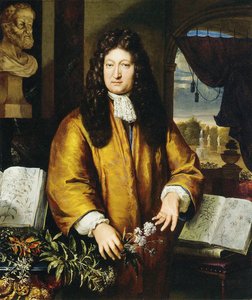
gerard i hoet
1648 - 1733 , Netherlands
Quick Facts
- Artistic Movement Or Style: Genre painting
- Artists Or Movements Influenced By This Artist: ['Flemish Painting']
- Artists Who Influenced This Artist:
- Antoine Le Nain
- Mathieu Le Nain
- Date Of Birth: c.1600
- Date Of Death: 1648
- Full Name: Louis Le Nain
- Nationality: French
- Notable Artworks:
- Portrait of a Man
- The Wedding Feast
- Place Of Birth: Laon, France
Related Articles
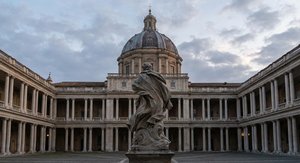
Baroque Classicism: Reconciling Drama & Order in 17th-Century Art
Explore the captivating world of Baroque Classicism! Discover its history, key artists like Caravaggio & Rubens, and defining characteristics. Expert insights & high-quality reproductions at ArtsDot.

Baroque Drama: Bringing Opulence & Emotion into Contemporary Interiors
Explore the opulent world of Baroque interior design! Discover key elements, modern applications & how to bring dramatic elegance into your home with 's authentic reproductions.
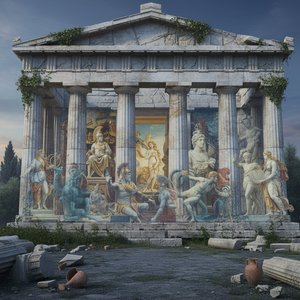
Echoes of Olympus: Mythological Narratives in Western Art Through the Ages
Explore the captivating history of mythological narratives in Western art! From ancient Greece to modern masterpieces, discover iconic artworks & symbolism. Expert analysis and high-quality reproductions at ArtsDot.
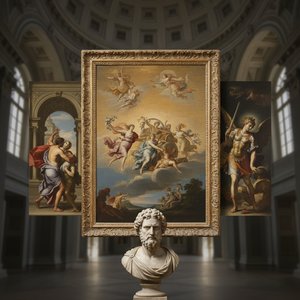
Guido Reni: A Study in Baroque Classicism & Artistic Perfection
Explore the life & work of Guido Reni, a master of Baroque classicism. Discover his iconic religious & mythological paintings, and understand his enduring influence on art history. Expert analysis for collectors.

Oil on Canvas: A Historical & Technical Exploration of a Timeless Artistic Medium
Explore the rich history & enduring techniques of oil painting on canvas. Discover the science behind its longevity, conservation practices, and contemporary relevance. Expert insights for art enthusiasts.