 Preview
 Send
Send Share
Share
 Details

 Download
 Similars
 X-Ray
X-Ray Diaporama
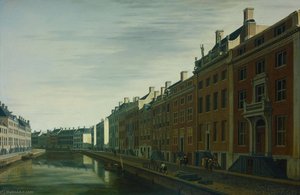
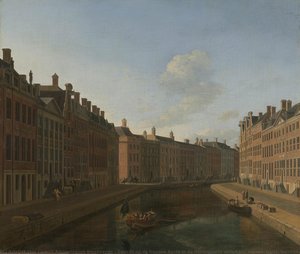
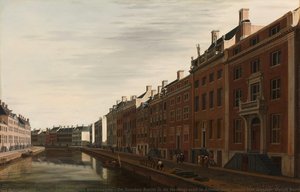
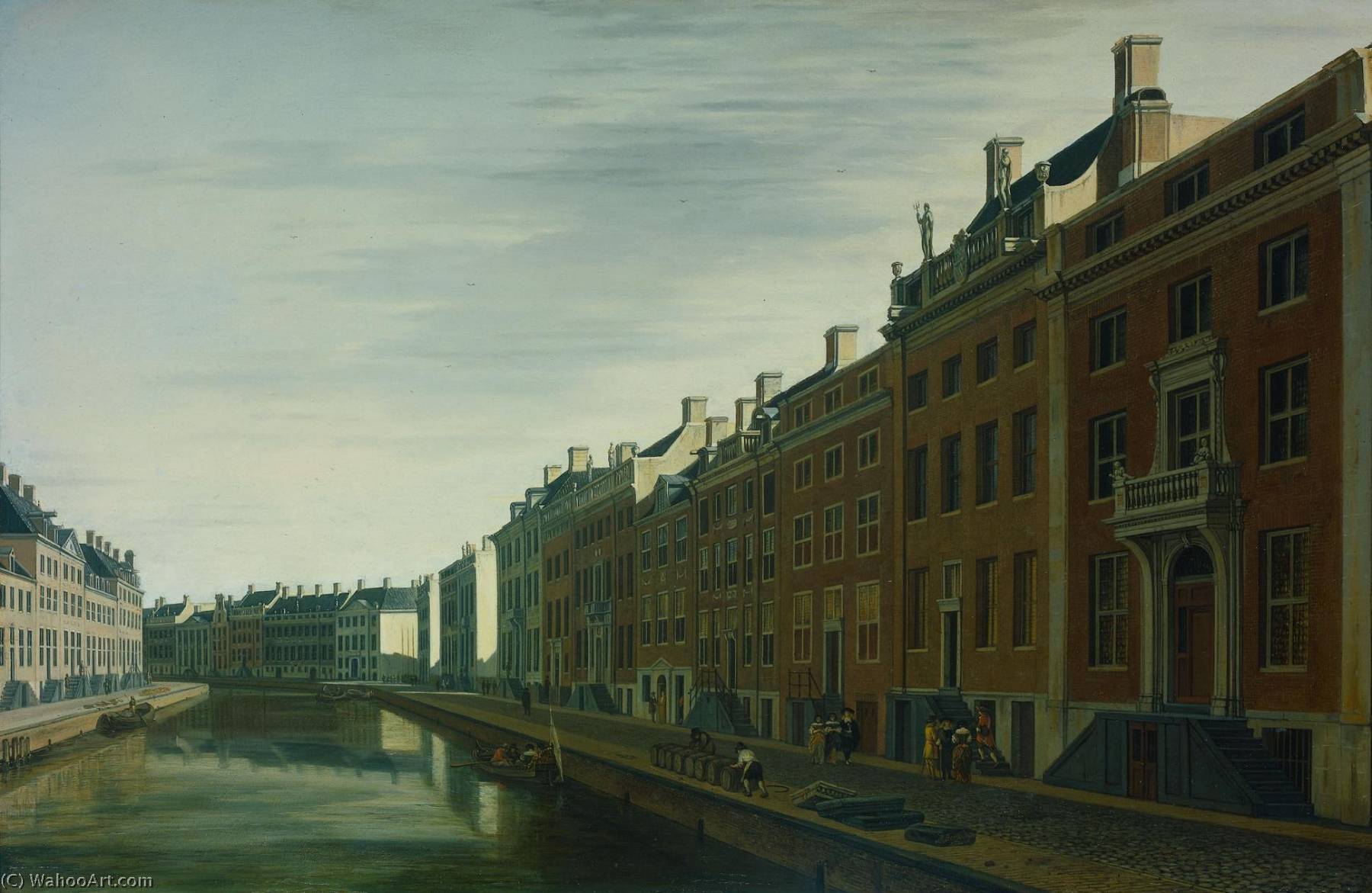
The Golden Bend in the Herengracht, Amsterdam, Seen from the West


 Read More
Hand Made Oil Reproduction
Hand-painted oil on canvas in your size and frame, made to order by our artists. ( Buy Print Buy Image)




P118B $10

P118H $10

P118W $10

P438Z $10

P508JH $12

P508YH $12

P805H $10

P805Z $10

P919BZ $10

P919G $10

P919XJ $10

P959ZH $10

P968JZ $12

W106C $8

W218G $10

W218JH $8

W218Y $10

W307PJ $10

W316G $10

W316PJ $8

W316Y $10

W398PJ $8

W4111J $10

W500HY $15

W500JH $15

W692G $12

W849H $8

W940BG $15

W953PJ $8




Pick from our preset sizes that match the artwork's original proportions.

You may enter your own dimensions to fit a specific frame or space. If your selected size does not match the original image's proportions, we will either crop the artwork or extend the painting with additional hand-painted elements. A digital mockup will be sent for your approval before production begins.
Please note that the on-screen preview does not reflect the actual cropping or extension. Only the mockup will accurately show the final composition.
While custom sizes are available, we recommend selecting a dimension from the predefined list to preserve the original proportions.
After order, ArtsDot.com team will email client for instructions and provide a mockup preview
Worldwide Delivery () in 3/4 weeks instead of standard 5 weeks. (16 August). No compromise on quality.

Free Worldwide Express Shipping

High-Quality Linen Canvas

Full Shipping Insurance

Customs Tax Refund Guarantee

True Color Matching Guarantee

60-Day Return Policy (Defects Only)

100% Money-Back Guarantee

Bulk Discount Offer
 Glass option is only available in size under 110 CM

The Golden Bend in the Herengracht, Amsterdam, Seen from the West
Reproduction Medium
Reproduction Size
-


Total Price
$ 263
Artwork Description
A Window into Dutch Classicism: Gerrit Adriaenszoon Berckheyde’s Masterpiece
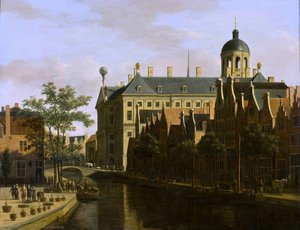
Gerrit Adriaenszoon Berckheyde's “The Golden Bend in the Herengracht, Amsterdam, Seen from the West” stands as a cornerstone of Dutch Baroque art and a testament to the artistic fervor that characterized the Netherlands during its Golden Age. Completed in 1672, this oil on panel painting transcends mere topographical representation; it embodies a profound understanding of light, perspective, and architectural grandeur—elements meticulously crafted by Berckheyde to capture the spirit of Amsterdam’s burgeoning prosperity.
- Subject Matter: The scene depicts the iconic Golden Bend in the Herengracht canal, arguably the most prestigious stretch of Amsterdam's waterway system. Berckheyde skillfully portrays a panorama of opulent townhouses adorned with elaborate gables and shutters, reflecting the ambition and wealth of the era’s elite.
- Style & Technique: Berckheyde adhered to the principles of Dutch Classicism—a stylistic movement championed by artists like Jacob Saenredam—emphasizing clarity, precision, and a restrained palette. His technique involved painstaking observation and meticulous brushwork, resulting in an astonishing level of detail that rivals photographic accuracy.
- Historical Context: Executed during Amsterdam’s zenith as a commercial and cultural hub, the painting reflects the city's confidence in its architectural achievements and its embrace of humanist ideals. The canal mansions depicted were symbols of status and power, commissioned by wealthy merchants eager to showcase their success.
Light and Atmosphere: Berckheyde’s Luminosity
What distinguishes “The Golden Bend” from many other cityscapes of its time is Berckheyde's masterful manipulation of light. Unlike artists who sought dramatic contrasts, he employed diffused sunlight—a technique perfected by Saenredam—to bathe the buildings in a soft glow. This subtle illumination enhances the colors of the facades and creates an ethereal atmosphere that evokes tranquility and grandeur. The artist’s careful consideration of atmospheric perspective contributes to the painting's depth and realism.
Symbolism & Composition: A Balanced Vision
The composition itself is remarkably balanced, mirroring the harmonious ideals of Classicism. Berckheyde arranges the buildings along the bend in a deliberate manner, creating a visual rhythm that guides the viewer’s eye across the canvas. The inclusion of a small boat moored to the canal's edge adds a touch of everyday life—a counterpoint to the monumental architecture—suggesting that even amidst wealth and prestige, human activity continues.
Emotional Impact: Capturing the Essence of Amsterdam
"The Golden Bend" doesn’t merely depict a place; it conveys an emotion. It encapsulates the spirit of Amsterdam during its Golden Age – ambition, refinement, and a belief in reason and beauty. Berckheyde's painting invites contemplation on the passage of time and celebrates the enduring legacy of Dutch artistic achievement. Its serene stillness speaks volumes about the values cherished by a society striving for excellence.
Related Artworks
Artist Biography
The Architect of Dutch Light
Gerrit Adriaenszoon Berckheyde stands as a pivotal figure in the Dutch Golden Age, celebrated primarily for his breathtaking cityscapes that capture the essence of Haarlem and Amsterdam with unparalleled precision and luminosity. Unlike many contemporaries who favored dramatic vistas or idealized landscapes, Berckheyde meticulously rendered urban scenes—particularly those featuring monumental buildings bathed in diffused sunlight—establishing himself as one of the foremost practitioners of Dutch Classicism. His work embodies a profound respect for observation and technical mastery, reflecting the artistic ideals of his era through a lens of clarity and architectural grandeur.
Born in Haarlem around 1638, Berckheyde’s early life remains somewhat shrouded in mystery; historians like Arnold Houbraken struggled to pinpoint his father's profession beyond being a bookbinder, suggesting a modest upbringing that nonetheless fostered an exceptional talent. He apprenticed under his elder brother, Job Adriaenszoon Berckheyde, who himself was mentored by the legendary Frans Hals—a connection that underscores the rich artistic traditions shaping Berckheyde’s formative years. The brothers embarked on a transformative journey to Germany in the 1650s, immersing themselves in the artistic milieu of Cologne, Bonn, Mannheim, and Heidelberg, where they were awarded a golden medal for their contributions to art and scholarship.
Mastery of Urban Grandeur
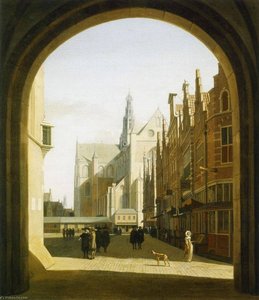
Despite aspirations for courtly patronage and an aristocratic lifestyle, Berckheyde’s temperament proved ill-suited to the complexities of high society, prompting his return to Haarlem. Upon joining the Haarlem Guild of Saint Luke in 1660, his position within the artistic community was solidified, signaling a period of prolific output and innovation. His studio became a hub for creativity, attracting fellow artists like Oudendijck and fostering a collaborative spirit that propelled his collective success. Influenced heavily by the meticulous architectural precision of Pieter Saenredam, Berckheyde developed a signature style characterized by spacious views and an almost mathematical accuracy in depicting the structural bones of the city.
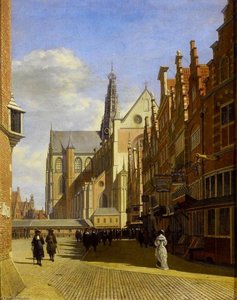
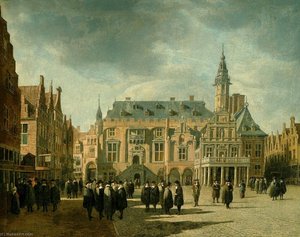
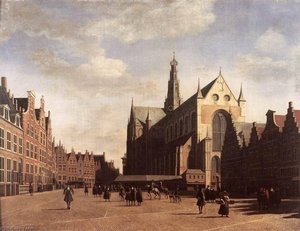
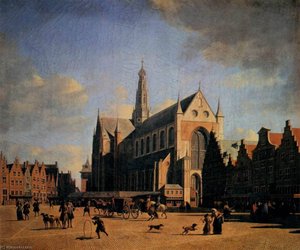
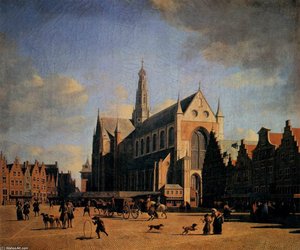
His canvases often serve as windows into the bustling heart of the Netherlands. In works such as The Grote Markt in Haarlem, he portrays the vibrant urban life of the era, with the prominent St. Bavokerk church dominating the background. Through his masterful use of light, he transforms stone and brick into living entities, capturing the way sunlight dances across cobblestones and illuminates the facades of grand buildings. This ability to marry architectural rigidity with atmospheric softness is what defines his greatest achievements.
Legacy of the Golden Age
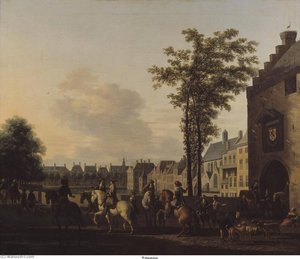
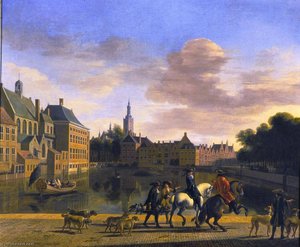
The historical significance of Berckheyde lies in his ability to elevate the cityscape from mere documentation to a high art form. His paintings, such as A Hunting Party near the Hofvijver in The Hague, demonstrate how he could integrate human activity and landscape elements into his architectural compositions without losing the sense of monumental stillness. He did not merely paint buildings; he painted the atmosphere of an era defined by prosperity, order, and civic pride.
As a master of Dutch Classicism, Berckheyde left behind a legacy that continues to fascinate art historians and enthusiasts alike. His contribution to the genre of architectural painting remains unparalleled, providing a luminous record of the Dutch Golden Age's most iconic urban landscapes. Through his eyes, we see a world of structured beauty, where every shadow and sunbeam contributes to a timeless narrative of light and stone.
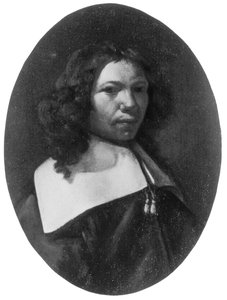
gerrit adriaenszoon berckheyde
1638 - 1698
Quick Facts
- Artistic Movement Or Style: Dutch Classicism
- Artists Or Movements Influenced By This Artist: ['Dutch Classicism']
- Artists Who Influenced This Artist:
- Pieter Saenredam
- Job Adriaenszoon Berckheyde
- Date Of Birth: 1638
- Date Of Death: 1698
- Full Name: Gerrit Adriaenszoon Berckheyde
- Nationality: Dutch
- Notable Artworks:
- De Waag (Weighing House) and Crane on the Spaarne,
- The Great Market In Haarlem
- Place Of Birth: Haarlem, Netherlands
Related Articles

Dutch Masters: 10 Golden Age Paintings That Still Inspire |
Journey into the Dutch Golden Age! Explore 10 iconic paintings by Rembrandt, Vermeer & Hals. Discover the stories behind these Baroque masterpieces and find museum-quality art reproductions to elevate your home decor on .

Golden Age Reflections: Dutch Baroque Painting & Cultural Innovation
Explore the Dutch Golden Age of painting! Discover key artists like Vermeer & ter Borch, their innovative techniques, and the rich cultural context behind these Baroque masterpieces. Learn about collecting & appreciating this iconic art period.

Illuminating Innovation: Exploring the Dutch Golden Age of Painting
Explore the Dutch Golden Age of painting with ArtsDot. Discover Rembrandt, Vermeer & other Masters. Learn about key characteristics, iconic artworks, and lasting influence. Expert insights for collectors & enthusiasts.
Illuminating Realism: Exploring the Dutch Golden Age of Painting (1600-1700)
Explore the Dutch Golden Age of painting (1600-1700) with ArtsDot. Discover Rembrandt, Vermeer & other masters. Learn about techniques, history & find museum-quality reproductions.
Charles Leickert: Capturing the Dutch Golden Age Light – A Comprehensive Study of Technique, Context, and Legacy
Explore the captivating winter landscapes of Charles Leickert, a master of Dutch Golden Age light & atmosphere. Discover his techniques, symbolism, and lasting legacy – a comprehensive study for art enthusiasts and collectors.