 Preview
 Send
Send Share
Share
 Details

 Download
 Similars
 X-Ray
X-Ray Diaporama
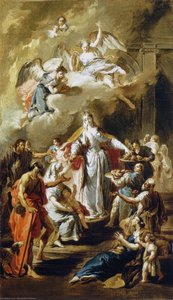
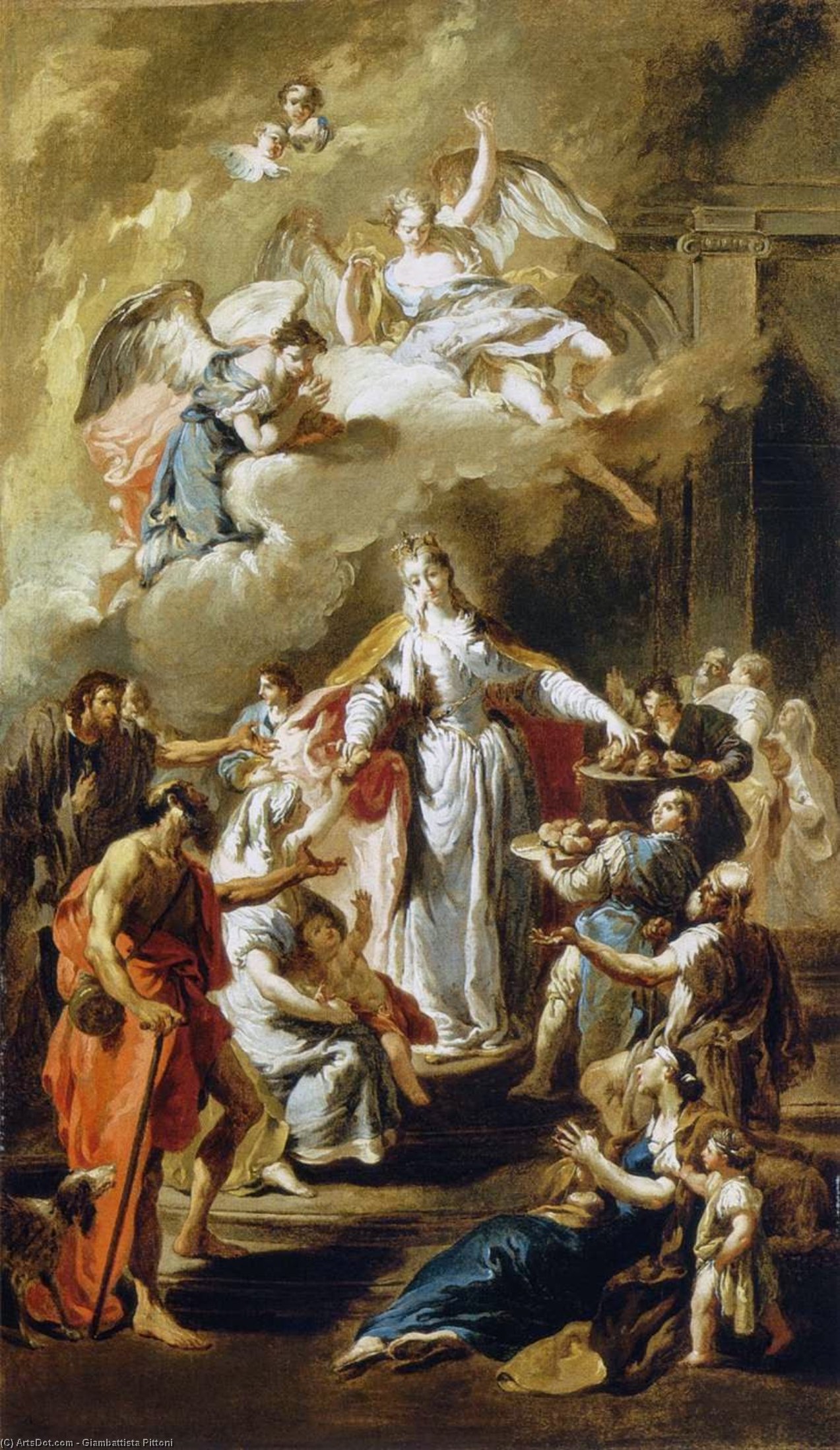
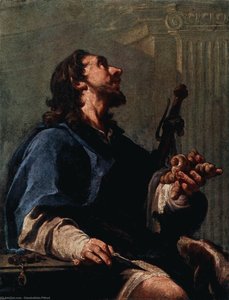
St Elizabeth Distributing Alms
 Acrylic On Canvas
- WallArt
- Baroque Rococo Venetian
 1734
1734 72.0 x 43.0 cm
 Szépmûvészeti Múzeum
 Read More
Hand Made Oil Reproduction
Hand-painted oil on canvas in your size and frame, made to order by our artists. ( Buy Print Buy Image)




P118B $10

P118H $10

P118W $10

P438Z $10

P508JH $12

P508YH $12

P805H $10

P805Z $10

P919BZ $10

P919G $10

P919XJ $10

P959ZH $10

P968JZ $12

W106C $8

W218G $10

W218JH $8

W218Y $10

W307PJ $10

W316G $10

W316PJ $8

W316Y $10

W398PJ $8

W4111J $10

W500HY $15

W500JH $15

W692G $12

W849H $8

W940BG $15

W953PJ $8




Pick from our preset sizes that match the artwork's original proportions.

You may enter your own dimensions to fit a specific frame or space. If your selected size does not match the original image's proportions, we will either crop the artwork or extend the painting with additional hand-painted elements. A digital mockup will be sent for your approval before production begins.
Please note that the on-screen preview does not reflect the actual cropping or extension. Only the mockup will accurately show the final composition.
While custom sizes are available, we recommend selecting a dimension from the predefined list to preserve the original proportions.
After order, ArtsDot.com team will email client for instructions and provide a mockup preview
Worldwide Delivery () in 3/4 weeks instead of standard 5 weeks. (17 August). No compromise on quality.

Free Worldwide Express Shipping

High-Quality Linen Canvas

Full Shipping Insurance

Customs Tax Refund Guarantee

True Color Matching Guarantee

60-Day Return Policy (Defects Only)

100% Money-Back Guarantee

Bulk Discount Offer
 Glass option is only available in size under 110 CM

St Elizabeth Distributing Alms
Reproduction Medium
Reproduction Size
-


Total Price
$ 263
Artwork Description
A Moment of Compassion Captured in Light and Color
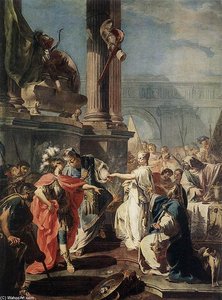
Giambattista Pittoni’s “St Elizabeth Distributing Alms,” painted in 1734, stands as a testament to Baroque artistry infused with humanist ideals. This captivating scene depicts Saint Elizabeth of Hungary, revered for her unwavering devotion and charitable spirit, offering sustenance to the impoverished citizens of Mergentheim Castle Chapel.
- Subject Matter: The painting portrays a poignant religious tableau – St. Elizabeth’s selfless act of distributing alms (food and money) to those in need, embodying Christian compassion and generosity.
- Style & Technique: Pittoni's masterful execution exemplifies Baroque aesthetics, characterized by dramatic lighting, opulent colors, and meticulous detail. Employing oil on canvas, he skillfully utilizes chiaroscuro – the interplay of light and shadow – to heighten emotional impact and sculpt the figures with remarkable realism.
Historical Context: Mergentheim’s Patron Saint
Commissioned by Clement August, Elector of Cologne, “St Elizabeth Distributing Alms” served as a centerpiece for the chapel’s altar decoration. The Baroque period in Germany witnessed a fervent revival of religious art, driven by papal decrees and fueled by a desire to inspire piety and moral contemplation. Pittoni's work reflects this cultural climate, aligning with the artistic sensibilities prevalent during Charles II’s reign.
- Religious Significance: The depiction underscores St. Elizabeth’s unwavering faith and her embodiment of Christian virtues – humility, compassion, and charity—values central to Catholic piety at the time.
- Chapel Decoration: As part of a larger altar ensemble, “St Elizabeth Distributing Alms” aimed to evoke spiritual reverence and communicate moral lessons to worshippers.
Composition & Symbolism: Light and Gesture
Pittoni’s compositional brilliance is immediately apparent. The central figure of St. Elizabeth dominates the scene, radiating grace and dignity as she extends her hand towards a group of supplicating individuals. Angels flank her, reinforcing the sanctity of the occasion, while the impoverished citizens kneel in deference, accepting her benevolent generosity.
- Color Palette: The painting’s palette utilizes pale blues and lemon yellows—characteristic hues favored by Pittoni—to create a luminous atmosphere that underscores the spiritual essence of the scene.
- Gesture & Expression: Careful attention to facial expressions and body postures conveys profound emotion, capturing the sincerity of St. Elizabeth's compassion and the humility of those receiving her aid.
Legacy & Reproduction
"St Elizabeth Distributing Alms" continues to resonate with viewers today due to its timeless depiction of human kindness and spiritual devotion. ArtsDot offers high-quality reproductions that allow enthusiasts to experience this masterpiece’s beauty and artistry firsthand, preserving its legacy for generations to come.
Related Artworks
![Legend Of St Francis - [23] - St Francis Mourned By St Clare — Giotto Di Bondone, Gothic](/media/artworks/images/thumbnails/d9/a8/d9a8803f4ecd4b049507cc14e2371b42.jpg)

Artist Biography
Willem Wissing: A Master of English Portraiture
Born in either Amsterdam or The Hague around 1656, Willem Wissing’s life and career unfolded dramatically across the North Sea, transforming him from a promising Dutch portraitist into one of England's most sought-after artists during the reign of Charles II. Initially trained by the esteemed Willem Doudijns and Arnoldus van Ravestyn in The Hague – masters known for their meticulous detail and classical influences – Wissing’s artistic trajectory shifted decisively when he arrived in London in 1676, a move that would cement his legacy as a pivotal figure in shaping English portraiture. His journey wasn't merely geographical; it represented a fusion of Dutch artistic traditions with the burgeoning tastes and demands of the English court.
Wissing’s early years in England were spent honing his skills under the tutelage of Peter Lely, a celebrated artist already renowned for his dynamic compositions and ability to capture character. Lely's workshop provided Wissing with invaluable experience, particularly in the realm of portraiture, exposing him to the latest techniques and stylistic trends. Following Lely’s untimely death in 1680, Wissing swiftly stepped into the role of his successor, inheriting a prestigious position and a considerable workload. This transition marked a crucial turning point, establishing Wissing as the principal portraitist at court – a status he would maintain for nearly a decade.
The royal sitters who graced Wissing’s studio during this period were among the most prominent figures of the era. He painted portraits of Charles II himself, capturing the king's charisma and regal bearing; Catherine of Braganza, showcasing her elegance and sophistication; George of Denmark, emphasizing his dignified presence; and James Scott, the Duke of Monmouth, reflecting the youthful energy of the heir apparent. These commissions weren’t merely exercises in likeness; Wissing skillfully imbued each portrait with a sense of personality and narrative, elevating them beyond simple representations to compelling works of art. His ability to convey both outward appearance and inner character was a hallmark of his style.
Wissing's influence extended far beyond the royal court. He established a workshop where he trained numerous assistants, most notably Jan van der Vaart, who specialized in adding drapery and landscape elements to Wissing’s compositions. This collaborative approach allowed him to maintain a prolific output while also developing a distinctive visual language characterized by rich colors, dramatic lighting, and an attention to detail that bordered on obsessive. The dissemination of his portraits through mezzotint prints further amplified his fame and ensured that his work reached a wider audience.
The Influence of Venetian Painting
Wissing’s artistic development reveals a fascinating interplay between Dutch and Italian influences. His early training in The Hague exposed him to the classical ideals championed by Doudijns and van Ravestyn, while his time with Lely introduced him to the dynamism and theatricality of English portraiture. However, it was his subsequent exposure to Venetian painting – particularly through the works of Carlo Marotti and Francesco Trevisani – that profoundly shaped his style. The rich colors, dramatic lighting, and emphasis on texture characteristic of Venetian art found their way into Wissing’s work, creating a distinctive visual vocabulary.
The influence of Venetian masters is most evident in his portraits of Charles II and Catherine of Braganza. These paintings are characterized by a sumptuous palette of reds, golds, and blues, as well as a masterful use of chiaroscuro – the dramatic contrast between light and shadow – to create a sense of depth and drama. The figures appear almost luminous against the dark backgrounds, conveying an aura of majesty and power.
A Tragic End
Wissing’s career reached its zenith in 1687, just months before his untimely death at Burghley House near Stamford, Lincolnshire. Circumstances surrounding his demise remain shrouded in mystery, with speculation ranging from natural causes to foul play. Some accounts suggest that he was poisoned out of jealousy by rivals who resented his success and popularity at court. Whatever the cause, Wissing’s death marked a significant loss for the English art world.
Despite his brief life, Wissing left an indelible mark on English portraiture. His portraits are admired today for their technical skill, expressive characterizations, and historical significance. They offer a valuable glimpse into the lives of England's most prominent figures during a pivotal period in the nation’s history. The enduring legacy of Willem Wissing lies not only in his artistic achievements but also in his role as a bridge between Dutch and English art traditions.
Notable Works
- Portrait of Charles II: A masterful depiction of the king's charisma and regal bearing, showcasing Wissing’s ability to capture personality.
- Portrait of Catherine of Braganza: An elegant portrayal of the queen, emphasizing her grace and sophistication.
- Portrait of George of Denmark: A dignified representation of the king's stately presence.
- Portrait of James Scott, 1st Duke of Monmouth: A dynamic depiction of the young heir apparent, conveying his youthful energy and ambition.
- Ariadne Asleep on Naxos: (Pennsylvania Academy of Fine Arts) – A prime example of Wissing’s ability to emulate the Venetian masters, particularly Giorgione and Titian.
Historical Significance
Willem Wissing's work is not merely aesthetically pleasing; it holds significant historical value. His portraits document the personalities and appearances of key figures during the Restoration period in England, providing invaluable insights into the courtly life and political landscape of the time. Furthermore, his influence on subsequent generations of English portraitists – particularly Godfrey Kneller – underscores his lasting impact on the development of the genre. Wissing’s legacy continues to be celebrated through exhibitions, scholarly research, and reproductions of his remarkable works.
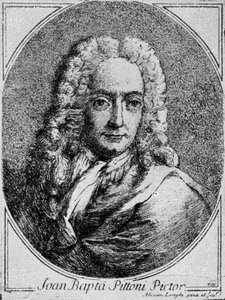
giambattista pittoni
1687 - 1767 , Italy
Quick Facts
- Artistic Movement Or Style: Portraiture
- Artists Or Movements Influenced By This Artist: ['Peter Lely']
- Artists Who Influenced This Artist:
- Willem Doudijns
- Arnoldus van Ravestyn
- Date Of Birth: 1656
- Date Of Death: 1687
- Full Name: Willem Wissing
- Nationality: Dutch
- Notable Artworks:
- Portrait of Queen Anne
- Henrietta & Mary Hyde
- William III (Prince)
- Place Of Birth: Amsterdam/The Hague
Related Articles

Baroque Drama: Bringing Opulence & Emotion into Contemporary Interiors
Explore the opulent world of Baroque interior design! Discover key elements, modern applications & how to bring dramatic elegance into your home with 's authentic reproductions.

The Dramatic Flourish: Exploring the Baroque Movement's Enduring Legacy in Art History
Explore the dramatic world of Baroque art! Discover iconic artists like Caravaggio & Rubens, defining techniques, and its lasting impact on art history. Expert insights for collectors & enthusiasts at ArtsDot.

Baroque Masterpieces: 10 Paintings That Defined an Era |
Journey through the drama & grandeur of Baroque art! Explore 10 masterpieces by Caravaggio, Rembrandt, Rubens & more. Discover stunning oil paintings, rich colors & timeless stories. Find museum-quality reproductions at .

The Visceral Stage: Exploring Dramatic Narratives & Emotional Intensity in Baroque Art
Explore the dramatic world of Baroque art! Discover iconic masters like Caravaggio & Rembrandt, their techniques, and the movement's lasting impact. Expert insights for collectors & enthusiasts at ArtsDot.
Theatricality & Triumph: Baroque Drama in Painting & Sculpture
Explore the dramatic world of Baroque art! Discover its history, defining characteristics, & lasting influence on painting & sculpture. Expert insights into Caravaggio, Zurbarán, and Bernini – plus high-quality reproductions at ArtsDot.