 Preview
 Send
Send Share
Share
 Details

 Download
 Similars
 X-Ray
X-Ray Diaporama
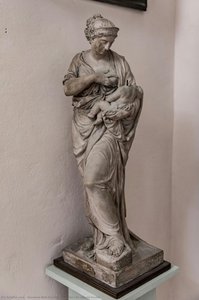
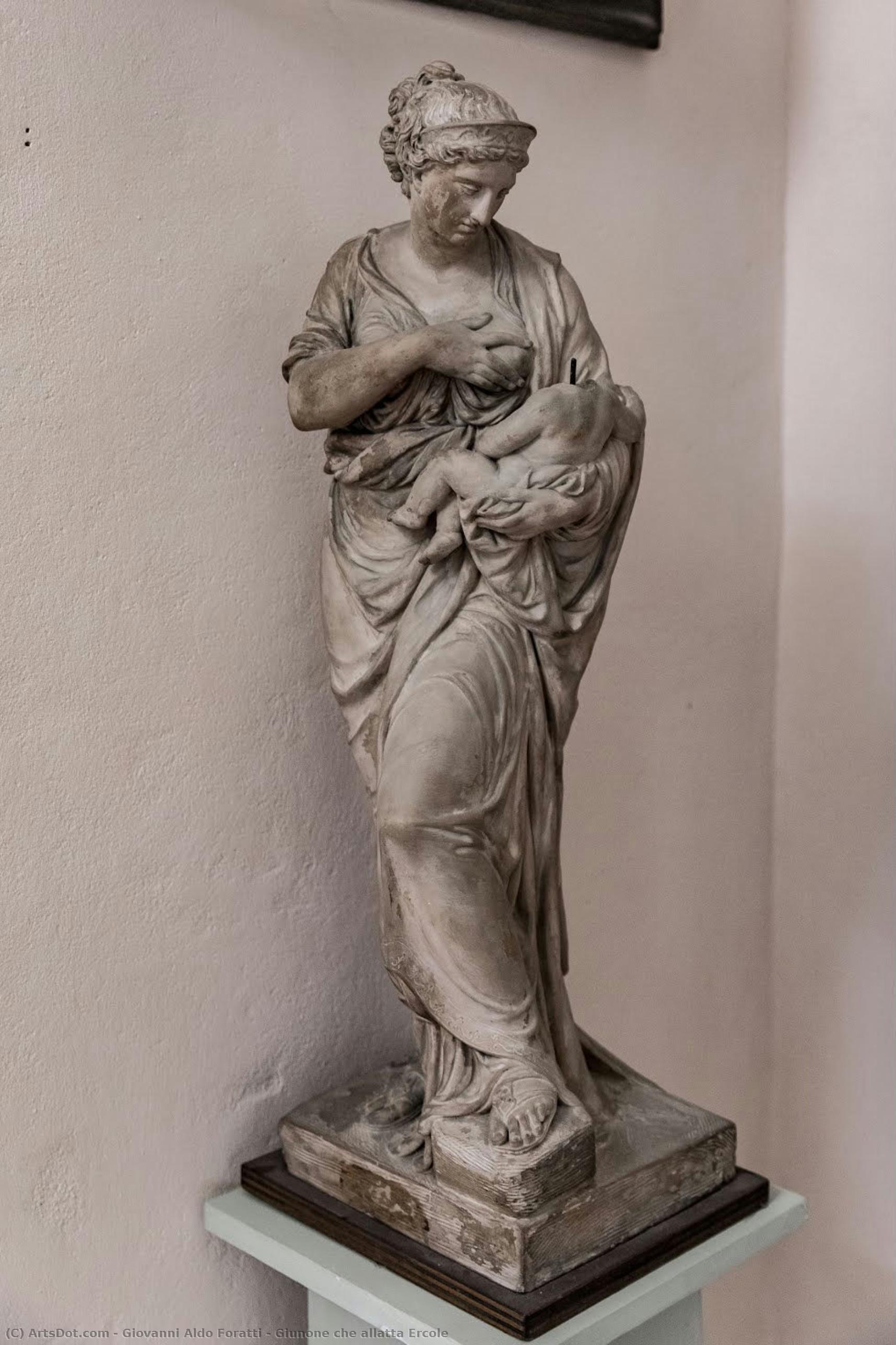
Giunone che allatta Ercole


 Read More
Hand Made Oil Reproduction
Hand-painted oil on canvas in your size and frame, made to order by our artists. ( Buy Print Buy Image)




































Pick from our preset sizes that match the artwork's original proportions.

You may enter your own dimensions to fit a specific frame or space. If your selected size does not match the original image's proportions, we will either crop the artwork or extend the painting with additional hand-painted elements. A digital mockup will be sent for your approval before production begins.
Please note that the on-screen preview does not reflect the actual cropping or extension. Only the mockup will accurately show the final composition.
While custom sizes are available, we recommend selecting a dimension from the predefined list to preserve the original proportions.
After order, ArtsDot.com team will email client for instructions and provide a mockup preview
Worldwide Delivery () in 3/4 weeks instead of standard 5 weeks. (17 August). No compromise on quality.

Free Worldwide Express Shipping

High-Quality Linen Canvas

Full Shipping Insurance

Customs Tax Refund Guarantee

True Color Matching Guarantee

60-Day Return Policy (Defects Only)

100% Money-Back Guarantee

Bulk Discount Offer
 Glass option is only available in size under 110 CM

Giunone che allatta Ercole
Reproduction Medium
Reproduction Size
-


Total Price
£ 196
Related Artworks
Artist Biography
Giovanni Aldo Foratti: A Bolognese Master of Mourning and Majesty
Giovanni Aldo Foratti, born in Bologna in 1771 and tragically passing away there in 1847, remains a compelling figure within the history of Italian sculpture. Often referred to as Giovanni Putti – a name he also embraced professionally – his legacy is primarily defined by his profound skill in funerary monuments and significant official commissions that reflected the political and artistic currents of his time. His work offers a fascinating glimpse into the Neoclassical style’s embrace of classical ideals, tempered with a distinctly Italian sensibility. Foratti's career unfolded across two key periods: an early apprenticeship in Bologna and a period of considerable influence in Milan, culminating in a return to his birthplace where he established himself as a leading sculptor for ecclesiastical and civic projects.Early Years and Artistic Foundations
Foratti’s artistic journey began within the esteemed Academy of Fine Arts in Bologna, under the tutelage of Giacomo De Maria. This formative period instilled in him a solid grounding in classical techniques and principles – a cornerstone of Neoclassicism. However, his relocation to Milan between 1809 and 1814 proved pivotal, catapulting him into a more dynamic artistic environment. It was during this time that he secured prestigious commissions, most notably the four bronze victories adorning the Arch of Peace (Arco della Pace) and the elaborate tripod of silver presented by the Kingdom of Italy to the King of Rome – a testament to his growing reputation and skill. These works showcased not only his technical prowess but also his ability to translate classical forms into powerful, contemporary symbols. The influence of the Napoleonic era is subtly present in these commissions, reflecting the ideals of republicanism and imperial grandeur that were prevalent at the time.The Certosa and the Legacy of Funerary Art
Upon returning to Bologna, Foratti dedicated himself primarily to creating funerary monuments, a tradition deeply rooted in Italian artistic history. His work for the Certosa di Bologna – the Carthusian Monastery – stands as his most enduring contribution. These monumental sculptures, often depicting saints, biblical figures, and allegorical representations of virtue, are characterized by their serene beauty, meticulous detail, and profound emotional resonance. The intricate drapery, idealized forms, and carefully rendered expressions convey a sense of timelessness and spiritual contemplation. His son, Massimiliano Putti, continued this tradition, ensuring that the family’s artistic legacy persisted for generations. The Certosa monuments are particularly notable for their integration with the architectural setting, creating a harmonious dialogue between sculpture and space.Key Works and Artistic Style
Among Foratti's most celebrated works is ‘Giunone che allatta Ercole’ (1810), a stunning marble sculpture housed within ArtsDot’s collection. This piece exemplifies his mastery of classical style, employing idealized forms and serene beauty to depict the goddess Juno nursing Hercules. The work showcases his ability to capture both divine grace and maternal tenderness – a delicate balance that speaks to the broader themes explored in his oeuvre. His sculptures are characterized by their smooth surfaces, precise modeling, and restrained emotionality—a hallmark of Neoclassicism. He skillfully utilized marble to achieve a sense of luminosity and depth, creating figures that appear almost lifelike. The influence of Canova is subtly present in his elegant forms and refined detailing, reflecting the broader artistic trends of the early 19th century.Historical Significance and Lasting Influence
Giovanni Aldo Foratti’s work represents a crucial link between the Neoclassical tradition and the evolving artistic landscape of Italy during the 19th century. His commissions for the Kingdom of Italy, particularly the bronze victories on the Arch of Peace, demonstrate his ability to adapt classical ideals to contemporary political contexts. His enduring legacy lies primarily in his masterful funerary monuments, which continue to evoke a sense of reverence and contemplation within the churches and monasteries he adorned. While overshadowed by some of his more famous contemporaries, Foratti’s contribution to Bolognese sculpture is significant—a testament to his skill, dedication, and profound understanding of artistic principles. His work serves as a valuable window into the cultural and political climate of Italy during a period of immense change and transformation.
giovanni aldo foratti
1771 - 1847 , Italy
Quick Facts
- Artistic Movement Or Style: Neoclassical
- Artists Or Movements Influenced By This Artist: ['Massimiliano Putti']
- Artists Who Influenced This Artist: ['Giacomo de Maria']
- Date Of Birth: 1771
- Date Of Death: 1847
- Full Name: Giovanni Aldo Foratti”
- Nationality: Italian
- Notable Artworks:
- Giunone che allatta Ercole
- Cincinnato Baruzzi
- Place Of Birth: Bologna, Italy
Related Articles
The Enduring Allure of Marble in Art History: From Classical Sculpture to Modern Abstraction
Explore the captivating history of marble sculpture from ancient Greece to modern art. Discover renowned artists like Canova & Michelangelo, carving techniques, and investment insights at ArtsDot.

Bronze Sculptures That Defined Art History | ArtsDot
Journey through art history with our Top 10 bronze sculptures! Explore masterpieces by Rodin, Michelangelo & more. Discover stories behind iconic statues and find museum-quality reproductions for your home decor at ArtsDot.com.

The Enduring Form: Exploring Themes & Techniques in Sculpture Across Historical Periods
Explore the rich history of sculpture from ancient masterpieces to contemporary innovations. Discover key techniques, influential artists & investment potential for discerning art collectors.
Antonio Canova: Neoclassical Sculpture & the Pursuit of Emotional Perfection
Explore the life & art of Antonio Canova, the greatest Neoclassical sculptor. Discover his masterpieces, innovative techniques, and lasting influence on fine art collecting. Expert insights for discerning investors.
The Enduring Form: Sculpture Across History, Technique & Emotional Resonance
Explore the rich history of sculpture with ArtsDot. Discover key techniques, influential artists & investment potential for discerning collectors. Expert insights into valuing and collecting timeless masterpieces.