 Preview
 Send
Send Share
Share
 Details

 Download
 Similars
 X-Ray
X-Ray Diaporama
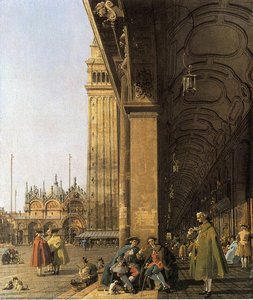
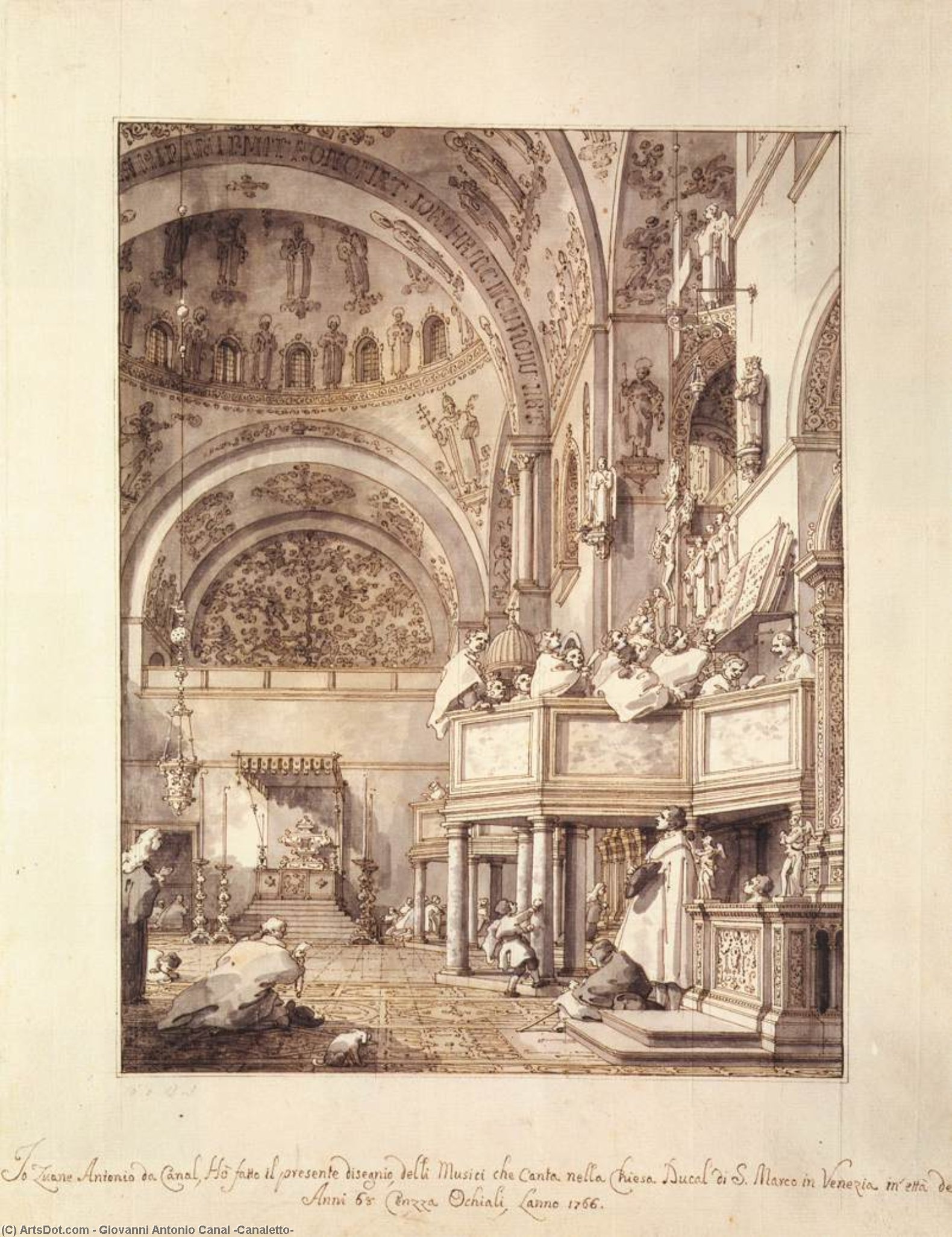
San Marco: the Crossing and North Transept, with Musicians Singing
 Acrylic On Canvas
- WallArt
- Baroque Landscape Painting
 1766
1766- Renaissance
 47.0 x 36.0 cm
 Hamburger Kunsthalle
 Read More
Hand Made Oil Reproduction
Hand-painted oil on canvas in your size and frame, made to order by our artists. ( Buy Print Buy Image)




P118B $10

P118H $10

P118W $10

P438Z $10

P508JH $12

P508YH $12

P805H $10

P805Z $10

P919BZ $10

P919G $10

P919XJ $10

P959ZH $10

P968JZ $12

W106C $8

W218G $10

W218JH $8

W218Y $10

W307PJ $10

W316G $10

W316PJ $8

W316Y $10

W398PJ $8

W4111J $10

W500HY $15

W500JH $15

W692G $12

W849H $8

W940BG $15

W953PJ $8




Pick from our preset sizes that match the artwork's original proportions.

You may enter your own dimensions to fit a specific frame or space. If your selected size does not match the original image's proportions, we will either crop the artwork or extend the painting with additional hand-painted elements. A digital mockup will be sent for your approval before production begins.
Please note that the on-screen preview does not reflect the actual cropping or extension. Only the mockup will accurately show the final composition.
While custom sizes are available, we recommend selecting a dimension from the predefined list to preserve the original proportions.
After order, ArtsDot.com team will email client for instructions and provide a mockup preview
Worldwide Delivery () in 3/4 weeks instead of standard 5 weeks. (16 August). No compromise on quality.

Free Worldwide Express Shipping

High-Quality Linen Canvas

Full Shipping Insurance

Customs Tax Refund Guarantee

True Color Matching Guarantee

60-Day Return Policy (Defects Only)

100% Money-Back Guarantee

Bulk Discount Offer
 Glass option is only available in size under 110 CM

San Marco: the Crossing and North Transept, with Musicians Singing
Reproduction Medium
Reproduction Size
-


Total Price
$ 263
Artwork Description
A Moment of Sacred Harmony: Canaletto's "San Marco: the Crossing and North Transept, with Musicians Singing"
This exquisite hand-painted reproduction captures a vibrant slice of Venetian life as experienced by the masterful Canaletto. Completed in 1766, “San Marco: the Crossing and North Transept, with Musicians Singing” offers an intimate glimpse into the heart of St. Mark’s Basilica, not merely as a religious edifice but as a stage for communal celebration and artistic expression. The painting's subject matter – a congregation within the basilica during a musical event – speaks to Canaletto’s keen interest in documenting the social fabric of Venice, transforming everyday scenes into enduring works of art.
Canaletto’s Topographical Vision
Giovanni Antonio Canal, known universally as Canaletto, was a pioneer of topographical painting. Born in Venice in 1697, he developed a unique style characterized by meticulous detail and an almost photographic accuracy in depicting urban landscapes and architectural marvels. His work wasn't simply about recording; it was about understanding and conveying the essence of a place – its atmosphere, its people, and its significance. This painting exemplifies his approach, meticulously rendering the basilica’s soaring interior with remarkable precision, from the intricate carvings to the play of light on the polished stone.
- Technique: Canaletto employed oil paint on canvas, utilizing a layering technique – *sfumato* – to create subtle gradations of tone and shadow. This masterful manipulation of light and dark adds depth and realism to the scene, drawing the viewer into the heart of the basilica.
- Composition: The composition is carefully balanced, guiding the eye through the crowded space with a series of converging lines created by the architecture and the figures themselves.
- Color Palette: The color palette is dominated by warm earth tones – ochres, siennas, and browns – reflecting the materials used in the basilica’s construction, while cooler blues and grays are employed to depict the shadows and highlights.
Symbolism of Sound and Faith
Beyond its technical brilliance, the painting is rich with symbolic meaning. The presence of musicians – violins, cellos, and a harp – within the sacred space elevates the scene beyond a simple depiction of a religious gathering. Music was intrinsically linked to faith in Canaletto’s Venice; it accompanied processions, filled churches, and served as a conduit for spiritual expression. The act of singing itself represents devotion and communal worship. The inclusion of instruments suggests a heightened level of piety and engagement with the divine.
Historical Context and Legacy
Created in 1766, during Canaletto’s mature career, this work reflects his established reputation as one of Venice's most celebrated artists. His detailed depictions of Venetian life were highly sought after by European royalty and nobility, who commissioned him to document their travels and residences. Canaletto’s influence extended far beyond Venice; he played a crucial role in shaping the development of topographical art, inspiring generations of artists to capture the beauty and complexity of the world around them. This reproduction offers a tangible connection to this remarkable legacy.
Related Artworks

Artist Biography
early life and training
giovanni antonio canal, commonly known as canaletto, was born on october 18, 1697, in venice, italy. he was the son of bernardo canal, a painter of theatrical scene settings, and artemisia barbieri. canaletto's early training in painting began with his father, who taught him the fundamentals of art.
the making of a master
in 1718, canaletto traveled to rome, where he worked on producing scenery for two operas by alessandro scarlatti. this experience had a profound impact on his development as an artist. upon returning to venice, canaletto began painting in his signature topographical style, which would eventually make him famous.
notable works and collaborations
some of canaletto's most notable works include:
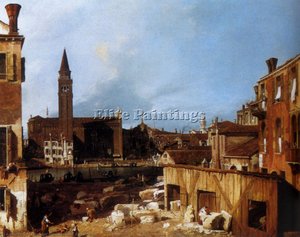
- the stonemason's yard (c. 1725), a masterpiece showcasing his early skill.
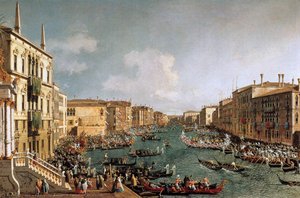
- regatta on the grand canal, a vivid depiction of venetian public ceremonies.
- eton college (1746-1756), a testament to his influence in england. collaboration with his nephew bellotto, who became an accomplished artist in his own right.
artistic style and technique
canaletto's use of precise perspective and meticulous preparatory drawings has led some experts to believe he may have employed a camera obscura for topographical accuracy. however, his primary concern remained the compositional design, ensuring his works were not merely accurate recordings but also visually stunning.
legacy and collections
canaletto's work can be found in various museums, including the national gallery, london, which showcases his influence on 18th-century art. his legacy extends to the numerous artists he inspired, cementing his place as a master of venetian landscapes.
- view canaletto's works at https://ArtsDot.com/@/giovanni-antonio-canal
- explore more about canaletto on wikipedia
- discover the beauty of venetian art at the palumbo-fossati collection (venice, italy)
key dates
- october 18, 1697: born in venice, italy
- 1718: traveled to rome
- 1725: painted the stonemason's yard
- 1746-1756: visited england, painting notable works like eton college
- april 19, 1768: passed away in venice, italy
remember to explore the world of art at https://ArtsDot.com for more biographies and artworks.
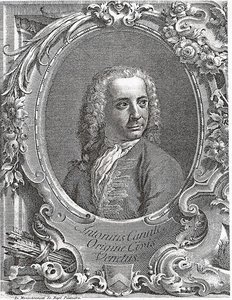
Canaletto
1697 - 1768 , Italy
Quick Facts
- Artistic Movement Or Style: Vedute Venice
- Artists Or Movements Influenced By This Artist: ['Tintoretto']
- Artists Who Influenced This Artist: ['Giovanni Paolo Pannini']
- Date Of Birth: October 18, 1697
- Date Of Death: April 19, 1768
- Full Name: Giovanni Antonio Canal
- Nationality: Italian
- Notable Artworks:
- The Stonemason's Yard
- Regatta on the Grand Canal
- Eton College
- Place Of Birth: Venice, Italy
Related Articles

Jacopo Tintoretto's Masterpieces: 25 Paintings That Define Venetian Drama | ArtsDot
Explore 25 breathtaking masterpieces by Jacopo Tintoretto, the Venetian master of drama and light. Discover the stories behind iconic Renaissance paintings & find museum-quality art reproductions to elevate your home decor on ArtsDot.com.

The Dramatic Flourish: Exploring the Baroque Movement's Enduring Legacy in Art History
Explore the dramatic world of Baroque art! Discover iconic artists like Caravaggio & Rubens, defining techniques, and its lasting impact on art history. Expert insights for collectors & enthusiasts at ArtsDot.
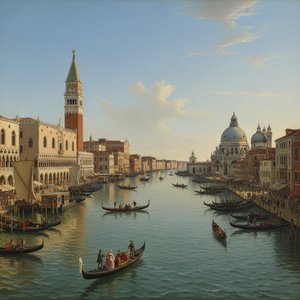
Giovanni Antonio Canal (Canaletto): A Venetian Master of Light, Space & Societal Observation
Explore the life & art of Giovanni Antonio Canal (Canaletto), a Venetian master renowned for his breathtaking cityscapes. Discover his techniques, legacy, and captivating depictions of 18th-century Venice & London.
The Golden Age Reforged: Dramatic Realism & Religious Zeal in Spanish Baroque Art
Explore the dramatic world of Spanish Baroque art! Discover masters like Zurbarán & the powerful influence of religious zeal on painting techniques – a guide for collectors and enthusiasts.

Baroque Masterpieces: 10 Paintings That Defined an Era |
Journey through the drama & grandeur of Baroque art! Explore 10 masterpieces by Caravaggio, Rembrandt, Rubens & more. Discover stunning oil paintings, rich colors & timeless stories. Find museum-quality reproductions at .