 Preview
 Send
Send Share
Share
 Details

 Download
 Similars
 X-Ray
X-Ray Diaporama
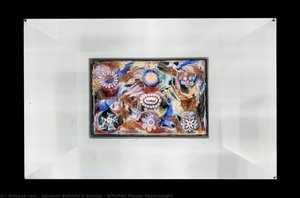
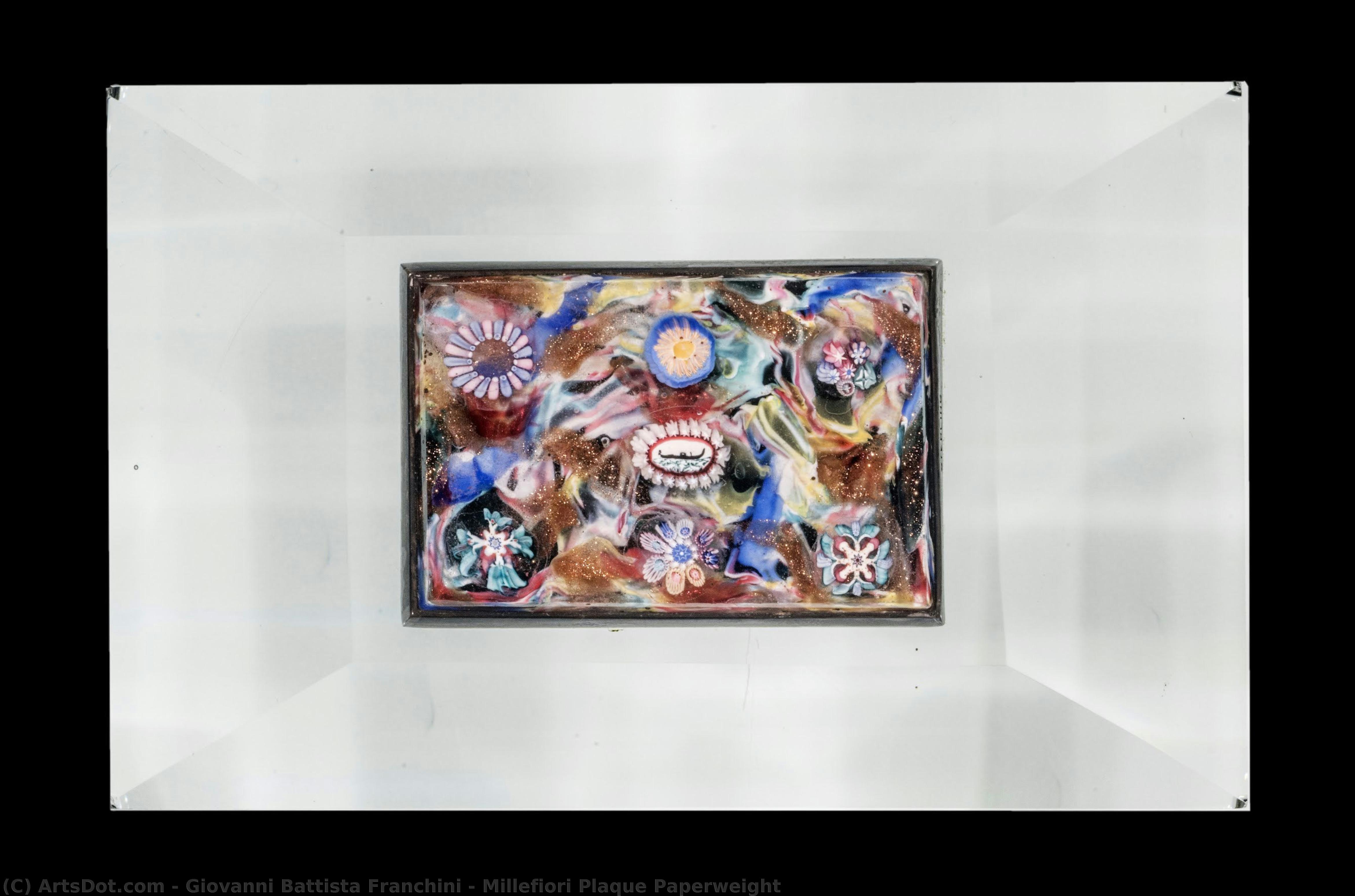
Millefiori Plaque Paperweight
 Other
Other 2.0 x 11.0 cm
 Bergstrom-Mahler Museum of Glass
 Read More
Giclée / Art Print
Museum-quality giclée or canvas print with fast production and flexible finish options. ( Buy Hand Made Painting Buy Image)




P118B $10

P118H $10

P118W $10

P438Z $10

P508JH $12

P508YH $12

P805H $10

P805Z $10

P919BZ $10

P919G $10

P919XJ $10

P959ZH $10

P968JZ $12

W106C $8

W218G $10

W218JH $8

W218Y $10

W307PJ $10

W316G $10

W316PJ $8

W316Y $10

W398PJ $8

W4111J $10

W500HY $15

W500JH $15

W692G $12

W849H $8

W940BG $15

W953PJ $8




Pick from our preset sizes that match the artwork's original proportions.

You may enter your own dimensions to fit a specific frame or space. If your selected size does not match the original image's proportions, we will either crop the artwork or extend the image with a mirrored or solid-fill edge. A digital mockup will be sent for your approval before production begins.
Please note that the on-screen preview does not reflect the actual cropping or extension. Only the mockup will accurately show the final composition.
While custom sizes are available, we recommend selecting a dimension from the predefined list to preserve the original proportions.
Worldwide Delivery () in 2 weeks instead of standard 4/5 weeks. (28 August)

Free Worldwide Express Shipping

High-Quality Linen Canvas

Full Shipping Insurance

Customs Tax Refund Guarantee

True Color Matching Guarantee

60-Day Return Policy (Defects Only)

100% Money-Back Guarantee

Bulk Discount Offer
 Glass option is only available in size under 110 CM

Millefiori Plaque Paperweight
Giclée / Art Print
Reproduction Size
-


Total Price
$ 63
Related Artworks



Artist Biography
Giovanni Battista Franchini: A Master of Millefiori Glass Art
Giovanni Battista Franchini (1804 – 1873) remains a relatively obscure figure in the annals of Venetian glassmaking, yet his contribution to the Millefiori technique—a mesmerizing process resulting in intricate floral patterns on blown glass—is undeniable. Born in Verona, Italy, Franchini’s artistic journey began amidst the burgeoning Romantic movement, absorbing influences from artists like Canaletto and Francesco Hayez, whose landscapes captured the grandeur of the Veneto region. While biographical details are scarce, archival records confirm his residency in Venice during his formative years, where he honed his craft alongside other prominent glassmakers of the era.- Early Training & Apprenticeship: Franchini’s initial artistic education took place under Gianbettino Cignaroli, a celebrated Veronese painter known for his dramatic frescoes and portraits. This mentorship instilled in him a foundational understanding of composition and color theory—elements that would later permeate his Millefiori creations.
- The Millefiori Technique: Franchini’s fame rests primarily on his mastery of the Millefiori method, named after “thousand flowers.” This technique involves creating tiny glass rods or canes adorned with floral motifs – meticulously etched or engraved before being fused together to form a single sheet of glass. The resulting surface displays an astonishing array of overlapping blossoms, resembling miniature botanical gardens frozen in time.
- Notable Commissions & Artistic Output: Franchini’s workshop produced numerous commissions for ecclesiastical institutions and aristocratic patrons throughout Venice and Verona. Among his most celebrated works are stained-glass windows adorning churches like San Giorgio Maggiore and Sant'Antonio Nuovo, showcasing vibrant hues and masterful execution—testaments to his artistic prowess.
- Influence & Legacy: Franchini’s Millefiori glass art aligns with the broader aesthetic trends of the Victorian period, characterized by a fascination for natural beauty and intricate ornamentation. Although overshadowed by more flamboyant contemporaries, Franchini's dedication to perfecting this technique ensured its continued practice and appreciation for decades afterward.
Exploring the Millefiori Technique
The Millefiori method itself represents a remarkable feat of glassblowing artistry. It begins with the creation of delicate rods or canes—often painstakingly etched or engraved to reproduce floral designs. These rods are then fused together in molds, resulting in sheets of glass that bear an astonishing tapestry of overlapping blossoms. The process demands exceptional precision and patience, reflecting Franchini’s meticulous attention to detail—a hallmark of his oeuvre. Careful control over temperature and airflow is crucial for achieving the desired pattern and ensuring structural integrity.- Material Considerations: Glassmakers utilized a blend of soda ash, potash salts, and silica sand—combined with pigments—to produce Millefiori canes in various colors.
- Etching & Engraving Precision: The etching process involved applying acid to the glass surface, creating shallow grooves that would serve as guides for subsequent engraving operations. Skilled engravers meticulously carved floral motifs into the etched rods, ensuring accurate replication of botanical forms.
- Mold Design & Fusion Process: Mold design played a pivotal role in shaping the Millefiori sheets—typically employing multiple molds to create layered patterns and enhance visual complexity. Precise fusion temperatures were maintained to ensure complete bonding between the fused canes without compromising their delicate floral decorations.
Giovanni Battista Franchini’s Artistic Vision
Franchini's artistic sensibilities extended beyond mere technical proficiency; he possessed a profound appreciation for natural beauty and sought to translate its grandeur onto glass surfaces. His Millefiori windows—particularly those adorning San Giorgio Maggiore—demonstrate an exceptional command of color harmony and compositional balance, mirroring the stylistic conventions of Romantic landscape painting. The artist’s meticulous observation of botanical specimens informed his designs, resulting in depictions that capture both formal elegance and emotional resonance.Concluding Remarks
Giovanni Battista Franchini's legacy resides not merely in the production of exquisite Millefiori glass art but also in upholding a tradition of craftsmanship—a testament to the enduring power of artistic dedication and innovation. Although his name may not resonate as loudly as some of his contemporaries, Franchini’s contribution to Venetian glassmaking history remains significant, securing his place among the masters of Victorian decorative arts.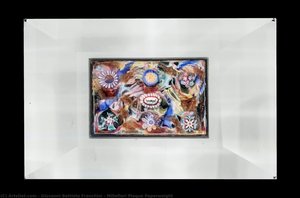
giovanni battista franchini
1804 - 1873 , Italy
Quick Facts
- Artistic Movement Or Style: Millefiori
- Date Of Death: 1873
- Full Name: Giovanni Battista Franchini
- Nationality: Italian
- Notable Artworks: ['Floral glass art']
- Place Of Birth: Italy
Related Articles
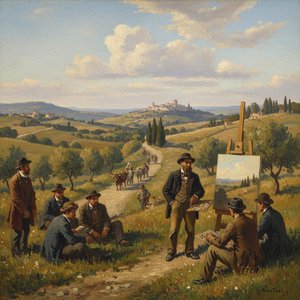
Giovanni Fattori: Realism, Identity & the Tuscan Landscape – A Macchiaioli Master
Explore the life & art of Giovanni Fattori, a leading figure of the Macchiaioli movement. Discover his revolutionary realism, captivating Tuscan landscapes, and lasting impact on Italian painting. Learn more at ArtsDot.

Giovanni Battista Piranesi: Visionary of Ruins & Architect of Imagination
Explore the life & work of Giovanni Battista Piranesi, master etcher of Roman views & creator of the haunting 'Carceri d'Invenzione'. Discover his architectural vision and lasting influence on art history.

Giovanni Giacometti: Sculpting Existentialism – A Study of Form, Space, and the Human Condition
Explore the profound artistic journey of Giovanni Giacometti, father to Alberto. Discover his unique transition from Surrealism to Existentialist sculpture and painting – a compelling study for elite collectors and art enthusiasts.
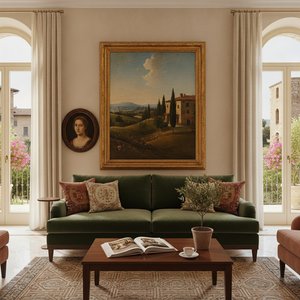
The Art of Italian Living: Transform Your Home with Timeless Landscapes and Renaissance Masterpieces
Elevate your home with the timeless romance of Italy. Discover expert-curated, hand-painted Italian landscapes and Renaissance-inspired masterpieces. From bespoke oil reproductions to custom portraits from photos, transform your space with elegance and artistic passion.
Mario Sironi: A Poetic of Modern Italian Identity Through Symbolism & Social Commentary
Explore the profound works of Mario Sironi, a key figure in Italian Modernism. Discover his evolution from Futurism to Metaphysical painting and his powerful social commentary. Learn about his legacy at ArtsDot.