 Preview
 Send
Send Share
Share
 Details

 Download
 Similars
 X-Ray
X-Ray Diaporama
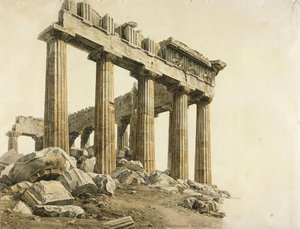
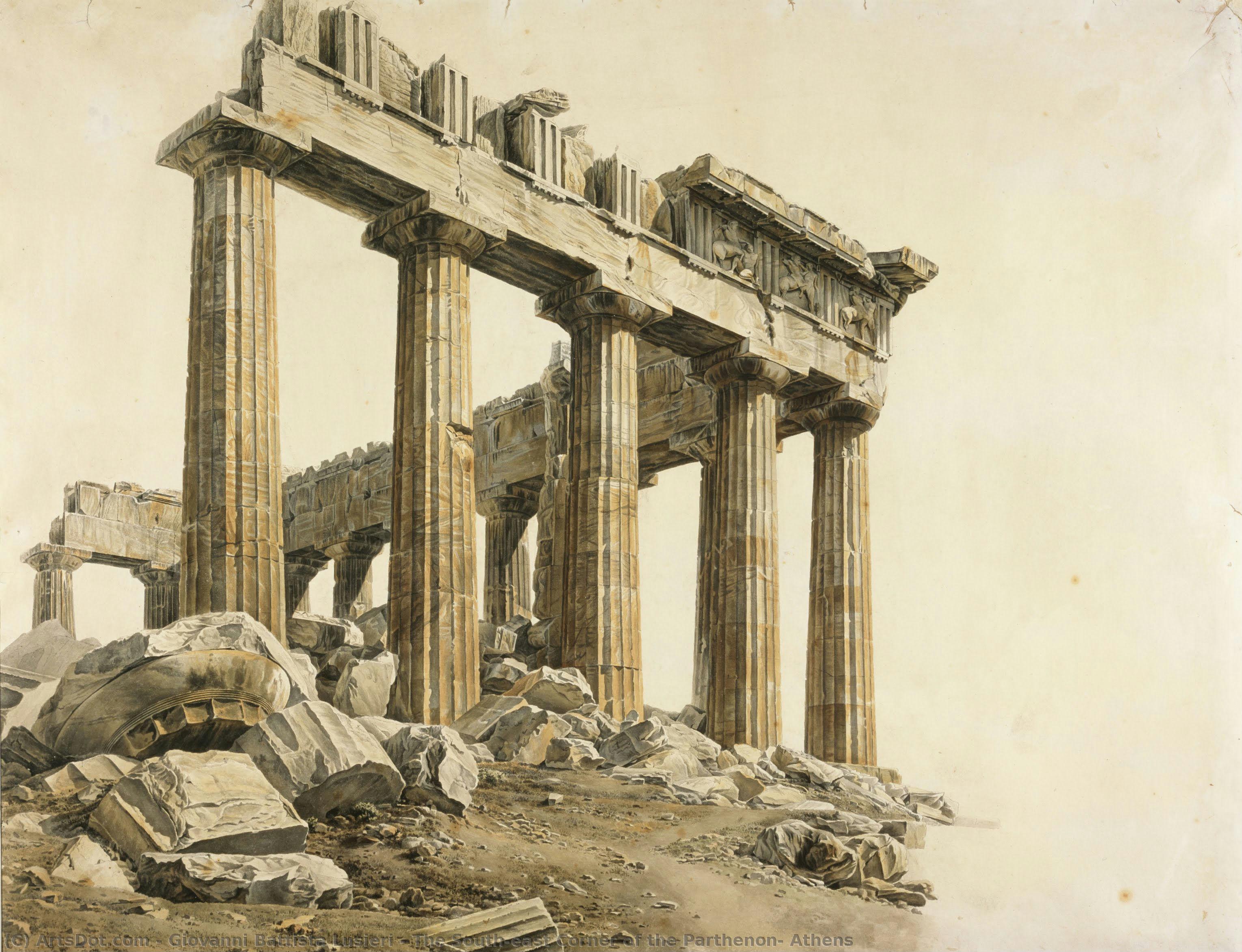
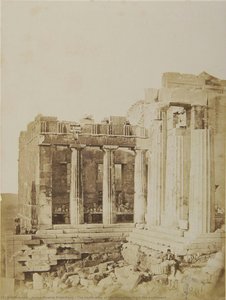
The South-east Corner of the Parthenon, Athens


 Read More
Giclée / Art Print
Museum-quality giclée or canvas print with fast production and flexible finish options. ( Buy Hand Made Painting Buy Image)




P118B $10

P118H $10

P118W $10

P438Z $10

P508JH $12

P508YH $12

P805H $10

P805Z $10

P919BZ $10

P919G $10

P919XJ $10

P959ZH $10

P968JZ $12

W106C $8

W218G $10

W218JH $8

W218Y $10

W307PJ $10

W316G $10

W316PJ $8

W316Y $10

W398PJ $8

W4111J $10

W500HY $15

W500JH $15

W692G $12

W849H $8

W940BG $15

W953PJ $8




Pick from our preset sizes that match the artwork's original proportions.

You may enter your own dimensions to fit a specific frame or space. If your selected size does not match the original image's proportions, we will either crop the artwork or extend the image with a mirrored or solid-fill edge. A digital mockup will be sent for your approval before production begins.
Please note that the on-screen preview does not reflect the actual cropping or extension. Only the mockup will accurately show the final composition.
While custom sizes are available, we recommend selecting a dimension from the predefined list to preserve the original proportions.
Worldwide Delivery () in 2 weeks instead of standard 4/5 weeks. (6 September)

Free Worldwide Express Shipping

High-Quality Linen Canvas

Full Shipping Insurance

Customs Tax Refund Guarantee

True Color Matching Guarantee

60-Day Return Policy (Defects Only)

100% Money-Back Guarantee

Bulk Discount Offer
 Glass option is only available in size under 110 CM

The South-east Corner of the Parthenon, Athens
Giclée / Art Print
Reproduction Size
-


Total Price
$ 63
Echoes of Antiquity: The Parthenon Through Lusieri's Eye
To gaze upon this depiction of the South-east Corner of the Parthenon is to step across the threshold of time itself. It is not merely a drawing of stone and column; it is a captured breath from the golden age of Athenian civilization, filtered through the meticulous hand of Giovanni Battista Lusieri. The scene immediately immerses the viewer in the monumental grandeur that defined classical ideals—a vision of enduring human artistry set against the backdrop of history’s passage. Lusieri, whose life spanned the tumultuous transition between the Enlightenment and the Romantic era, possessed a unique ability to render not just what was seen, but what was felt about what was seen: awe.
A Masterclass in Classical Representation
The composition is dominated by the rhythmic repetition of colossal columns. These architectural elements are rendered with an almost obsessive attention to detail, allowing one to appreciate the subtle variations in texture and shadow that define ancient marble under the Mediterranean sun. Lusieri’s technique here speaks volumes; it suggests a deep understanding of perspective and structural integrity. The drawing captures the very essence of Doric perfection—the fluting on the shafts, the precise articulation where capitals meet entablatures. For the collector or designer, this piece offers an unparalleled study in classical proportion, making it a profound decorative anchor for any space aspiring to timeless elegance.
The Context of the Grand Tour and Artistic Encounter
Understanding Lusieri’s life as a painter associated with the Grand Tour enriches our appreciation immeasurably. He was an artist navigating the cultural currents that saw Europe rediscovering its classical roots. His work, particularly concerning sites like the Parthenon, served both as documentation for patrons and as an artistic meditation on civilization's zenith. This drawing is thus more than a souvenir; it is a primary artifact of early 19th-century European scholarly fascination with antiquity. It speaks to that era’s yearning for order, beauty, and the perceived wisdom embedded in Greek design.
Symbolism and Enduring Beauty
The Parthenon itself has become a potent symbol—a beacon of democracy, philosophy, and unparalleled architectural achievement. In this rendering, the structure transcends its physical state; it becomes an emblem of enduring cultural memory. The interplay of light suggested in the drawing seems to illuminate not just the stone, but the ideals that the building represents. Owning a reproduction allows one to bring home not just an image, but a conversation piece steeped in mythology and high culture, perfect for those who appreciate narratives woven into their décor.
Bringing Antiquity Home: A Decorative Vision
For the interior decorator or discerning art lover, this artwork offers unparalleled versatility. Whether placed above a console table echoing Neoclassical taste, or used as a focal point in a library dedicated to history, its stately presence commands respect. The reproduction quality ensures that the delicate lines and masterful shading achieved by Lusieri are preserved for modern admiration. It is an invitation to contemplation—a quiet moment where the echoes of ancient Athenian genius resonate within your contemporary space.
Related Artworks



Artist Biography
Giovanni Battista Lusieri: A Painter of the Grand Tour and the Elgin Marbles
Giovanni Battista Lusieri, born in Naples in 1755 and tragically lost to a shipwreck in 1821, remains a fascinating figure within the history of Italian landscape painting. More than just a painter, Lusieri’s life intertwined with pivotal moments in art history – from his early employment by Lord Elgin and involvement in the controversial removal of the Parthenon Marbles to his celebrated depictions of Mount Vesuvius, he offers a unique window into the cultural currents of the late 18th and early 19th centuries. His work represents a fascinating blend of meticulous observation, classical influence, and a deep connection to the landscapes that defined Italy’s artistic heritage.
Lusieri's formative years were spent in Naples, absorbing the vibrant atmosphere of the city and developing his skills as an artist. Early accounts suggest he received some formal training, though much of his development was likely self-directed, fueled by a keen interest in capturing the beauty of the region. He embarked on extensive travels throughout Italy and Greece, meticulously documenting architectural details and natural vistas – experiences that would profoundly shape his artistic vision. Crucially, these journeys coincided with the burgeoning popularity of the Grand Tour, a fashionable European excursion undertaken by wealthy young men to experience the art, culture, and history of Italy. Lusieri’s paintings were frequently commissioned as souvenirs for these travelers, reflecting the era's fascination with classical antiquity and the idealized landscapes of the Mediterranean.
Lusieri’s artistic style is characterized by a remarkable level of detail and accuracy. He resisted the prevailing trend of employing imaginative, theatrical compositions inspired by Claude Lorrain, instead advocating for a direct engagement with reality. His paintings are rooted in careful observation, meticulously rendered buildings, and strikingly realistic depictions of natural elements. His most famous works undoubtedly include his series of views of Mount Vesuvius, capturing the volcano’s dramatic activity with impressive precision and conveying a sense of both awe and danger. These landscapes were immensely popular amongst young gentlemen on their Grand Tour, not only for their beauty but also as tangible reminders of their travels. He was particularly adept at portraying the effects of light and atmosphere, imbuing his scenes with a palpable sense of depth and space.
The Elgin Marbles and Lord Elgin’s Patronage
Lusieri's life took an extraordinary turn when he accepted employment by Thomas Bruce, 7th Earl of Elgin. This marked a significant shift in his career trajectory, as he became intimately involved in the controversial acquisition of the Parthenon Marbles from the Acropolis in Athens. Initially tasked with creating detailed drawings for Elgin’s plans, Lusieri quickly transitioned into a key figure in the operation itself, overseeing the removal and transportation of the sculptures to England. The contract between Elgin and Lusieri was complex, reflecting the political sensitivities surrounding the acquisition – it was drawn up in French, highlighting the delicate diplomatic maneuvering involved.
Lusieri’s role extended beyond mere documentation; he actively participated in the logistics of the operation, employing moulders to create casts of the sculptures. Despite his initial reluctance, driven by a desire to focus on his artistic pursuits, Lusieri ultimately became deeply entangled in the political and ethical complexities surrounding the removal of these ancient artifacts. Lord Byron, a contemporary of Lusieri’s brother-in-law, Nicolo Giraud, famously expressed admiration for the artist's skill while acknowledging the moral ambiguity of his involvement. The story of Lusieri and the Elgin Marbles serves as a potent reminder of the intersection between art, politics, and historical legacy.
Losses and Legacy
Tragically, much of Lusieri’s oeuvre was lost in 1828 when the ship carrying his paintings from Greece to England sank. This devastating event significantly reduced the availability of his work, leaving only a handful of surviving pieces scattered across various collections. Despite this loss, Lusieri's legacy endures through these remaining works and through their inclusion in prestigious institutions such as the Scottish National Gallery and the Elgin family collection. His meticulous approach to landscape painting, combined with his involvement in one of the most debated events in art history, ensures that he remains a subject of scholarly interest and artistic appreciation.
The rediscovery of Lusieri’s paintings at the Scottish National Gallery in 2012 provided a valuable opportunity for audiences to experience his artistry firsthand. His work stands as a testament to the enduring appeal of classical landscapes, while simultaneously offering a glimpse into a pivotal moment in art history – the controversial removal and relocation of ancient sculptures that continue to spark debate today. Lusieri’s story is not merely one of an artist; it's a reflection of the broader cultural landscape of his time, marked by travel, artistic patronage, and the complex relationship between art and power.
Further Exploration
To delve deeper into the life and work of Giovanni Battista Lusieri, resources such as the Getty Museum’s online collection, the Scottish National Gallery's website, and Wikipedia offer valuable insights. The Netherlands Institute for Art History (RKD) provides detailed biographical information, while scholarly articles and exhibitions continue to shed light on this intriguing artist and his place in art history.
giovanni battista lusieri
1755 - 1821 , Italy
Quick Facts
- Artistic Movement Or Style: Landscape painting
- Date Of Birth: 1755 Naples Italy
- Date Of Death: 1821
- Full Name: Giovanni Battista Lusieri
- Nationality: Italian
- Notable Artworks:
- Views of Mount Vesuvius
- Bay of Naples views
- Place Of Birth: Naples Italy
Related Articles

Watercolor Wonders: 10 Masterpieces That Redefined Art History | ArtsDot
Journey through 10 legendary watercolor masterpieces by Sargent, Turner & Homer! Explore iconic landscapes, portraits & floral art that redefined history. Find museum-quality reproductions and curated decor ideas at ArtsDot.com.

Ephemeral Visions: Exploring the Artistic Legacy & Contemporary Practice of Watercolor Painting
Explore the captivating world of watercolor painting! Discover its rich history, essential techniques, influential artists & collecting tips. A comprehensive guide for art enthusiasts from ArtsDot.

Ephemeral Visions: Exploring the History & Emotional Resonance of Watercolor Painting
Explore the captivating history of watercolor painting, from ancient techniques to modern masters like Kandinsky & Blake. Discover essential artists, collecting tips & the emotional power of this luminous medium. Expert insights for art enthusiasts.

Ephemeral Visions: Exploring the Artistic Legacy & Nuances of Watercolor Painting
Explore the captivating world of watercolor painting! Discover its rich history, essential techniques, influential artists & collecting tips from art experts. A comprehensive guide for enthusiasts.

The Enduring Appeal of Watercolor: History, Techniques & Contemporary Practice
Explore the captivating world of watercolor painting! Discover its rich history, essential techniques, influential artists, and collecting tips. A comprehensive guide for art enthusiasts.