 Preview
 Send
Send Share
Share
 Details

 Download
 Similars
 X-Ray
X-Ray Diaporama
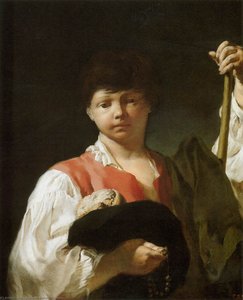
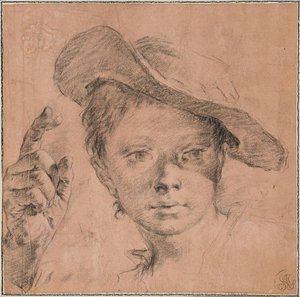
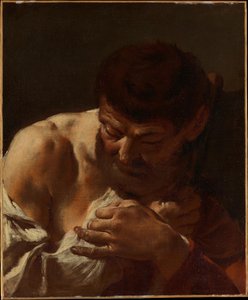
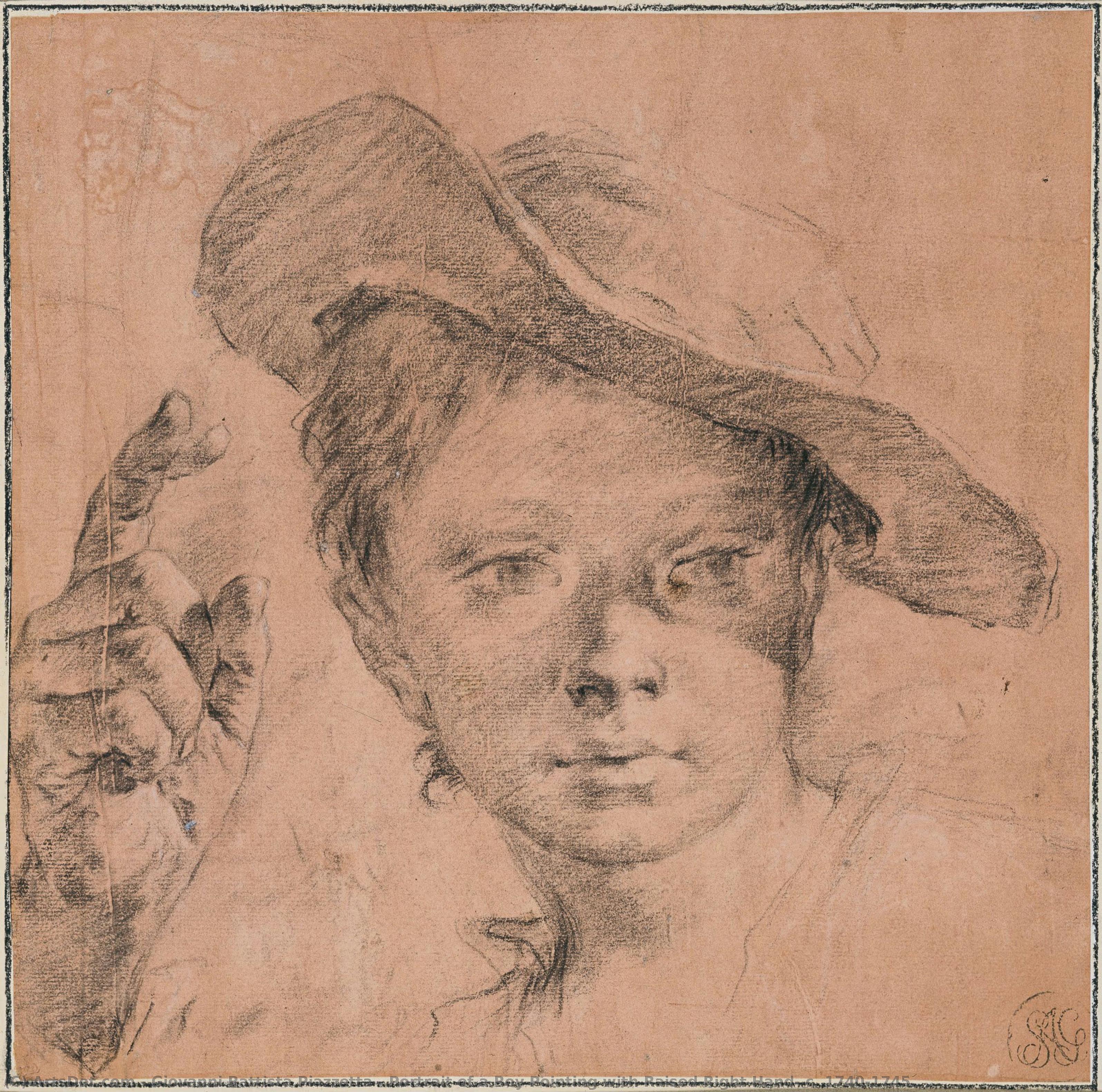
Portrait of a Boy Pointing with Raised Right Hand, c. 1740-1745


 Read More
Hand Made Oil Reproduction
Hand-painted oil on canvas in your size and frame, made to order by our artists. ( Buy Print Buy Image)




P118B $10

P118H $10

P118W $10

P438Z $10

P508JH $12

P508YH $12

P805H $10

P805Z $10

P919BZ $10

P919G $10

P919XJ $10

P959ZH $10

P968JZ $12

W106C $8

W218G $10

W218JH $8

W218Y $10

W307PJ $10

W316G $10

W316PJ $8

W316Y $10

W398PJ $8

W4111J $10

W500HY $15

W500JH $15

W692G $12

W849H $8

W940BG $15

W953PJ $8




Pick from our preset sizes that match the artwork's original proportions.

You may enter your own dimensions to fit a specific frame or space. If your selected size does not match the original image's proportions, we will either crop the artwork or extend the painting with additional hand-painted elements. A digital mockup will be sent for your approval before production begins.
Please note that the on-screen preview does not reflect the actual cropping or extension. Only the mockup will accurately show the final composition.
While custom sizes are available, we recommend selecting a dimension from the predefined list to preserve the original proportions.
After order, ArtsDot.com team will email client for instructions and provide a mockup preview
Worldwide Delivery () in 3/4 weeks instead of standard 5 weeks. (2 September). No compromise on quality.

Free Worldwide Express Shipping

High-Quality Linen Canvas

Full Shipping Insurance

Customs Tax Refund Guarantee

True Color Matching Guarantee

60-Day Return Policy (Defects Only)

100% Money-Back Guarantee

Bulk Discount Offer
 Glass option is only available in size under 110 CM

Portrait of a Boy Pointing with Raised Right Hand, c. 1740-1745
Reproduction Medium
Reproduction Size
-


Total Price
$ 263
A Snapshot of Venetian Curiosity
- Giovanni Battista Piazzetta’s “Portrait of a Boy Pointing with Raised Right Hand,” painted circa 1740-1745, offers a deceptively simple yet profoundly evocative glimpse into the artistic landscape of Venice during its Baroque zenith. This unassuming portrait transcends mere representation; it embodies the spirit of intellectual inquiry and youthful engagement characteristic of the era.
- The painting’s subject is a young boy dressed in attire typical for Venetian youth – a hat perched atop his head – whose gaze meets ours with unwavering directness. His hand, raised aloft, punctuates the composition, gesturing towards an unseen stimulus, prompting speculation about what captures his attention and fueling our own imaginative response.
Chalk’s Delicate Embrace: Technique and Material Considerations
- Executed in chalk, Piazzetta skillfully employs a medium known for its luminosity and tonal subtlety. Chalk allows for nuanced shading and blending—a technique favored by Venetian artists of the period—resulting in an image imbued with remarkable detail and atmospheric depth. The artist’s meticulous attention to texture contributes significantly to the painting's overall impact.
- Unlike oil paint, chalk offers a unique challenge to the painter, demanding careful layering and blending to achieve desired effects. Piazzetta’s mastery of this medium is evident in the subtle gradations of color that define the boy’s skin tone and the muted brown background—a deliberate choice designed to heighten visual harmony.
Bolognese Influence: Shaping Piazzetta's Artistic Vision
Symbolism Within Simplicity: Decoding Gestures and Context
Emotional Resonance: Capturing a Moment of Innocence
Related Artworks
Artist Biography
Early Life and Artistic Formation in Venice
Giovanni Battista Piazzetta, born in Venice on February 13th, either in 1682 or 1683 – records from the period are somewhat ambiguous – emerged into a city steeped in artistic tradition yet undergoing subtle shifts in taste. His father, Giacomo Piazzetta, was a sculptor, and young Giovanni’s initial training took place within this familial workshop, fostering an early appreciation for form and craftsmanship through wood carving. However, his path soon diverged towards painting, beginning studies with Antonio Molinari in 1697. This foundational period instilled the basics of technique, but it was Piazzetta's sojourn to Bologna between 1703 and 1705 that proved truly transformative. There, he absorbed the lessons of Giuseppe Maria Crespi, a master known for his genre scenes depicting everyday life with remarkable realism and psychological depth. This exposure would become a defining characteristic of Piazzetta’s own evolving style. The Bolognese influence instilled in him a fascination with capturing the humanity of ordinary people, a sensibility that set him apart from many of his Venetian contemporaries who favored grand historical or mythological narratives.A Unique Rococo Voice: Style and Influences
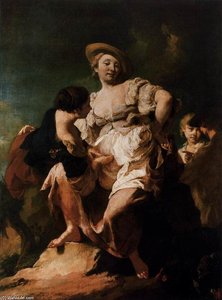
Piazzetta’s artistic voice is often categorized within the Rococo movement, yet he occupies a somewhat singular position within it. While embracing the period's emphasis on elegance and decorative flourishes, his work possesses a depth of emotional resonance and a chiaroscuro intensity that distinguishes him from more purely ornamental painters. He was celebrated for his use of warm, rich colors – deep reds, ochres, and browns – creating an atmosphere of both intimacy and mystery. His paintings are not merely visually appealing; they invite contemplation. The artist’s ability to imbue religious subjects with a palpable sense of human drama was particularly noteworthy. He frequently depicted peasantry, elevating them to positions of dignity and spiritual significance within his compositions. This wasn't simply a matter of realism; it reflected a genuine empathy for the lives of common people. The “Soothsayer,” now housed in the Gallerie dell’Accademia in Venice, exemplifies this perfectly. The painting’s power lies not in elaborate detail but in the subtle gestures and expressions of the figures, hinting at unseen anxieties and profound inner turmoil. While acknowledging the luminosity and brilliance of artists like Tiepolo – a dominant figure in Venetian art during this period – Piazzetta charted his own course, exploring darker, more introspective themes that Tiepolo largely avoided.Notable Works and Artistic Range
Piazzetta’s oeuvre is remarkably diverse, encompassing religious paintings such as “Ecstasy of St Francis,” “St Anthony of Padua,” “St Gaetano,” and “Guardian Angel.” These works demonstrate his mastery of composition and his ability to convey spiritual fervor through expressive figures and dramatic lighting. However, limiting him solely to religious subjects would be a disservice. His range extended significantly into genre scenes, depicting everyday life with an acute observational eye and a keen understanding of human psychology. This willingness to explore a broader spectrum of topics distinguished him from many of his peers. He wasn’t afraid to portray the complexities of human existence, even in seemingly mundane settings. The artist's compositions often feature carefully arranged groups of figures, creating dynamic narratives that draw the viewer into the scene. His attention to detail – the texture of fabrics, the play of light on faces – adds a layer of realism and immediacy to his work.Later Life, Teaching, and Lasting Legacy
In 1750, Piazzetta reached a pinnacle in his career when he was appointed as the first director of the newly founded Accademia di Belle Arti di Venezia. This appointment underscored his standing within the Venetian art world and provided him with a platform to nurture the next generation of artists. He devoted his final years to teaching, imparting his knowledge and artistic principles to aspiring painters. In 1727, he was elected a member of the prestigious Bolognese Accademia Clementina, further solidifying his reputation as a leading figure in Italian art. Piazzetta’s influence on Venetian painting extended beyond his direct students. His emphasis on emotional depth and psychological realism paved the way for later artists who sought to move beyond purely decorative styles. While perhaps not as widely celebrated during his lifetime as some of his contemporaries, his work has experienced a resurgence in recent years, with scholars recognizing his unique contribution to the Rococo movement and his enduring ability to capture the complexities of the human condition. His paintings continue to captivate viewers with their warmth, drama, and profound sense of mystery.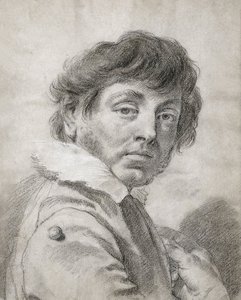
giovanni battista piazzetta
1715 - 1754 , Italy
Quick Facts
- Artistic Movement Or Style: Rococo
- Artists Who Influenced This Artist:
- G.M. Crespi
- Antonio Molinari
- Date Of Birth: 1682 or 1683
- Date Of Death: 1754
- Full Name: Giovanni Battista Piazzetta
- Nationality: Italian
- Notable Artworks:
- Ecstasy of St Francis
- St Anthony of Padua
- St Gaetano
- Guardian Angel
- The Soothsayer
- Place Of Birth: Venice, Italy
Related Articles

Rococo's Radiant Legacy: 10 Masterpieces for Your Home |
Indulge in the elegance of Rococo! Explore 10 masterpieces by Fragonard, Boucher & Watteau. Discover the stories behind these iconic paintings and bring timeless art to your home with museum-quality reproductions from .

The Rococo Aesthetic: Opulence, Rebellion & the Pursuit of Pleasure in 18th-Century Art
Explore the opulent world of Rococo art! Discover its origins, key artists like Watteau & Boucher, and lasting influence on design. Expert insights for collectors & enthusiasts.
The Rococo Style: Aristocratic Leisure & the Pursuit of Delight in 18th-Century Art
Explore the opulent world of Rococo art! Discover Watteau, Boucher & Nattier's masterpieces. Expert insights for collectors seeking museum-quality reproductions and custom portraits at ArtsDot.
Illuminating the Enlightenment: A Comprehensive Exploration of 18th-Century Painting
Explore the captivating world of 18th-century painting! Discover Rococo's playful elegance & Neoclassicism’s Enlightenment ideals with expert insights into Fragonard, David, and more. A comprehensive guide for art enthusiasts.
The Allure of Elegance in Art: A Historical & Aesthetic Exploration of Refinement & Grace
Explore the exquisite world of Rococo art! Discover its history, masters (Watteau, Boucher & more), and defining elegance. Expert insights for collectors seeking museum-quality reproductions & custom portraits.