 Preview
 Send
Send Share
Share
 Details

 Download
 Similars
 X-Ray
X-Ray Diaporama
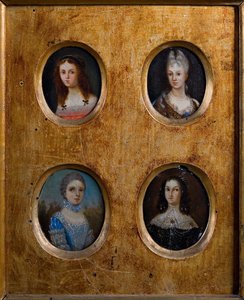
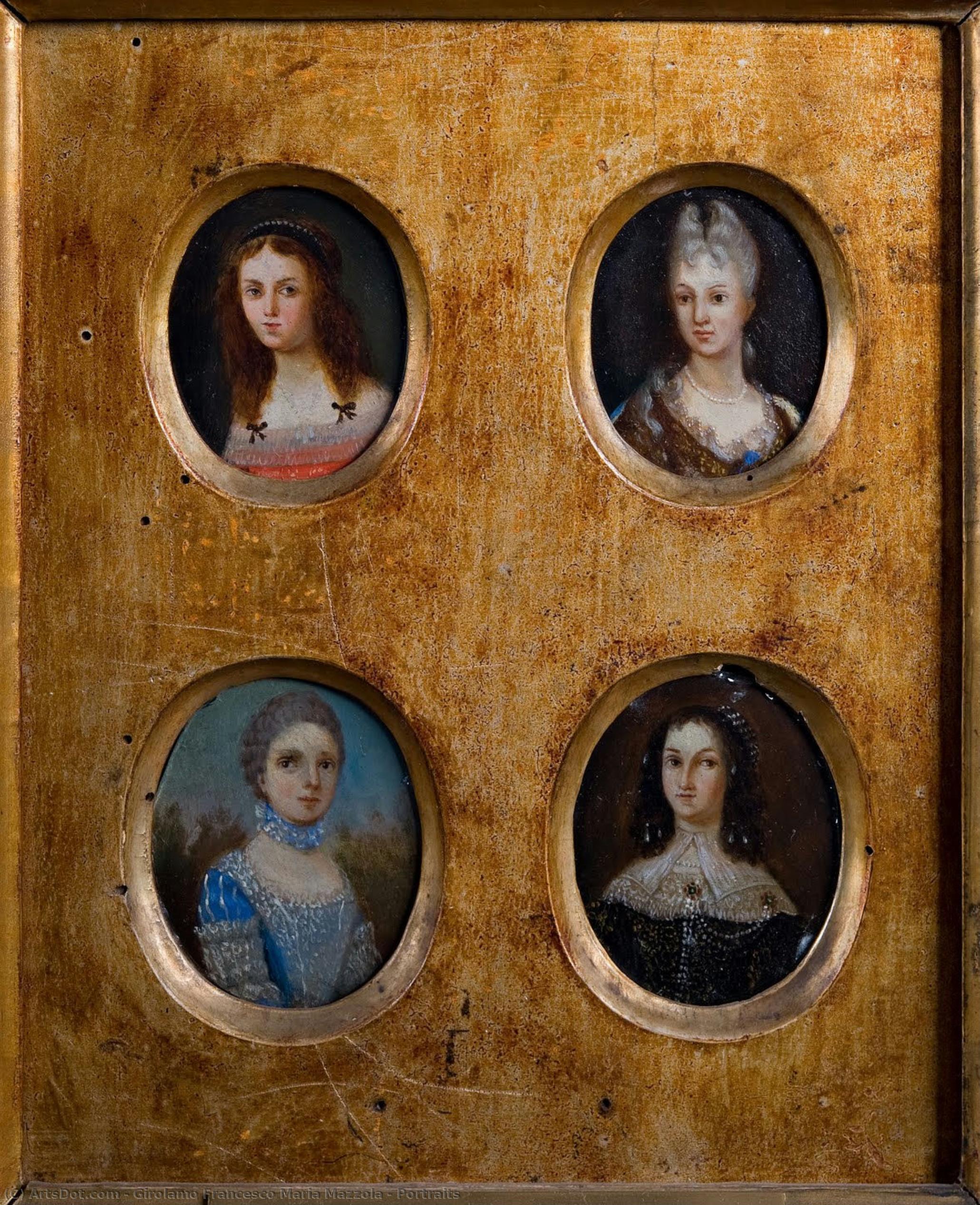
Portraits


 Read More
Hand Made Oil Reproduction
Hand-painted oil on canvas in your size and frame, made to order by our artists. ( Buy Print Buy Image)




P118B $10

P118H $10

P118W $10

P438Z $10

P508JH $12

P508YH $12

P805H $10

P805Z $10

P919BZ $10

P919G $10

P919XJ $10

P959ZH $10

P968JZ $12

W106C $8

W218G $10

W218JH $8

W218Y $10

W307PJ $10

W316G $10

W316PJ $8

W316Y $10

W398PJ $8

W4111J $10

W500HY $15

W500JH $15

W692G $12

W849H $8

W940BG $15

W953PJ $8




Pick from our preset sizes that match the artwork's original proportions.

You may enter your own dimensions to fit a specific frame or space. If your selected size does not match the original image's proportions, we will either crop the artwork or extend the painting with additional hand-painted elements. A digital mockup will be sent for your approval before production begins.
Please note that the on-screen preview does not reflect the actual cropping or extension. Only the mockup will accurately show the final composition.
While custom sizes are available, we recommend selecting a dimension from the predefined list to preserve the original proportions.
After order, ArtsDot.com team will email client for instructions and provide a mockup preview
Worldwide Delivery () in 3/4 weeks instead of standard 5 weeks. (25 August). No compromise on quality.

Free Worldwide Express Shipping

High-Quality Linen Canvas

Full Shipping Insurance

Customs Tax Refund Guarantee

True Color Matching Guarantee

60-Day Return Policy (Defects Only)

100% Money-Back Guarantee

Bulk Discount Offer
 Glass option is only available in size under 110 CM

Portraits
Reproduction Medium
Reproduction Size
-


Total Price
$ 263
Artwork Description
A Quadrant of Elegance: The Intimacy of Parmigianino’s Portraits
In the quiet corridors of the Pinacoteca Stuard in Parma, there exists a captivating window into the soul of the Italian Renaissance and the burgeoning grace of Mannerism. The work known simply as Portraits is not merely a single image, but a delicate arrangement of four distinct feminine identities, captured within a structured wooden frame that acts as both a boundary and a stage. Each portrait, rendered with the masterful touch of Girolamo Francesco Maria Mazzola—the enigmatic Parmigianino—offers a glimpse into a bygone era of aristocratic poise. The composition is divided into a rhythmic quadrant, where each woman occupies her own space, yet they are united by a shared sense of ethereal beauty and the artist's signature fluid line. To behold this piece is to witness a conversation between light and shadow, where the soft textures of silk and the subtle warmth of skin tones create an atmosphere of profound intimacy.
The technique employed in this oil on copper masterpiece speaks to the extraordinary technical prowess that defined Parmigianino’s short but brilliant career. Painting on copper allows for a luminous, jewel-like finish, as the smooth surface permits the artist to layer glazes that catch the light with an almost supernatural glow. This luminosity is essential to the Mannerist style, which sought to move beyond the mere imitation of nature toward a more stylized, idealized elegance. One can observe the meticulous attention to the varying colors and styles of the women's dresses, where every fold of fabric and every delicate lace detail serves to elevate the subjects from mere sitters to icons of timeless fashion. The artist’s ability to manipulate light across these different sections creates a sense of depth and movement, guiding the viewer's eye in a graceful dance from one face to the next.
Beyond the technical brilliance, there is a deep emotional resonance found within these four faces. While the historical context of 1700 marks a later period for this specific display, the essence of Parmigianino’s 16th-century vision remains palpable. There is a certain melancholy, a quiet introspection, that permeates each gaze; it is as if these women are caught in a moment of eternal reflection. For the discerning collector or the interior designer, this work offers more than just aesthetic pleasure; it provides a focal point of historical gravity and sophisticated charm. A high-quality reproduction of such a piece brings with it an air of Old World nobility, making it an ideal centerpiece for a room designed to inspire contemplation and evoke the grandeur of Italian art history. It is a testament to the enduring power of the portrait—a way to invite the elegance of the past into the modern sanctuary.
Related Artworks
Artist Biography
Girolamo Francesco Maria Mazzola – The Enigmatic Parmigianino
Girolamo Francesco Maria Mazzola, more commonly known as Parmigianino, was a figure of captivating complexity and profound influence within the artistic landscape of 16th-century Italy. Born in Parma in 1503 and tragically dying in Casalmaggiore in 1540 at the remarkably young age of thirty-seven, his life was a whirlwind of creative brilliance punctuated by personal turmoil and professional disruption. He wasn’t merely an artist; he was a pivotal bridge between the High Renaissance ideals championed by Leonardo da Vinci and Michelangelo and the burgeoning, intensely individualistic style that would come to define Mannerism. Parmigianino's legacy rests not just on his stunning technical skill but also on his willingness to challenge convention, pushing the boundaries of perspective, proportion, and emotional expression in ways that continue to fascinate and intrigue art historians today.- Early Influences: Parmigianino’s formative years were deeply shaped by his family's artistic connections. His father, Filippo Mazzola, was a modest artist, and his uncles, Michele and Pier Ilario, were also painters who received commissions from the Zangrandi family in Parma. This exposure to art instilled in him an early appreciation for technique and design, but it was the influence of Correggio, working at San Giovanni Evangelista, that proved particularly transformative. Correggio’s innovative use of illusionistic space and dynamic composition provided a crucial springboard for Parmigianino's own explorations.
- Florence and Rome: In 1524, seeking greater opportunities and perhaps a more stimulating environment, Parmigianino moved to Florence and then to Rome. These periods were marked by significant artistic growth. He absorbed the grandeur of Raphael’s work, adopting a more monumental scale and embracing classical ideals. However, his time in Rome coincided with the devastating Sack of 1527, an event that profoundly impacted his career and ultimately led to his return to Parma.
- Mannerist Innovation: Parmigianino is considered one of the key figures in establishing Mannerism – a style characterized by elongated forms, distorted perspectives, artificial colors, and a heightened sense of elegance and sophistication. His paintings often feature a deliberate ambiguity, inviting viewers to contemplate the work on multiple levels. He wasn’t simply imitating existing styles; he was actively constructing new visual languages.
The Language of Distortion – Parmigianino's Style
Parmigianino’s artistic signature is immediately recognizable through his masterful manipulation of form and space. Unlike the balanced, harmonious compositions favored by Renaissance masters, his paintings frequently exhibit a sense of unsettling distortion. Figures are often elongated, their limbs stretched to impossible lengths, creating an almost surreal effect. This deliberate exaggeration wasn't merely decorative; it served to heighten emotional intensity and convey a feeling of unease or tension.- Elongated Forms: The most iconic example of this stylistic trait is undoubtedly *Vision of Saint Jerome* (1526-27), where the saint’s figure is rendered with an almost skeletal grace, his limbs stretched and contorted in a dramatic pose. This deliberate distortion wasn't intended to represent reality but rather to evoke a specific emotional response – in this case, a sense of spiritual torment.
- Spatial Ambiguity: Parmigianino frequently employed techniques that challenged traditional notions of perspective. He manipulated depth and scale, creating an illusion of space that is both captivating and disorienting. This was particularly evident in his portraits, where he often placed figures within ambiguous settings, blurring the boundaries between reality and imagination.
- Color Palette: His use of color was equally distinctive. He favored rich, jewel-toned hues – deep reds, blues, and greens – that were applied with a delicate touch, creating a shimmering effect that enhanced the sense of elegance and sophistication.
Key Works and Lasting Influence
Parmigianino’s oeuvre is remarkably diverse, encompassing portraits, religious scenes, mythological subjects, and decorative panels. Several works stand out as particularly significant contributions to his legacy: *Self-Portrait in a Convex Mirror* (1524), a groundbreaking self-portrait that brilliantly exploits the reflective properties of a convex mirror; *Madonna with the Long Neck* (1534), a masterpiece of Mannerist elegance and compositional innovation; and *Vision of Saint Jerome*, arguably his most famous painting.- The Self-Portrait: The *Self-Portrait in a Convex Mirror* is not merely a likeness but a carefully constructed visual statement, exploring themes of vanity, self-awareness, and the relationship between appearance and reality. It’s considered one of the earliest examples of a true self-portrait in Western art.
- Madonna with the Long Neck: This painting exemplifies Parmigianino's mastery of Mannerist style, featuring elongated figures, distorted proportions, and an unsettling sense of spatial ambiguity. The composition is remarkably complex, drawing the viewer’s eye to various points within the scene.
- Influence on Printmaking: Parmigianino was also a pioneer in printmaking, experimenting with etching techniques and producing innovative graphic works that complemented his paintings. His prints demonstrate a remarkable understanding of tonal values and line quality.
A Tragic End and Enduring Legacy
Parmigianino’s career was tragically cut short by illness in 1540 at the age of thirty-seven. Despite facing numerous setbacks – including imprisonment for failing to complete commissioned works – he remained a remarkably productive artist until his final days. His untimely death left behind an unfinished body of work, but the paintings and drawings that survived have had a profound impact on subsequent generations of artists. He is remembered as one of the most innovative and influential figures in the transition from Renaissance to Mannerism, paving the way for the Baroque style and inspiring countless artists with his daring experimentation and exquisite technique. His legacy continues to be celebrated today through exhibitions, publications, and reproductions of his remarkable works.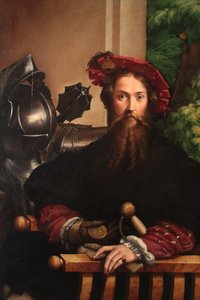
girolamo francesco maria mazzola
1503 - 1540 , Italy
Quick Facts
- Artistic Movement Or Style: Mannerism
- Artists Or Movements Influenced By This Artist:
- Niccolò dell’Abate
- French art
- Artists Who Influenced This Artist:
- Correggio
- Raphael
- Michelangelo
- Date Of Birth: January 11, 1503
- Date Of Death: August 24, 1540
- Full Name: Girolamo Francesco Maria Mazzola”
- Nationality: Italian
- Notable Artworks:
- Vision of Saint Jerome
- Madonna with the Long Neck
- Place Of Birth: Parma, Italy
Related Articles

The Enduring Legacy of Oil on Canvas: Technique, History & Aesthetic Impact
Explore the rich history & techniques of oil painting – from Renaissance masters to Impressionism. Discover pigments, layering methods, and why this timeless medium endures. Expert insights for artists & art enthusiasts.
The Luminous Legacy of Oil on Copper: Unveiling the Rare Medium of Renaissance Brilliance
Discover the breathtaking brilliance of oil on copper. Explore how this rare Renaissance medium creates unmatched luminosity and depth, perfect for collectors seeking timeless elegance and museum-quality mastery in their home decor.

Oil on Canvas: A Historical & Technical Exploration of a Timeless Artistic Medium
Explore the rich history & enduring techniques of oil painting on canvas. Discover the science behind its longevity, conservation practices, and contemporary relevance. Expert insights for art enthusiasts.

The Enduring Power of Painting: A Historical & Contemporary Exploration of Form and Emotion
Explore the rich history & enduring techniques of oil painting with ArtsDot. Discover masterpieces, learn about art collecting, and find authentic handmade reproductions crafted by skilled artists.

The Enduring Legacy of Oil on Canvas: Technique, History & Contemporary Practice
Explore the rich history & enduring techniques of oil painting on canvas. Discover the science behind its longevity, conservation practices, and contemporary relevance. Expert insights for art enthusiasts.