 Preview
 Send
Send Share
Share
 Details

 Download
 Similars
 X-Ray
X-Ray Diaporama
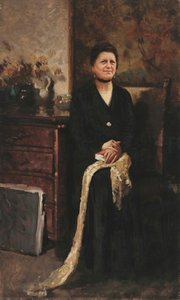
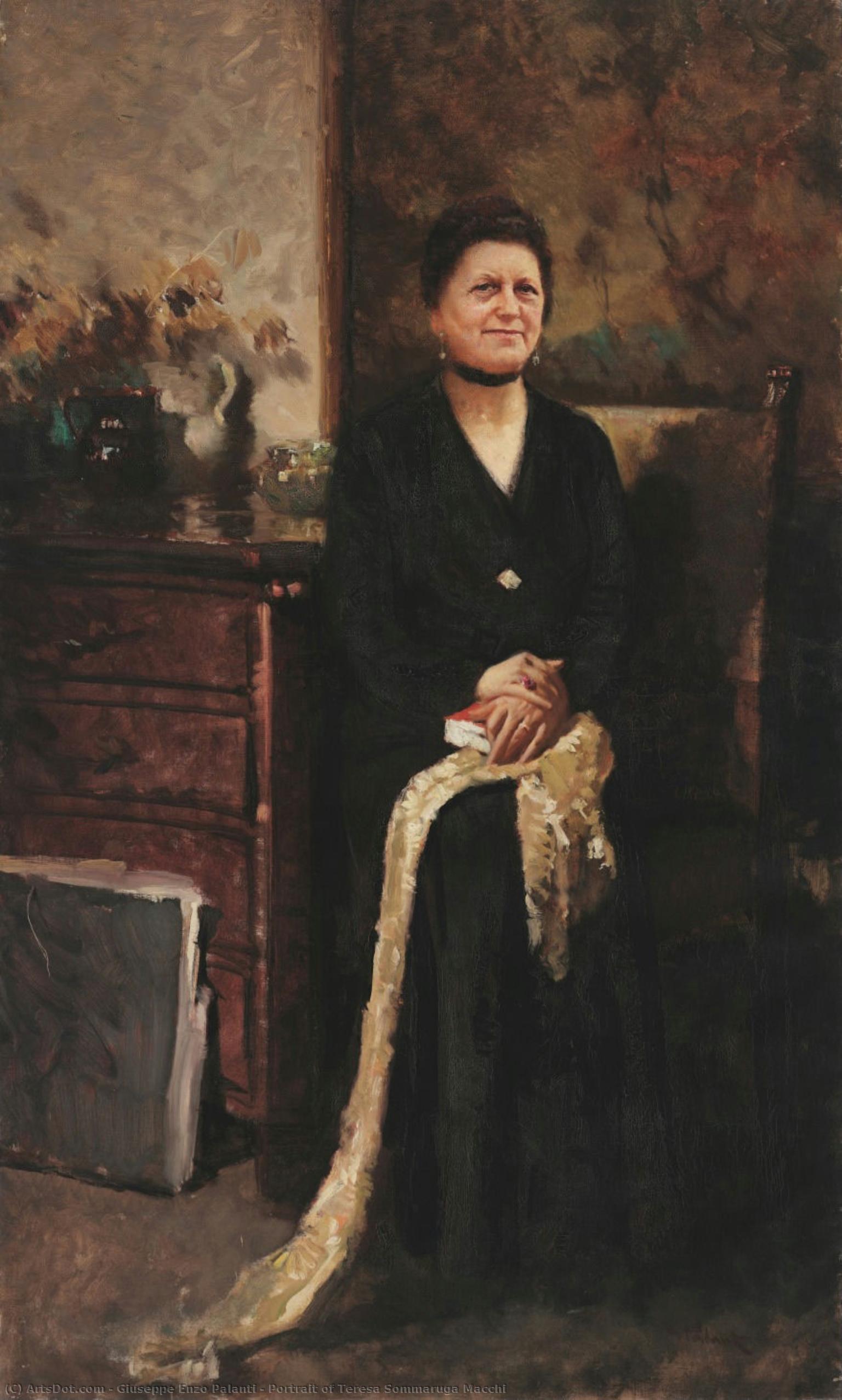
Portrait of Teresa Sommaruga Macchi
 Oil
Oil- WallArt
- Contemporary Realism
 1937
1937- Modern
 200.0 x 120.0 cm
 Ca’ Granda – Ospedale Maggiore Policlinico
 Read More
Hand Made Oil Reproduction
Hand-painted oil on canvas in your size and frame, made to order by our artists. ( Buy Print Buy Image)




P118B $10

P118H $10

P118W $10

P438Z $10

P508JH $12

P508YH $12

P805H $10

P805Z $10

P919BZ $10

P919G $10

P919XJ $10

P959ZH $10

P968JZ $12

W106C $8

W218G $10

W218JH $8

W218Y $10

W307PJ $10

W316G $10

W316PJ $8

W316Y $10

W398PJ $8

W4111J $10

W500HY $15

W500JH $15

W692G $12

W849H $8

W940BG $15

W953PJ $8




Pick from our preset sizes that match the artwork's original proportions.

You may enter your own dimensions to fit a specific frame or space. If your selected size does not match the original image's proportions, we will either crop the artwork or extend the painting with additional hand-painted elements. A digital mockup will be sent for your approval before production begins.
Please note that the on-screen preview does not reflect the actual cropping or extension. Only the mockup will accurately show the final composition.
While custom sizes are available, we recommend selecting a dimension from the predefined list to preserve the original proportions.
After order, ArtsDot.com team will email client for instructions and provide a mockup preview
Worldwide Delivery () in 3/4 weeks instead of standard 5 weeks. (16 August). No compromise on quality.

Free Worldwide Express Shipping

High-Quality Linen Canvas

Full Shipping Insurance

Customs Tax Refund Guarantee

True Color Matching Guarantee

60-Day Return Policy (Defects Only)

100% Money-Back Guarantee

Bulk Discount Offer
 Glass option is only available in size under 110 CM

Portrait of Teresa Sommaruga Macchi
Reproduction Medium
Reproduction Size
-


Total Price
$ 263
Artwork Description
A Glimpse into Elegance: The Soul of Teresa Sommaruga Macchi
In the quietude of Giuseppe Enzo Palanti’s 1937 masterpiece, Portrait of Teresa Sommaruga Macchi, we encounter more than just a likeness; we enter a moment of profound stillness. The painting captures a woman of grace, seated with a poised dignity that transcends the canvas. Dressed in the somber, sophisticated tones of a black gown, her hands rest folded gently in her lap, suggesting a temperament of deep reflection. A delicate scarf draped around her neck adds a layer of texture and softness to her attire, framing a face caught in a gaze of quiet contemplation. As she looks off into the distance, the viewer is invited to wonder about the thoughts occupying her mind—is it a memory of the past or a silent anticipation of what is to come?
The composition is masterfully balanced, utilizing a domestic setting that breathes with life and tranquility. Behind her, the subtle presence of a couch and the careful placement of various vases create a sense of lived-in luxury. The inclusion of potted plants—one nestled near the upper corner and another grounding the lower right—introduces an organic vitality to the scene, softening the formal structure of the portrait. This interplay between the structured interior and the natural elements creates an atmosphere of serene introspection, making the painting feel less like a static record and more like a captured breath in the passage of time.
Technique and the Legacy of Italian Mastery
Palanti, an artist deeply rooted in the rich traditions of Milanese painting, employs a technique that honors the classical portraiture of the Renaissance while maintaining the subtle nuances of early 20th-century realism. His brushwork is deliberate and smooth, allowing for a seamless transition of light and shadow across the subject's features. This mastery of chiaroscuro lends a sculptural quality to Teresa’s form, giving her presence a weight and permanence that commands the room. The artist’s ability to manipulate light creates a soft glow upon the skin, contrasting beautifully with the deep, velvety blacks of her clothing.
For the discerning collector or interior designer, this piece offers an unparalleled opportunity to introduce a sense of historical gravity and timeless sophistication into a space. Whether placed in a grand library, a formal dining room, or a contemporary study, the Portrait of Teresa Sommaruga Macchi acts as an anchor of elegance. Its large scale of 200 x 120 cm ensures that it serves as a commanding focal point, capable of sparking conversation and evoking a sense of cultured nostalgia. To possess a reproduction of such a work is to bring a fragment of Italian heritage and the quiet power of contemplative beauty into the modern home.
Related Artworks

Artist Biography
Pablo Picasso: A Revolutionary of Color and Form
Pablo Picasso, a name synonymous with artistic innovation and boundless creativity, remains one of the most recognizable and influential figures in the history of art. Born in Málaga, Spain, on October 25, 1881, into a family steeped in artistic tradition – his father, José Ruiz y Blasco, was a respected art teacher and curator – Picasso’s journey was marked by relentless experimentation, profound personal experiences, and an unwavering commitment to pushing the boundaries of visual expression. His life wasn't simply about painting; it was a vibrant tapestry woven with love, loss, political upheaval, and a constant dialogue with the world around him. From his early years grappling with formal training to his groundbreaking contributions to Cubism and beyond, Picasso’s legacy continues to inspire artists and captivate audiences worldwide.
Early Years and Artistic Foundations
Picasso's childhood in Málaga was a formative period, deeply influenced by the artistic atmosphere surrounding him. His father instilled in him a love for drawing from a young age, encouraging his son to observe and replicate the world around him with meticulous detail. The family’s frequent visits to the Museo de Bellas Artes de Málaga exposed Picasso to the works of Spanish masters like Velázquez and Goya, subtly shaping his artistic sensibilities. However, Picasso's formal training at the La Lloteria art school in Barcelona proved frustrating; he found the rigid curriculum stifling and yearned for a more expressive approach. Despite this initial resistance, he diligently completed his studies, developing a solid foundation in drawing and perspective – skills that would later serve as a springboard for his revolutionary techniques.
- Early Subjects: Picasso’s early works often depicted scenes from everyday life—bullfighting, flamenco dancers, and portraits of family members.
- The Blue Period (1901-1904): Following the death of his sister Conchita, Picasso entered a period of intense melancholy, reflected in his predominantly monochromatic paintings dominated by shades of blue. These works explored themes of poverty, loneliness, and loss with raw emotional intensity.
- The Rose Period (1904-1906): A shift occurred as Picasso moved to Paris and began associating with a vibrant circle of artists. The Rose Period saw the emergence of warmer colors—pinks, oranges, and reds—and subjects related to the circus and entertainment, offering a glimmer of optimism amidst his personal struggles.
The Birth of Cubism and Artistic Revolution
Picasso’s most significant contribution to the art world arrived with the development of Cubism in collaboration with Georges Braque around 1907. Frustrated by traditional representational painting, Picasso sought a new way to depict reality—not as a fixed image, but as a collection of fragmented viewpoints. This radical approach shattered conventional notions of perspective and spatial relationships, challenging viewers to actively engage with the artwork and reconstruct its meaning. Analytical Cubism, characterized by monochromatic palettes and dissected forms, paved the way for Synthetic Cubism, which incorporated collage elements and brighter colors.
- Les Demoiselles d’Avignon (1907): This iconic painting is widely considered the genesis of Cubism. Its distorted figures, angular planes, and unsettling gaze signaled a dramatic departure from traditional artistic conventions.
- The Influence of African Art: Picasso drew inspiration from the art of non-Western cultures, particularly African masks and sculptures, which informed his exploration of form, line, and symbolism.
- A Collaborative Effort: Picasso’s relationship with Braque was crucial to the development of Cubism; they engaged in a constant exchange of ideas and techniques, pushing each other towards new artistic frontiers.
Later Works and Enduring Legacy
Following his groundbreaking work in Cubism, Picasso continued to experiment with diverse styles and mediums throughout his long career. He explored Surrealist themes, revisited classical motifs, and engaged with political events—most notably, the horrors of World War II and the Spanish Civil War. His monumental painting *Guernica* (1937), a powerful indictment of war’s brutality, remains one of the most iconic images of the 20th century. Picasso's later years were marked by prolific output, encompassing ceramics, sculpture, printmaking, and stage design. He remained an active artist until his death in Mougins, France, on April 8, 1973, at the age of 91.
- Political Activism: Picasso was a staunch supporter of leftist causes and used his art as a vehicle for social commentary.
- Diverse Styles: Throughout his career, Picasso explored a wide range of styles—from Neoclassicism to Expressionism—demonstrating an unparalleled versatility and adaptability.
- A Lasting Influence: Picasso’s innovations in painting technique, composition, and subject matter continue to resonate with artists today, solidifying his position as one of the most important figures in modern art.
Picasso's Personal Life and Relationships
Beyond his artistic achievements, Picasso’s personal life was a complex and often turbulent affair. He had numerous relationships with women—Fernande Olivier, Dora Maar, Françoise Gilot, Marie-Thérèse Walter—each of whom profoundly influenced his work. These relationships were characterized by both passionate intensity and periods of conflict. His most enduring love story was with Dora Maar, a photographer who became his muse and lover for several years. Despite the challenges he faced in his personal life, Picasso remained fiercely independent and dedicated to his art until his final days.
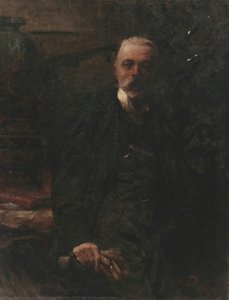
giuseppe enzo palanti
1881 - 1946 , Italy
Quick Facts
- Artistic Movement Or Style:
- Cubism
- Surrealism
- Artists Or Movements Influenced By This Artist:
- Braque
- Modernism
- Artists Who Influenced This Artist:
- Cézanne
- El Greco
- African art
- Date Of Birth: October 25, 1881
- Date Of Death: April 8, 1973
- Full Name: Pablo Diego José Francisco de Paula Juan Nepomuceno María de los Remedios Cipriano de la Santísima Trinidad Ruiz y Picasso
- Nationality: Spanish
- Notable Artworks:
- Guernica
- Les Demoiselles d’Avignon
- The Weeping Woman
- Place Of Birth: Málaga, Spain
Related Articles

Dark Masterpieces: 10 Iconic Paintings Dominated by Black Tones |
Explore 10 iconic paintings dominated by black tones, from Rembrandt’s chiaroscuro to Goya's dark expressions. Discover the stories behind these masterpieces & find museum-quality art reproductions for your home at .
Romantic Realism's Finest: 10 Masterpieces for Your Home | ArtsDot
Explore 10 defining masterpieces of Romantic Realism! Discover Courbet, Millet & Daumier's powerful paintings—capturing emotion and social realities. Find museum-quality reproductions for your home at ArtsDot.com.
Echoes of Society: Exploring Social Realism's Enduring Legacy in Art
Explore the powerful world of Social Realism art! Discover key artists, masterpieces & its profound social commentary. Expert insights into this influential movement's history and enduring legacy.
Mars Black Masterpieces: 10 Iconic Paintings & Timeless Art Decor Ideas
Delve into the power of 'Mars Black' with 10 iconic paintings by masters like Rembrandt & Caravaggio. Explore dramatic chiaroscuro, gothic art, and timeless beauty. Find museum-quality reproductions & elevate your home decor on .
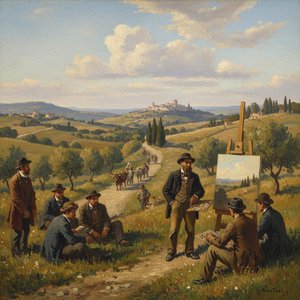
Giovanni Fattori: Realism, Identity & the Tuscan Landscape – A Macchiaioli Master
Explore the life & art of Giovanni Fattori, a leading figure of the Macchiaioli movement. Discover his revolutionary realism, captivating Tuscan landscapes, and lasting impact on Italian painting. Learn more at ArtsDot.