 Preview
 Send
Send Share
Share
 Details

 Download
 Similars
 X-Ray
X-Ray Diaporama
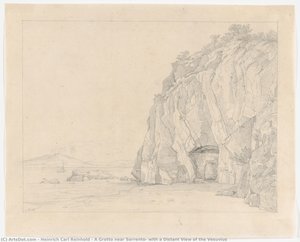
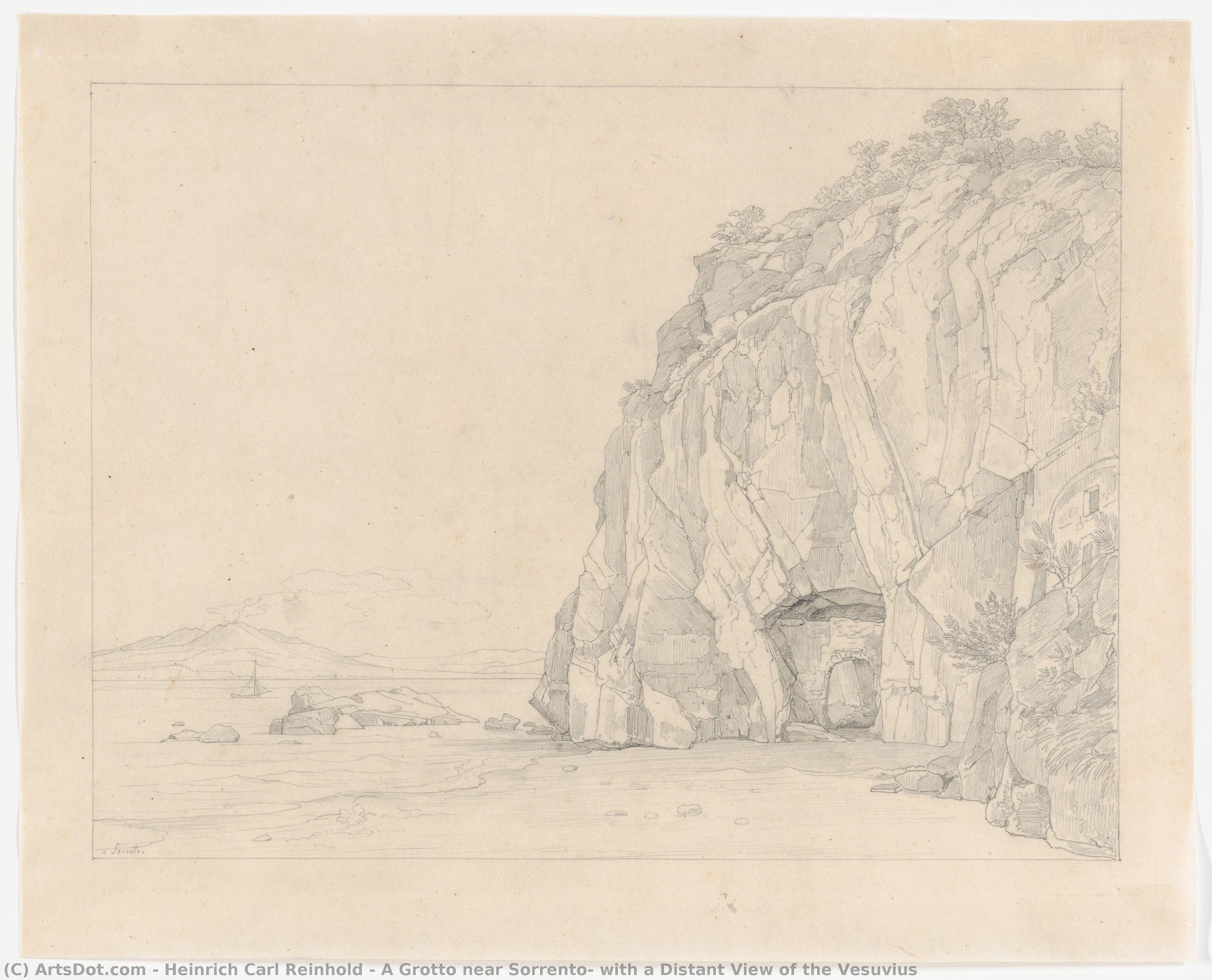
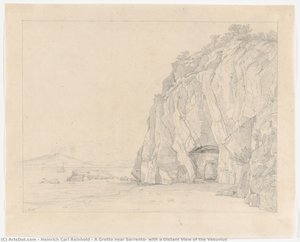
A Grotto near Sorrento, with a Distant View of the Vesuvius
 Acrylic On Canvas
- WallArt
- Romanticism
 1823
1823 32.0 x 39.0 cm
 Metropolitan Museum of Art
 Read More
Hand Made Oil Reproduction
Hand-painted oil on canvas in your size and frame, made to order by our artists. ( Buy Print Buy Image)




P118B $10

P118H $10

P118W $10

P438Z $10

P508JH $12

P508YH $12

P805H $10

P805Z $10

P919BZ $10

P919G $10

P919XJ $10

P959ZH $10

P968JZ $12

W106C $8

W218G $10

W218JH $8

W218Y $10

W307PJ $10

W316G $10

W316PJ $8

W316Y $10

W398PJ $8

W4111J $10

W500HY $15

W500JH $15

W692G $12

W849H $8

W940BG $15

W953PJ $8




Pick from our preset sizes that match the artwork's original proportions.

You may enter your own dimensions to fit a specific frame or space. If your selected size does not match the original image's proportions, we will either crop the artwork or extend the painting with additional hand-painted elements. A digital mockup will be sent for your approval before production begins.
Please note that the on-screen preview does not reflect the actual cropping or extension. Only the mockup will accurately show the final composition.
While custom sizes are available, we recommend selecting a dimension from the predefined list to preserve the original proportions.
After order, ArtsDot.com team will email client for instructions and provide a mockup preview
Worldwide Delivery () in 3/4 weeks instead of standard 5 weeks. (5 September). No compromise on quality.

Free Worldwide Express Shipping

High-Quality Linen Canvas

Full Shipping Insurance

Customs Tax Refund Guarantee

True Color Matching Guarantee

60-Day Return Policy (Defects Only)

100% Money-Back Guarantee

Bulk Discount Offer
 Glass option is only available in size under 110 CM

A Grotto near Sorrento, with a Distant View of the Vesuvius
Reproduction Medium
Reproduction Size
-


Total Price
$ 263
Heinrich Carl Reinhold’s Romantic Vision of Italy
Heinrich Carl Reinhold (1788–1825) stands as a poignant emblem of the Romantic movement in German art history—a figure whose legacy resides primarily within his breathtaking landscapes and meticulously rendered depictions of Italian scenery. Born in Gera, Thuringia, Reinhold's artistic journey commenced under the nurturing guidance of his father and half-brother, fostering an early fascination with drawing and establishing him as a student at Dresden Academy of Fine Arts. This formative period instilled in him not merely technical proficiency but also a profound appreciation for capturing the sublime beauty of nature—a cornerstone of Romantic artistic ideals.- Early Influences: Reinhold’s artistic vision was decisively shaped by exposure to classical aesthetics alongside burgeoning Romantic sensibilities. Notably, he absorbed the stylistic innovations championed by Joseph Anton Koch, whose landscapes served as a foundational model for Reinhold's approach. Koch’s emphasis on dramatic lighting and idealized compositions profoundly impacted Reinhold’s technique, encouraging him to prioritize emotional resonance alongside precise observation.
- Vienna and Parisian Academia: Recognizing the imperative of further refinement, Reinhold relocated to Vienna in 1806 and subsequently enrolled at the Akademie der bildenden Künste Wien. Here, he honed his skills under influential mentors, immersing himself in the artistic discourse of the era and absorbing lessons from artists who embraced a more expressive style.
A Landscape Steeped in Symbolism: Sorrento and Vesuvius
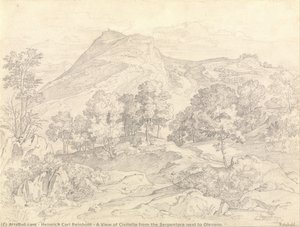
Reinhold’s “A Grotto near Sorrento, with a Distant View of the Vesuvius” transcends mere topographical representation; it embodies the Romantic preoccupation with capturing the grandeur and terror of the natural world. The grotto itself—a dark recess nestled amongst rocky outcrops—symbolizes introspection and contemplation, inviting viewers to confront their inner selves amidst the immensity of the landscape. Simultaneously, the distant silhouette of Mount Vesuvius serves as a potent reminder of geological forces and the fragility of human existence—a motif frequently employed by Romantic artists to convey themes of mortality and sublime awe. Reinhold skillfully utilizes graphite shading to create an atmosphere of serene tranquility juxtaposed with underlying tension, mirroring the complex emotional landscape of the Romantic spirit.Technical Mastery: Graphite Rendering and Atmospheric Perspective
Reinhold’s artistic prowess is evident in his masterful execution of graphite rendering—a technique favored by Romantic painters for its ability to convey subtle tonal variations and achieve remarkable atmospheric perspective. The artist meticulously builds up layers of shading, capturing the textures of rock surfaces with astonishing accuracy while simultaneously simulating the hazy diffusion of light over the distant mountain range. This meticulous attention to detail underscores Reinhold’s commitment to realism—albeit infused with an emotional sensibility characteristic of Romanticism—demonstrating his ability to transform observation into evocative artistic expression.The Legacy of Reinhold's Vision
“A Grotto near Sorrento, with a Distant View of the Vesuvius” remains a testament to Reinhold’s contribution to Romantic landscape painting and continues to inspire artists today. Its enduring appeal lies in its ability to evoke feelings of wonder and contemplation—a reflection of the broader Romantic quest for emotional authenticity and spiritual transcendence. Reproductions of this artwork offer collectors and interior designers alike an opportunity to experience the sublime beauty of Reinhold's vision, transporting viewers back to a pivotal moment in artistic history where nature was revered as both magnificent and perilous.Related Artworks





Artist Biography
A Romantic Vision of Italy: The Life and Legacy of Heinrich Carl Reinhold
Johann Heinrich Carl Reinhold emerged as a luminous figure within the burgeoning Romantic movement, leaving behind a legacy defined by his captivating landscapes and meticulously rendered depictions of Italian scenery. Born in 1788 in Gera, Thuringia, Reinhold’s artistic journey was deeply rooted in familial tradition. His early training began under the nurturing tutelage of his father and his half-brother, Friedrich Philipp Reinhold, an experience that fostered a profound appreciation for the precision of drawing and established the technical foundation upon which his later masterpieces would be built. As a student at the Dresden Academy of Fine Arts, he began to absorb the classical ideals that would serve as the structural backbone of his compositions, even as his spirit drifted toward the emotive power of Romanticism. The trajectory of Reinhold’s career was shaped by a series of pivotal migrations across Europe's great artistic centers. In 1806, seeking further refinement, he moved to Vienna, enrolling at the Akademie der bildenden Künste Wien. It was here that his talent caught the eye of the influential Dominique Vivant, Baron de Denon, the Director of Museums in Paris. This encounter proved transformative, propelling Reinhold into the vibrant heart of Parisian artistic discourse in 1809. During his years in France, he did not merely observe; he actively documented the era's seismic shifts, capturing the grandeur and drama of Napoleon’s military campaigns through a masterful blend of keen observation and poetic interpretation.The Italian Influence and Artistic Maturity
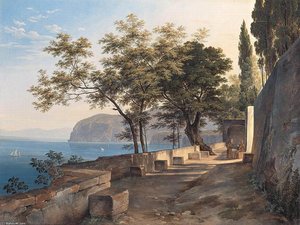
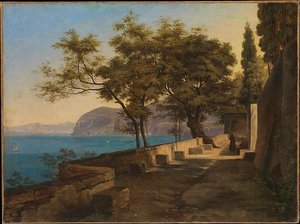
The true soul of Reinhold’s oeuvre, however, was found in the sun-drenched landscapes of the South. Following his time in Paris, a renewed enthusiasm for Romanticism spurred his return to Vienna in 1819, leading to an ambitious expedition to Italy alongside Johann Christoph Erhard. This journey through Rome and Naples allowed Reinhold to immerse himself in a classical milieu that would forever alter his palette and perspective. His works from this period, such as the breathtaking Terrace of the Capucin Priory in Sorrento, demonstrate a remarkable sensitivity to light and atmosphere. In these paintings, one finds a serene coastal beauty where stone terraces, lush vegetation, and the gentle play of shadow create a tranquil, almost meditative atmosphere. Reinhold’s technical mastery is particularly evident in his ability to balance the monumental with the intimate. While he could capture the sweeping vistas of a distant Vesuvius or the dramatic scale of Roman architecture, he never lost sight of the human element. His compositions often feature subtle traces of life—a young couple beneath a wicker basket or figures engaged in quiet conversation—which ground his grand landscapes in a sense of lived reality. This duality between the epic and the everyday is what makes his work so enduringly poignant.Historical Significance and Artistic Heritage
Though his life was tragically short, ending in 1825, Reinhold’s impact on the German Romantic landscape tradition remains significant. He bridged the gap between the rigorous academic traditions of the late 18th century and the emotive, nature-centric philosophies of the 19th century. His ability to synthesize the stylistic innovations of Joseph Anton Koch with his own firsthand observations of Mediterranean light created a unique visual language that resonated across borders. Today, the works of Heinrich Carl Reinhold serve as vital windows into a bygone era of European exploration and artistic passion. His paintings are not merely records of scenery but are emotional evocations of a time when the landscape was viewed as a mirror to the human soul. His contributions continue to be celebrated in prestigious institutions such as:- The Neue Pinakothek in Munich, which houses his exquisite depictions of Sorrento.
- The National Gallery of Art, preserving his intimate studies of figures within landscapes.
- The Von Der Heydt Museum, where his legacy as a master of German landscape art is preserved.
heinrich carl reinhold
1788 - 1825
Quick Facts
- Artistic Movement Or Style: Romantic Painting
- Artists Or Movements Influenced By This Artist: ['Romanticism']
- Artists Who Influenced This Artist: ['Joseph Anton Koch']
- Date Of Birth: 18 July 1788
- Date Of Death: 15 January 1825
- Full Name: Johann Heinrich Carl Reinhold
- Nationality: German
- Notable Artworks:
- Terrace of the Capucin Priory in Sorrento
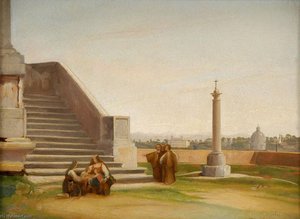
- Family at the Foot of a Staircase of a Roman Palace
- Place Of Birth: Gera, thuringia
Related Articles

Romantic Landscapes: 10 Masterpieces for Your Home | ArtsDot
Journey through 10 Romantic landscape masterpieces by Friedrich, Turner & Cole. Explore emotional art, sublime nature scenes & iconic 19th-century paintings. Find museum-quality reproductions for your home at ArtsDot.com – discover the full collection online!

Evocations of Place: A Historical Journey Through Landscape Art
Explore the rich history of landscape art with ArtsDot. Discover renowned artists, movements like Impressionism & Romanticism, and expert guidance for collecting timeless pieces. Find your perfect serene escape today!
The Sublime and the Picturesque: Exploring Emotion & Nature in Romantic Landscape Painting
Explore the emotional power of Romantic landscape painting! Discover the sublime & picturesque traditions, key artists like Friedrich & Cole, and find your perfect artwork at ArtsDot.
The Art of Italian Living: Transform Your Home with Timeless Landscapes and Renaissance Masterpieces
Elevate your home with the timeless romance of Italy. Discover expert-curated, hand-painted Italian landscapes and Renaissance-inspired masterpieces. From bespoke oil reproductions to custom portraits from photos, transform your space with elegance and artistic passion.

John Constable's Masterpieces: Explore 25 Iconic Landscapes for Your Home
Journey through John Constable's 25 most celebrated landscapes. Explore Romanticism, Dedham Vale & his masterful use of light in iconic paintings like 'Hay Wain'. Find museum-quality art reproductions and elevate your home decor on ArtsDot.com.