 Preview
 Send
Send Share
Share
 Details

 Download
 Similars
 X-Ray
X-Ray Diaporama
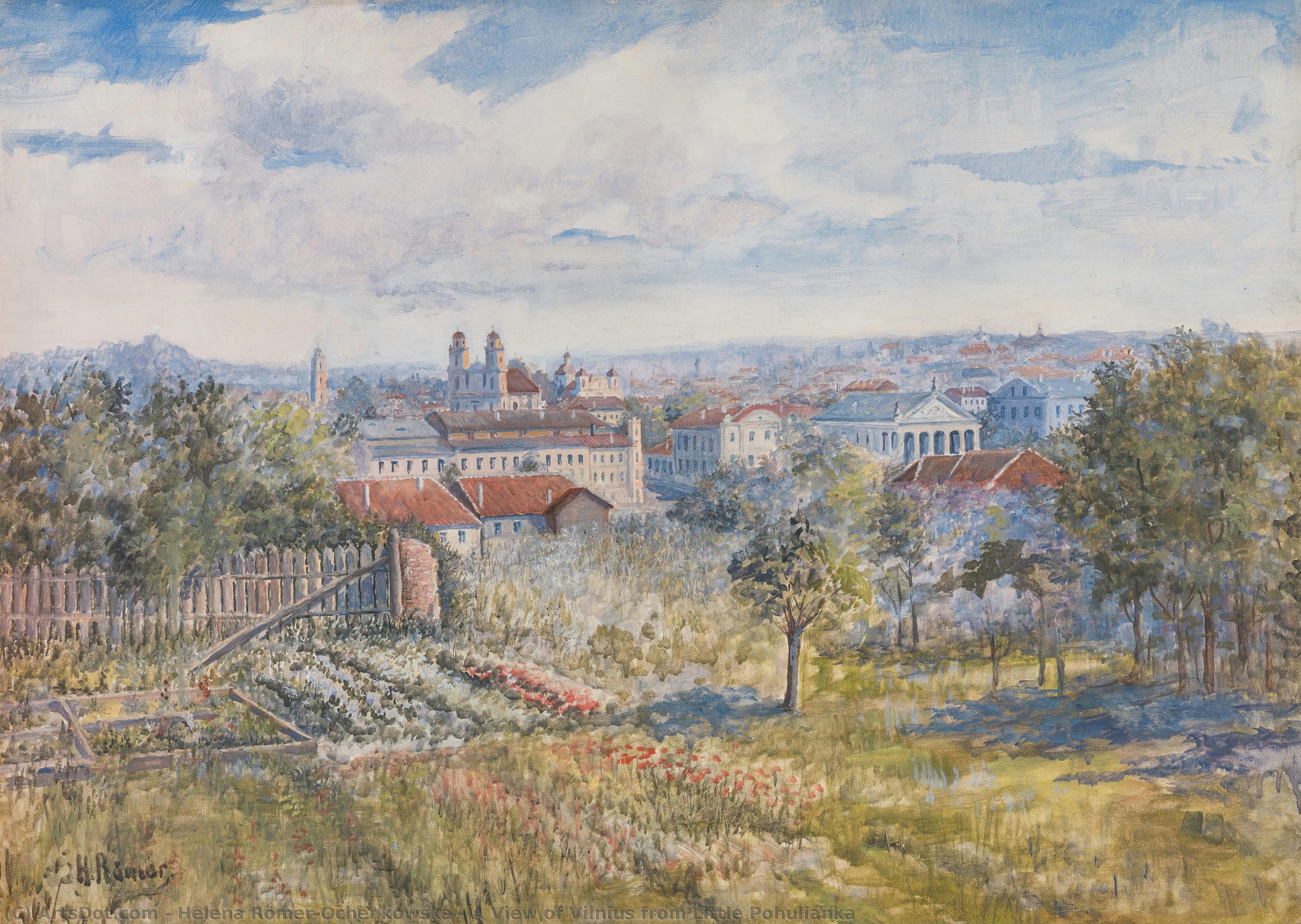
A View of Vilnius from Little Pohulianka
 Watercolor
- WallArt
- Realism
 1900
1900- 19th Century
 50.0 x 69.0 cm
 Lithuanian Art Centre TARTLE
 Read More
Giclée / Art Print
Museum-quality giclée or canvas print with fast production and flexible finish options. ( Buy Hand Made Painting Buy Image)




P118B $10

P118H $10

P118W $10

P438Z $10

P508JH $12

P508YH $12

P805H $10

P805Z $10

P919BZ $10

P919G $10

P919XJ $10

P959ZH $10

P968JZ $12

W106C $8

W218G $10

W218JH $8

W218Y $10

W307PJ $10

W316G $10

W316PJ $8

W316Y $10

W398PJ $8

W4111J $10

W500HY $15

W500JH $15

W692G $12

W849H $8

W940BG $15

W953PJ $8




Pick from our preset sizes that match the artwork's original proportions.

You may enter your own dimensions to fit a specific frame or space. If your selected size does not match the original image's proportions, we will either crop the artwork or extend the image with a mirrored or solid-fill edge. A digital mockup will be sent for your approval before production begins.
Please note that the on-screen preview does not reflect the actual cropping or extension. Only the mockup will accurately show the final composition.
While custom sizes are available, we recommend selecting a dimension from the predefined list to preserve the original proportions.
Worldwide Delivery () in 2 weeks instead of standard 4/5 weeks. (1 September)

Free Worldwide Express Shipping

High-Quality Linen Canvas

Full Shipping Insurance

Customs Tax Refund Guarantee

True Color Matching Guarantee

60-Day Return Policy (Defects Only)

100% Money-Back Guarantee

Bulk Discount Offer
 Glass option is only available in size under 110 CM

A View of Vilnius from Little Pohulianka
Giclée / Art Print
Reproduction Size
-


Total Price
$ 63
A Window into a Lost Vilnius
In the delicate, translucent layers of Helena Römer-Ochenkowska’s "A View of Vilnius from Little Pohulianka," we are invited to step through a temporal portal into the year 1900. This exquisite watercolor serves as more than just a landscape; it is a nostalgic embrace of a city caught in a moment of pastoral serenity before the tumultuous shifts of the twentieth century. The scene, captured from the vantage point of Kalinausko Street—once known as Little Pohulianka—reveals a Vilnius that feels intimately connected to the earth. Through her masterful use of watercolor, Römer-Ochenkowska captures the lush, verdant character of the city's outskirts, where the boundaries between urban architecture and sprawling nature blur into a harmonious, idyllic dreamscape.
The composition guides the eye through a meticulously detailed foreground, where the rhythmic patterns of vegetable gardens and the vibrant greenery of the Calvinist College grounds take center stage. The artist’s technique is particularly striking in her treatment of foliage; she paints with an evident affection for the organic textures of the landscape, using soft washes and precise strokes to bring the colorful plots and leafy canopies to life. To the right, the warm, earthy tones of a red tile roof provide a structural anchor, while the distant silhouette of the Church of St. Catherine rises against the horizon, acting as a silent sentinel over the sprawling valley. The presence of small, wandering figures adds a sense of human scale and quiet vitality, suggesting a world where life moves at the gentle pace of the seasons.
Artistic Mastery and Historical Resonance
As an artist, Römer-Ochenkowska possessed a unique ability to blend the topographical accuracy of a documentarian with the soul of a poet. Her training in Munich and her deep roots in the Vilnius art community allowed her to approach her subject with both technical rigor and emotional depth. In this piece, the watercolor medium is utilized to its fullest potential, allowing for a luminous quality that mimics the soft, diffused light of a Baltic afternoon. The interplay between the structured elements—the fences, the benches, and the distant church towers—and the untamed beauty of the gardens creates a tension between civilization and nature that is both peaceful and profound.
For the discerning collector or interior designer, this reproduction offers much more than mere decoration; it provides an atmospheric centerpiece capable of evoking tranquility and historical grandeur. The painting’s palette, dominated by verdant greens, soft sky blues, and warm terracotta, makes it a versatile addition to any sophisticated space, particularly those seeking to introduce a sense of classical elegance or a connection to European heritage. Owning this work is an opportunity to preserve a fragment of a vanished world, bringing the quiet, sun-drenched beauty of turn-of-the-century Vilnius into the modern home.
Related Artworks
Artist Biography
Helena Römer-Ochenkowska: Life and Legacy
Early Life and Education
Helena Römer-Ochenkowska (born August 2, 1875 – died March 26, 1947) was a prominent Polish writer, playwright, journalist, and social activist. She was born in Vilnius, Poland, to Alfred Izydor Römer, a painter, and Wanda Sulistrowska, an aristocrat. Her lineage included Michał Józef Römer, a notable politician. She received her early education at a private girls' school in Kraków before dedicating herself to educating villagers on her family estate in Karolinów from 1897.
Furthering her academic pursuits, she studied at the École des hautes sciences sociales in Paris, where she completed a thesis titled “Immigration allemande en russie et en polgone.”
Literary Career and Journalism
Römer-Ochenkowska debuted as an author in 1904 with Karylla, czyli miłość patriotyczna. She quickly established herself as a regular contributor to literary journals, publishing reviews and columns. A period spent living in Paris and Belgium saw her writing for the prestigious Kurier Warszawski.
Her most celebrated works include short story collections such as Książka o nich (1922), Swoi ludzie (1922), and Tutejsi (1931). These writings are particularly noted for their insightful portrayals of local life, history, and the diverse communities within the Vilnius region.
Social Activism and Educational Initiatives
Beyond her literary contributions, Römer-Ochenkowska was deeply committed to social activism. During World War I, she founded four schools in the Vilnius area, demonstrating her dedication to expanding access to education. She continued lecturing in Vilnius after the war.
She actively participated in the editorial teams of various Vilnius publications, including Kurier Wileński, and championed cultural projects and educational activities. A key focus was supporting amateur theatre, for which she wrote numerous plays, believing it could foster integration among the region’s diverse cultures.
Artistic Development and Influences
While not a visual artist herself, Römer-Ochenkowska's work reflects an artistic sensibility shaped by her father’s profession as a painter. Her writing style is characterized by vivid descriptions and keen observations of the social landscape. Her influences are less documented in terms of specific artists but clearly stem from a deep engagement with Polish Romanticism and Realism, adapted to portray the unique context of Vilnius.
Major Achievements and Recognition
- Published several acclaimed short story collections focusing on regional life.
- Founded schools during WWI, expanding educational opportunities.
- Actively promoted amateur theatre as a tool for cultural integration.
- Served on the editorial boards of prominent Vilnius newspapers.
In 1929, Römer-Ochenkowska was honored with the Officer's Cross of the Order of Polonia Restituta, recognizing her significant contributions to Polish culture and society.
Historical Significance
Helena Römer-Ochenkowska is remembered as a vital voice in early 20th-century Poland. Her writings provide invaluable insights into the social, cultural, and political dynamics of Vilnius during a period of significant change. She became known as an authority on the region, documenting its complexities and advocating for its diverse communities. Her legacy continues to resonate with those interested in Polish literature, regional history, and the power of art to promote understanding and integration.
She spent World War II in Vilnius before moving to Toruń, where she passed away on March 26, 1947.
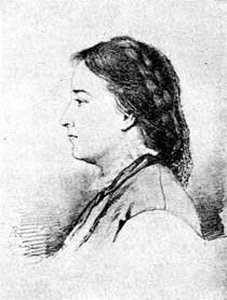
helena römer-ochenkowska
1875 - 1947 , Poland
Quick Facts
- Birth Date: 1875-08-02
- Birth Place: Vilnius, Poland
- Death Date: 1947-03-26
- Movement: Regional Literature
- Name: Helena Römer-Ochenkowska
- Nationality: Polish
- Notable Works: Karylla, Książka o nich, Swoi ludzie, Tutejsi
Related Articles

Watercolor Wonders: 10 Masterpieces That Redefined Art History | ArtsDot
Journey through 10 legendary watercolor masterpieces by Sargent, Turner & Homer! Explore iconic landscapes, portraits & floral art that redefined history. Find museum-quality reproductions and curated decor ideas at ArtsDot.com.

Ephemeral Visions: Exploring the Artistic Legacy & Contemporary Practice of Watercolor Painting
Explore the captivating world of watercolor painting! Discover its rich history, essential techniques, influential artists & collecting tips. A comprehensive guide for art enthusiasts from ArtsDot.

Verdant Visions: Exploring the Symbolism & Aesthetic Impact of Green in Art History
Explore the rich history & symbolism of green in art! Discover iconic paintings, techniques, and how to bring verdant harmony into your home with ArtsDot's expert guide.

Ephemeral Visions: Exploring the History & Emotional Resonance of Watercolor Painting
Explore the captivating history of watercolor painting, from ancient techniques to modern masters like Kandinsky & Blake. Discover essential artists, collecting tips & the emotional power of this luminous medium. Expert insights for art enthusiasts.

Ephemeral Visions: Exploring the Artistic Legacy & Nuances of Watercolor Painting
Explore the captivating world of watercolor painting! Discover its rich history, essential techniques, influential artists & collecting tips from art experts. A comprehensive guide for enthusiasts.