 Preview
 Send
Send Share
Share
 Details

 Download
 Similars
 X-Ray
X-Ray Diaporama
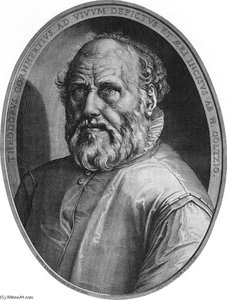
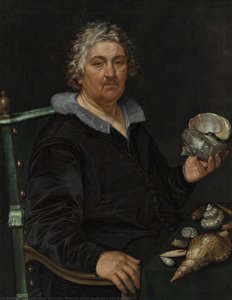
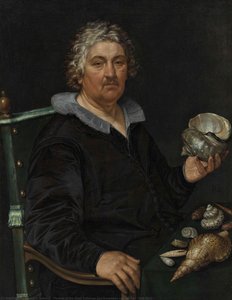
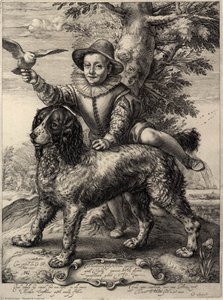
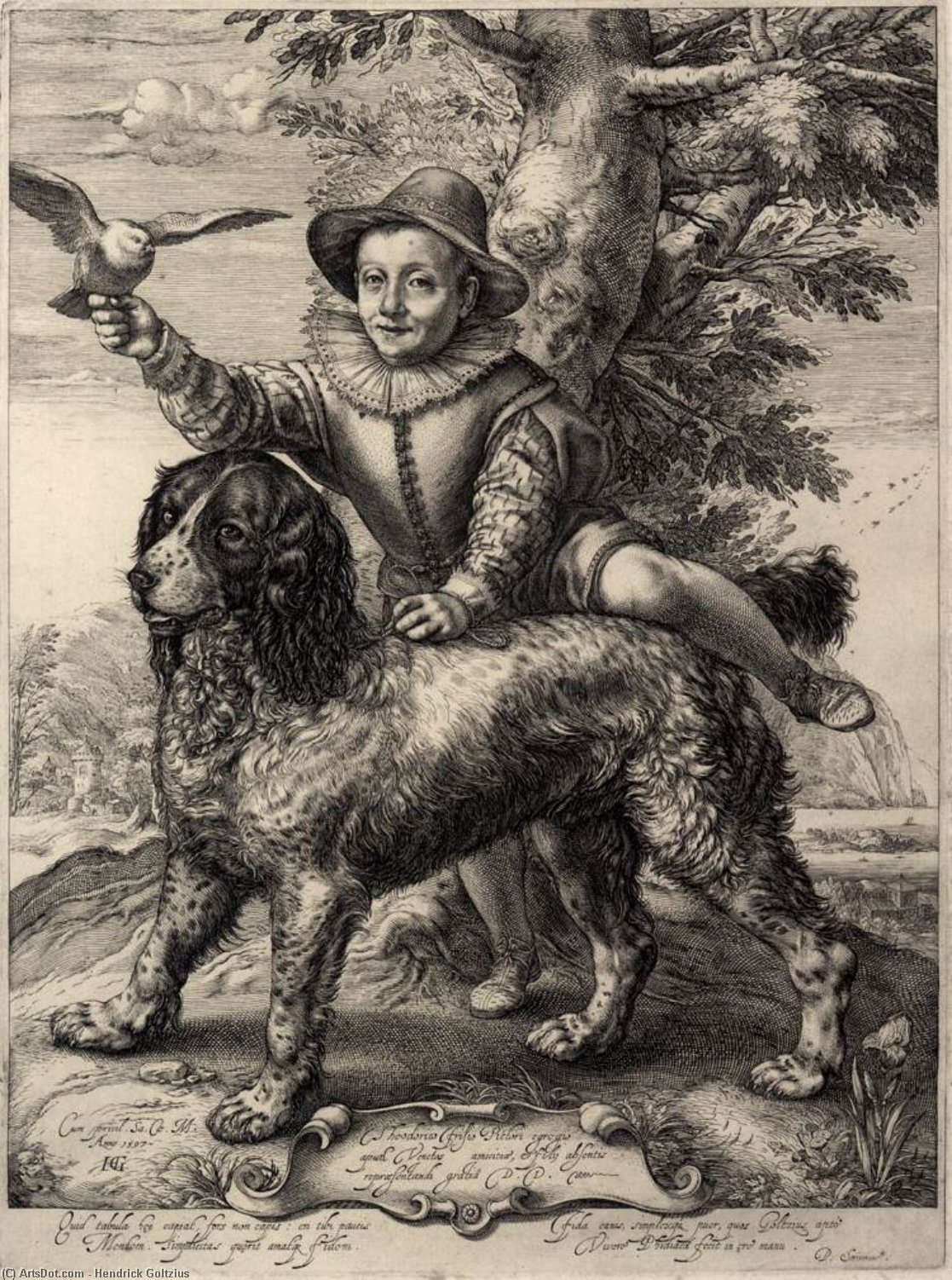
Portrait of Frederick de Vries
 Engraving
- Northern Mannerism
 1597
1597- Early Modern
 360.0 x 266.0 cm
 Rijksmuseum
 Read More
Hand Made Oil Reproduction
Hand-painted oil on canvas in your size and frame, made to order by our artists. ( Buy Print Buy Image)




P118B $10

P118H $10

P118W $10

P438Z $10

P508JH $12

P508YH $12

P805H $10

P805Z $10

P919BZ $10

P919G $10

P919XJ $10

P959ZH $10

P968JZ $12

W106C $8

W218G $10

W218JH $8

W218Y $10

W307PJ $10

W316G $10

W316PJ $8

W316Y $10

W398PJ $8

W4111J $10

W500HY $15

W500JH $15

W692G $12

W849H $8

W940BG $15

W953PJ $8




Pick from our preset sizes that match the artwork's original proportions.

You may enter your own dimensions to fit a specific frame or space. If your selected size does not match the original image's proportions, we will either crop the artwork or extend the painting with additional hand-painted elements. A digital mockup will be sent for your approval before production begins.
Please note that the on-screen preview does not reflect the actual cropping or extension. Only the mockup will accurately show the final composition.
While custom sizes are available, we recommend selecting a dimension from the predefined list to preserve the original proportions.
After order, ArtsDot.com team will email client for instructions and provide a mockup preview
Worldwide Delivery () in 3/4 weeks instead of standard 5 weeks. (25 August). No compromise on quality.

Free Worldwide Express Shipping

High-Quality Linen Canvas

Full Shipping Insurance

Customs Tax Refund Guarantee

True Color Matching Guarantee

60-Day Return Policy (Defects Only)

100% Money-Back Guarantee

Bulk Discount Offer
 Glass option is only available in size under 110 CM

Portrait of Frederick de Vries
Reproduction Medium
Reproduction Size
-


Total Price
$ 263
Artwork Description
A Serene Study in Companionship: Portrait of Frederick de Vries
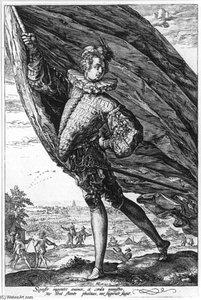
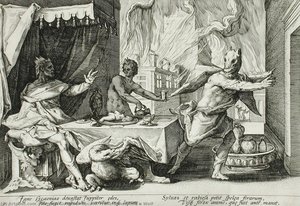
To gaze upon this exquisite engraving is to step into a moment suspended in time—a tableau vivant of quiet grace and profound connection. The Portrait of Frederick de Vries, dating from 1597, transcends a mere likeness; it captures the very essence of companionship between youth and beast. At its heart sits a young boy, richly attired in garments suggesting the refined tastes of the late Renaissance period. He is seated with an air of natural ease upon a magnificent, shaggy dog whose calm presence anchors the entire composition. The meticulous detail afforded by the engraving technique allows one to almost feel the texture of the dog's coat and the soft folds of the boy’s doublet, inviting the viewer into this pastoral dreamscape.
Symbolism Woven into the Scene
The symbolism within this print is as rich as its visual detail. The dove or pigeon held delicately in the boy's left hand is a universal emblem of peace, purity, and the Holy Spirit, lending an almost allegorical weight to the scene’s tranquility. This gesture, combined with the gentle placement of his right hand upon the dog’s back, speaks volumes about the bond between man and nature, or perhaps more intimately, the bond between soul and loyal companion. The large dog itself is not merely a pet; it acts as a steadfast foundation, embodying unwavering loyalty and grounding the boy in a sense of secure belonging. Flanking this intimate grouping are the lush trees and foliage in the background, suggesting that this peaceful moment unfolds within the embrace of nature’s enduring calm.
Mastery of Engraving Technique
The technical brilliance displayed by Hendrik Goltzius is immediately apparent. As a leading Dutch engraver of the early Baroque period, Goltzius possessed an "exuberance" in his compositions that was matched only by his sophisticated draughtsmanship. This black and white engraving showcases his ability to render depth, texture, and emotion using only line work. The contrast between the deep shadows suggested beneath the dog and the bright highlights catching the boy's clothing is masterful. It is a testament to Goltzius’s skill that he could imbue such a detailed print with such palpable life, making the viewer feel the weight of the dog and the lightness of the bird.
A Timeless Aesthetic for Modern Spaces
For the discerning collector or interior designer, this piece offers more than just historical artistry; it provides an emotional anchor. Its serene quality makes it a breathtaking focal point, capable of elevating any room—be it a formal drawing-room or a sunlit study. Reproducing such a work allows one to bring home not just an image, but the quiet contemplation that defined its original setting. It speaks to enduring values: peace, loyalty, and the simple beauty found in shared moments under the open sky.
Related Artworks
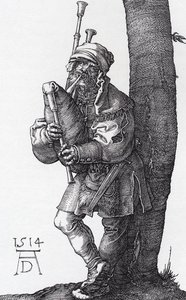
Artist Biography
early life and training
hendrick goltzius, a german-born dutch printmaker, draftsman, and painter, was born in january or february 1558. he was the leading dutch engraver of the early baroque period, or northern mannerism, lauded for his sophisticated technique and "exuberance" of his compositions. according to a. hyatt mayor, goltzius "was the last professional engraver who drew with the authority of a good painter and the last who invented many pictures for others to copy". goltzius's family moved to duisburg when he was 3 years old, and after studying painting on glass under his father, he learned engraving from the dutch polymath dirck volckertszoon coornhert.artistic career
in 1577, goltzius moved with coornhert to haarlem in the dutch republic, where he remained based for the rest of his life. he was also employed by philip galle to engrave a set of prints of the history of lucretia. goltzius had a malformed right hand from a fire when he was a baby, which turned out to be especially well-suited to holding the burin. this unique physical characteristic allowed him to master a commanding swing of line, making his engravings highly distinctive. hendrick goltzius brought to an unprecedented level the use of the "swelling line", where the burin is manipulated to make lines thicker or thinner to create a tonal effect from a distance.technique and style
goltzius was a pioneer of the "dot and lozenge" technique, where dots are placed in the middle of lozenge-shaped spaces created by cross-hatching to further refine tonal shading. his command of the burin is said to rival dürer, and he made engravings of bartholomeus spranger's paintings, thus increasing the fame of the latter – and his own. goltzius began painting at the age of forty-two; some of his paintings can be found in vienna. he also executed a few chiaroscuro woodcuts.public collections and legacy
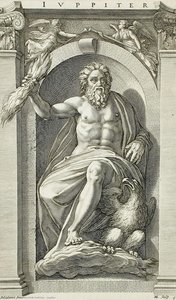
most major print rooms will have a group of goltzius's many engravings, including the museum boijmans van beuningen, rijksmuseum amsterdam, and the metropolitan museum of art. his legacy can be seen in the works of other artists, such as jacques bellange, who was also a master of northern mannerist printmaking. goltzius's engravings and paintings continue to inspire art lovers and scholars alike, and his work can be found on ArtsDot.com and in the wikipedia article dedicated to his life and work.- some of goltzius's notable works include: jupiter, minerva, and the prophet baruch
- museums with his work: los angeles county museum of art, philadelphia museum of art, and british museum
- techniques used by goltzius: "swelling line" and "dot and lozenge" technique
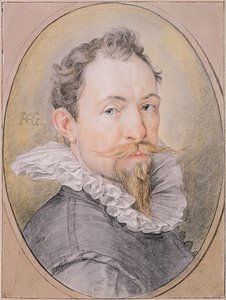
hendrik goltzius
1558 - 1617 , Italy
Quick Facts
- Artistic Movement Or Style: Northern Mannerism & Baroque engraving
- Artists Or Movements Influenced By This Artist: ['Jacques Bellange']
- Artists Who Influenced This Artist:
- Dirck Volckertszoon Coornhert
- Bartholomeus Spranger
- Date Of Birth: January or February 1558
- Full Name: Hendrick Goltzius
- Nationality: Dutch
- Notable Artworks:
- The Adoration of the Shepherds
- Arcadian Landscape
- Head of a Siren
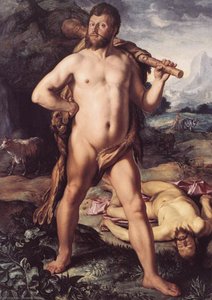
- Hercules Killing Cacus
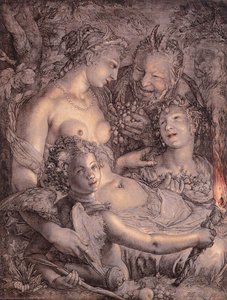
- Demogorgon and the Deities
- Apollo Belvedere
- The Last Supper
- Vries, Frederik de (died 1613)
- Place Of Birth: Braunschweig, Italy
Related Articles
Engraving: A Historical Survey of Technique, Artistic Expression & Enduring Legacy
Explore the rich history of engraving with ArtsDot. Discover techniques, iconic artists like Dürer & Callot, collecting tips, and expert guidance for preserving your art investment. Learn about intaglio printing & more!
Engraving's Golden Age: 10 Masterpieces That Redefined Art | ArtsDot
Journey through art history with our Top 10 Legendary Engravings! Explore masterpieces by Dürer, Rembrandt & Goya. Discover the stories behind these iconic prints and find museum-quality reproductions for your home at ArtsDot.com.

Giclée Prints: Archival Quality & Aesthetic Nuances for the Discerning Collector
Explore the world of giclée prints with ArtsDot. Learn about archival quality, aesthetic nuances & investment potential. Expert guidance for discerning art collectors seeking museum-quality reproductions and lasting value.
The Intricate World of Engraving: A Historical Survey of Technique, Artistic Expression & Enduring Legacy
Explore the rich history of engraving with ArtsDot. Discover techniques, iconic artists like Dürer & Callot, collecting tips, and expert guidance for preserving your art investment. Learn about intaglio printing & more!
Hendrick Goltzius: Master Engraver & the Flourishing of Dutch Mannerism
Explore the life & art of Hendrick Goltzius, a master engraver of Dutch Mannerism. Discover his innovative techniques, iconic engravings like 'Jahel', and lasting influence on Baroque art. Learn about collecting Goltzius today.