 Preview
 Send
Send Share
Share
 Details

 Download
 Similars
 X-Ray
X-Ray Diaporama
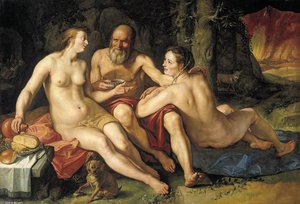
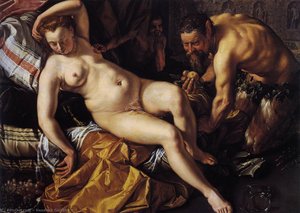
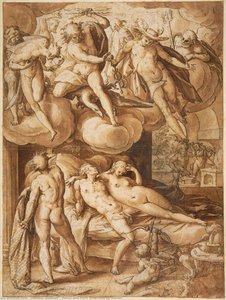
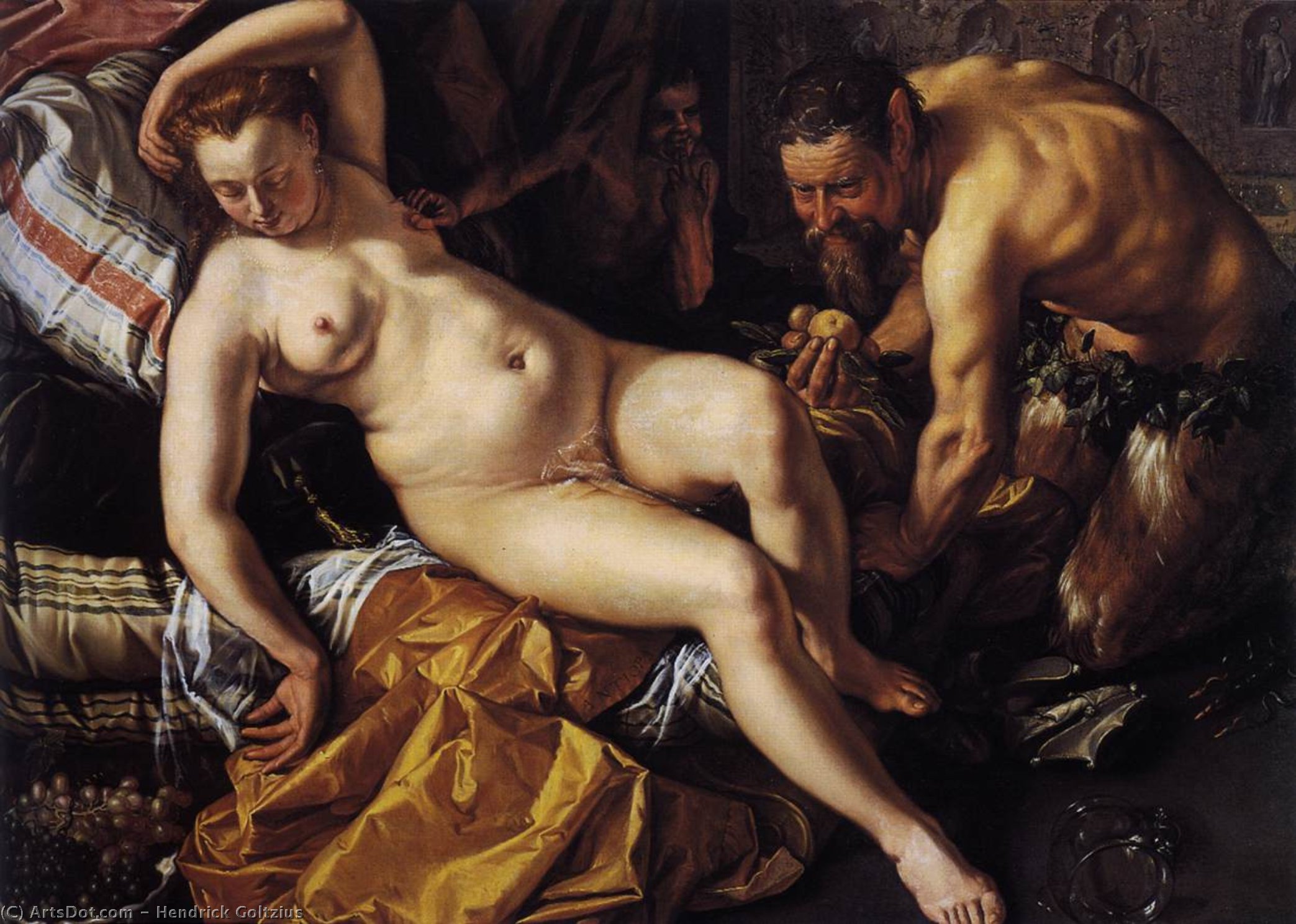
Jupiter and Antiope
 Acrylic On Canvas
- WallArt
- Baroque
 1612
1612 122.0 x 178.0 cm
 Frans Halsmuseum
 Read More
Hand Made Oil Reproduction
Hand-painted oil on canvas in your size and frame, made to order by our artists. ( Buy Print Buy Image)




P118B $10

P118H $10

P118W $10

P438Z $10

P508JH $12

P508YH $12

P805H $10

P805Z $10

P919BZ $10

P919G $10

P919XJ $10

P959ZH $10

P968JZ $12

W106C $8

W218G $10

W218JH $8

W218Y $10

W307PJ $10

W316G $10

W316PJ $8

W316Y $10

W398PJ $8

W4111J $10

W500HY $15

W500JH $15

W692G $12

W849H $8

W940BG $15

W953PJ $8




Pick from our preset sizes that match the artwork's original proportions.

You may enter your own dimensions to fit a specific frame or space. If your selected size does not match the original image's proportions, we will either crop the artwork or extend the painting with additional hand-painted elements. A digital mockup will be sent for your approval before production begins.
Please note that the on-screen preview does not reflect the actual cropping or extension. Only the mockup will accurately show the final composition.
While custom sizes are available, we recommend selecting a dimension from the predefined list to preserve the original proportions.
After order, ArtsDot.com team will email client for instructions and provide a mockup preview
Worldwide Delivery () in 3/4 weeks instead of standard 5 weeks. (17 August). No compromise on quality.

Free Worldwide Express Shipping

High-Quality Linen Canvas

Full Shipping Insurance

Customs Tax Refund Guarantee

True Color Matching Guarantee

60-Day Return Policy (Defects Only)

100% Money-Back Guarantee

Bulk Discount Offer
 Glass option is only available in size under 110 CM

Jupiter and Antiope
Reproduction Medium
Reproduction Size
-


Total Price
$ 263
Artwork Description
Jupiter and Antiope: A Baroque Masterpiece of Mythological Drama
Hendrik Goltzius’ “Jupiter and Antiope” (1612) stands as a testament to the artistic fervor of the early Baroque period in Haarlem, capturing a pivotal moment from Greek mythology with breathtaking precision and emotional depth. Commissioned by Wilhelm van Rosenbach, a wealthy merchant and patron of the arts, this monumental oil painting transcends mere depiction; it embodies the spirit of Mannerism—a stylistic movement characterized by elongated figures, stylized poses, and dramatic contrasts of light and shadow—resulting in an unforgettable visual experience.- Subject Matter: The artwork portrays Zeus (Jupiter) seducing Antiope, Queen of Thebes, who was unknowingly visited by Zeus disguised as a satyr. This narrative draws upon the classical myth concerning Zeus’s transgression against divine law and Antiope's subsequent punishment for her infidelity.
- Style & Technique: Goltzius employed his signature “swelling line” technique—a masterful manipulation of the burin to create lines that vary in thickness—to achieve unparalleled tonal shading and textural richness. The artist’s meticulous attention to detail is evident throughout the composition, from Antiope's delicately rendered drapery to Zeus’s imposing stance and the expressive gestures of the satyr.
- Historical Context: Painted during a time of religious upheaval following the Reformation, “Jupiter and Antiope” reflects the Baroque preoccupation with dramatic narratives and emotional intensity—themes prevalent in both literature and visual art. It aligns perfectly with the broader artistic trends of its era, demonstrating Goltzius’s commitment to exploring complex psychological states within classical mythological frameworks.
- Symbolism: The painting is laden with symbolic significance. Zeus represents divine authority and transgression, Antiope embodies innocence corrupted by desire, and the satyr symbolizes pagan temptation. The apple scattered across the scene serves as a reminder of discord and deceit—elements central to the myth’s moral lesson about upholding virtue amidst alluring distractions.
- Emotional Impact: “Jupiter and Antiope” evokes a palpable sense of drama and tension, capturing the moment of Zeus's clandestine encounter with Antiope. Goltzius skillfully conveys the psychological turmoil experienced by both figures—a masterful achievement that resonates powerfully with viewers centuries later.
A Legacy of Artistic Innovation
Goltzius’s groundbreaking approach to engraving—particularly his pioneering use of “dot and lozenge” technique—established him as a pioneer of Baroque printmaking, influencing generations of artists who followed. His ability to translate the grandeur of classical mythology into exquisitely rendered images cemented his reputation as one of the foremost masters of Mannerism and solidified his enduring legacy within the history of art. The painting’s meticulous detail and expressive dynamism continue to inspire admiration and discussion among scholars and collectors alike—a testament to Goltzius's unparalleled artistic vision.Exploring Reproduction Quality
A faithful reproduction of “Jupiter and Antiope” captures not only its visual splendor but also the essence of Goltzius’s artistic genius. When selecting a high-quality print, consider factors such as canvas texture, pigment vibrancy, and archival stability—elements crucial to preserving the artwork's original character for years to come. ArtsDot offers exceptional reproductions that faithfully recreate the painting's atmosphere and aesthetic impact—allowing you to experience Goltzius’s masterpiece in your own home.Further Research & Inspiration
For a deeper understanding of Goltzius’s artistic contributions, explore resources such as scholarly articles on Mannerism and Baroque printmaking, biographical accounts detailing his life and career, and comparative analyses examining “Jupiter and Antiope” alongside other masterpieces of its time. Let this iconic artwork serve as a catalyst for creative contemplation—inspiring you to appreciate the transformative power of art and its ability to convey profound emotional truths.Related Artworks
Artist Biography
early life and training
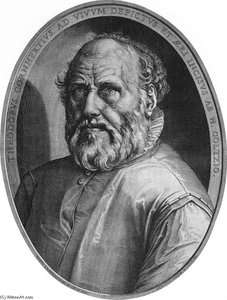
hendrick goltzius, a german-born dutch printmaker, draftsman, and painter, was born in january or february 1558. he was the leading dutch engraver of the early baroque period, or northern mannerism, lauded for his sophisticated technique and "exuberance" of his compositions. according to a. hyatt mayor, goltzius "was the last professional engraver who drew with the authority of a good painter and the last who invented many pictures for others to copy". goltzius's family moved to duisburg when he was 3 years old, and after studying painting on glass under his father, he learned engraving from the dutch polymath dirck volckertszoon coornhert.artistic career
in 1577, goltzius moved with coornhert to haarlem in the dutch republic, where he remained based for the rest of his life. he was also employed by philip galle to engrave a set of prints of the history of lucretia. goltzius had a malformed right hand from a fire when he was a baby, which turned out to be especially well-suited to holding the burin. this unique physical characteristic allowed him to master a commanding swing of line, making his engravings highly distinctive. hendrick goltzius brought to an unprecedented level the use of the "swelling line", where the burin is manipulated to make lines thicker or thinner to create a tonal effect from a distance.technique and style
goltzius was a pioneer of the "dot and lozenge" technique, where dots are placed in the middle of lozenge-shaped spaces created by cross-hatching to further refine tonal shading. his command of the burin is said to rival dürer, and he made engravings of bartholomeus spranger's paintings, thus increasing the fame of the latter – and his own. goltzius began painting at the age of forty-two; some of his paintings can be found in vienna. he also executed a few chiaroscuro woodcuts.public collections and legacy
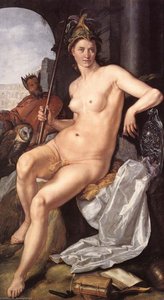
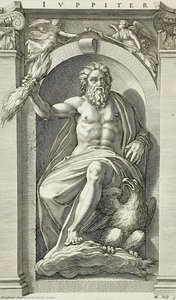
most major print rooms will have a group of goltzius's many engravings, including the museum boijmans van beuningen, rijksmuseum amsterdam, and the metropolitan museum of art. his legacy can be seen in the works of other artists, such as jacques bellange, who was also a master of northern mannerist printmaking. goltzius's engravings and paintings continue to inspire art lovers and scholars alike, and his work can be found on ArtsDot.com and in the wikipedia article dedicated to his life and work.- some of goltzius's notable works include: jupiter, minerva, and the prophet baruch
- museums with his work: los angeles county museum of art, philadelphia museum of art, and british museum
- techniques used by goltzius: "swelling line" and "dot and lozenge" technique
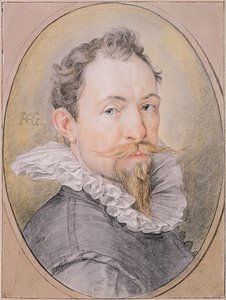
hendrik goltzius
1558 - 1617 , Italy
Quick Facts
- Artistic Movement Or Style: Northern Mannerism & Baroque engraving
- Artists Or Movements Influenced By This Artist: ['Jacques Bellange']
- Artists Who Influenced This Artist:
- Dirck Volckertszoon Coornhert
- Bartholomeus Spranger
- Date Of Birth: January or February 1558
- Full Name: Hendrick Goltzius
- Nationality: Dutch
- Notable Artworks:
- The Adoration of the Shepherds
- Arcadian Landscape
- Head of a Siren
- Hercules Killing Cacus
- Demogorgon and the Deities
- Apollo Belvedere
- The Last Supper
- Vries, Frederik de (died 1613)
- Place Of Birth: Braunschweig, Italy
Related Articles
Baroque Classicism: Reconciling Drama & Order in 17th-Century Art
Explore the captivating world of Baroque Classicism! Discover its history, key artists like Caravaggio & Rubens, and defining characteristics. Expert insights & high-quality reproductions at ArtsDot.
Echoes of Olympus: Mythological Narratives in Western Art Through the Ages
Explore the captivating history of mythological narratives in Western art! From ancient Greece to modern masterpieces, discover iconic artworks & symbolism. Expert analysis and high-quality reproductions at ArtsDot.

Baroque Drama: Bringing Opulence & Emotion into Contemporary Interiors
Explore the opulent world of Baroque interior design! Discover key elements, modern applications & how to bring dramatic elegance into your home with 's authentic reproductions.
Guido Reni: A Study in Baroque Classicism & Artistic Perfection
Explore the life & work of Guido Reni, a master of Baroque classicism. Discover his iconic religious & mythological paintings, and understand his enduring influence on art history. Expert analysis for collectors.
Decoding Baroque Grandeur: A Guide to the Drama and Emotion of 17th-Century Art
Explore the breathtaking drama of 17th-century Baroque art. Our expert guide decodes the use of chiaroscuro, emotional intensity, and historical grandeur to help you appreciate and curate timeless masterpieces for your collection.