 Preview
 Send
Send Share
Share
 Details

 Download
 Similars
 X-Ray
X-Ray Diaporama
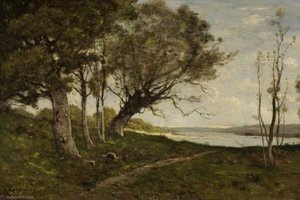
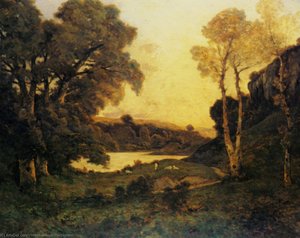
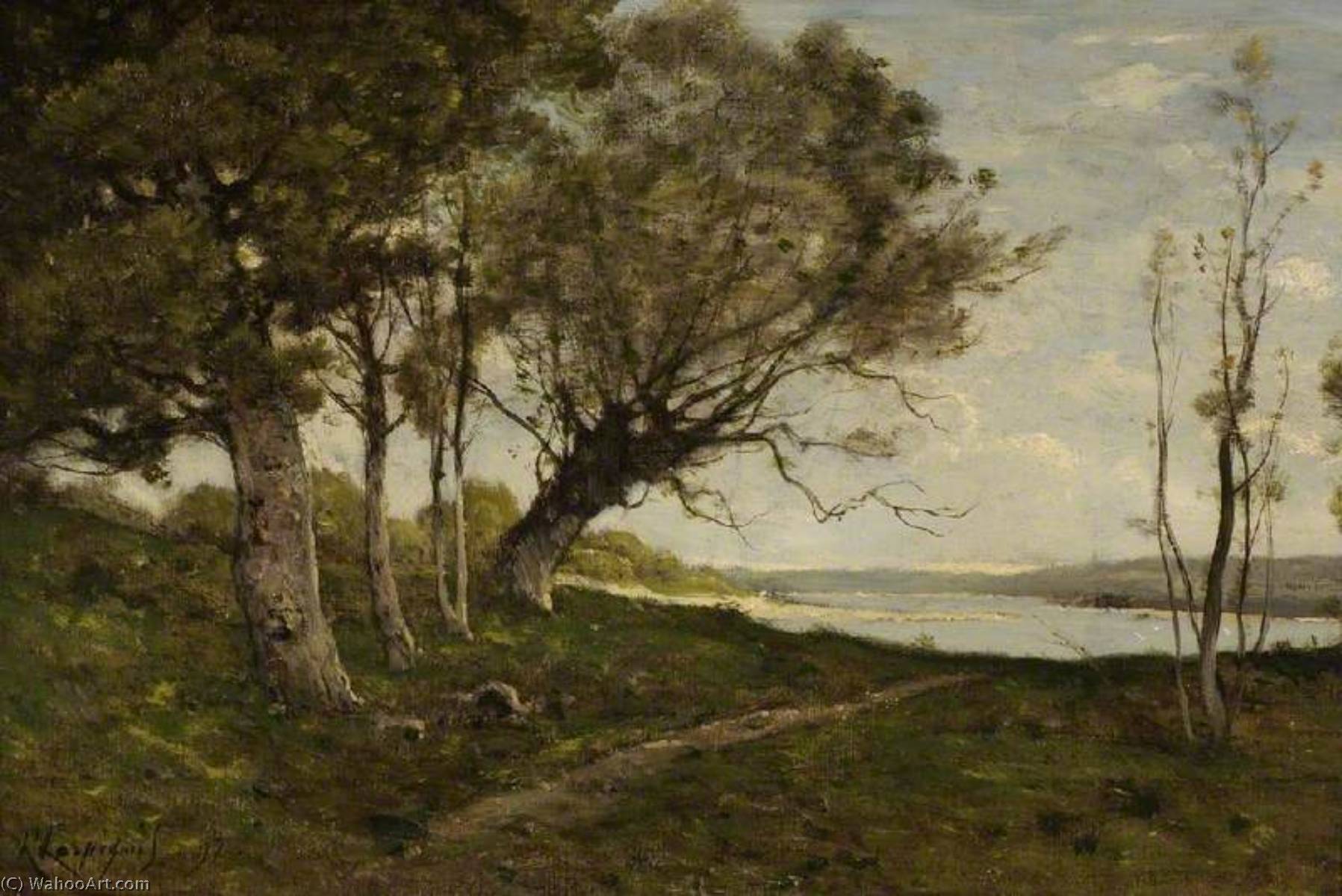
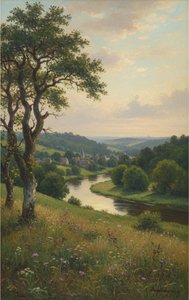
The Lake
 Acrylic On Canvas
- WallArt
- Barbizon School
 1897
1897- 19th Century
 27.0 x 41.0 cm
 Fitzwilliam College
 Read More
Hand Made Oil Reproduction
Hand-painted oil on canvas in your size and frame, made to order by our artists. ( Buy Print Buy Image)




P118B $10

P118H $10

P118W $10

P438Z $10

P508JH $12

P508YH $12

P805H $10

P805Z $10

P919BZ $10

P919G $10

P919XJ $10

P959ZH $10

P968JZ $12

W106C $8

W218G $10

W218JH $8

W218Y $10

W307PJ $10

W316G $10

W316PJ $8

W316Y $10

W398PJ $8

W4111J $10

W500HY $15

W500JH $15

W692G $12

W849H $8

W940BG $15

W953PJ $8




Pick from our preset sizes that match the artwork's original proportions.

You may enter your own dimensions to fit a specific frame or space. If your selected size does not match the original image's proportions, we will either crop the artwork or extend the painting with additional hand-painted elements. A digital mockup will be sent for your approval before production begins.
Please note that the on-screen preview does not reflect the actual cropping or extension. Only the mockup will accurately show the final composition.
While custom sizes are available, we recommend selecting a dimension from the predefined list to preserve the original proportions.
After order, ArtsDot.com team will email client for instructions and provide a mockup preview
Worldwide Delivery () in 3/4 weeks instead of standard 5 weeks. (16 August). No compromise on quality.

Free Worldwide Express Shipping

High-Quality Linen Canvas

Full Shipping Insurance

Customs Tax Refund Guarantee

True Color Matching Guarantee

60-Day Return Policy (Defects Only)

100% Money-Back Guarantee

Bulk Discount Offer
 Glass option is only available in size under 110 CM

The Lake
Reproduction Medium
Reproduction Size
-


Total Price
$ 263
Artwork Description
A Moment Frozen in Time: The Essence of the Barbizon School
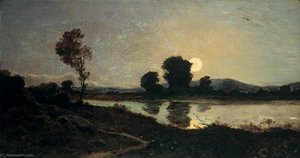
Henri-Joseph Harpignies’ “The Lake,” painted in 1897, isn't merely a landscape; it’s an immersion into a profound sense of serenity. This evocative work, rendered with the meticulous detail characteristic of the Barbizon School, captures a fleeting moment on the shores of a still lake nestled within a dense, verdant forest. The scene unfolds beneath a diffuse, almost ethereal light – not the harsh glare of midday, but rather the soft, pearlescent glow that suggests twilight or early morning. This subtle illumination is key to the painting’s power; it washes over the trees and water with an otherworldly quality, creating an atmosphere of quiet contemplation.
The Barbizon School, a movement that emerged in the mid-19th century, represented a deliberate rebellion against the rigid academic traditions of the Salon. Rejecting idealized forms and theatrical compositions, these artists sought to capture the essence of nature as they experienced it – directly from life, often painting outdoors (en plein air). Harpignies’ work exemplifies this philosophy; he eschews dramatic perspective or elaborate ornamentation, instead focusing on the subtle nuances of light, color, and texture. The trees themselves are not sharply defined but rather suggested through a layering of greens and browns, conveying their mass and volume with remarkable sensitivity.
The Language of Light and Color: Harpignies’ Technique
Harpignies' mastery lies in his ability to translate the ephemeral qualities of light onto canvas. He employs a broken brushstroke technique – short, distinct marks that build up layers of color rather than blending them seamlessly. This creates a shimmering effect, particularly noticeable on the surface of the lake, where reflections dance and ripple with an almost palpable energy. The palette is restrained yet rich, dominated by muted greens, browns, and blues, punctuated by flashes of golden light filtering through the trees. Notice how he uses variations in tone – from deep shadows to vibrant highlights – to create a sense of depth and volume, drawing the viewer into the heart of the scene.
The artist’s attention to detail is equally impressive. The delicate branches of the trees, the subtle ripples on the water's surface, and even the suggestion of birds in flight are rendered with remarkable precision. Yet, despite this meticulousness, the painting never feels cluttered or overly detailed; rather, it exudes a sense of effortless grace and spontaneity – as if Harpignies captured a fleeting moment of beauty without hesitation.
Symbolism and Emotional Resonance: A Sanctuary of Peace
“The Lake” transcends a simple depiction of a landscape. It’s imbued with a powerful sense of tranquility and solitude, inviting the viewer to step into its serene embrace. The lake itself can be interpreted as a symbol of reflection – a mirror reflecting not only the surrounding environment but also the inner state of the observer. The dense forest provides a sense of enclosure and protection, suggesting a retreat from the complexities of modern life.
Furthermore, the painting’s muted color palette and soft light evoke feelings of nostalgia and longing – a yearning for simpler times and a connection with nature. It's a scene that speaks to our innate desire for peace and quiet, reminding us of the restorative power of the natural world. The inclusion of birds adds a touch of life and movement, hinting at the beauty and vitality that still exist within this secluded sanctuary.
Bringing “The Lake” Home: A Reproduction Worth Cherishing
ArtsDot offers exquisite hand-painted reproductions of Harpignies’ "The Lake," meticulously crafted to capture the essence of the original masterpiece. Each reproduction is created by skilled artists using archival-quality materials, ensuring that it will retain its beauty and vibrancy for generations to come. Whether you're seeking a stunning addition to your living room, bedroom, or office, this painting will undoubtedly bring a sense of tranquility and inspiration into your space.
Related Artworks
Artist Biography
Henri-Joseph Harpignies: A Life in Landscape
Early Life and Training
Born on June 28, 1819, in Valenciennes, France, Henri-Joseph Harpignies initially faced parental expectations to pursue a business career. However, his passion for art proved too strong to ignore. Of Belgian origin, his family’s initial plans were set aside as he dedicated himself to becoming an artist. At the age of twenty-seven, he formally began his artistic training in Paris, entering the atelier of Jean Achard. This foundational period focused on developing solid draughtsmanship skills – a crucial element that would remain central to Harpignies’ work.
The Barbizon School and Italian Influence
After two years under Achard's tutelage, Harpignies embarked on a pivotal journey to Italy in 1848. This experience profoundly shaped his artistic vision. Upon his return in 1850, he became acquainted with the leading figures of the Barbizon School, including Jean-Baptiste-Camille Corot. The Barbizon painters’ emphasis on direct observation of nature and their realistic portrayal of rural life deeply resonated with Harpignies. In 1860, he further cemented his artistic connection with Corot through a collaborative trip back to Italy.
Artistic Development and Style
Harpignies’ style is characterized by its serene and idyllic depictions of the French countryside. He masterfully captured the subtle nuances of light and atmosphere, creating landscapes that evoke a sense of tranquility and harmony. His technique involved careful observation combined with a refined understanding of composition. While influenced by the Barbizon School's realism, Harpignies developed his own distinct voice, often incorporating a poetic sensibility into his work.
Notable Works
- Soir sur les bords de la Loire (Evening on the Banks of the Loire) – 1861: A quintessential example of his atmospheric landscapes, showcasing the beauty of the Loire Valley.
- Les corbeaux (The Ravens) – 1865: Demonstrates his skill in capturing mood and detail within a natural setting.
- Le soir (Evening) – 1866: A captivating portrayal of the quiet beauty of dusk.
- La loire (The Loire) – 1882: Another stunning depiction of the Loire River, highlighting his mastery of light and water.
- Vue de Saint-Privé (View of Saint-Privé) – 1883: A picturesque scene showcasing a charming French village.
Legacy and Influence
Harpignies’ artistic legacy extends beyond his own paintings. He was a dedicated teacher, imparting his knowledge and skills to numerous students, including Émile Appay (1876-1935) and James Wilson Morrice (1865-1924). His influence can be seen in the development of French landscape painting throughout the late 19th and early 20th centuries. He helped to solidify the Barbizon School’s impact on subsequent generations of artists.
Historical Significance
Henri-Joseph Harpignies occupies an important place in the history of French landscape painting. His work reflects a deep appreciation for nature and a commitment to capturing its beauty with honesty and sensitivity. He died in 1916, leaving behind a rich artistic legacy that continues to inspire and captivate audiences today. His paintings are held in prominent museum collections, including the Musée des Beaux-Arts Valence, ensuring his enduring recognition as a master of landscape art.
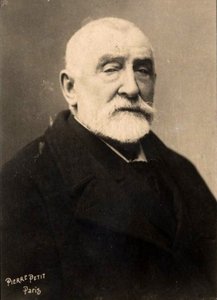
Henri-Joseph Harpignies
1819 - 1916 , France
Quick Facts
- Birth Date: June 28, 1819
- Birth Place: Valenciennes, France
- Death Date: 1916
- Influenced:
- Émile Appay
- James Wilson Morrice
- Influenced By: Jean-Baptiste-Camille Corot
- Movement: Barbizon School
- Name: Henri-Joseph Harpignies
- Nationality: French
- Notable Works:
- Soir sur les bords de la Loire
- Les corbeaux
- Le soir
- La loire
- Vue de Saint-Privé
Related Articles

Henri Matisse's Masterpieces: Explore 25 Iconic Paintings & Art Decor Ideas
Journey through Henri Matisse's 25 most iconic paintings! Explore Fauvism, vibrant colors & the stories behind masterpieces like 'The Dance'. Find museum-quality art reproductions and curated decor ideas to elevate your space. Discover all masterpieces on ArtsDot.com.
Henri-Joseph Harpignies: Capturing the Poetic Essence of the French Landscape
Explore the serene landscapes of Henri-Joseph Harpignies, a master of the Barbizon School. Discover his atmospheric paintings, recurring themes & enduring legacy in 19th-century French art. Learn more at ArtsDot.

Beyond the Horizon: 10 Landscape Masterpieces for Your Home Decor
Journey through 10 breathtaking landscape paintings by Monet, Van Gogh & more! Explore iconic artworks, artistic techniques & find inspiration for your home decor. Museum-quality reproductions at ArtsDot.com. Discover all masterpieces on ArtsDot.com

Romantic Landscapes: 10 Masterpieces for Your Home | ArtsDot
Journey through 10 Romantic landscape masterpieces by Friedrich, Turner & Cole. Explore emotional art, sublime nature scenes & iconic 19th-century paintings. Find museum-quality reproductions for your home at ArtsDot.com – discover the full collection online!

Evocations of Place: A Historical Journey Through Landscape Art
Explore the rich history of landscape art with ArtsDot. Discover renowned artists, movements like Impressionism & Romanticism, and expert guidance for collecting timeless pieces. Find your perfect serene escape today!