 Preview
 Send
Send Share
Share
 Details

 Download
 Similars
 X-Ray
X-Ray Diaporama
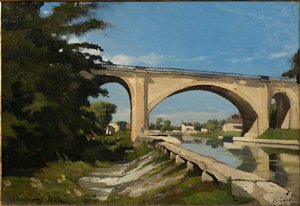
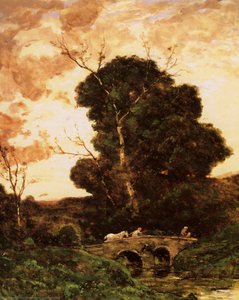
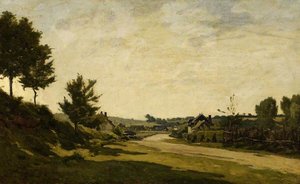
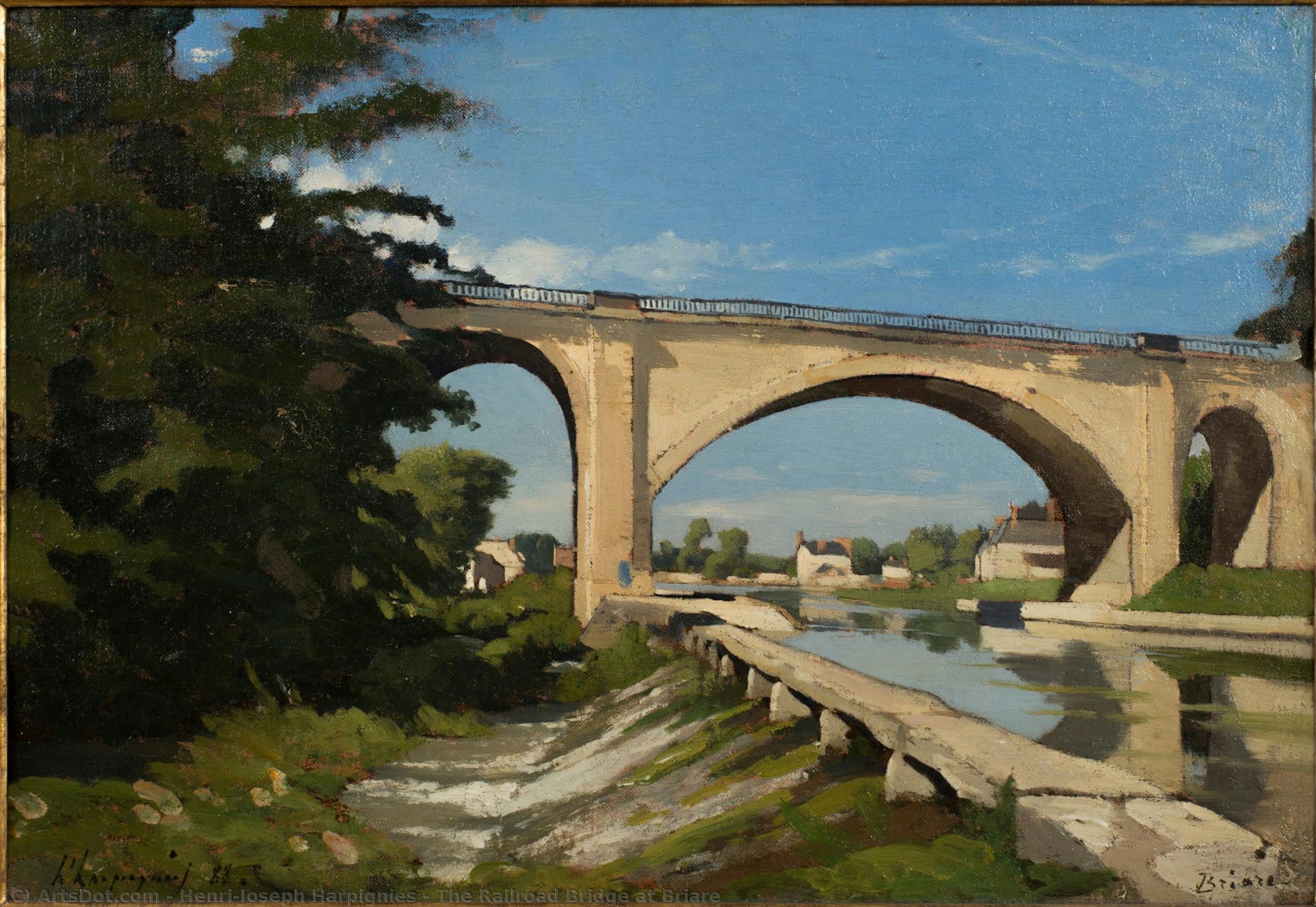
The Railroad Bridge at Briare


 Read More
Hand Made Oil Reproduction
Hand-painted oil on canvas in your size and frame, made to order by our artists. ( Buy Print Buy Image)




P118B $10

P118H $10

P118W $10

P438Z $10

P508JH $12

P508YH $12

P805H $10

P805Z $10

P919BZ $10

P919G $10

P919XJ $10

P959ZH $10

P968JZ $12

W106C $8

W218G $10

W218JH $8

W218Y $10

W307PJ $10

W316G $10

W316PJ $8

W316Y $10

W398PJ $8

W4111J $10

W500HY $15

W500JH $15

W692G $12

W849H $8

W940BG $15

W953PJ $8




Pick from our preset sizes that match the artwork's original proportions.

You may enter your own dimensions to fit a specific frame or space. If your selected size does not match the original image's proportions, we will either crop the artwork or extend the painting with additional hand-painted elements. A digital mockup will be sent for your approval before production begins.
Please note that the on-screen preview does not reflect the actual cropping or extension. Only the mockup will accurately show the final composition.
While custom sizes are available, we recommend selecting a dimension from the predefined list to preserve the original proportions.
After order, ArtsDot.com team will email client for instructions and provide a mockup preview
Worldwide Delivery () in 3/4 weeks instead of standard 5 weeks. (16 August). No compromise on quality.

Free Worldwide Express Shipping

High-Quality Linen Canvas

Full Shipping Insurance

Customs Tax Refund Guarantee

True Color Matching Guarantee

60-Day Return Policy (Defects Only)

100% Money-Back Guarantee

Bulk Discount Offer
 Glass option is only available in size under 110 CM

The Railroad Bridge at Briare
Reproduction Medium
Reproduction Size
-


Total Price
$ 263
Artwork Description
A Symphony of Steel and Serenity
In his evocative masterpiece, The Railroad Bridge at Briare, Henri-Joseph Harpignies invites the viewer into a world where the industrial pulse of the late 19th century harmonizes perfectly with the timeless rhythms of the natural landscape. Painted in 1888, this work captures a profound moment of transition, depicting a grand bridge spanning tranquil waters while a train glides beneath its massive structure. Far from portraying the locomotive as an intrusion, Harpignies treats the iron and steam with the same reverence he affords the surrounding foliage. The scene is populated by subtle traces of life—figures lingering near the water’s edge and a solitary dog resting to the right—all of which ground the monumental engineering in a sense of everyday peace. It is a painting that celebrates the coexistence of human progress and the enduring beauty of the earth.
The artist’s technique reflects his deep roots in the Barbizon School, utilizing a sophisticated mastery of light and atmosphere to breathe life into the canvas. Harpignies employs a delicate layering of tones to capture the soft, diffused light that filters through the dense canopy of trees, creating a sense of depth that pulls the observer into the heart of the French countryside. His brushwork is both precise and fluid, allowing the textures of the rugged bark, the shimmering water, and the heavy ironwork to feel tactile and real. This meticulous approach to landscape painting ensures that every element, from the distant horizon to the foreground shadows, contributes to a cohesive, immersive atmosphere of tranquility.
For the discerning collector or interior designer, this reproduction offers more than just a visual delight; it provides an emotional anchor for any space. The composition’s balance between the structured geometry of the bridge and the organic, flowing lines of nature makes it a versatile centerpiece. Whether placed in a sophisticated study, a contemporary living room, or a grand hallway, the painting evokes a sense of nostalgic calm and intellectual curiosity. It serves as a window into an era of romanticism and industrial wonder, making it an ideal choice for those looking to infuse their environment with a sense of history, elegance, and a profound connection to the natural world.
Related Artworks

Artist Biography
Henri-Joseph Harpignies: A Life in Landscape
Early Life and Training
Born on June 28, 1819, in Valenciennes, France, Henri-Joseph Harpignies initially faced parental expectations to pursue a business career. However, his passion for art proved too strong to ignore. Of Belgian origin, his family’s initial plans were set aside as he dedicated himself to becoming an artist. At the age of twenty-seven, he formally began his artistic training in Paris, entering the atelier of Jean Achard. This foundational period focused on developing solid draughtsmanship skills – a crucial element that would remain central to Harpignies’ work.
The Barbizon School and Italian Influence
After two years under Achard's tutelage, Harpignies embarked on a pivotal journey to Italy in 1848. This experience profoundly shaped his artistic vision. Upon his return in 1850, he became acquainted with the leading figures of the Barbizon School, including Jean-Baptiste-Camille Corot. The Barbizon painters’ emphasis on direct observation of nature and their realistic portrayal of rural life deeply resonated with Harpignies. In 1860, he further cemented his artistic connection with Corot through a collaborative trip back to Italy.
Artistic Development and Style
Harpignies’ style is characterized by its serene and idyllic depictions of the French countryside. He masterfully captured the subtle nuances of light and atmosphere, creating landscapes that evoke a sense of tranquility and harmony. His technique involved careful observation combined with a refined understanding of composition. While influenced by the Barbizon School's realism, Harpignies developed his own distinct voice, often incorporating a poetic sensibility into his work.
Notable Works
- Soir sur les bords de la Loire (Evening on the Banks of the Loire) – 1861: A quintessential example of his atmospheric landscapes, showcasing the beauty of the Loire Valley.
- Les corbeaux (The Ravens) – 1865: Demonstrates his skill in capturing mood and detail within a natural setting.
- Le soir (Evening) – 1866: A captivating portrayal of the quiet beauty of dusk.
- La loire (The Loire) – 1882: Another stunning depiction of the Loire River, highlighting his mastery of light and water.
- Vue de Saint-Privé (View of Saint-Privé) – 1883: A picturesque scene showcasing a charming French village.
Legacy and Influence
Harpignies’ artistic legacy extends beyond his own paintings. He was a dedicated teacher, imparting his knowledge and skills to numerous students, including Émile Appay (1876-1935) and James Wilson Morrice (1865-1924). His influence can be seen in the development of French landscape painting throughout the late 19th and early 20th centuries. He helped to solidify the Barbizon School’s impact on subsequent generations of artists.
Historical Significance
Henri-Joseph Harpignies occupies an important place in the history of French landscape painting. His work reflects a deep appreciation for nature and a commitment to capturing its beauty with honesty and sensitivity. He died in 1916, leaving behind a rich artistic legacy that continues to inspire and captivate audiences today. His paintings are held in prominent museum collections, including the Musée des Beaux-Arts Valence, ensuring his enduring recognition as a master of landscape art.
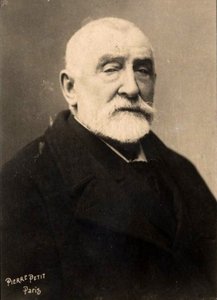
Henri-Joseph Harpignies
1819 - 1916 , France
Quick Facts
- Birth Date: June 28, 1819
- Birth Place: Valenciennes, France
- Death Date: 1916
- Influenced:
- Émile Appay
- James Wilson Morrice
- Influenced By: Jean-Baptiste-Camille Corot
- Movement: Barbizon School
- Name: Henri-Joseph Harpignies
- Nationality: French
- Notable Works:
- Soir sur les bords de la Loire
- Les corbeaux
- Le soir
- La loire
- Vue de Saint-Privé
Related Articles

Beyond the Horizon: 10 Landscape Masterpieces for Your Home Decor
Journey through 10 breathtaking landscape paintings by Monet, Van Gogh & more! Explore iconic artworks, artistic techniques & find inspiration for your home decor. Museum-quality reproductions at ArtsDot.com. Discover all masterpieces on ArtsDot.com

John Constable's Masterpieces: Explore 25 Iconic Landscapes for Your Home
Journey through John Constable's 25 most celebrated landscapes. Explore Romanticism, Dedham Vale & his masterful use of light in iconic paintings like 'Hay Wain'. Find museum-quality art reproductions and elevate your home decor on ArtsDot.com.
Evoking Nature's Sublime: A Comprehensive Exploration of 19th-Century Landscape Painting
Explore the captivating world of 19th-century landscape painting! Discover renowned artists like Friedrich & Monet, key movements, and find the perfect artwork to bring nature's serenity into your home. Expert insights at ArtsDot.

Romantic Landscapes: 10 Masterpieces for Your Home | ArtsDot
Journey through 10 Romantic landscape masterpieces by Friedrich, Turner & Cole. Explore emotional art, sublime nature scenes & iconic 19th-century paintings. Find museum-quality reproductions for your home at ArtsDot.com – discover the full collection online!

Evocations of Place: A Historical Journey Through Landscape Art
Explore the rich history of landscape art with ArtsDot. Discover renowned artists, movements like Impressionism & Romanticism, and expert guidance for collecting timeless pieces. Find your perfect serene escape today!