 Preview
 Send
Send Share
Share
 Details

 Download
 Similars
 X-Ray
X-Ray Diaporama
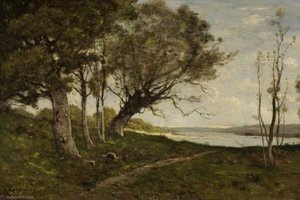
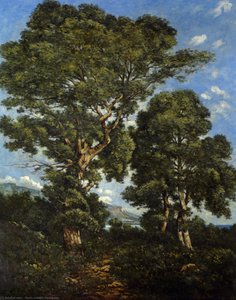
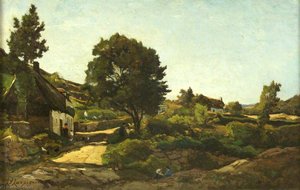
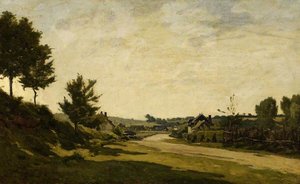
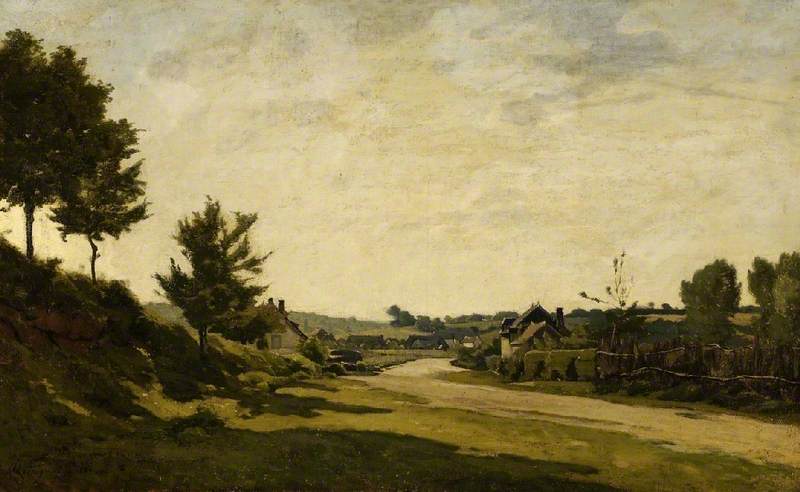
The Open Road
 Acrylic On Canvas
- WallArt
- Barbizon Landscape
 1885
1885 51.0 x 87.0 cm
 Fitzwilliam College
 Read More
Hand Made Oil Reproduction
Hand-painted oil on canvas in your size and frame, made to order by our artists. ( Buy Print Buy Image)




P118B $10

P118H $10

P118W $10

P438Z $10

P508JH $12

P508YH $12

P805H $10

P805Z $10

P919BZ $10

P919G $10

P919XJ $10

P959ZH $10

P968JZ $12

W106C $8

W218G $10

W218JH $8

W218Y $10

W307PJ $10

W316G $10

W316PJ $8

W316Y $10

W398PJ $8

W4111J $10

W500HY $15

W500JH $15

W692G $12

W849H $8

W940BG $15

W953PJ $8




Pick from our preset sizes that match the artwork's original proportions.

You may enter your own dimensions to fit a specific frame or space. If your selected size does not match the original image's proportions, we will either crop the artwork or extend the painting with additional hand-painted elements. A digital mockup will be sent for your approval before production begins.
Please note that the on-screen preview does not reflect the actual cropping or extension. Only the mockup will accurately show the final composition.
While custom sizes are available, we recommend selecting a dimension from the predefined list to preserve the original proportions.
After order, ArtsDot.com team will email client for instructions and provide a mockup preview
Worldwide Delivery () in 3/4 weeks instead of standard 5 weeks. (17 August). No compromise on quality.

Free Worldwide Express Shipping

High-Quality Linen Canvas

Full Shipping Insurance

Customs Tax Refund Guarantee

True Color Matching Guarantee

60-Day Return Policy (Defects Only)

100% Money-Back Guarantee

Bulk Discount Offer
 Glass option is only available in size under 110 CM

The Open Road
Reproduction Medium
Reproduction Size
-


Total Price
$ 263
Artwork Description
A Vision of Tranquility: Henri-Joseph Harpignies’ “The Open Road”
Henri-Joseph Harpignies' "The Open Road," painted in 1885, stands as a quintessential example of Barbizon landscape painting—a movement that championed direct observation and tonal harmony to capture the essence of rural France. More than just a depiction of scenery, it’s an invitation into a moment of serene contemplation, reflecting the Romantic preoccupation with sublime beauty found in nature's grandeur.The Artist’s Journey & Influences
Born in Valenciennes in 1819, Harpignies initially faced familial pressure to pursue mercantile pursuits—a common aspiration for young men of his era. However, his innate artistic inclination prevailed, propelling him toward formal training under Jean Achard in Paris. This formative period instilled a disciplined draughtsmanship foundation, crucial for translating observed reality onto canvas with remarkable accuracy. Crucially, Harpignies’ subsequent pilgrimage to Italy in 1848 exposed him to the burgeoning Italian Romantic tradition, particularly the works of artists like Francesco Hayez and Giovanni Fattori—influences that infused his palette with vibrant hues and heightened emotional expression.Barbizon Technique & Aesthetic Principles
The Barbizon School distinguished itself from its predecessors by rejecting idealized representations in favor of capturing atmospheric conditions and geological formations as they appeared before the eye. Harpignies adhered rigorously to these principles, employing a technique characterized by thick impasto—heavy application of paint—to build up textured surfaces that convincingly simulate stone and foliage. Color was subdued yet purposeful; muted greens and browns dominate the composition, creating an illusion of depth and conveying a palpable sense of stillness. The artist skillfully utilized chiaroscuro—the interplay of light and shadow—to sculpt forms and heighten dramatic effect, subtly emphasizing the contours of the road and distant hills.Symbolism & Emotional Resonance
Beyond its technical prowess, “The Open Road” resonates with profound symbolic significance. The solitary horse figures represent resilience and perseverance amidst the vastness of nature – mirroring the Romantic ideal of confronting adversity with courage and fortitude. The winding road symbolizes life’s journey—a path fraught with challenges yet ultimately leading to a harmonious union with the natural world. Harpignies' masterful rendering evokes feelings of peace, solitude, and wonder, transporting viewers back to a bygone era where art served as a conduit for spiritual contemplation.A Legacy of Impressionistic Roots
Although Harpignies’ style firmly anchors him within the Barbizon School, subtle hints of Impressionism can be discerned in his handling of light—particularly the diffused glow illuminating the road and trees. This blending of tonal harmony with fleeting atmospheric effects anticipates the stylistic innovations that would soon reshape European painting, cementing Harpignies' place as a pivotal figure in bridging the gap between Romantic idealism and Modern artistic experimentation. “The Open Road” continues to inspire collectors and interior designers alike—a testament to its enduring beauty and timeless appeal.Related Artworks
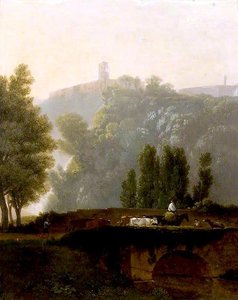
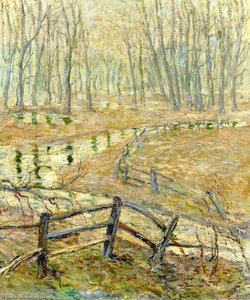
Artist Biography
Henri-Joseph Harpignies: A Life in Landscape
Early Life and Training
Born on June 28, 1819, in Valenciennes, France, Henri-Joseph Harpignies initially faced parental expectations to pursue a business career. However, his passion for art proved too strong to ignore. Of Belgian origin, his family’s initial plans were set aside as he dedicated himself to becoming an artist. At the age of twenty-seven, he formally began his artistic training in Paris, entering the atelier of Jean Achard. This foundational period focused on developing solid draughtsmanship skills – a crucial element that would remain central to Harpignies’ work.
The Barbizon School and Italian Influence
After two years under Achard's tutelage, Harpignies embarked on a pivotal journey to Italy in 1848. This experience profoundly shaped his artistic vision. Upon his return in 1850, he became acquainted with the leading figures of the Barbizon School, including Jean-Baptiste-Camille Corot. The Barbizon painters’ emphasis on direct observation of nature and their realistic portrayal of rural life deeply resonated with Harpignies. In 1860, he further cemented his artistic connection with Corot through a collaborative trip back to Italy.
Artistic Development and Style
Harpignies’ style is characterized by its serene and idyllic depictions of the French countryside. He masterfully captured the subtle nuances of light and atmosphere, creating landscapes that evoke a sense of tranquility and harmony. His technique involved careful observation combined with a refined understanding of composition. While influenced by the Barbizon School's realism, Harpignies developed his own distinct voice, often incorporating a poetic sensibility into his work.
Notable Works
- Soir sur les bords de la Loire (Evening on the Banks of the Loire) – 1861: A quintessential example of his atmospheric landscapes, showcasing the beauty of the Loire Valley.
- Les corbeaux (The Ravens) – 1865: Demonstrates his skill in capturing mood and detail within a natural setting.
- Le soir (Evening) – 1866: A captivating portrayal of the quiet beauty of dusk.
- La loire (The Loire) – 1882: Another stunning depiction of the Loire River, highlighting his mastery of light and water.
- Vue de Saint-Privé (View of Saint-Privé) – 1883: A picturesque scene showcasing a charming French village.
Legacy and Influence
Harpignies’ artistic legacy extends beyond his own paintings. He was a dedicated teacher, imparting his knowledge and skills to numerous students, including Émile Appay (1876-1935) and James Wilson Morrice (1865-1924). His influence can be seen in the development of French landscape painting throughout the late 19th and early 20th centuries. He helped to solidify the Barbizon School’s impact on subsequent generations of artists.
Historical Significance
Henri-Joseph Harpignies occupies an important place in the history of French landscape painting. His work reflects a deep appreciation for nature and a commitment to capturing its beauty with honesty and sensitivity. He died in 1916, leaving behind a rich artistic legacy that continues to inspire and captivate audiences today. His paintings are held in prominent museum collections, including the Musée des Beaux-Arts Valence, ensuring his enduring recognition as a master of landscape art.
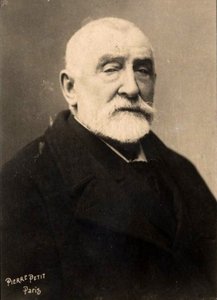
Henri-Joseph Harpignies
1819 - 1916 , France
Quick Facts
- Birth Date: June 28, 1819
- Birth Place: Valenciennes, France
- Death Date: 1916
- Influenced:
- Émile Appay
- James Wilson Morrice
- Influenced By: Jean-Baptiste-Camille Corot
- Movement: Barbizon School
- Name: Henri-Joseph Harpignies
- Nationality: French
- Notable Works:
- Soir sur les bords de la Loire
- Les corbeaux
- Le soir
- La loire
- Vue de Saint-Privé
Related Articles

Cézanne's Masterpieces: 25 Iconic Artworks to Transform Your Space
Journey through 25 iconic artworks by Paul Cézanne – a master of Impressionism and Post-Impressionism. Explore his landscapes, still lifes, and the stories behind these timeless masterpieces. Discover museum-quality reproductions & curated decor at ArtsDot.com.

Beyond the Horizon: 10 Landscape Masterpieces for Your Home Decor
Journey through 10 breathtaking landscape paintings by Monet, Van Gogh & more! Explore iconic artworks, artistic techniques & find inspiration for your home decor. Museum-quality reproductions at ArtsDot.com. Discover all masterpieces on ArtsDot.com

John Constable's Masterpieces: Explore 25 Iconic Landscapes for Your Home
Journey through John Constable's 25 most celebrated landscapes. Explore Romanticism, Dedham Vale & his masterful use of light in iconic paintings like 'Hay Wain'. Find museum-quality art reproductions and elevate your home decor on ArtsDot.com.
Cultivating Visions: A Historical Journey Through Rural Landscapes in Art
Explore the rich history of rural landscape painting with ArtsDot. Discover Impressionist masterpieces, key artists & movements. Find your perfect serene artwork and bring nature's beauty home.

Impressionistic Landscapes: 10 Masterpieces That Changed Art & Decor
Journey into the heart of Impressionism! Explore 10 masterpieces by Monet, Renoir & Degas that revolutionized landscape art. Discover their stories, techniques & find museum-quality reproductions to elevate your home decor on ArtsDot.com.