 Preview
 Send
Send Share
Share
 Details

 Download
 Similars
 X-Ray
X-Ray Diaporama
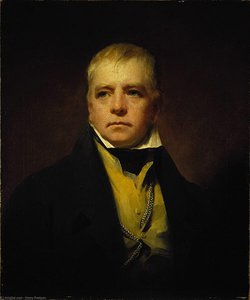
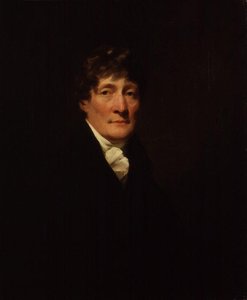
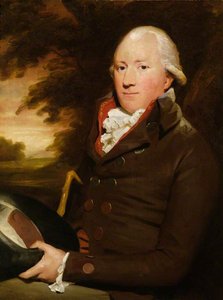
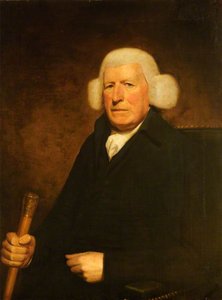
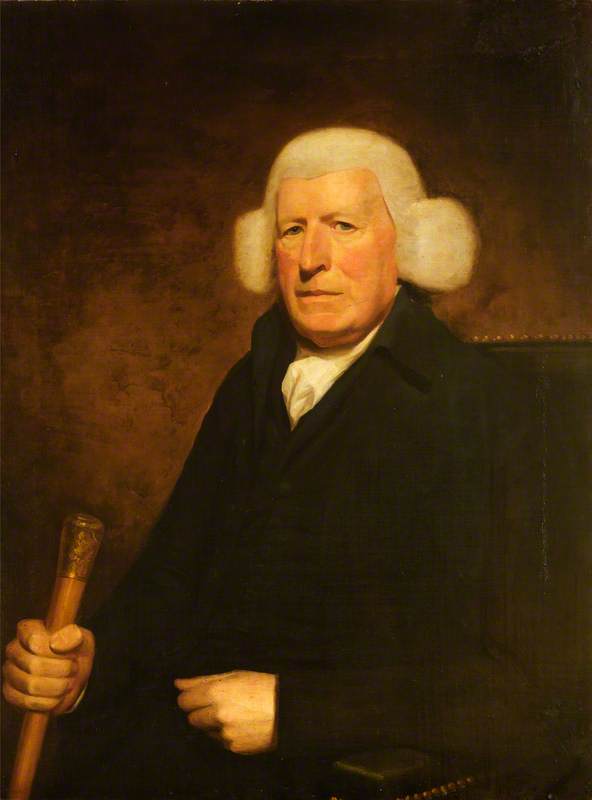
Alexander Leith of Freeland
 Oil On Canvas
- WallArt
 89.0 x 69.0 cm
 The National Trust For Scotland
 Read More
Hand Made Oil Reproduction
Hand-painted oil on canvas in your size and frame, made to order by our artists. ( Buy Print Buy Image)




P118B €10

P118H €10

P118W €10

P438Z €10

P508JH €12

P508YH €12

P805H €10

P805Z €10

P919BZ €10

P919G €10

P919XJ €10

P959ZH €10

P968JZ €12

W106C €8

W218G €10

W218JH €8

W218Y €10

W307PJ €10

W316G €10

W316PJ €8

W316Y €10

W398PJ €8

W4111J €10

W500HY €15

W500JH €15

W692G €12

W849H €8

W940BG €15

W953PJ €8




Pick from our preset sizes that match the artwork's original proportions.

You may enter your own dimensions to fit a specific frame or space. If your selected size does not match the original image's proportions, we will either crop the artwork or extend the painting with additional hand-painted elements. A digital mockup will be sent for your approval before production begins.
Please note that the on-screen preview does not reflect the actual cropping or extension. Only the mockup will accurately show the final composition.
While custom sizes are available, we recommend selecting a dimension from the predefined list to preserve the original proportions.
After order, ArtsDot.com team will email client for instructions and provide a mockup preview
Worldwide Delivery () in 3/4 weeks instead of standard 5 weeks. (16 August). No compromise on quality.

Free Worldwide Express Shipping

High-Quality Linen Canvas

Full Shipping Insurance

Customs Tax Refund Guarantee

True Color Matching Guarantee

60-Day Return Policy (Defects Only)

100% Money-Back Guarantee

Bulk Discount Offer
 Glass option is only available in size under 110 CM

Alexander Leith of Freeland
Reproduction Medium
Reproduction Size
-


Total Price
€ 230
Artwork Description
Alexander Leith of Freeland – A Portrait Steeped in Enlightenment Dignity
Henry Raeburn’s “Alexander Leith of Freeland,” completed around 1796, stands as a cornerstone of Scottish portraiture during the Enlightenment. More than just a likeness, it embodies the ideals of aristocratic virtue and intellectual contemplation prevalent in Edinburgh society at the time – values championed by Raeburn himself.
The painting depicts Alexander Leith, a prominent landowner and philanthropist, seated formally against a textured wall adorned with floral motifs. His posture exudes composure and confidence, reflecting the gentlemanly ethos of his era. The artist’s masterful use of chiaroscuro – dramatic contrasts between light and shadow – sculpts Leith's figure, emphasizing musculature and conveying an inner strength that transcends mere physical appearance.
- Style: Neoclassical – Raeburn deliberately adopted the stylistic conventions favored by artists like Jacques-Louis David, prioritizing idealized form and restrained emotion.
- Technique: Oil on canvas – Raeburn employed a meticulous layering technique, blending pigments to achieve subtle gradations of tone and capturing the nuances of skin texture with remarkable precision. The brushstrokes are visible yet controlled, contributing to the painting’s palpable sense of realism.
Beyond its technical prowess, “Alexander Leith” resonates deeply with symbolic meaning. The floral background serves as a visual metaphor for nobility and prosperity – mirroring Leith's social standing and reflecting the broader aspirations of Scotland during this period of cultural revival. Furthermore, Raeburn’s gaze directs towards the viewer, establishing an intimate connection between subject and observer—a hallmark of his approach to portraiture.
Henry Raeburn: Bridging Tradition and Innovation
Sir Henry Raeburn (1756-1823) was a singular figure in British art history. Unlike many of his contemporaries who embraced flamboyant Rococo styles, Raeburn championed realism, prioritizing accuracy and psychological insight over decorative embellishment. He meticulously studied anatomy and drapery, mastering techniques that would elevate portraiture to new heights.
His early training as a goldsmith instilled in him an unparalleled attention to detail – a quality he brought to bear on his paintings, particularly his portraits of Scottish notables. Raeburn’s commitment to capturing the character of his subjects—their intellect, dignity, and moral fortitude—established him as a champion of humanist values.
The Dramatic Impact of Light and Composition
Raeburn's genius lay in his ability to harness the power of light. He skillfully positioned the figure against a wall illuminated by soft, diffused light, creating an atmosphere of serenity and contemplation. This technique wasn’t merely aesthetically pleasing; it served to heighten Leith’s presence on the canvas—drawing attention to his facial expression and conveying a profound sense of inner stillness.
The composition itself is carefully balanced, emphasizing Leith's vertical posture against the horizontal expanse of the wall. This deliberate arrangement reinforces the painting’s stability and conveys an impression of unwavering resolve – qualities Raeburn wished to imbue his subjects with.
A Legacy Enduring Through Reproduction
"Alexander Leith of Freeland" continues to captivate audiences today, not only for its artistic merit but also for its embodiment of Enlightenment ideals. Reproductions offer a window into this remarkable artwork, allowing viewers to appreciate Raeburn’s masterful technique and the enduring power of his vision. Consider framing it in a neutral hue to preserve its original aesthetic integrity.
Related Artworks
Artist Biography
A Scottish Master of Realism: The Life and Art of Sir Henry Raeburn
Born in 1756 amidst the burgeoning Enlightenment of Scotland, Sir Henry Raeburn emerged as a pivotal figure in British portraiture. His story is one of self-driven artistry, rising from humble beginnings to become the first native Scottish painter to achieve widespread acclaim and royal patronage. Orphaned at a young age, Raeburn’s early life was shaped by the support of his brother William, who secured him an education at Heriot's Hospital in Edinburgh. This foundation proved crucial, though his initial path led not directly to canvas and brush, but to the meticulous craft of goldsmithing under James Gilliland. It was within this world of intricate detail and refined skill that Raeburn honed a precision that would later define his artistic style. He began creating miniature portraits on ivory, demonstrating an innate talent for capturing likenesses with remarkable accuracy. However, it wasn’t long before the allure of larger-scale oil painting beckoned, and he bravely embarked on a self-taught journey to master this more demanding medium.From Miniature Precision to Grand Portraiture
Raeburn's artistic evolution was marked by a relentless pursuit of skill. He absorbed knowledge from David Martin, a leading portraitist in Edinburgh who had been an assistant to Allan Ramsay, but largely relied on his own dedication and observation. His early works reveal a developing talent, yet it was through consistent practice and a keen eye for detail that he began to distinguish himself. A turning point came with his marriage to Ann Edgar, a wealthy widow, in 1778. This union provided financial stability, allowing Raeburn to fully dedicate himself to painting without the constraints of commercial obligations. He immersed himself in studying the works of masters like Joshua Reynolds, whom he met during a brief sojourn in London en route to Italy – though the Italian journey was ultimately abandoned. Raeburn’s style began to coalesce around a powerful realism, characterized by dramatic lighting and an ability to capture not just physical resemblance but also the inner character of his sitters. He moved away from the softer, more idealized portrayals common at the time, opting for a directness and honesty that resonated with Scottish sensibilities.Capturing Character: Raeburn’s Artistic Signature
Raeburn's portraits are not merely representations of individuals; they are psychological studies rendered in oil paint. He possessed an extraordinary ability to convey the personality, status, and even the mood of his subjects. His technique was masterful – a combination of meticulous observation, confident brushwork, and a sophisticated understanding of light and shadow. The Young Polo Player, for example, is not simply a depiction of a sporting gentleman; it’s an energetic snapshot of youthful vitality and aristocratic leisure. Similarly, his portrait of Alexander Allan, a prominent figure in Scottish art, reveals a man of intellect and refinement. Raeburn's use of chiaroscuro – the dramatic contrast between light and dark – became a hallmark of his style, lending depth and intensity to his compositions. He often positioned his subjects against dark backgrounds, allowing their faces and figures to emerge with striking clarity. This technique not only enhanced the visual impact of his portraits but also served to focus attention on the individual’s character and presence.Recognition and Legacy: A Scottish Icon
Throughout his career, Raeburn enjoyed considerable success and recognition. He became a leading member of Edinburgh society, attracting commissions from prominent families and individuals. In 1815, he was elected to the Royal Academy in London, solidifying his reputation on a national level. His appointment as Portrait Painter to King George IV in Scotland in 1822 – shortly before his death in 1823 – was the ultimate acknowledgment of his artistic achievements. Raeburn’s influence on Scottish art is immeasurable. He established a standard for portraiture that subsequent generations would strive to emulate, and his work continues to inspire artists today. His paintings are now held in prestigious collections around the world, including the Scottish National Gallery in Edinburgh and The Frick Collection in New York.- His dedication to realism and psychological insight set him apart from many of his contemporaries.
- He helped establish a distinctly Scottish identity within British art.
- His masterful technique continues to be studied and admired by artists and scholars alike.
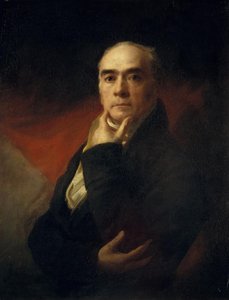
Henry Raeburn
1756 - 1823 , United Kingdom
Quick Facts
- Artistic Movement Or Style: Portraiture, Realism
- Artists Or Movements Influenced By This Artist: Scottish Art
- Artists Who Influenced This Artist:
- David Martin
- Joshua Reynolds
- Date Of Birth: March 4, 1756
- Date Of Death: July 8, 1823
- Full Name: Henry Raeburn
- Nationality: Scottish
- Notable Artworks:
- The Young Polo Player
- Alexander Allan
- Sir John Hay
- Place Of Birth: Stockbridge, UK
Related Articles
Henry Raeburn: A Scottish Portraitist's Mastery of Light, Character & National Identity
Explore the life & work of Henry Raeburn, a master Scottish portraitist. Discover his innovative techniques, captivating portraits of the Enlightenment era, and lasting legacy in art history. Learn more at ArtsDot.
The Enduring Legacy of Hand-Painted Oil Paintings: Aesthetic Value, Longevity & Emotional Resonance
Explore the enduring legacy of hand-painted oil paintings. Discover the aesthetic value, material longevity & emotional resonance that sets original art—and expertly crafted reproductions—apart. Invest in timeless beauty.
Sir John Watson Gordon: A Study in Scottish Landscape Painting & Tonal Impressionism
Explore the captivating portraits of Sir John Watson Gordon, a leading Scottish master. Discover his evolution from neoclassical style to atmospheric Tonalism and influence on 19th-century British art. Learn about his iconic sitters & legacy.
Henry Raeburn Dobson: A Scottish Colourist Bridging Tradition & Modernity
Explore the life & work of Henry Raeburn Dobson, a key figure bridging Scottish tradition & modern art. Discover his neoclassical portraits, landscapes, and connection to the Colourists. Learn about collecting his works.

The Revival of Antiquity: Exploring Neoclassical Art's Ideals & Enduring Legacy
Explore the revival of classical ideals in Neoclassical art! Discover Jacques-Louis David & the movement's impact on painting, sculpture & architecture. Expert insights & high-quality reproductions at ArtsDot.